
Filter posts
Filtered results
-
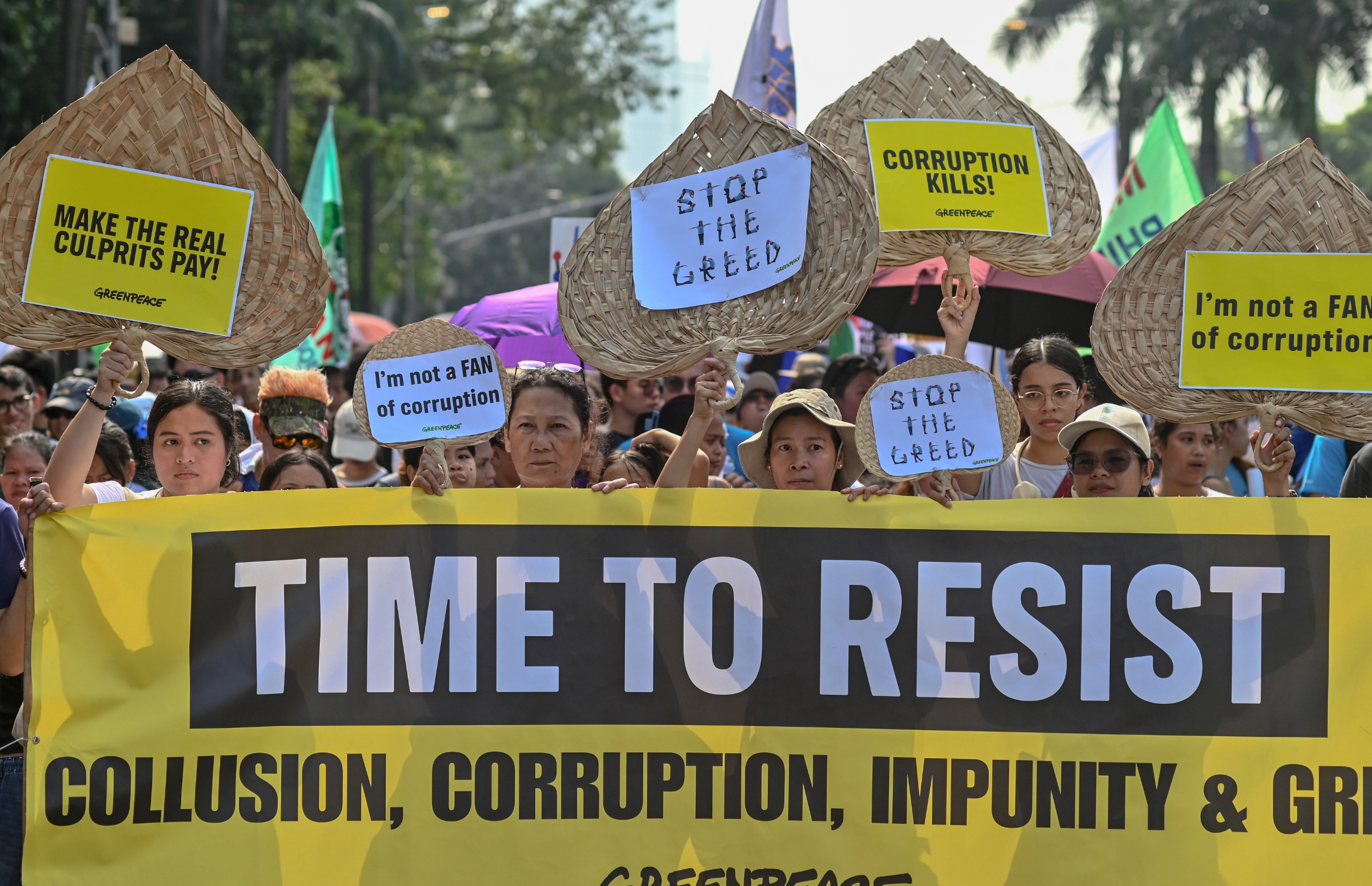
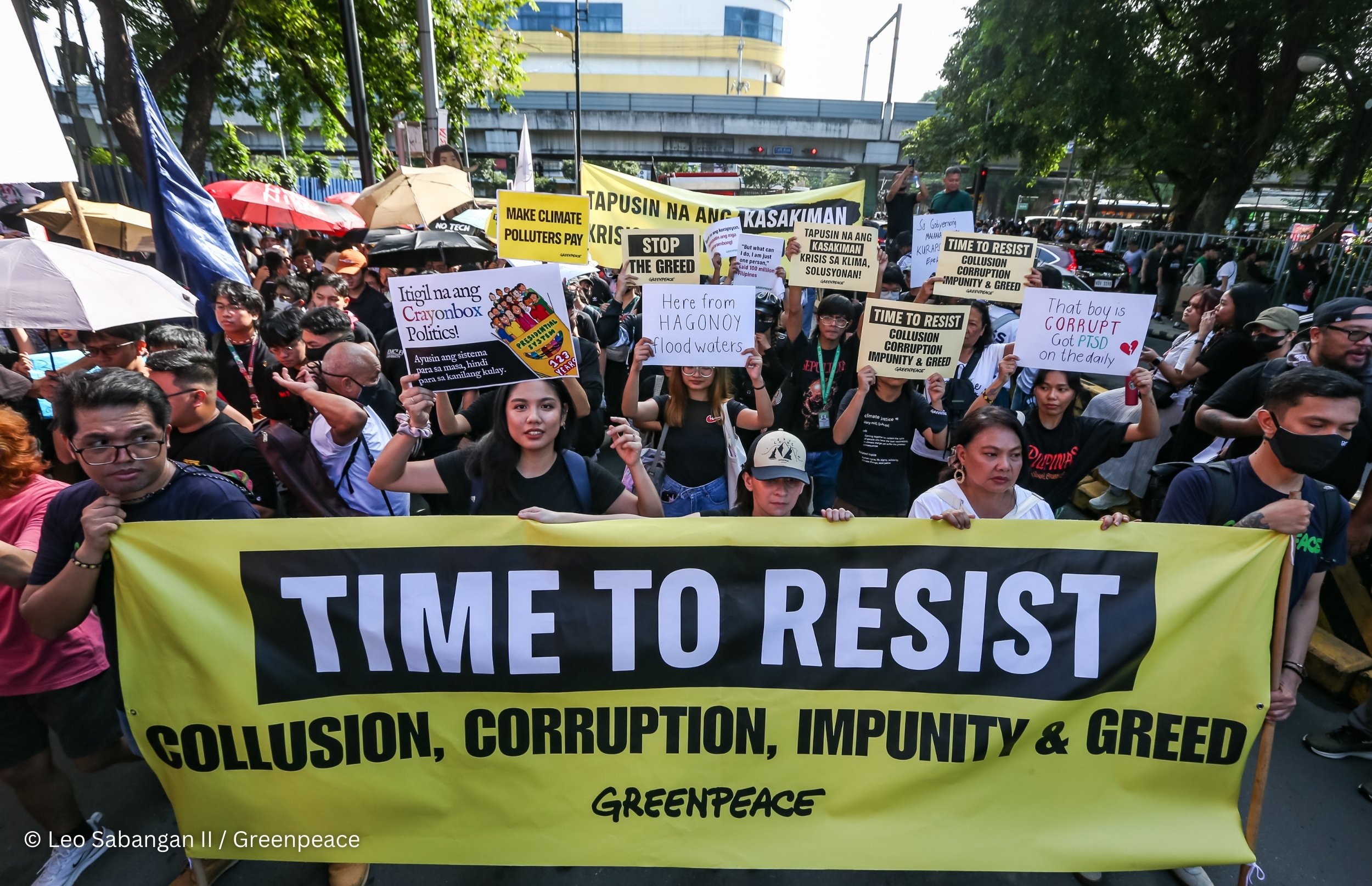
Greenpeace joins Nov. 30 protests, calls for reform to stop corruption and hold big polluters accountable
Greenpeace Philippines joins today’s mass mobilizations in Luneta to demand full accountability for the massive flood control corruption scandal and anomalous climate -tagged projects that siphoned off life-saving public funds.
-
-
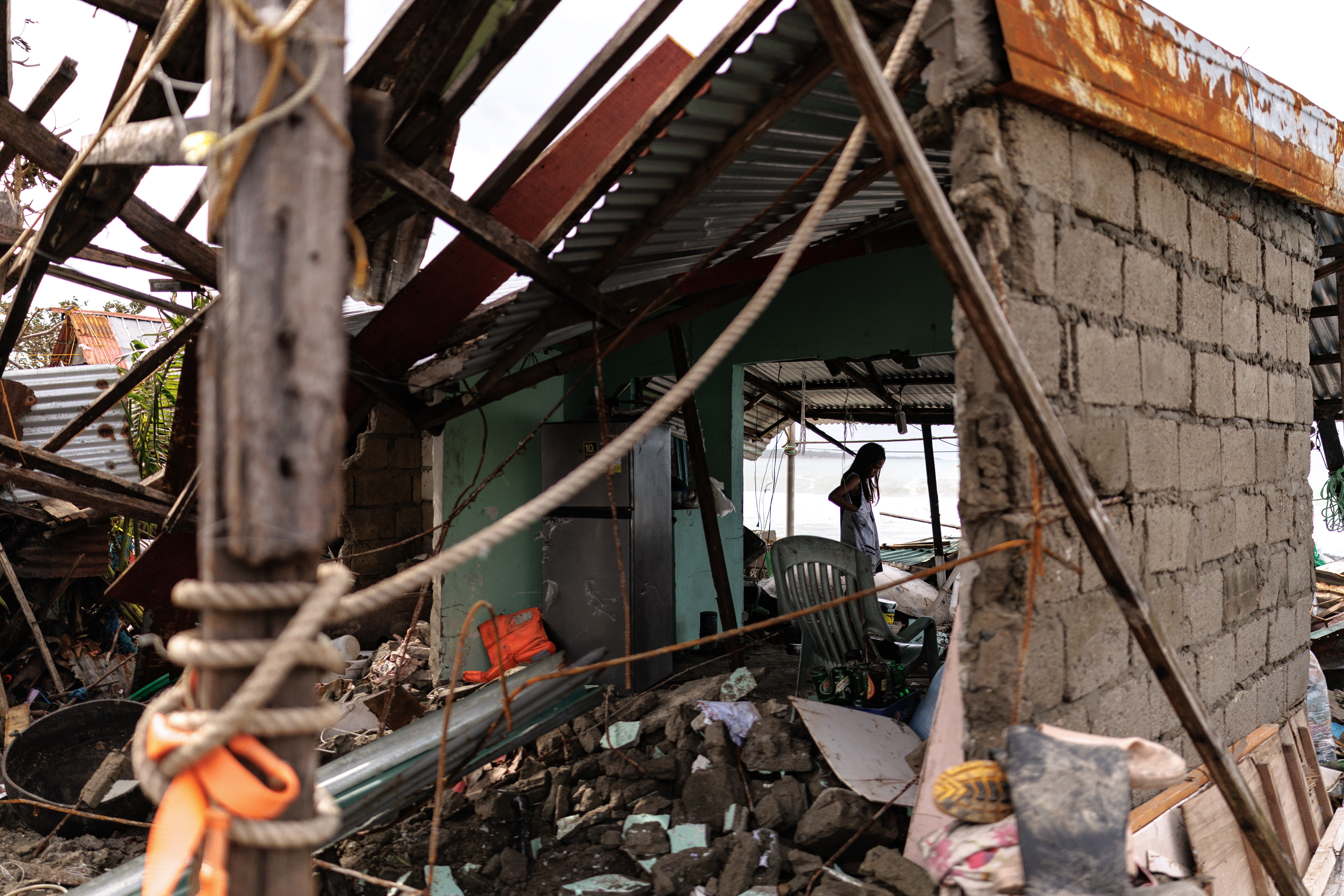
Storm surge affects coastal communities in La Union
A storm surge linked to Super Typhoon Uwan inundated coastal areas of La Union overnight, damaging homes and businesses that were still reeling from earlier impacts.
-
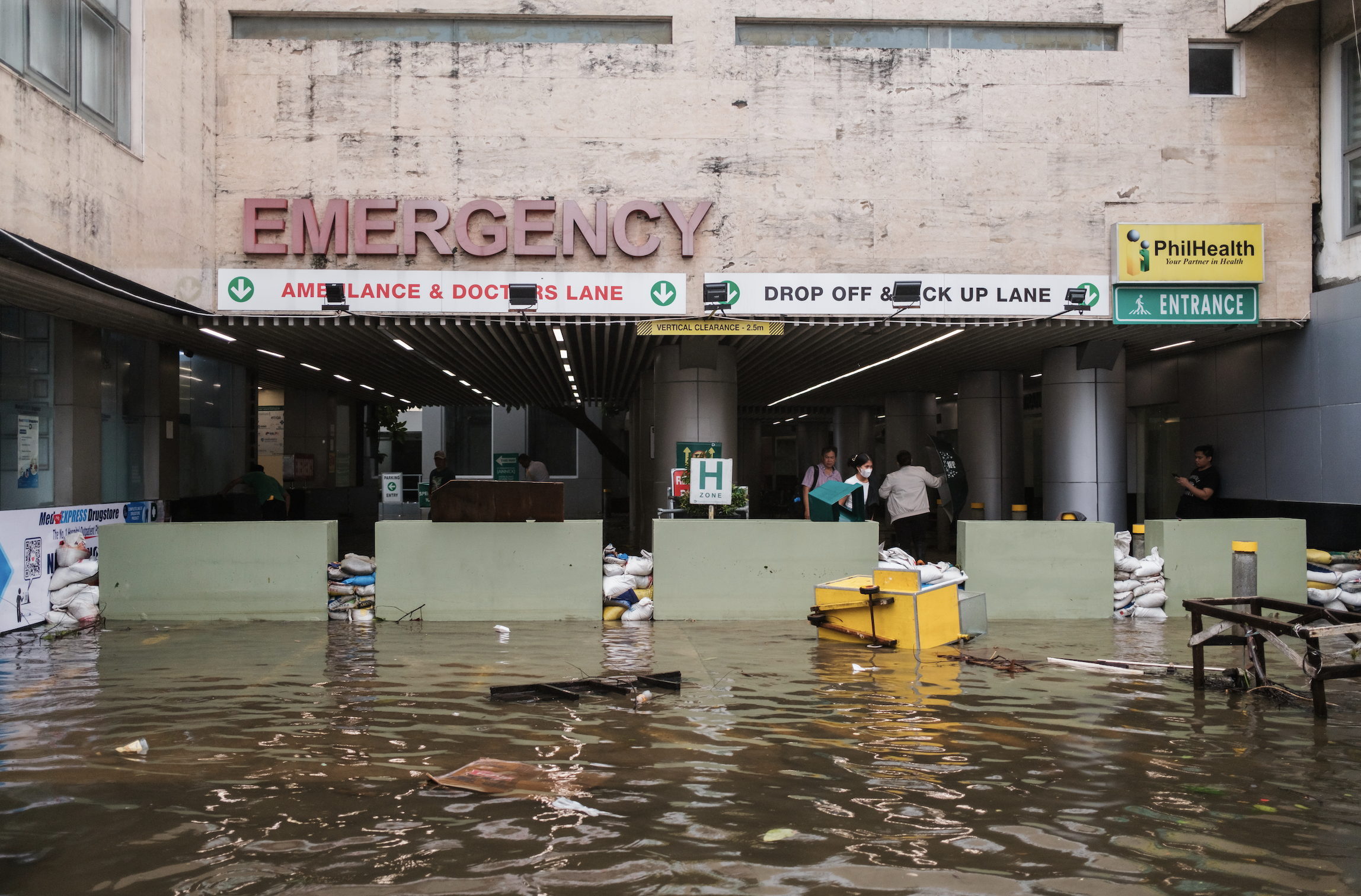
Typhoon Uwan underscores urgent call for climate justice as COP30 opens – Greenpeace
Greenpeace urged world leaders and the Philippine delegation at COP30 this week to take a strong stance in making fossil fuel companies pay for climate damages. These calls came just days after a Typhoon Tino killed hundreds of people, only to be followed a week later by an even stronger, super typhoon, which made landfall…
-
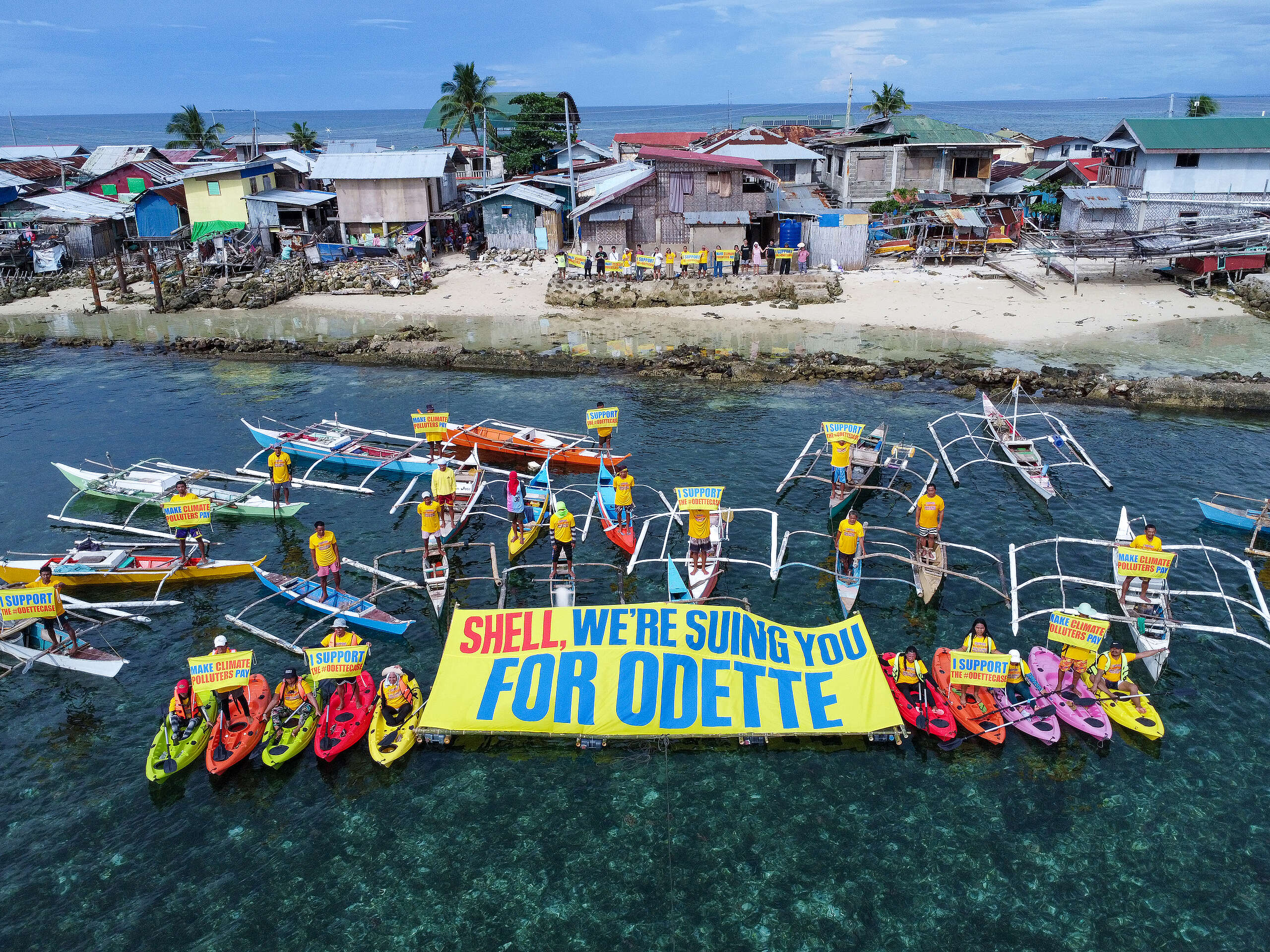
Filipino communities to sue Shell for damages linked to Super Typhoon Odette
Filipino survivors of Super Typhoon Odette (Rai) announced in a press conference in Quezon City that they will be filing a case in the United Kingdom against British oil giant Shell for its role in driving the climate crisis.
-
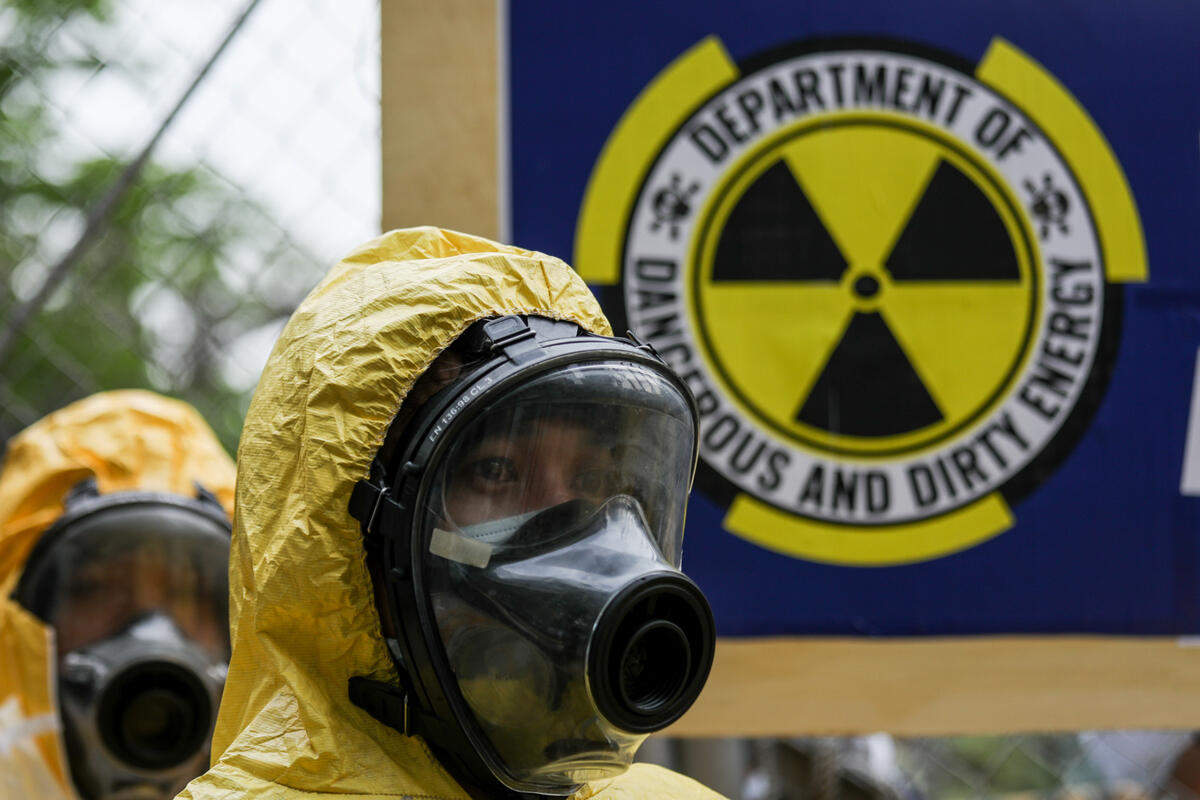
Greenpeace to DOE: Carbon-credit rules not a license to profit—must cut emissions now
DOE is railroading carbon markets purportedly to reduce emissions—but at the same time, they’re playing godfather to fossil gas projects, and putting more exemptions to the coal plant moratorium. This clearly doesn’t add up.
-
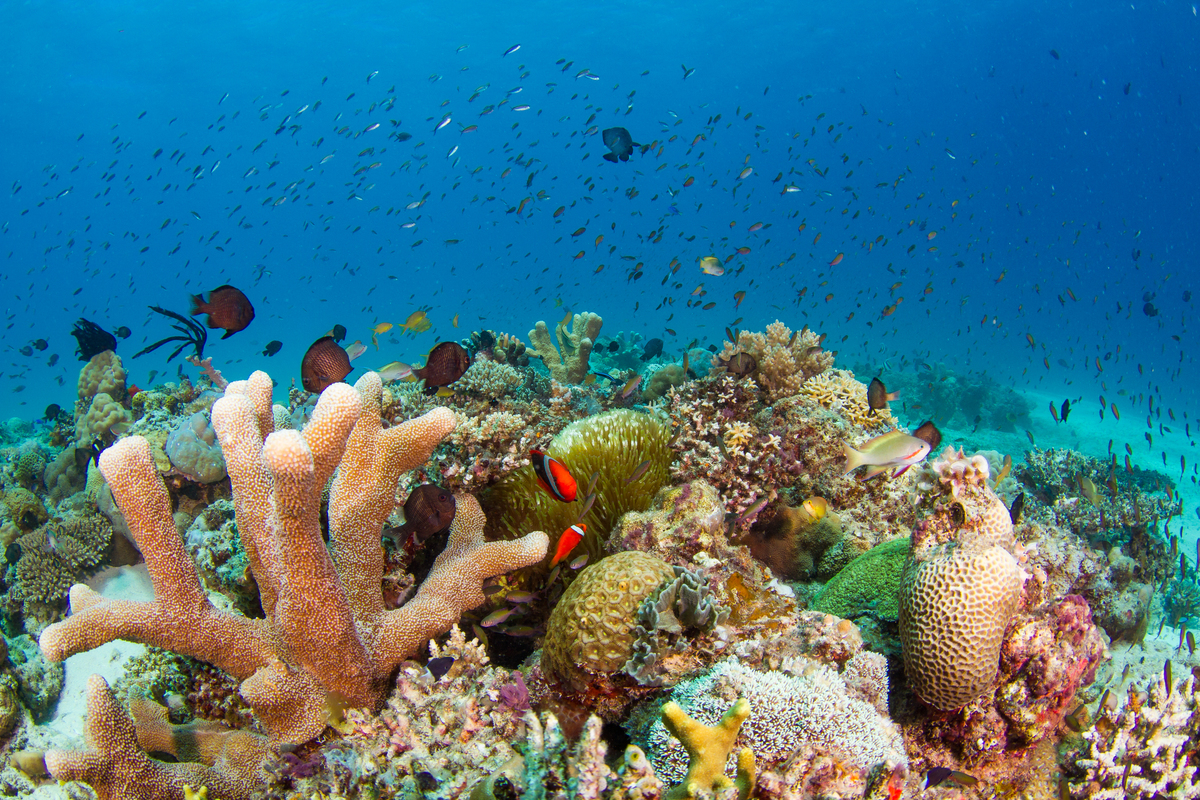
Greenpeace on Coral reef ‘tipping point’—end fossil fuel expansion, make those most responsible pay
The science is clear: the coral reefs are dying. Without them, billions will lose their lifeline and source of food and livelihood.
-
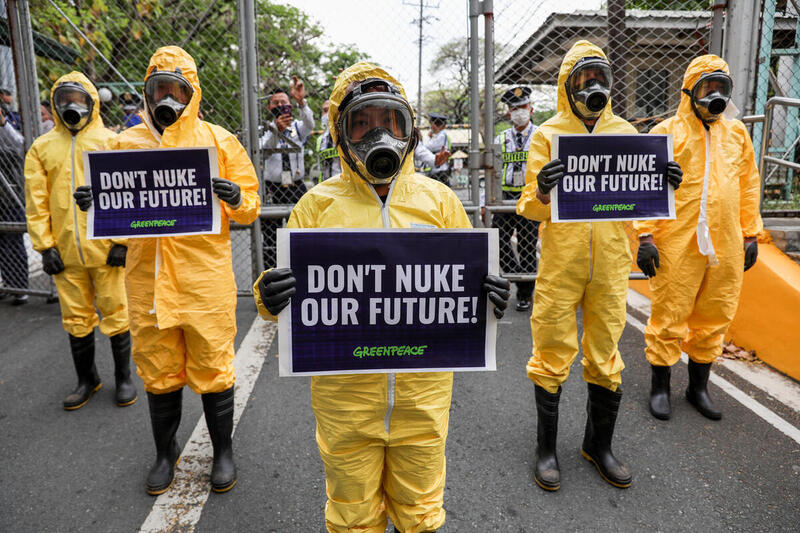
Greenpeace: Nuclear push misleads Filipinos, distracts from real solutions
The government is misleading the public by rushing into nuclear energy and dressing it up as ‘safe,’ when in truth it exposes Filipinos to grave risks.
-
-
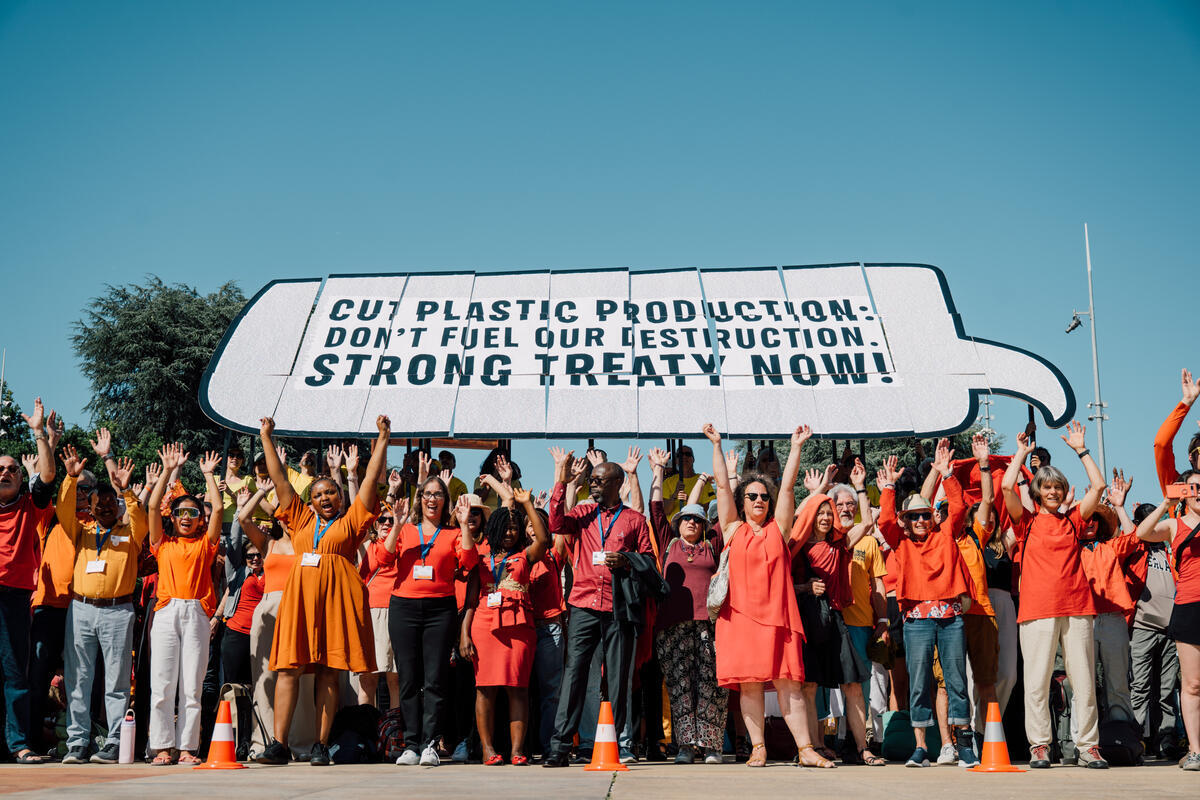
People pay the price as Plastics Treaty talks end in deadlock
After two years of negotiations, governments in Geneva once again failed to agree on a Global Plastics Treaty strong enough to end the plastic crisis—choosing delay and division over decisive action to protect people and the planet.