
All articles
-
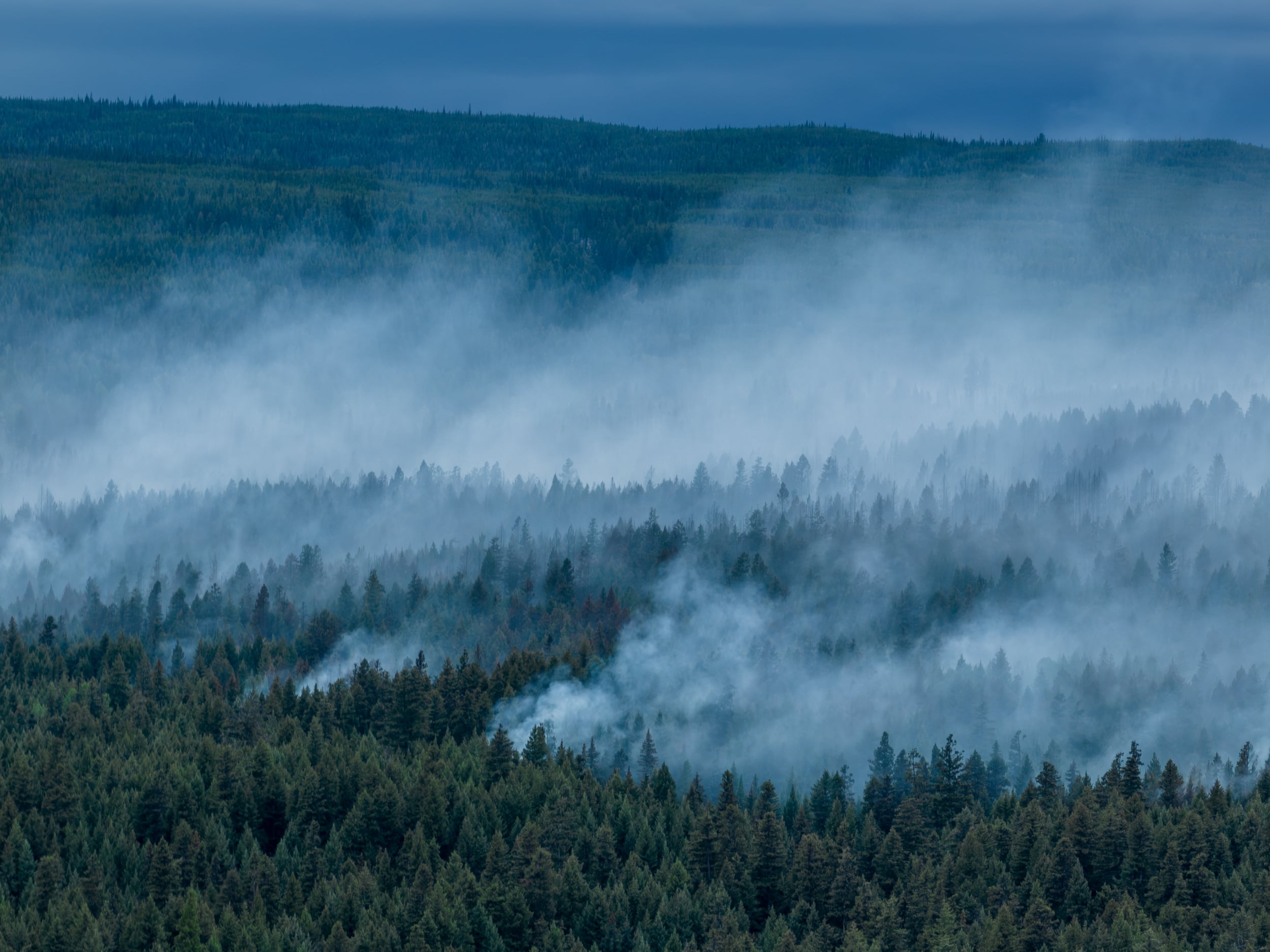
Where to Give Right Now: Wildfire Mutual Aid Across B.C., the N.W.T., and Northern Ontario
Canada is having one of its worst wildfire seasons on record. More than 4 million hectares have burned, well above the ten-year average for this point in the season. There…
-
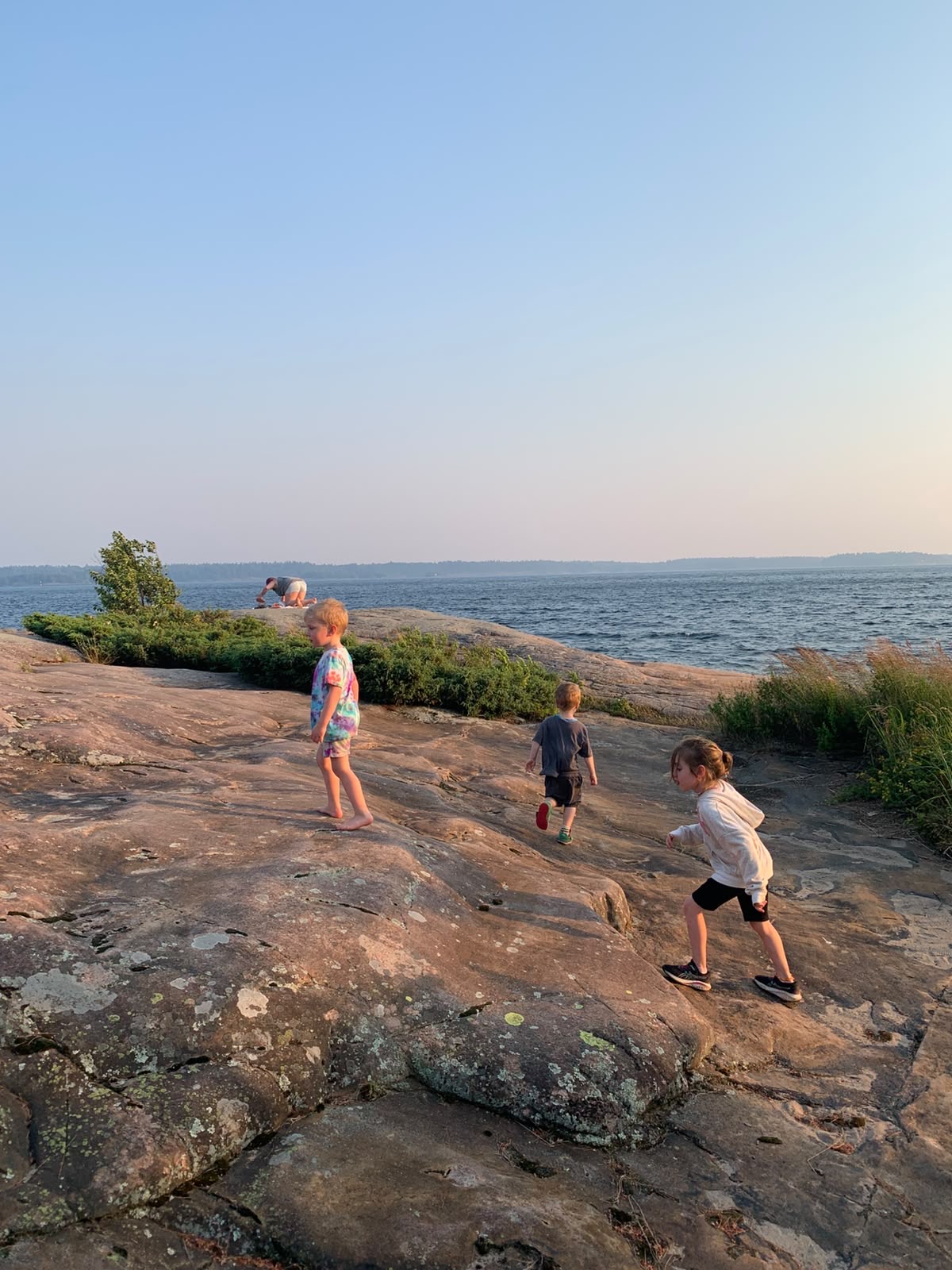
Connecting the dots: fires, fossil fuels and nature
My (white) family immigrated from South Africa in the 90s and my parents were keen to dive into all the things they thought were “quintessentially Canadian.” This involved skiing, which…
-
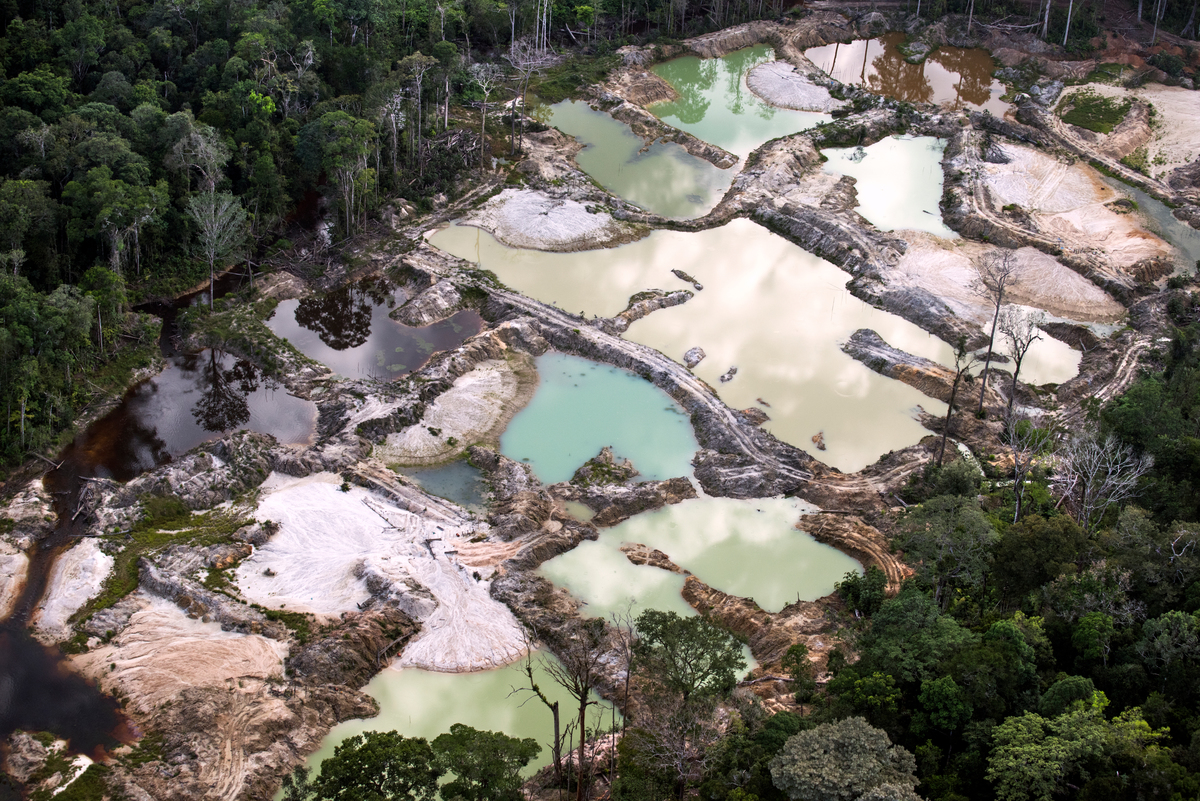
Greenpeace Brazil investigation details large-scale laundering of illegal Amazon gold into Canada
This report reveals how loopholes in Brazil's mining permit system allow illegally mined gold to enter global markets, fueling environmental destruction and deepening the crisis faced by Indigenous Peoples in the Amazon.
-
Spring into some good news!
Your monthly dose of good news!
-
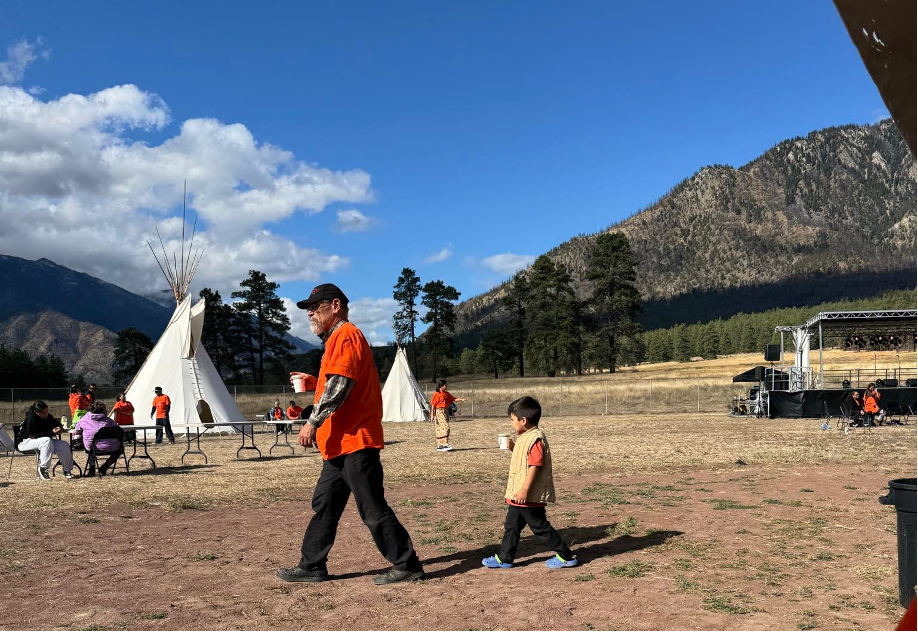
Wildfire, water and finding your “why”—on the land in Nlaka’pamux territory with Patrick Michell
A home lost, and the fierce will to rebuild
-
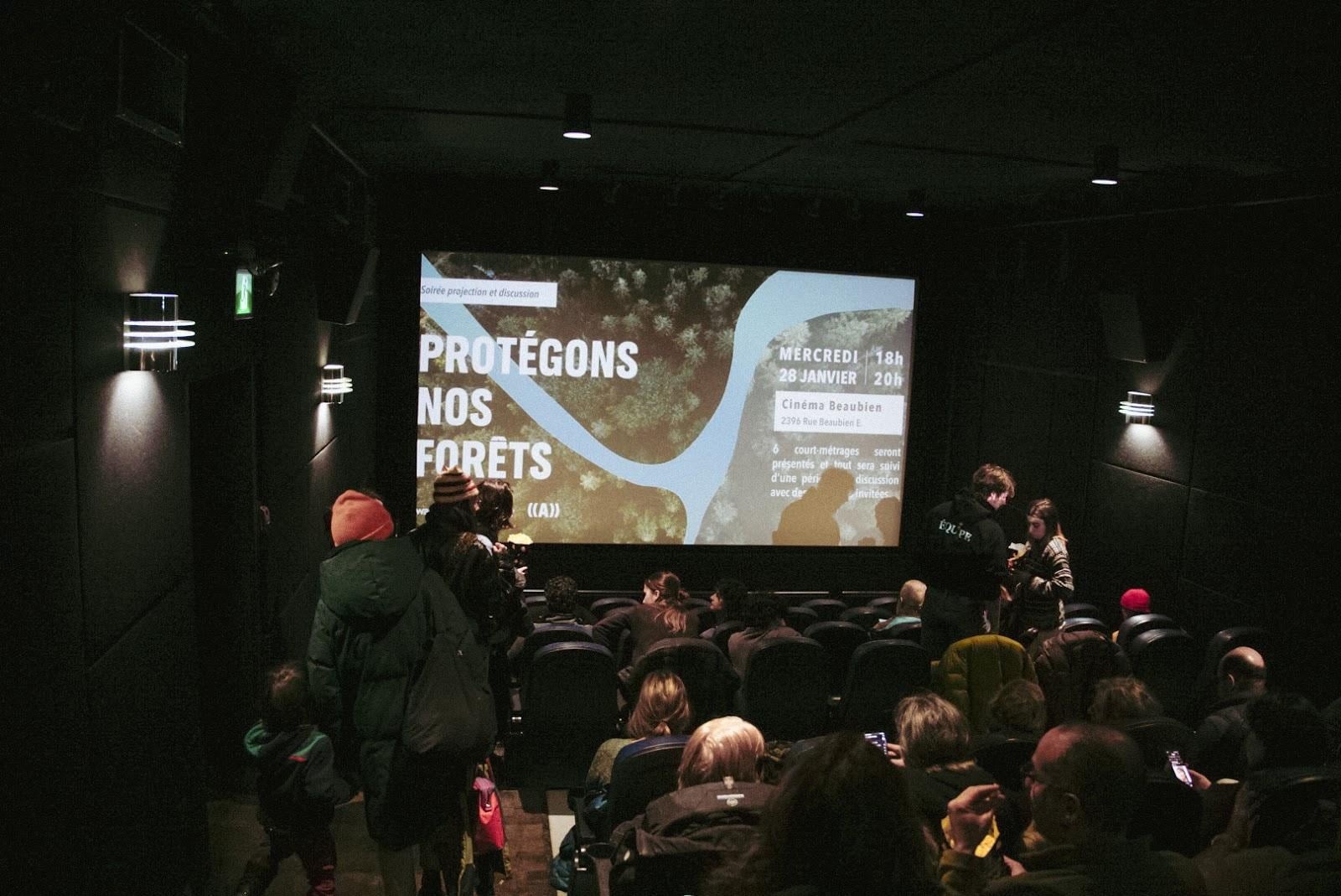
Film-making as a means to take action against deforestation
Greenpeace Canada, in collaboration with Wapiikoni Mobile and Amplifier films, hosted a film screening and discussion last week, January 28th, on the topic of Protecting our Forest in support of Indigenous Land Defenders, local groups and activists taking action against the forestry reform bill 97 by the Quebec Government.
-
New Reports: Domtar, Lobbying, and Logging in Canada
Our brand new reports—launched today—highlight the concerning lack of transparency and accountability surrounding the company that has been establishing itself as a logging giant across Canada for the last two decades: Domtar.
-
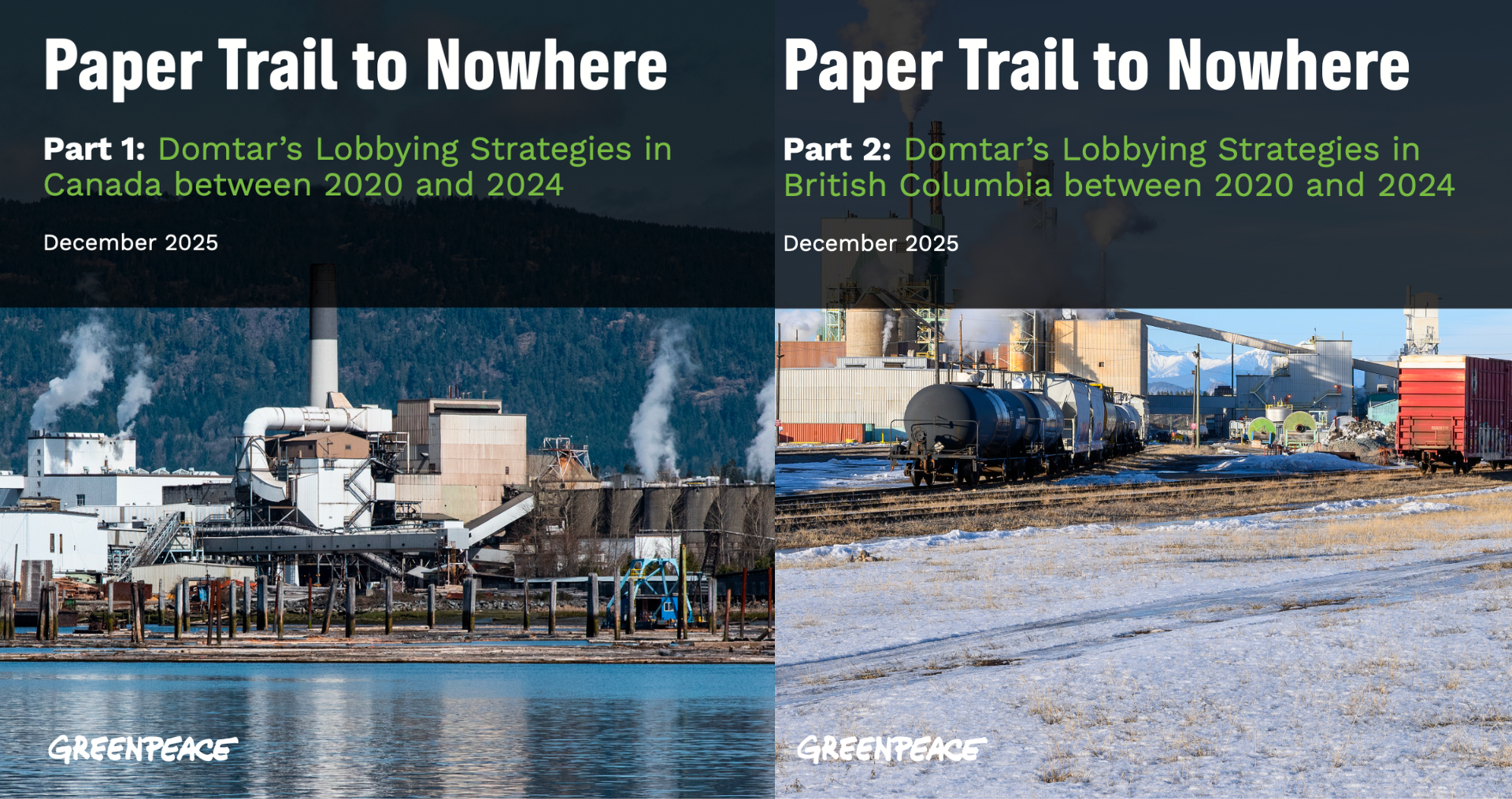
Report: Paper Trail to Nowhere, Investigative Findings on Domtar
A two-part investigative report released today by Greenpeace Canada reveals that Domtar, the largest pulp and paper company to ever operate in Canada, has been receiving significant amounts of public funds from the government while expanding corporate control on the forestry industry with limited transparency and accountability.
-
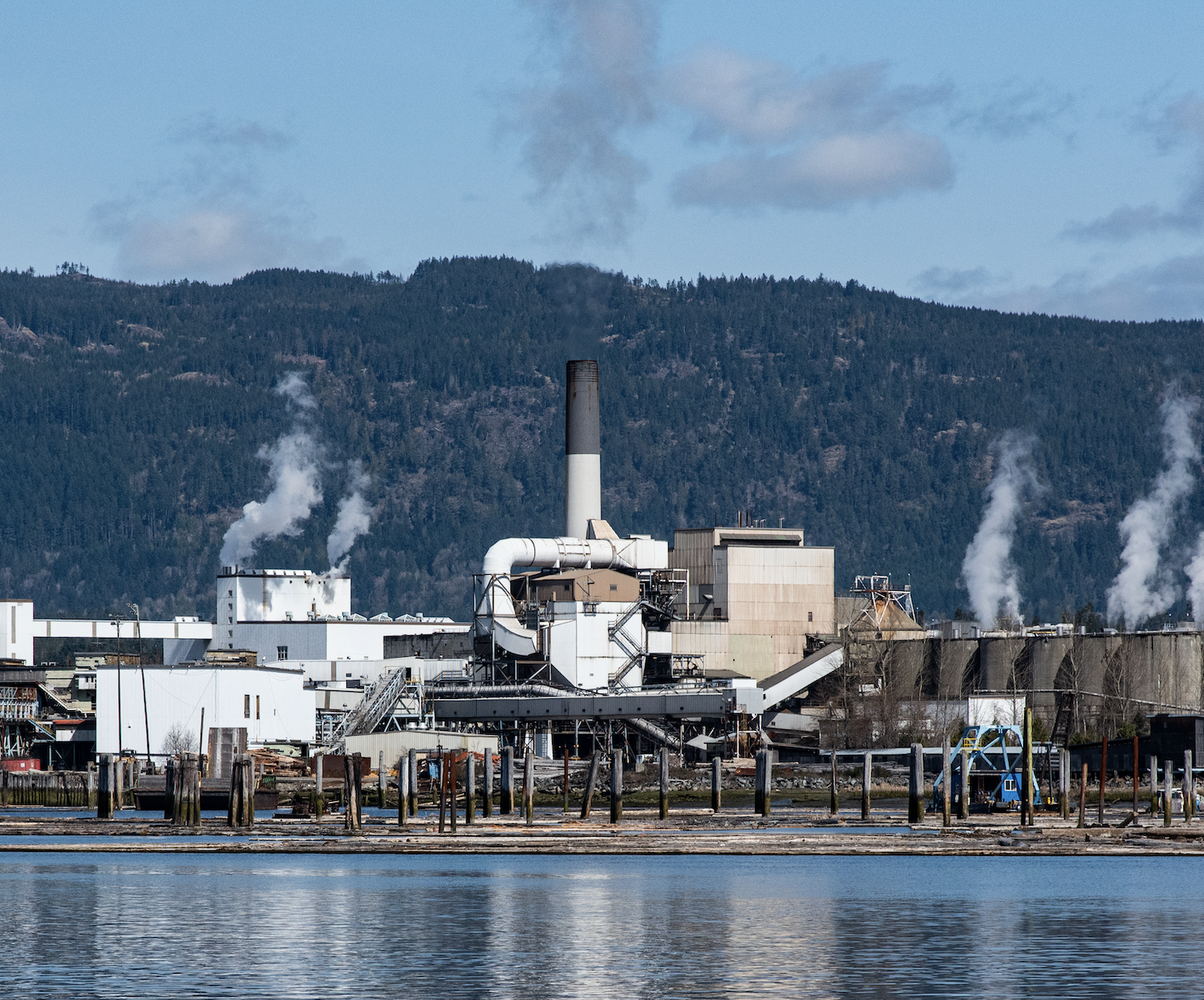
Greenpeace Canada investigation reveals Domtar’s lobbying resulted in over $200M of Canadian public funds
TORONTO – A two-part investigative report released today by Greenpeace Canada reveals that Domtar, the largest pulp and paper company to ever operate in Canada, has been receiving significant amounts…
-
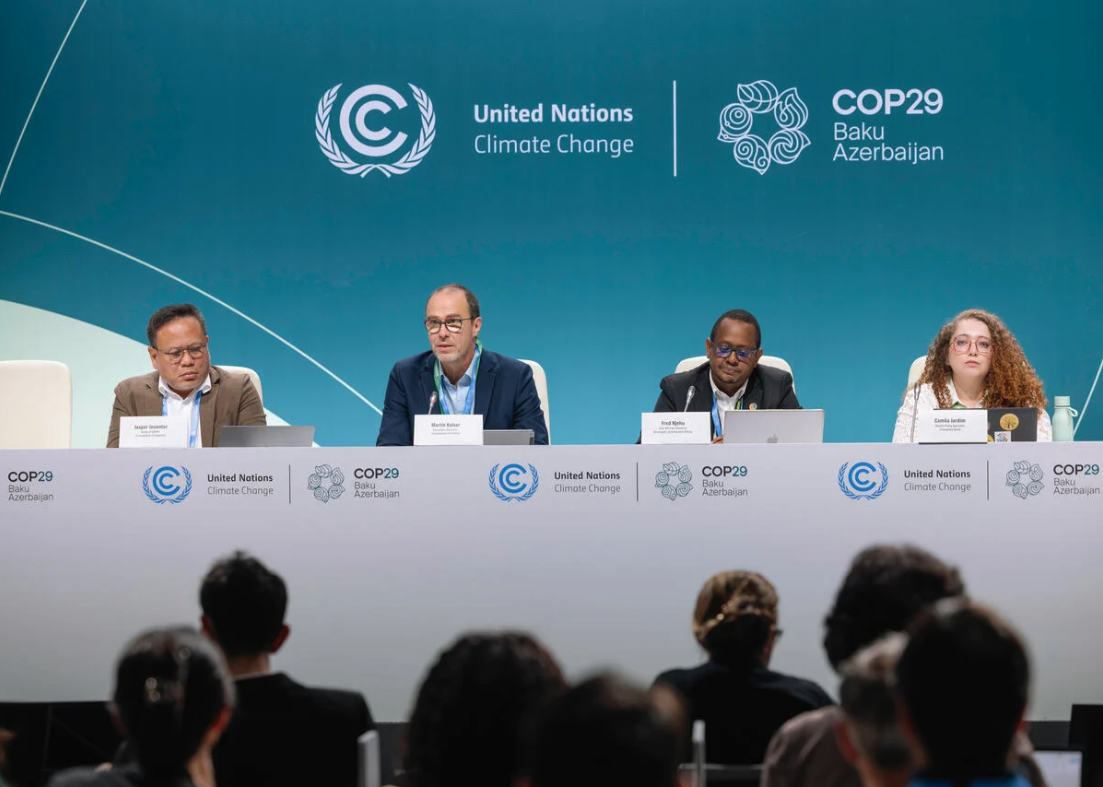
COP30 in sight: 5 things you need to know about COPs
For many people, COPs sound like endless speeches and photo ops, and sometimes they are. But they are also one of the key tools we have to tackle the climate.