The Global Ocean Treaty, dubbed one of the most significant pieces of environmental legislation in decades, will officially enter into force this Saturday [January 17], paving the way for global ocean protection on the High Seas.
Less than one percent of international waters, which make up the majority of the world’s oceans, are currently highly protected.
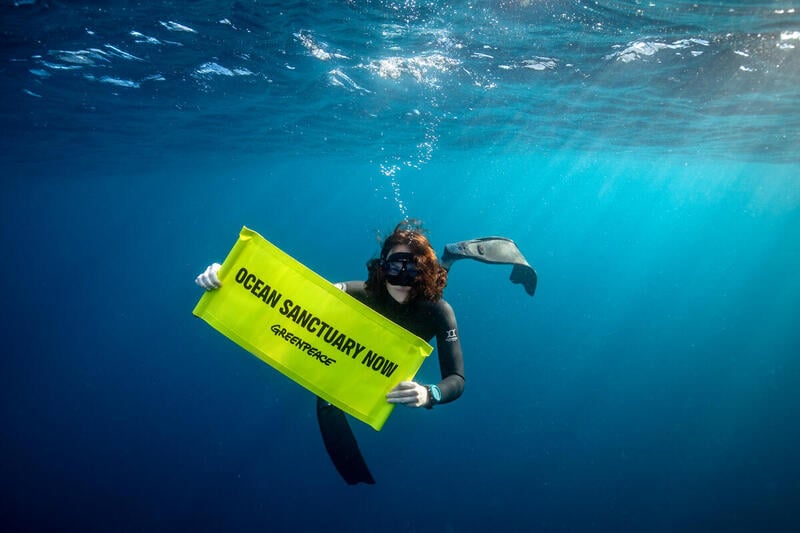
The new Treaty will provide the legal tool to make vast high seas sanctuaries around the globe possible, protected areas that will help mitigate the climate crisis, halt biodiversity collapse and safeguard food security for the billions who depend on the ocean.
Greenpeace Aotearoa campaigner Ellie Hooper says:
“Today we are celebrating this historic moment, the result of decades of tireless campaigning to protect the high seas which are home to a vast array of ocean life from coral reefs to whales and seabirds.
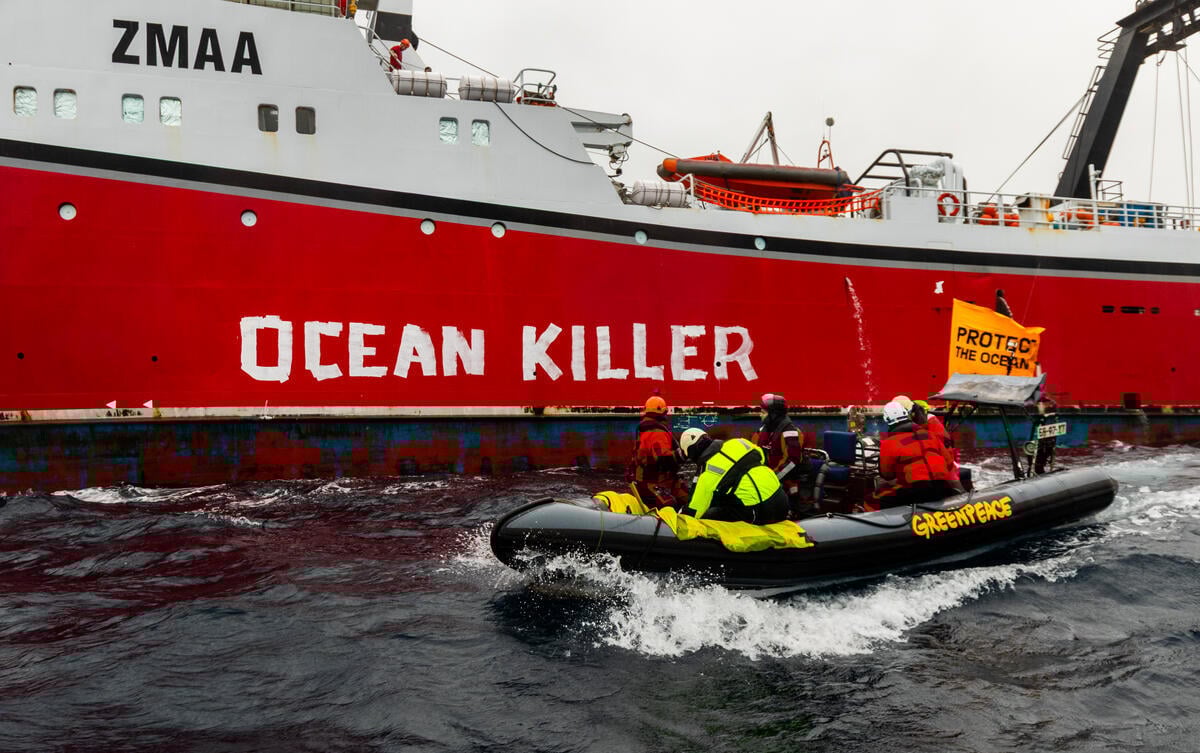
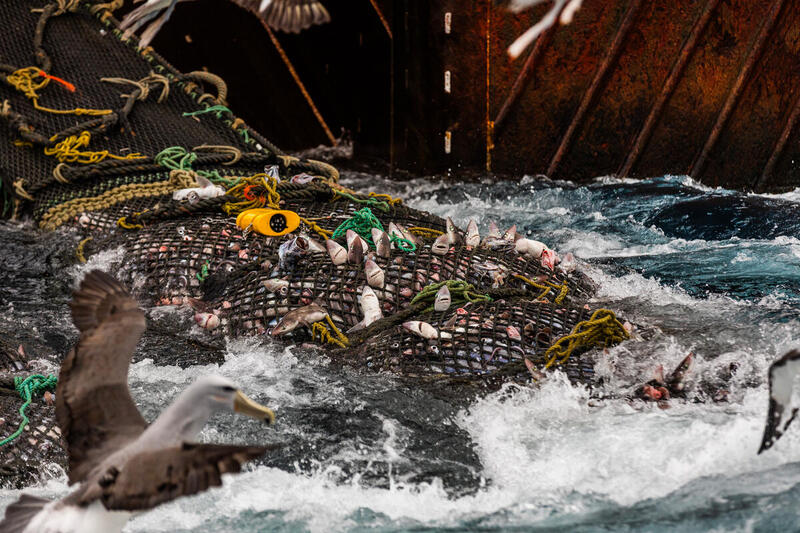
“But now the essential work of creating protected areas on the high seas must begin. This includes in the Tasman Sea, between Aotearoa and Australia, where New Zealand remains the only country still carrying out destructive bottom trawling – degrading this hugely biodiverse ecosystem and standing in the way of ocean protection.
“We are calling on the New Zealand Government to back the creation of global ocean sanctuaries and stop destructive bottom trawling from where it does the most harm.
“Time and time again we’ve seen how industrial fishing interests seek to water down ocean protection, fighting to keep destroying the ocean ecosystems that we all rely on.
“To make the most of this historic win the Government must get on with real work of creating protection, not pandering to the fishing industry who prioritise profit over the health of our blue planet.”
The New Zealand public is already onside. Recent polling shows 79% of New Zealanders support the creation of a global ocean sanctuary in the South Pacific Tasman Sea and 78% want bottom trawling banned in this area.
“The time for action is now – NZ must not delay getting behind this historic Treaty that could revolutionise the way the oceans are managed,” says Hooper.
New Zealand has not yet ratified the Global Oceans Treaty – also known as the High Seas Treaty- but was an early signer in 2023, signalling the intention to ratify.
The Treaty coming into force marks the beginning of a crucial countdown to protect 30% of the world’s ocean by 2030. Scientists have consistently said protecting a third of the world’s oceans by 2030 is critical to mitigating the dual climate and biodiversity crises.
Increasing High Seas protection from under 1% as it currently stands to 30% in the next four years will require governments to co-operate, be bold, and protect large areas of the ocean high in biodiversity values.
Greenpeace Aotearoa is urging the New Zealand Government to back the creation of a sanctuary in the Tasman Sea, which is earmarked as one of the first places in the world to be protected in a global ocean sanctuary.
Seamounts rise from deep and warm and cool currents collide in the Tasman Sea creating a globally significant area that is exceptionally abundant, from ancient corals to migrating whales, rare sharks and high diversity of fish and concentration of seabirds.
“We’ve seen for ourselves the beauty and life that thrives in the Tasman Sea”, says Hooper who led a scientific expedition to explore seamounts in the region last year.
“We also saw the impacts of bottom trawling, observing vast amounts of destroyed coral rubble along known trawl tracks. To protect the ocean for the future, New Zealand must stop bottom trawling and back meaningful ocean protection.”
Call on the Foreign Affairs Minister Winston Peters to create new global ocean sanctuaries and protect our blue planet.
Sign the petition