
News & Stories - Page 194 of 267
Filter posts
Filtered results
-

Greenpeace welcomes commitment to revoke seabed mining licence, calls for permanent ban
Greenpeace Aotearoa is applauding the Green Party’s commitment to revoke any Fast-track consents, licences, or permits issued for coal, seabed, and hardrock gold mining projects, describing it as a crucial…
-
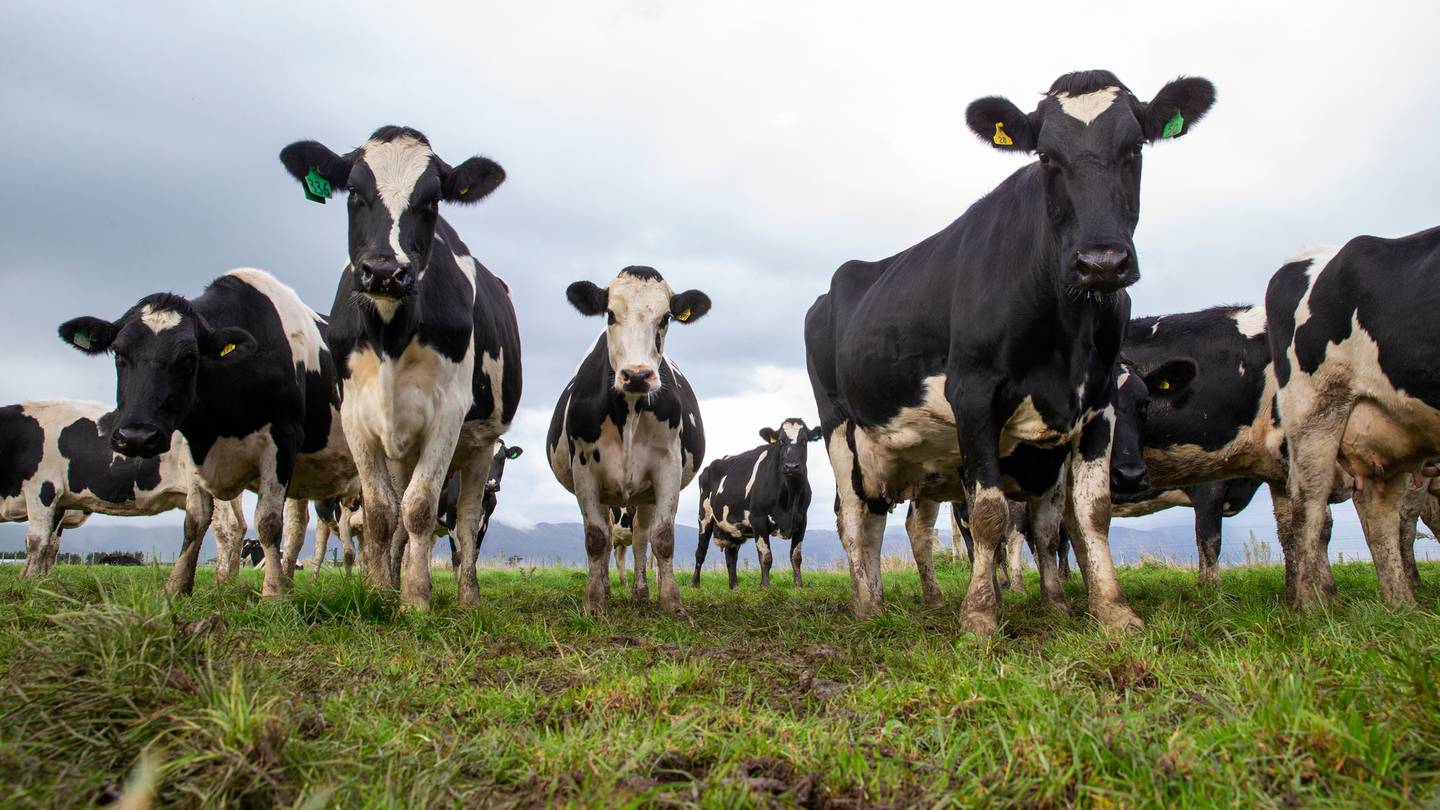
BRIEFING: Stop the First Domino – Annex 1 Countries, the Methane Threat to 1.5C and “No Additional Warming”
In the lead-up to COP30, Greenpeace warns big emitters are backsliding on climate by adopting the concept of 'no additional warming'.
-

Fonterra milking us dry and selling us out
Fonterra doesn’t care about New Zealand. That’s Greenpeace Aotearoa’s message following the confirmation of sale of Fonterra’s consumer brands.
-
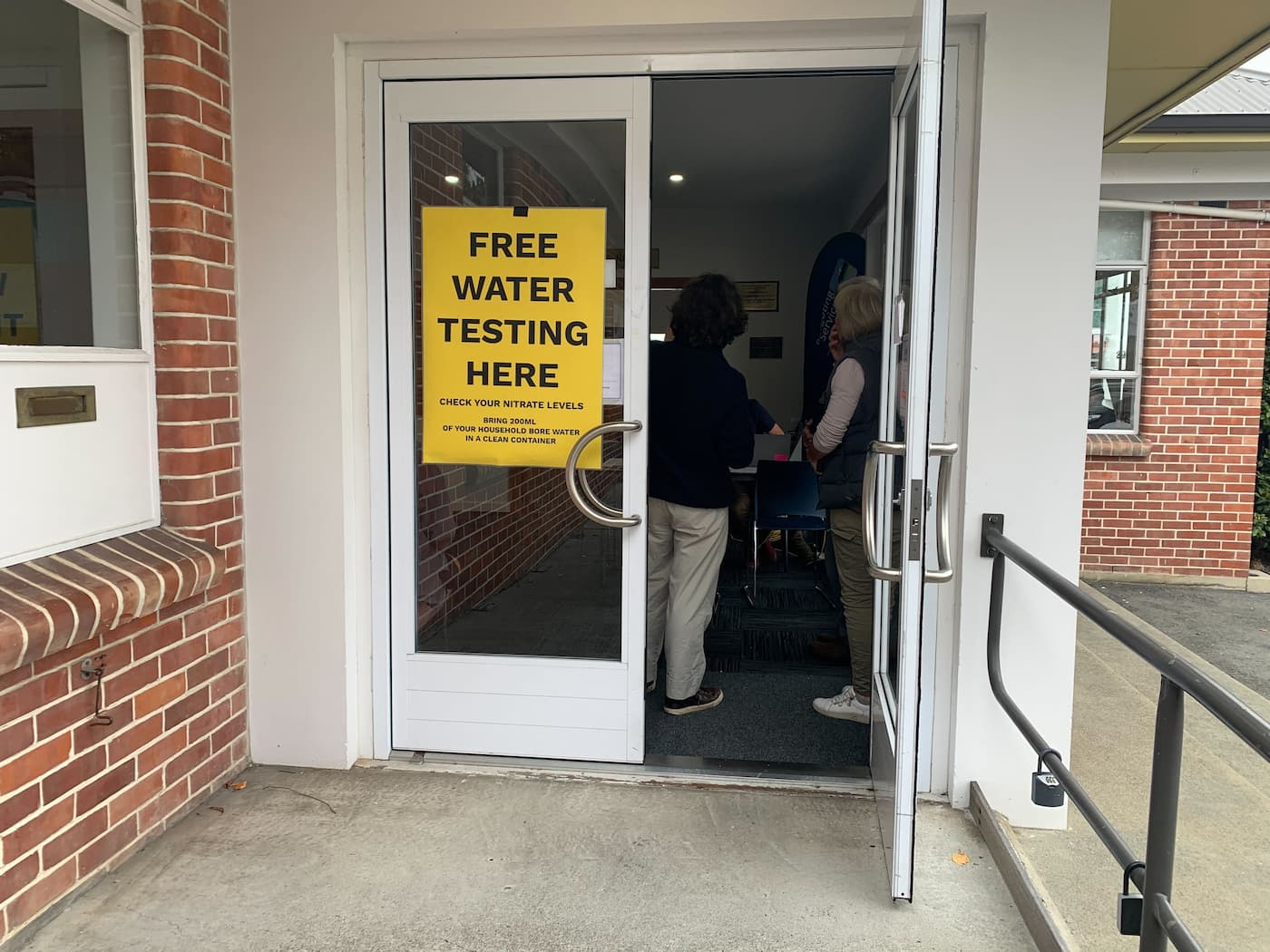
In wake of Gore nitrate concerns, Greenpeace announces free drinking water nitrate testing in Southland, Canterbury
Greenpeace will be running free nitrate testing in drinking water in Gore, Waimate, and Darfield in November.
-

The Gene Tech Bill – Too Risky Even for Fonterra and NZ First
The Luxon Government wants to remove GE safeguards and let GMOs free. Greenpeace isn’t the only one who is ringing the alarm bells.
-

Luxon’s War on Nature Timeline
It has been nearly 2 years since the formation of the Luxon-led Government. It has been two years of a war on nature.
-
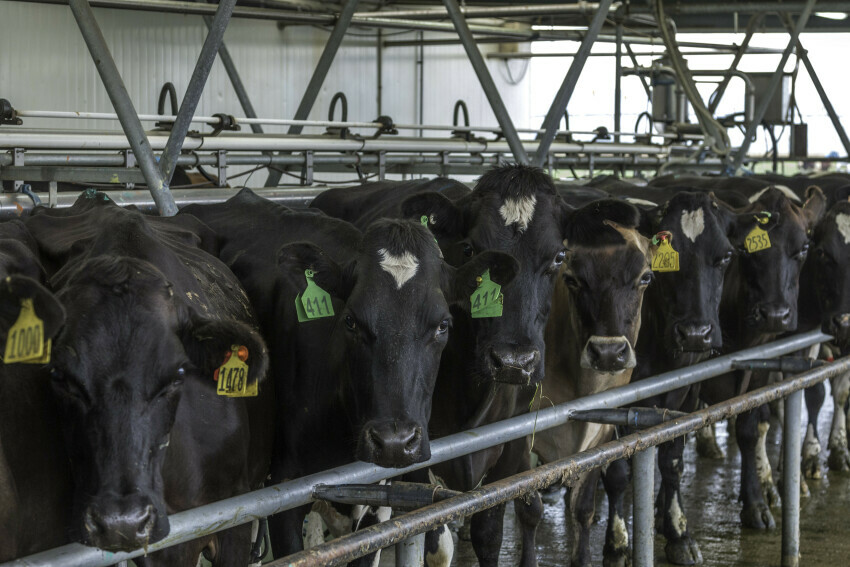
Luxon “goes full Trump” with climate-denying methane backdown
The NZ Government will rewrite NZ's once bipartisan climate change law to weaken methane targets and exclude agriculture from the ETS.
-

Greenpeace submission on the Summary Offences Amendment Bill
We thank the Select Committee for the opportunity to submit on the Summary Offences (Demonstrations Near Residential Premises) Amendment Bill.
-

Luxon’s Trump-like energy policy heads down a fossil fuel dead end
The latest energy policy initiatives announced by the Luxon Government are a desperate attempt to revive fossil fuels.
-

Seamount protection considered to protect crashed fish stock
A decision to dramatically reduce catch limits in the world’s largest orange roughy fishery is being welcomed by environmental groups, while they assert further protection is needed to prevent habitat and population collapse.