Greenpeace says that its free drinking water testing event in Ōtautau, Southland, revealed that while town water supplies in the area are relatively safe, private bore water tests showed increased nitrate levels.
The organisation is in the middle of a three-day series of drinking water testing events for nitrate contamination, with the final event tomorrow in Lumsden.
Results from testing today showed that Ōtautau’s town supply was testing at approximately 1.65 mg/L of nitrate on average. Of the samples tested, 84% were above 1 mg/L – the level associated with an increased risk of bowel cancer, and 16% of samples were above 5 mg/L – the level associated with an increased risk of preterm birth.
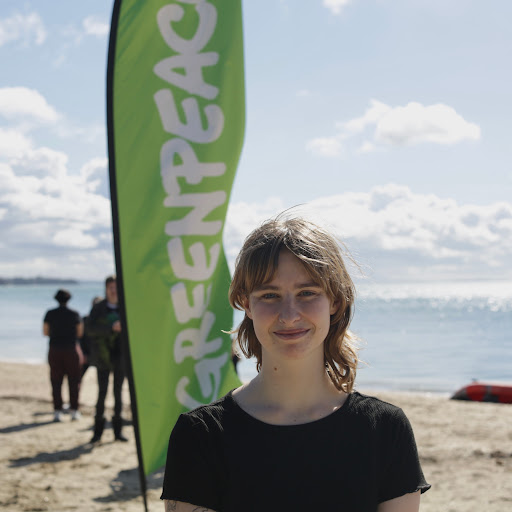
Greenpeace freshwater campaigner Will Appelbe says, “We’re encouraging everyone who is on a private bore, or is concerned about the safety of their drinking water, to come down to Lumsden tomorrow and get their water tested for nitrate.”
“Today we’ve spoken to parents, grandparents, and families who are on the frontlines of Southland’s nitrate crisis. Environment Southland’s own reports have identified that this is a growing issue for the region. And the trends show that nitrate contamination will likely get worse across 71% of groundwater monitoring sites.
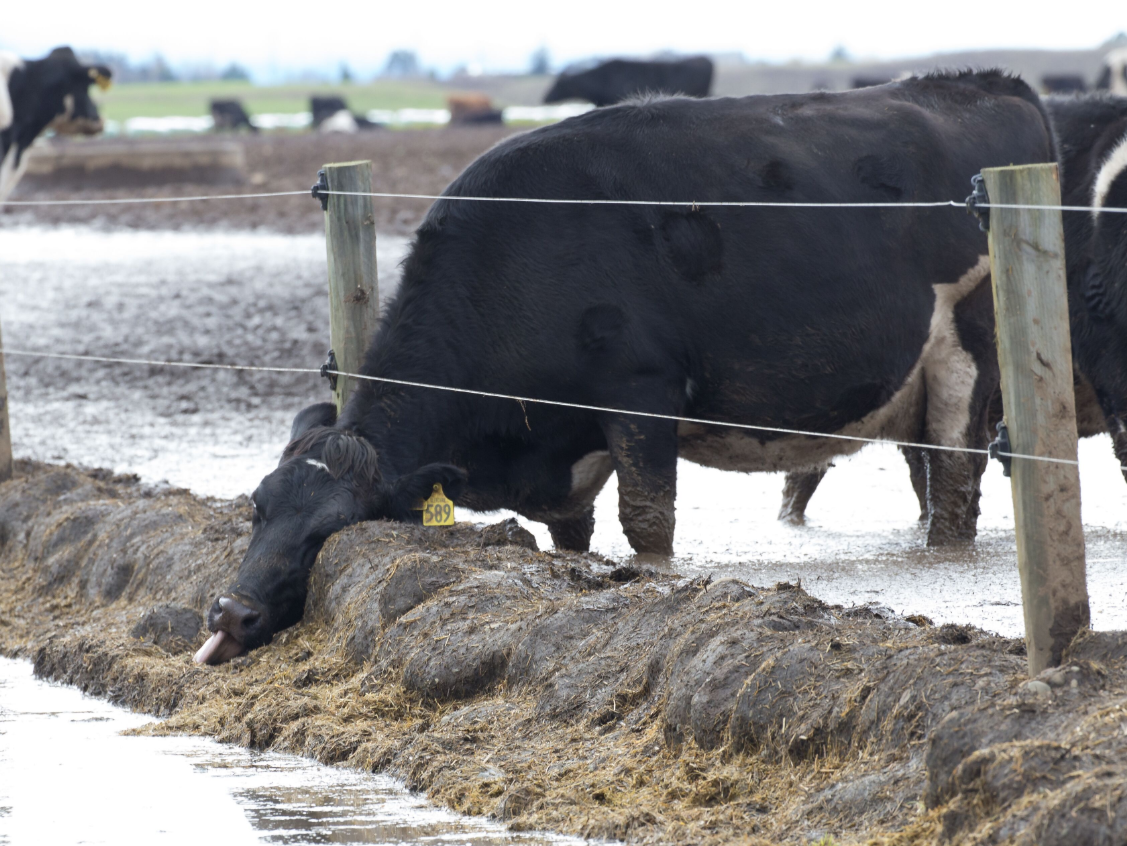
“The cause of this nitrate contamination is the intensive dairy industry, and its overuse of synthetic nitrogen fertiliser. Rural New Zealand is being poisoned by dirty dairy pollution, which means the agricultural sector must be regulated and move towards ecological, regenerative farming practices. This needs to start now.”
Greenpeace says that while the town supply in Ōtautau is low in nitrate contamination, it’s still higher than the nitrate level for most people in Aotearoa.
“80% of New Zealanders are drinking water at levels of nitrate under 1 mg/L. That’s important because long-term exposure to levels of nitrate as low as 1 mg/L is associated with an increased risk of bowel cancer.”
The organisation will be at the Lumsden Memorial Hall from 10am-3pm tomorrow. It is asking the public to bring in 200 mL of their drinking water in a clean container to get it tested.