On March 4th, 2023, after years of talks, delay and emotional rollercoaster, governments finally secured a Global Ocean Treaty.
An historic Global Ocean Treaty has finally been agreed at the United Nations after almost two decades of negotiations. This is a huge moment for conservation and a hopeful sign that in a divided world, protecting nature for the benefit of all people can triumph over geopolitics.
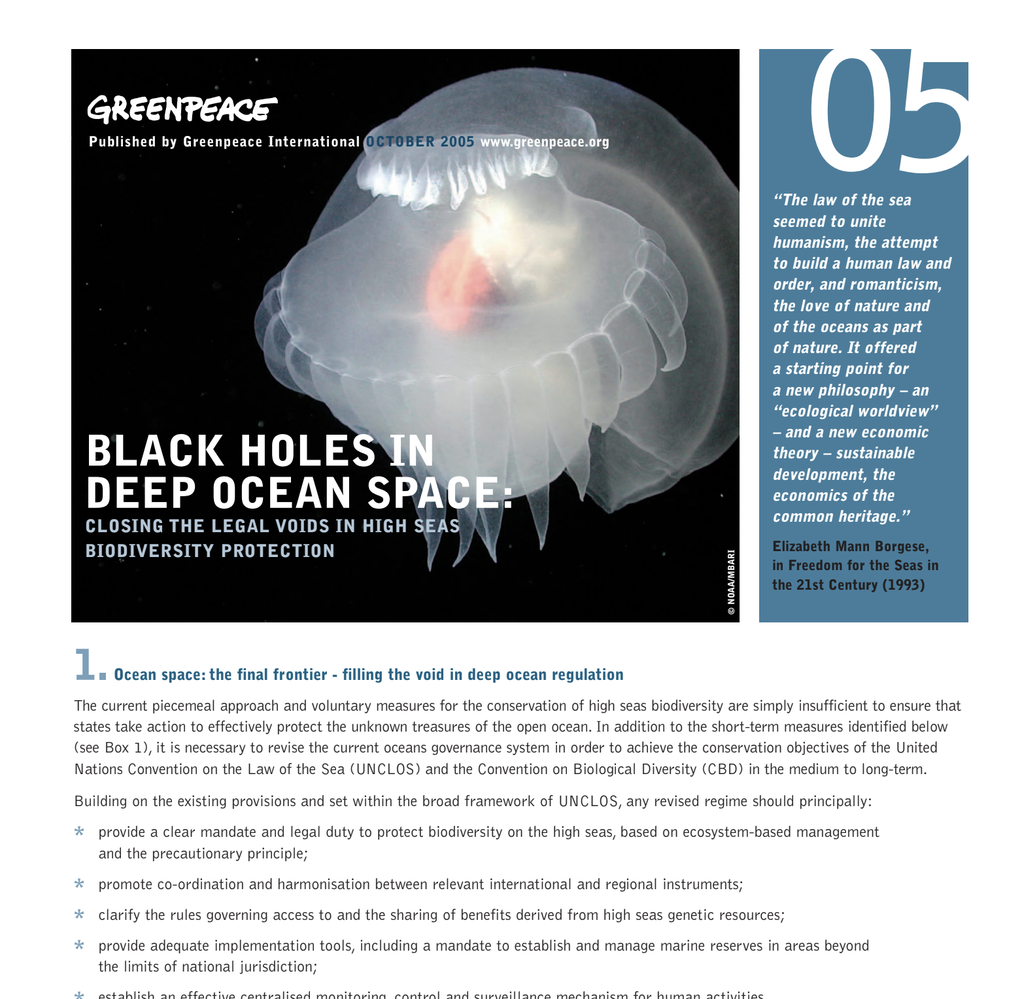
The very first Greenpeace briefing on this topic was written way back in 2005! And after years and years of campaigning by Greenpeace and our allies plus a tense final week of negotiations, world leaders finally put aside their differences for a moment and secured a Global Ocean Treaty.
This Treaty is the biggest conservation victory ever and provides a pathway to creating fully and highly protected ocean areas across the world’s oceans. Here’s a quick look at what’s been accomplished, what it took to get here, and what comes next:
What does a Global Ocean Treaty actually do?
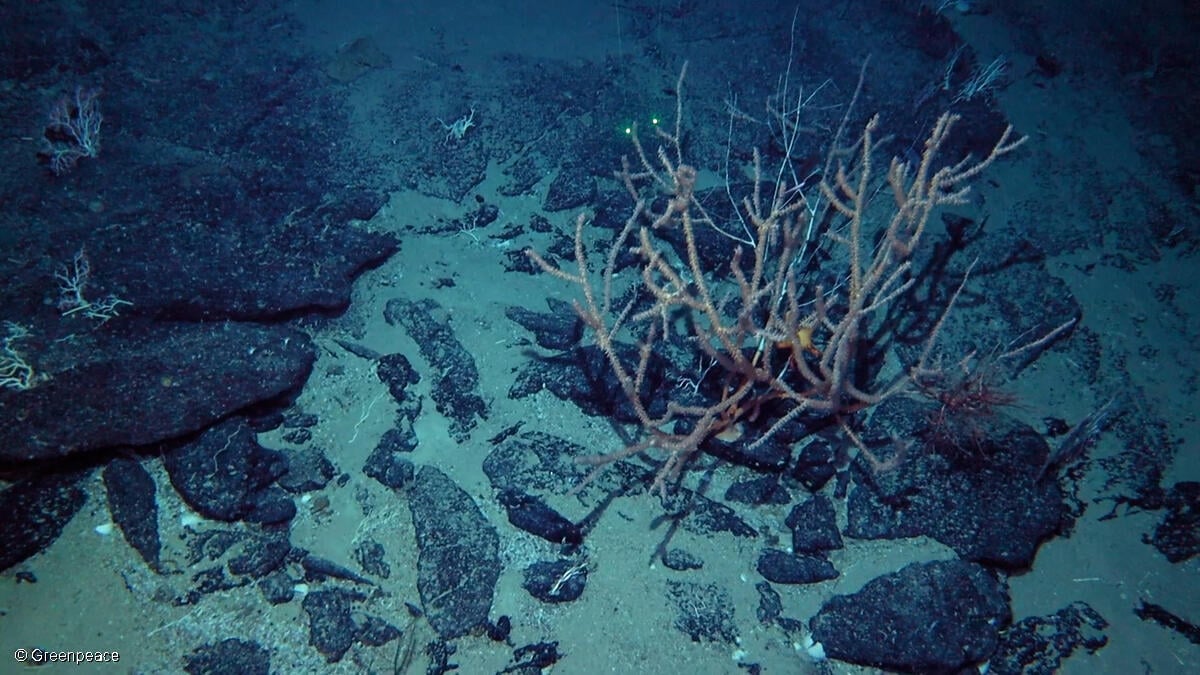
The new Global Ocean Treaty opens the door to the creation of a network of sanctuaries across the globe, areas where fragile ecosystems and marine life can recover and thrive, by keeping the 30×30 target – protecting 30% of the world’s oceans by 2030 – alive. Without a Treaty, there is no legal route to protecting large areas of international waters in ocean sanctuaries.
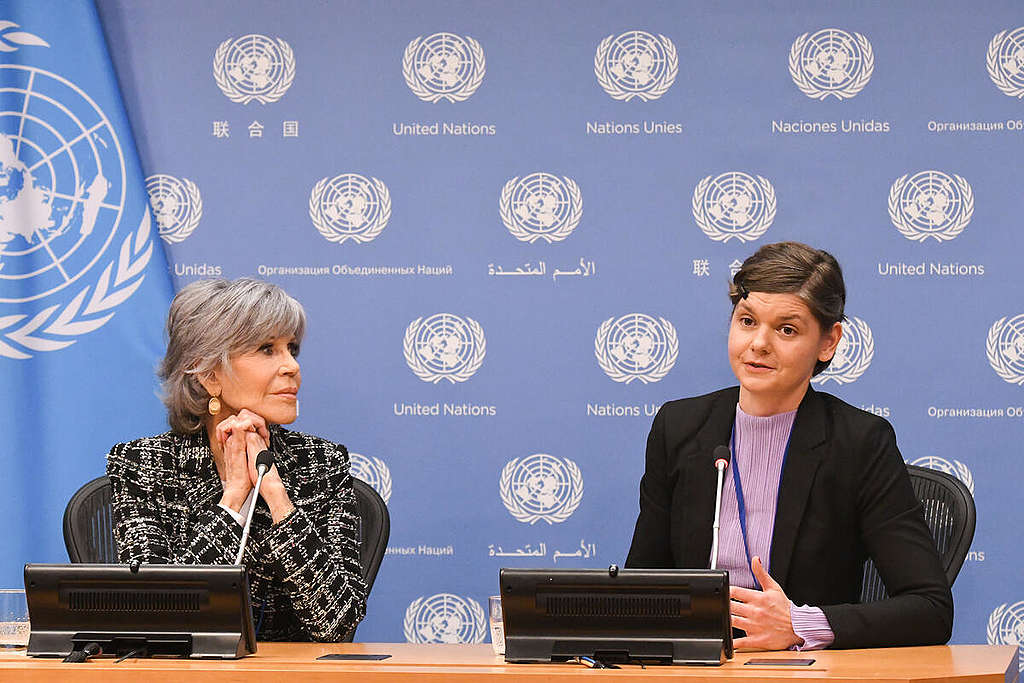
We need healthy oceans, which help combat climate change by locking away carbon, and provide food security and livelihoods to more than 3 billion people, the vast majority of whom are in the Global South.
How did we get here?
Key players were civil society. This isn’t just a victory for Greenpeace but so many organisations big and small who worked tirelessly over decades to build an incredible movement of ocean champions.
Delegates from governments around the world, who despite a lack of sleep, also worked incredibly hard to get an agreement over the line. Small Island States have shown leadership throughout the process, and the broad G77 group led the way in ensuring the Treaty can be put into practice in a fair and equitable way. The EU, US and UK, and China were key players in brokering the deal. Countries showed a willingness to compromise in the final days of talks, and built coalitions instead of sowing division.
![<!-- wp:paragraph -->
<p>Haugesund, Norway –<strong> </strong>Six Greenpeace International activists have today disembarked a Shell oil platform at the port of Haugesund, southwest Norway, after a 13-day occupation and nearly 4,000km, with police making no arrests. </p>
<!-- /wp:paragraph -->
<!-- wp:paragraph -->
<p>In a final stand at 10.30am (CET), protestors climbed the platform’s 125m flare boom, and waved a banner saying ‘Stop drilling. Start Paying.’ Meanwhile five fellow activists led by Greenpeace Southeast Asia executive director, Yeb Saño, on board Greenpeace Nordic’s 8-meter Tanker Tracker boat sailed out to confront the 51-000-tonne White Marlin vessel contracted by Shell as it approached the port. </p>
<!-- /wp:paragraph -->
<!-- wp:paragraph -->
<p>At midday the platform was brought in to dock, and protestors were able to descend the boom and disembark at 2.30pm, having traveled nearly 4,000km from where they first boarded, north of the Canary Islands.[1] It is Greenpeace’s longest ever occupation of a moving oil platform. </p>
<!-- /wp:paragraph -->
<!-- wp:paragraph -->
<p>The protestors have been calling on Shell to take responsibility for its role in causing the climate crisis, and to pay into loss and damage funds, to help countries recover from extreme weather caused by climate change. Two days into their protest, Shell posted record annual profits of nearly billion.[2] </p>
<!-- /wp:paragraph -->
<!-- wp:paragraph -->
<p><strong>Speaking from the Tanker Tracker sailboat Mr Saño, who has previously acted as lead negotiator for the Philippines at global climate talks, said: </strong>“Shell might think this is the end of our protest, but my message to chief executive Wael Sawan is that this is just the beginning. </p>
<!-- /wp:paragraph -->
<!-- wp:paragraph -->
<p>“Negotiations around climate loss and damage have so far stalled when it comes to the fundamental question of: who will pay?</p>
<!-- /wp:paragraph -->
<!-- wp:paragraph -->
<p>“Thanks to my brave fellow activists we are seeing people connecting the dots between fossil fuel mega profits and the bill for climate loss and damage.</p>
<!-- /wp:paragraph -->
<!-- wp:paragraph -->
<p>“Not only can the likes of Shell afford to pay; it is right that they must pay for devastation that they are directly causing. Shell, and the wider fossil fuel industry, must stop drilling, and start paying. One way or another we will make polluters pay.”</p>
<!-- /wp:paragraph -->
<!-- wp:paragraph -->
<p>On Tuesday January 31, Carlos Marcelo Bariggi Amara, from Argentina; Yakup Çetinkaya, from Turkey; Imogen Michel from the UK and Usnea Granger from the US, successfully boarded Shell’s 34,000 tonne oil platform, as it was being transported to the North Sea.</p>
<!-- /wp:paragraph -->
<!-- wp:paragraph -->
<p>The platform is a floating production storage and offloading [FPSO] unit destined for a major redevelopment project as Shell seeks to squeeze every last drop of oil from the Penguins field. Burning all of the oil and gas from the field redevelopment would create 45m tonnes of CO2 – more than the entire annual emissions of Norway.[3]</p>
<!-- /wp:paragraph -->
<!-- wp:paragraph -->
<p>The production platform is the first new manned vessel for Shell in the northern North Sea for 30 years. At peak production the project is expected to yield the equivalent of 45,000 barrels of oil per day, and Shell has suggested it could open up further areas for exploration.[4]</p>
<!-- /wp:paragraph -->
<!-- wp:paragraph -->
<p>After posting obscene profits, which were met with public outcry, Shell attempted to shut down the peaceful protest by securing an injunction on Friday, February 3; threatening fines and up to two years in prison.[5] </p>
<!-- /wp:paragraph -->
<!-- wp:paragraph -->
<p>But despite these court orders, Greenpeace International was able to sustain the occupation and add two more climbers – Pascal Havez from France, and Silja Zimmermann from Germany- to join the original four. </p>
<!-- /wp:paragraph -->
<!-- wp:paragraph -->
<p>On Friday, February 10, Greenpeace UK, Greenpeace International and the individual activists were then hit with a legal claim for more than 0,000, over alleged damage caused by activists. They were accused of having ‘unlawfully’ erected solar panels and a wind turbine on Shell’s oil platform, and of “intimidation” for calling on Shell to stop drilling and start paying for climate loss and damage. And the claim demanded that the campaign group – which is funded by donations – pay for increased security costs associated with the protest, and for other damage that might have occurred. With no assessment having yet taken place; the claim failed to explain exactly what the sum of over 0,000 is for, or what damage is alleged. </p>
<!-- /wp:paragraph -->
<!-- wp:paragraph -->
<p>Today, Greenpeace Nordic sent a third boat to confront Shell’s oil platform as it was brought into port in Norway. Mr Saño was accompanied by Greenpeace activists Martin Taminiau, from the Netherlands; Halvard Raavand, from Norway; Daniel Zetterström, from Sweden and Ronnie Christiansen from Denmark, holding a banner stating: Stop Drilling. Start Paying. </p>
<!-- /wp:paragraph -->
<!-- wp:paragraph -->
<p>As the oil platform was brought into port, the six activists involved in the occupation were able to peacefully disembark, with Norwegian police making no arrests. </p>
<!-- /wp:paragraph -->
<!-- wp:paragraph -->
<p>The fortnight of protests has seen activists come together from Argentina, Cameroon, Denmark, France, Germany, Italy, Lebanon, the Netherlands, Norway, the Philippines, South Africa, Sweden, Turkey, the UK and the US to call for climate justice.[6]</p>
<!-- /wp:paragraph -->
<!-- wp:paragraph -->
<p>ENDS</p>
<!-- /wp:paragraph -->
<!-- wp:paragraph -->
<p>Pics and video from TODAY available in the <a href="https://media.greenpeace.org/collection/27MZIFJLNG27J">Greenpeace Media Library</a>. </p>
<!-- /wp:paragraph -->
<!-- wp:paragraph -->
<p><strong>Notes</strong></p>
<!-- /wp:paragraph -->
<!-- wp:paragraph -->
<p><strong>Timeline</strong></p>
<!-- /wp:paragraph -->
<!-- wp:list -->
<ul><!-- wp:list-item -->
<li><strong>Jan 31: </strong>From inflatable boats launched from the Arctic Sunrise ship, four activists board the oil platform in the Atlantic Ocean.</li>
<!-- /wp:list-item -->
<!-- wp:list-item -->
<li><strong>Feb 6: </strong>Two more activists board from small inflatable boats, with the Merida sailboat bearing witness in the Channel.</li>
<!-- /wp:list-item -->
<!-- wp:list-item -->
<li><strong>Feb 12:</strong> Tanker tracker sailboat confronts in Norwegian port of Haugesund. </li>
<!-- /wp:list-item --></ul>
<!-- /wp:list -->
<!-- wp:list -->
<ul><!-- wp:list-item -->
<li>Photos and video from the original action on Tuesday 31st available <a href="https://media.greenpeace.org/collection/27MZIFJLPHQ6K">here</a>. </li>
<!-- /wp:list-item -->
<!-- wp:list-item -->
<li>Photos from the London protest on February 2 available <a href="https://media.greenpeace.org/collection/27MZIFJLPHUYD">here</a>. </li>
<!-- /wp:list-item -->
<!-- wp:list-item -->
<li>Photos and video from the second boarding, on Monday February 6, available from <a href="https://media.greenpeace.org/collection/27MZIFJLPH0D4">here</a> and pics from the protest in the Philippines available <a href="https://media.greenpeace.org/collection/27MZIFJLCVZJY">here</a>. </li>
<!-- /wp:list-item --></ul>
<!-- /wp:list -->
<!-- wp:paragraph -->
<p>[1] The first four activists have traveled 3,983km since boarding Shell’s oil platform north of the Canary Islands. </p>
<!-- /wp:paragraph -->
<!-- wp:paragraph -->
<p>[2] <a href="https://www.theguardian.com/business/2023/feb/02/shell-profits-2022-surging-oil-prices-gas-ukraine#:~:text=Boosted%20by%20record%20oil%20and,bn%20notched%20up%20in%202021.">Calls for bigger windfall tax after Shell makes ‘obscene’ bn profit</a></p>
<!-- /wp:paragraph -->
<!-- wp:paragraph -->
<p>[3] <strong>Burning all of the oil and gas from the Penguins field would create 45m tonnes of CO2 – more than the entire annual emissions of Norway</strong> </p>
<!-- /wp:paragraph -->
<!-- wp:list -->
<ul><!-- wp:list-item -->
<li>Norway’s annual emissions for 2021 were 40,918,550.00 t, according to <a href="https://ourworldindata.org/co2-dataset-sources">Our World in Data</a>. </li>
<!-- /wp:list-item -->
<!-- wp:list-item -->
<li>Ecuador’s annual emissions for 2021 were 41,321,736.00 t, according to <a href="https://ourworldindata.org/co2-dataset-sources">Our World in Data</a>. </li>
<!-- /wp:list-item -->
<!-- wp:list-item -->
<li>According to Rystad, the Penguins redevelopment contains 79.9 (Oil mBOE) and 209.8 (Gas BCF).</li>
<!-- /wp:list-item -->
<!-- wp:list-item -->
<li>Using the multipliers found in the <a href="https://www.epa.gov/energy/greenhouse-gases-equivalencies-calculator-calculations-and-references">EPA calculator</a> we get the below figures.</li>
<!-- /wp:list-item -->
<!-- wp:list-item -->
<li>79.9 (Oil mBOE) x 0.42 (EPA Multiplier) = <strong>33,516,000 tonnes CO2e</strong></li>
<!-- /wp:list-item -->
<!-- wp:list-item -->
<li>209.8 (Gas BCF) x 54,740 (EPA Multiplier) = <strong>11,489,926 tonnes CO2e</strong></li>
<!-- /wp:list-item -->
<!-- wp:list-item -->
<li>11,489,926 tonnes CO2e + 33,516,000 tonnes CO2e = 45,005,926 tonnes CO2e</li>
<!-- /wp:list-item --></ul>
<!-- /wp:list -->
<!-- wp:paragraph -->
<p>[4] <strong> </strong><a href="https://www.upstreamonline.com/weekly/penguins-growth-strategy/2-1-333207"><strong>Penguins growth strategy, Upstream, 2018</strong></a></p>
<!-- /wp:paragraph -->
<!-- wp:paragraph -->
<p>[5] <a href="https://www.theguardian.com/business/2023/feb/02/shell-profits-2022-surging-oil-prices-gas-ukraine">Calls for bigger windfall tax after Shell makes ‘obscene’ bn profit</a></p>
<!-- /wp:paragraph -->
<!-- wp:paragraph -->
<p>[6] <strong>SHELL OIL PLATFORM PROTEST – FULL TIMELINE</strong></p>
<!-- /wp:paragraph -->
<!-- wp:paragraph -->
<p><strong>Tuesday January 31. </strong>Four Greenpeace International protestors: Carlos Marcelo Bariggi Amara, from Argentina; Yakup Çetinkaya, from Turkey; Imogen Michel from the UK and Usnea Granger from the US, successfully board Shell’s oil platform in the Atlantic Ocean, north of the Canary Islands from RHIBs launched from the Arctic Sunrise ship.</p>
<!-- /wp:paragraph -->
<!-- wp:paragraph -->
<p><strong>Thursday February 2. </strong>Greenpeace UK stages a protest at Shell’s London headquarters, as the company announces record profits of nearly bn.</p>
<!-- /wp:paragraph -->
<!-- wp:paragraph -->
<p><strong>Friday February 3.</strong> Shell takes out an injunction against the four Greenpeace activists, threatening fines and up to two years in jail. It seeks to block further protests by including the Greenpeace UK Sea Beaver vessel in the court order.</p>
<!-- /wp:paragraph -->
<!-- wp:paragraph -->
<p><strong>Monday February 6.</strong> Another two activists, Pascal Havez from France, and Silja Zimmermann from Germany, successfully board the oil platform at sea; with three more activists – Nonhle Mbuthuma from South Africa; Hussein Ali Ghandour, from Lebanon; and Noa Helffer, from Italy – protesting in solidarity from Greenpeace’s Merida trimaran vessel, bearing witness.</p>
<!-- /wp:paragraph -->
<!-- wp:paragraph -->
<p>On the same day, activists in the Philippines stage a protest at Shell’s headquarters there. </p>
<!-- /wp:paragraph -->
<!-- wp:paragraph -->
<p><strong>Tuesday February 7</strong> – Shell’s lawyers ask the High Court in London to greatly broaden the existing injunction, but are largely reb■, despite the defendants’ admission more protest is planned. </p>
<!-- /wp:paragraph -->
<!-- wp:paragraph -->
<p><strong>Friday February 10: </strong>As part of the injunctions Shell has secured, damages upwards of £100,000 are being sought from Greenpeace.</p>
<!-- /wp:paragraph -->
<!-- wp:paragraph -->
<p><strong>Sunday February 12. </strong>Greenpeace Southeast Asia executive director, <a href="https://metro.co.uk/2023/02/08/ive-lost-loved-ones-to-climate-change-i-want-oil-companies-to-pay-18244082/">Yeb Saño</a>, on board Greenpeace Nordic’s 8-meter Tanker Tracker sailboat, faces down the monster 51,000-tonne heavy lift vessel in a final stand. He is accompanied by activists Martin Taminiau, the Netherlands; Halvard Raavand, from Norway; Daniel Zetterström, from Sweden and Ronnie Christiansen from Denmark.</p>
<!-- /wp:paragraph -->
<!-- wp:paragraph -->
<p><strong>Contacts</strong></p>
<!-- /wp:paragraph -->
<!-- wp:paragraph -->
<p>Emily Davies, Greenpeace Global Press Lead: +44 7870 260 213, <a href="mailto:emily.davies@greenpeace.org">emily.davies@greenpeace.org</a> </p>
<!-- /wp:paragraph -->
<!-- wp:paragraph -->
<p>Greenpeace International Press Desk: +31 (0)20 718 2470 (available 24 hours), <a href="mailto:pressdesk.int@greenpeace.org">pressdesk.int@greenpeace.org</a></p>
<!-- /wp:paragraph -->
<!-- wp:paragraph -->
<p>Follow <a href="https://twitter.com/Greenpeacepress">@greenpeacepress</a> on Twitter for our latest international press releases.</p>
<!-- /wp:paragraph -->](https://www.greenpeace.org/static/planet4-international-stateless/2023/02/7216fee1-gp0stvhrv-1024x684.jpg "Activist display a banner on the street outside of the UN building that reads: ‘Ocean Treaty Now’")
One thing is for certain, it wouldn’t have been possible without years of relentless people power efforts. 5,540,513 people from around the world signed the petition, building a movement that protects our oceans and the billions who depend on them.
Campaigning to save life on our planet can sometimes feel like a daunting task, and it’s easy to become disheartened.The very first Greenpeace briefing on this topic was written way back in 2005! The treaty has had many names over the years, but the core goal remained the same – we needed oceans to be protected. This monumental win for ocean protection reminds us that taking action makes a difference and that people power works!
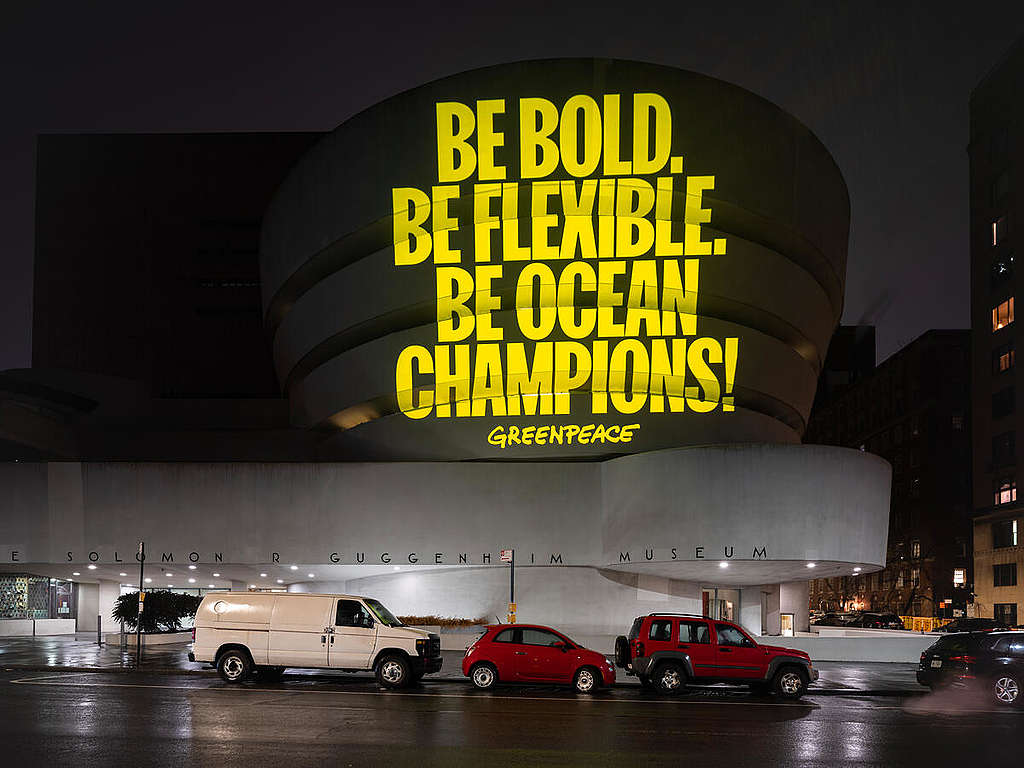
What comes next?
The text will now go through technical editing and translation, before officially being adopted at another session by member states. While there are still major issues in the text, it is a workable Treaty that is a starting point for protecting 30% of the world’s oceans.
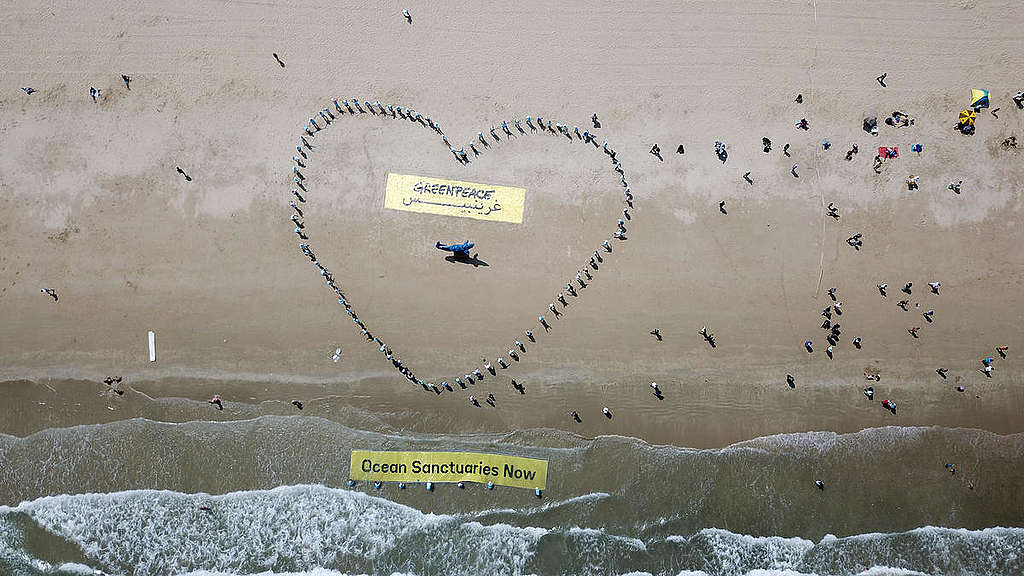
There will be more to do to protect our oceans, and put these promises into practice, but for now, let’s take a minute to appreciate what together we have achieved.
Share the video and tell others the good news.
Thanks for all you have done to help make this victory possible!
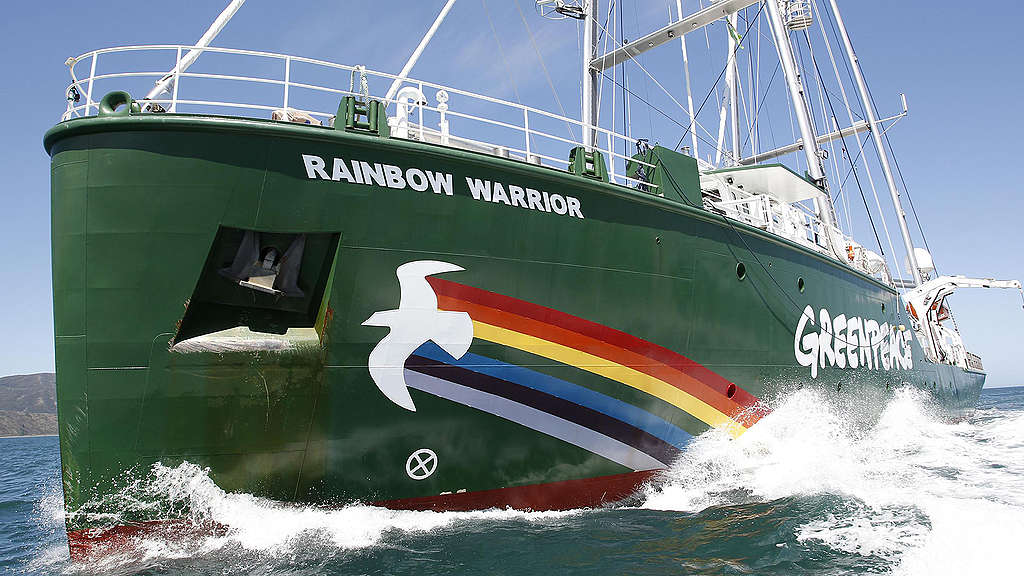
Take action for environmental protection. Please make a donation today. Greenpeace exists because this fragile earth deserves a voice. It needs solutions. It needs change. It needs action.
Donate