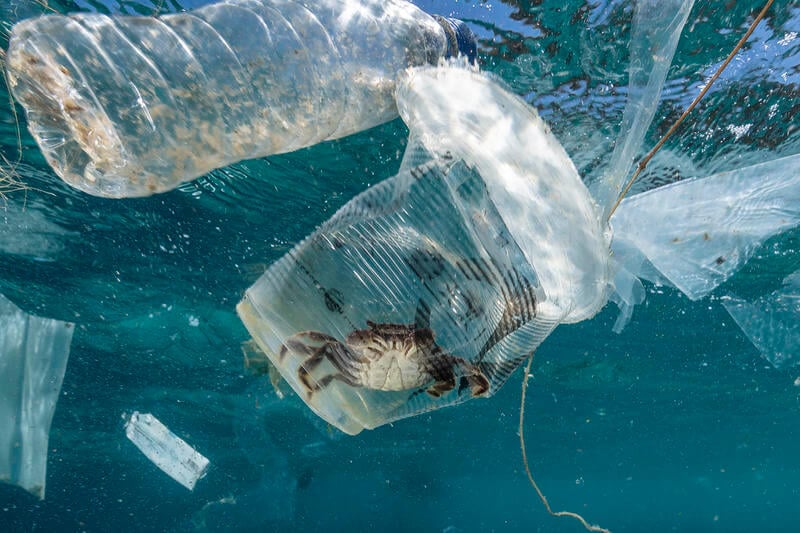
Plastic is everywhere — in the air we breathe, the water we drink, the food we eat and the clothes we wear. Microplastics have found their way to our blood and organs. Scientists are only beginning to understand the long-term effects of plastics on our health, but many of the chemicals present in plastic are linked to serious health issues such as endocrine disruption, insulin resistance, and decreased reproductive health.
Whether you’re here because ‘The Plastic Detox’ spooked you, or because the first signs of Spring inspired a good clean, here are five actionable ways to reclaim your home from the plastic tide.
1. Choose your cookware with care
Various kitchenware items in our homes contain plastic: large plastic spatulas and spoons, sieves and strainers, cutting boards, storage containers, sippy cups, electric kettles, blenders and Teflon or coated pans all can contain or are made from plastic. A recent report by Greenpeace International shows that plastic food packaging—commonly used for ready meals and takeaways—is exposing us to serious health risks, especially when heated.
It’s not easy or affordable to do a full kitchen overhaul, but you can start by doing small changes like ditching plastic cutting boards, never heating plastic, reusing glass jars to store food, and using stainless steel or cast iron instead of coated pots and pans.
2. Refuse, reuse and refill
Plastic-lined coffee cups, “bioplastic” packaging and cutlery, and even take-out containers labeled as reusable, can contaminate our food and our bodies with microplastics and chemicals. Refusing unnecessary items like disposable cups, plastic bags, and single-use cutlery not only reduces your consumption, but also sends a powerful message to those around you. Tell the restaurant or store why it’s a no for you—the more they hear it the more likely they’ll also make the change.
A big part of being able to refuse single-use items at all is remembering to bring something reusable instead. Cloth shopping bags, stainless steel water bottles and travel containers are all great—that is, if you’ve remembered to bring them with you. Get in the habit of leaving your home with your keys, wallet, and reusable coffee cup, or keep spare cutlery and containers with you at work. At home, ditch the single-use plates, cups, and cutlery and just use what you have on hand. Crowd source dishware when needed—that’s what friends are for.
3. Polyester is just another way of saying plastic
Once you have the courage to browse through your wardrobe, or your blankets and textile home decor, you might notice how much of it is made from polyester. About 60 per cent of material made into clothing is plastic, which includes polyester, acrylic and nylon textiles. These synthetic textiles can shed microplastics when we wear, use and wash them.
Next time you go (second-hand) shopping, check the label and prioritize natural fibers such as organic cotton, linen, hemp and wool. If you already own synthetics, you could consider using a specialized laundry bag or a microfiber filter on your washing machine to catch the shed before it hits the waterways. And keep high shedding items out of regular use, especially around little ones!
4. Support businesses doing the right thing
Corporations are at the forefront of plastic pollution — not only as the main producers and users of single-use plastic, but also as potential innovators and adopters of alternatives and solutions. Many companies already know that ditching plastics isn’t just good for the environment, it’s good for business, too! In fact, research has found that zero waste approaches create over 200 times more jobs than disposal-based systems that primarily burn or bury waste. You may or may not have a local low-waste shop, but there are many other ways businesses can do their best.

“Champions of Change” are leading the way. These companies are aiming to operate without contributing to the plastic crisis. Vancouver-based Nomad Coffee is one of them. Founder Annette Kim shares that “At Nomad Coffee, we believe that great coffee shouldn’t come at the planet’s expense. That’s why we operate as a BYOC (Bring Your Own Cup) coffee shop. Every cup of coffee we serve is a step toward eliminating single-use waste. We’re proving that exceptional coffee experiences and environmental responsibility can go hand in hand.”
Many people living in Canada don’t have access to zero waste or plastic-free alternatives. That’s why pushing big supermarket chains, coffee shops and other retailers to stop pushing so much plastic is another key way to speed up the shift to the world we need to protect people and the planet.
5. Add your name for a strong Global Plastics Treaty
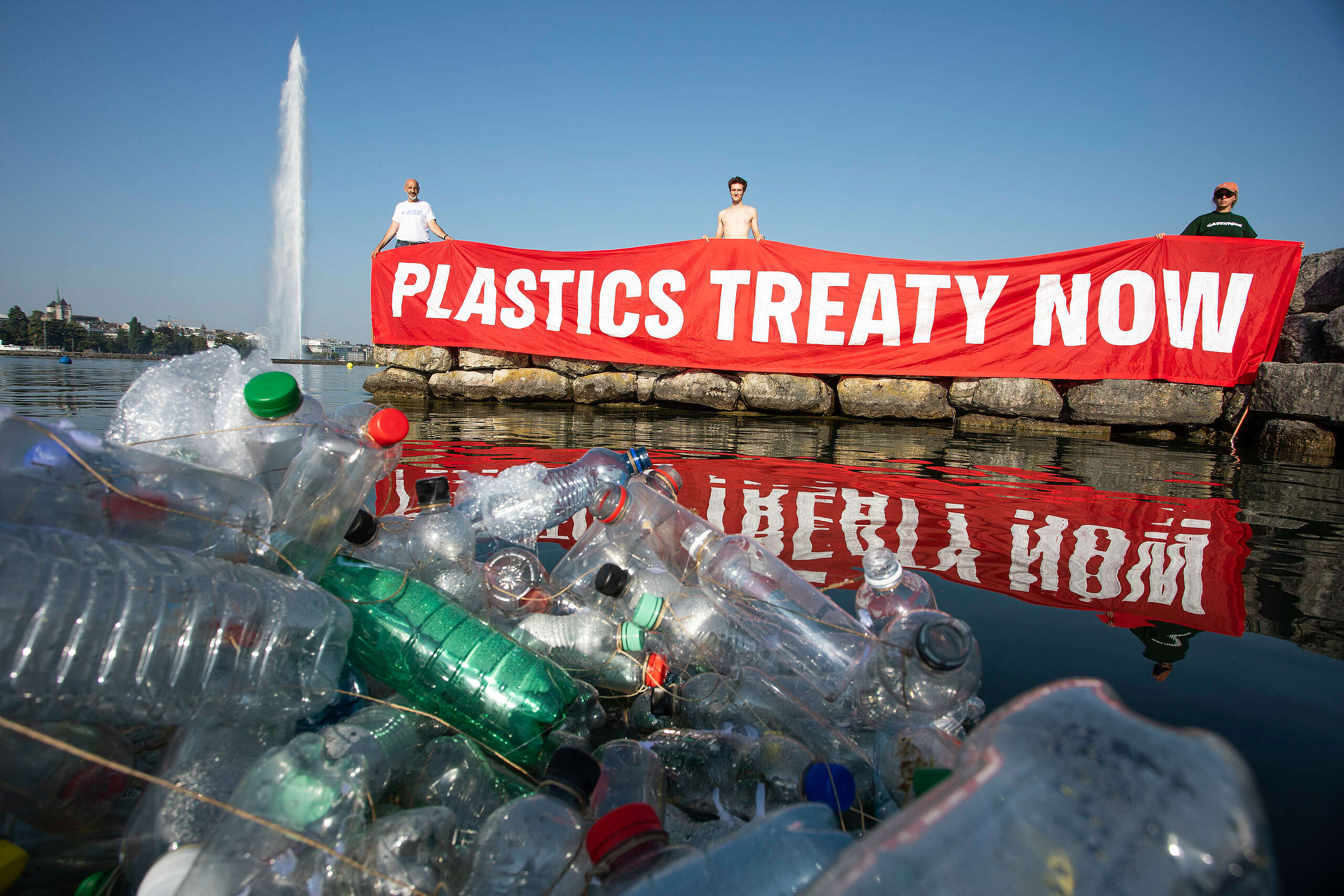
Trying to dodge plastic can be exhausting. If you’re feeling overwhelmed, you’re not alone. We can only do so much within this plastic-obsessed system. Plastic producers and polluters need to be held accountable, and governments need to act faster to protect the health of people and the planet. The plastic crisis is a global problem demanding a global solution. We urgently need global governments to secure a strong UN Global Plastics Treaty that reduces global production and consumption, ends our reliance on problem plastics and chemicals, and accelerates a justice-centred transition to a reuse-based, zero waste future. Now is the time to ensure that the Canadian government doesn’t waste this once-in-a-generation opportunity to end the age of plastic.
If world leaders get it right, a strong Global Plastics Treaty has the potential to end the age of plastic – for good. Join the campaign now!
Take action