
All articles
-
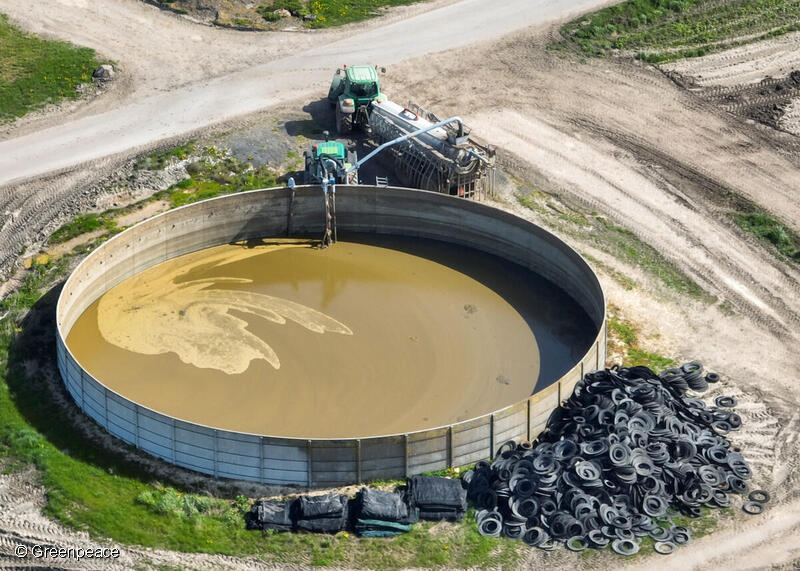
Methane, ammonia and nitrate pollution from animal farming
The vast majority of Europe's farmland is dedicated to feeding an increasing number of farm animals for meat, dairy and eggs. This huge overproduction of animals brings dangerous levels of pollution.
-
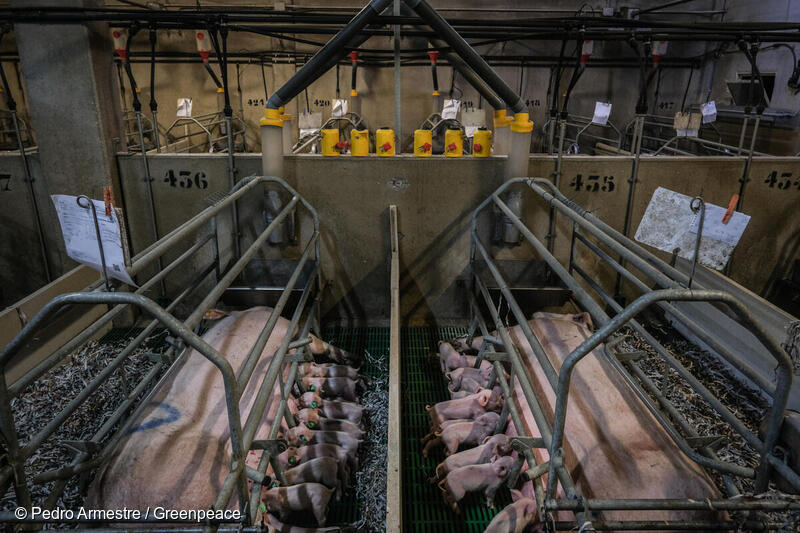
Environment MEPs vote to cut livestock pollution
The European Parliament’s environment committee today voted to strengthen the EU’s industrial emissions rules by including the largest cattle farms for the first time.
-
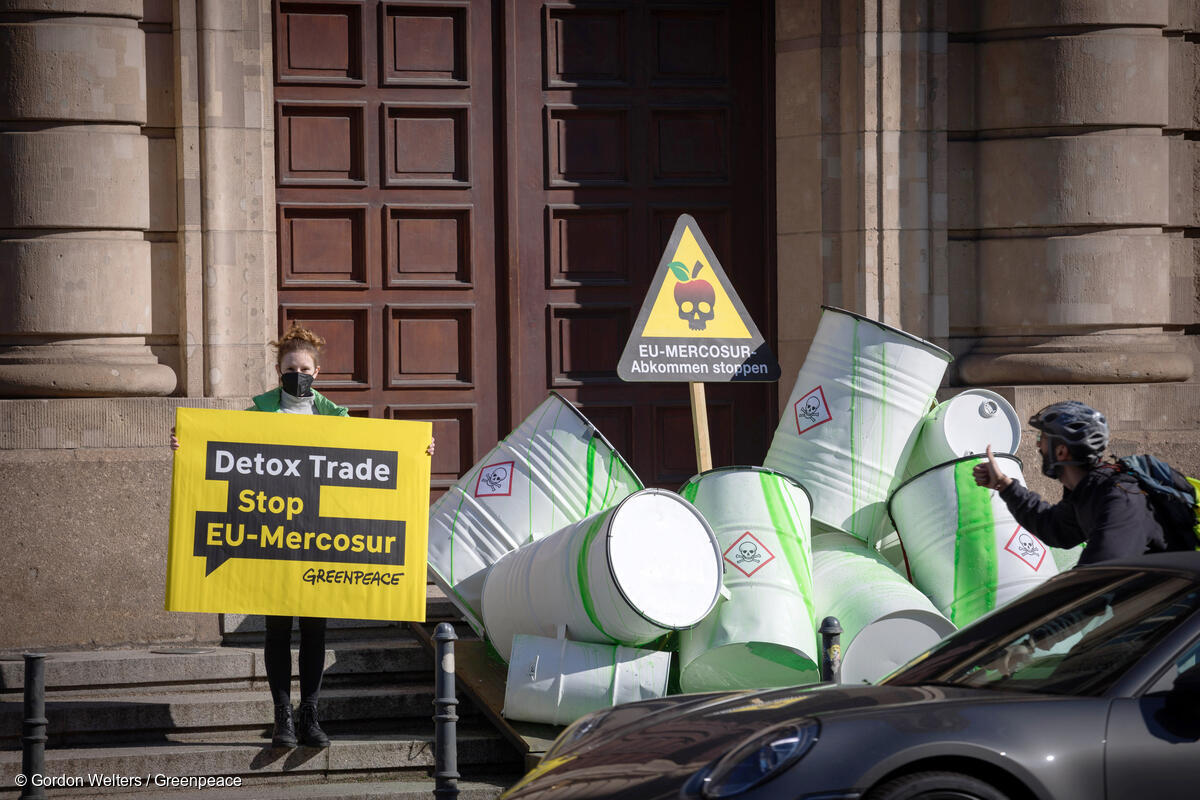
EU-Mercosur: a nightmare for nature
For more than 20 years, the European Union and the Mercosur countries struggled to negotiate over a trade agreement. Finally, while Brazil was under the leadership of Bolsonaro
-
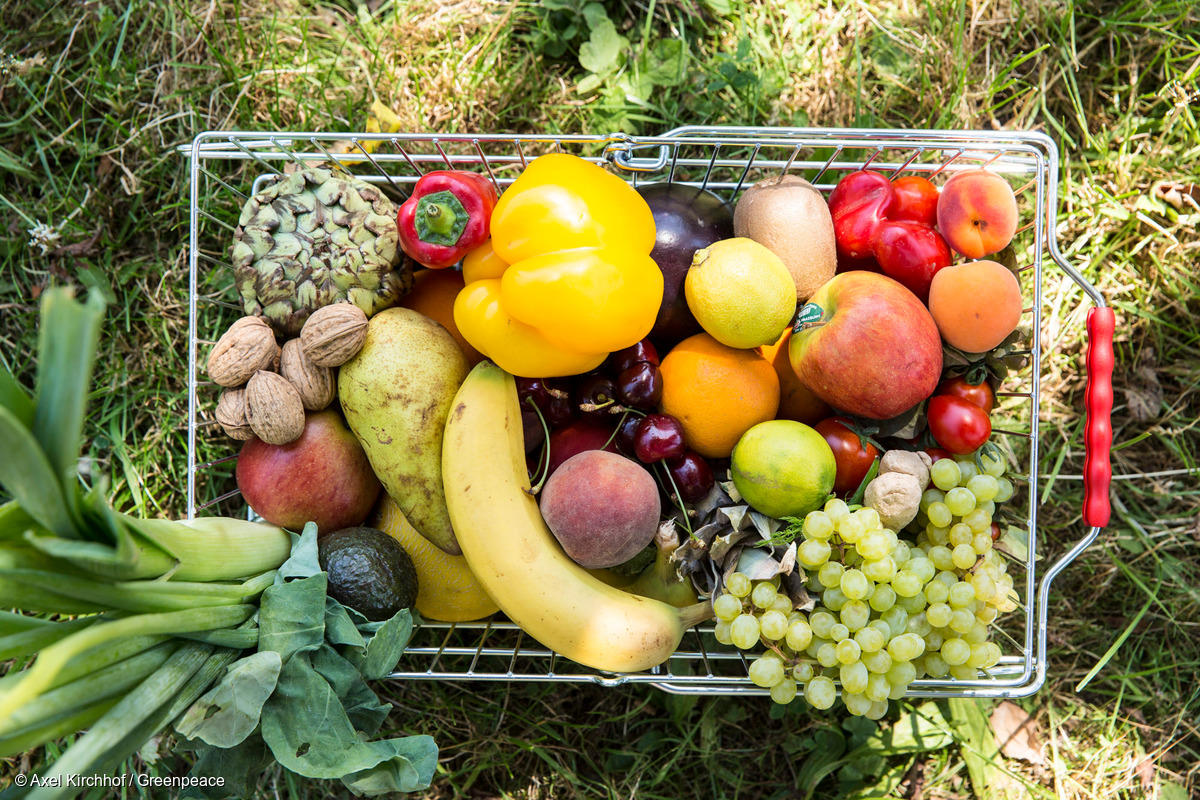
EU must publish sustainable food system plan
286 organisations urge European Commission president to stick to Sustainable Food System law timeline
-
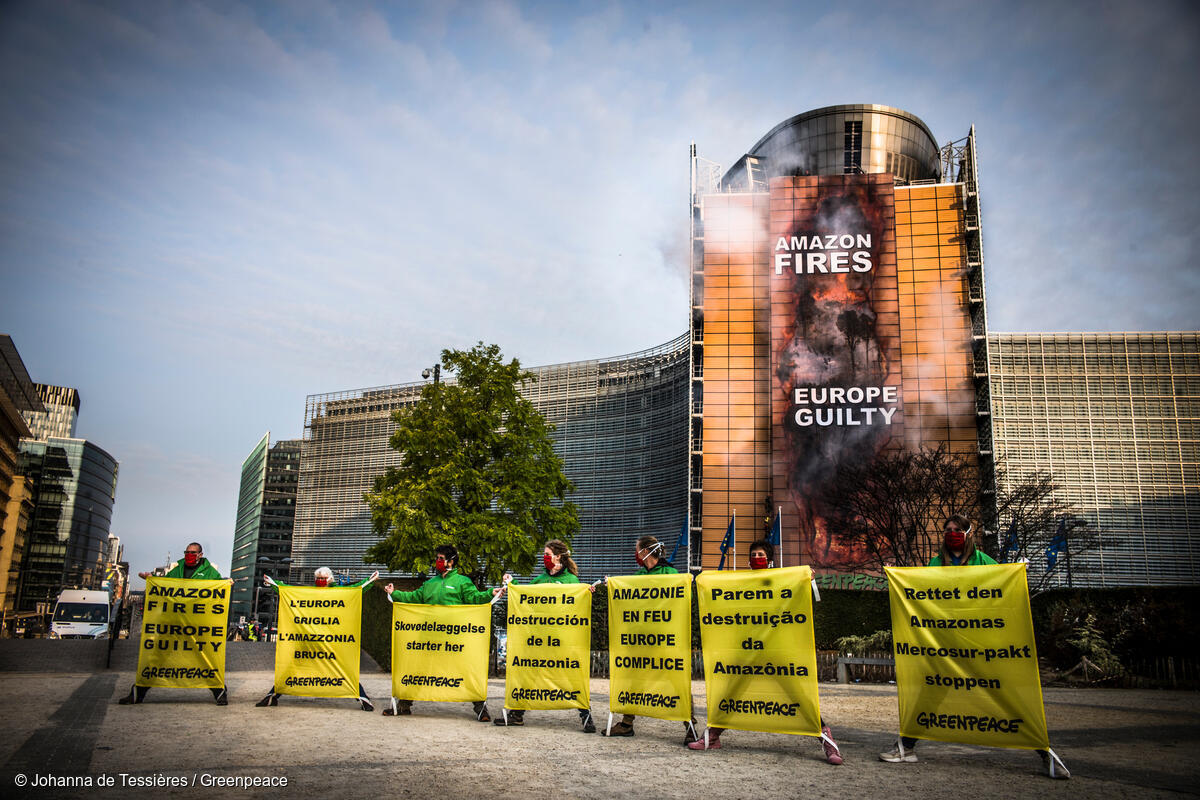
Chainsaws fall silent: EU agrees deforestation law
Brussels – In a world first, companies will have to show that their products have not contributed to deforestation if they want to sell them in the EU, after negotiations…
-
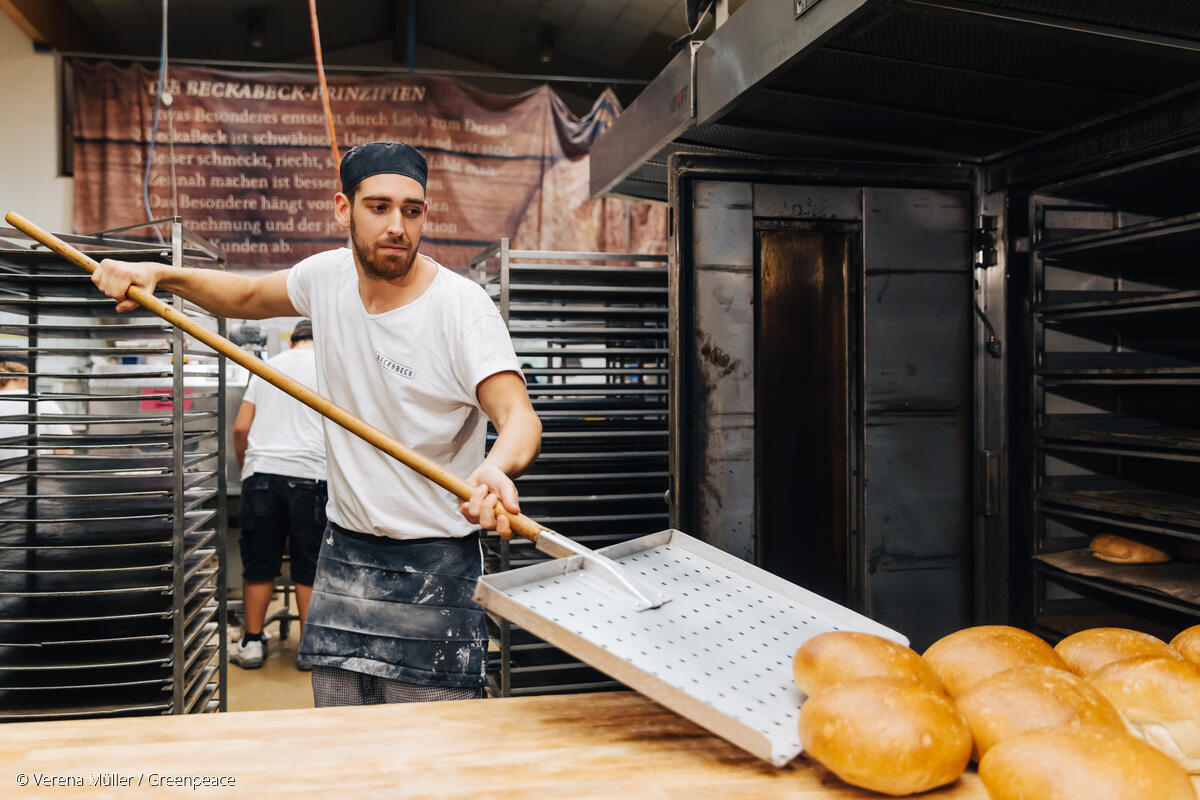
Food security: grow food, not feed
What Europe’s policy-makers must do to truly achieve food security
-
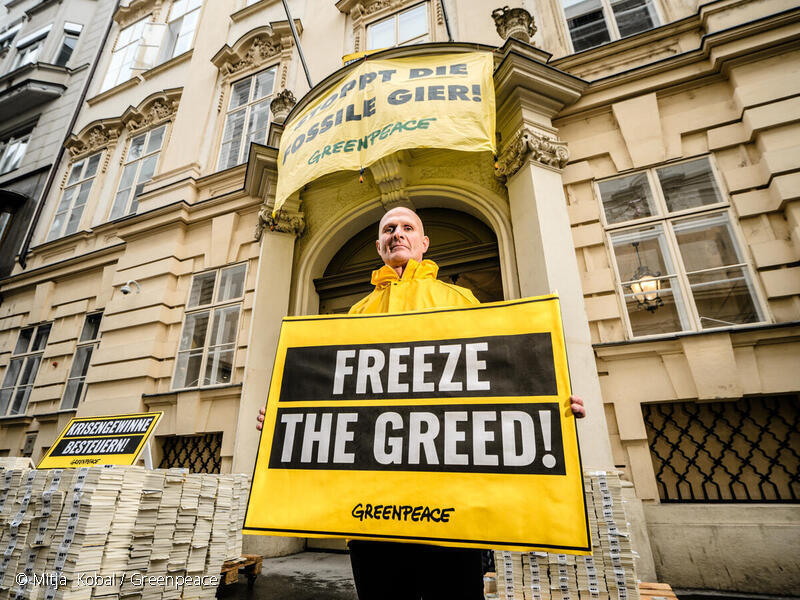
Return to strict EU fiscal rules threatens energy security and green transition
A European Commission plan to reestablish strict fiscal rules for EU countries would hamper measures to lift people out of energy poverty and ensure energy security with a renewable energy transition.
-
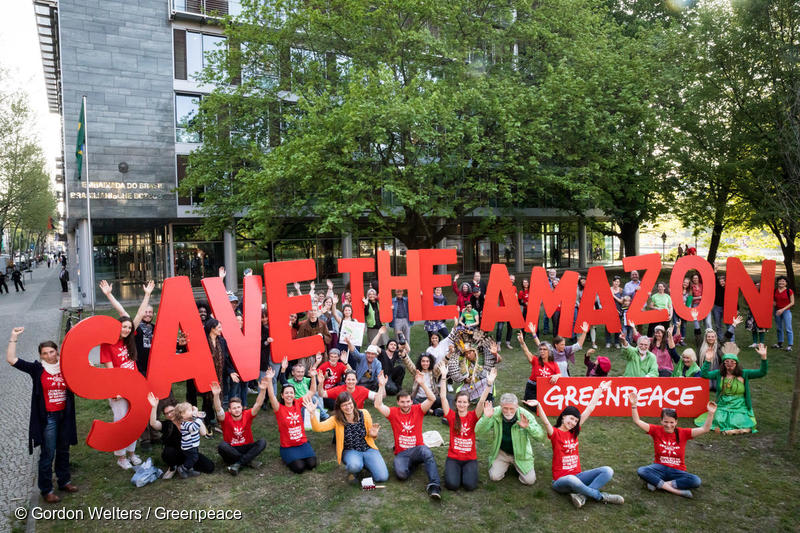
What Lula’s victory in Brazil should mean for the EU-Mercosur trade deal
Now is the time to let the Amazon heal. But without a major overhaul, the EU-Mercosur trade deal would do the exact opposite.
-
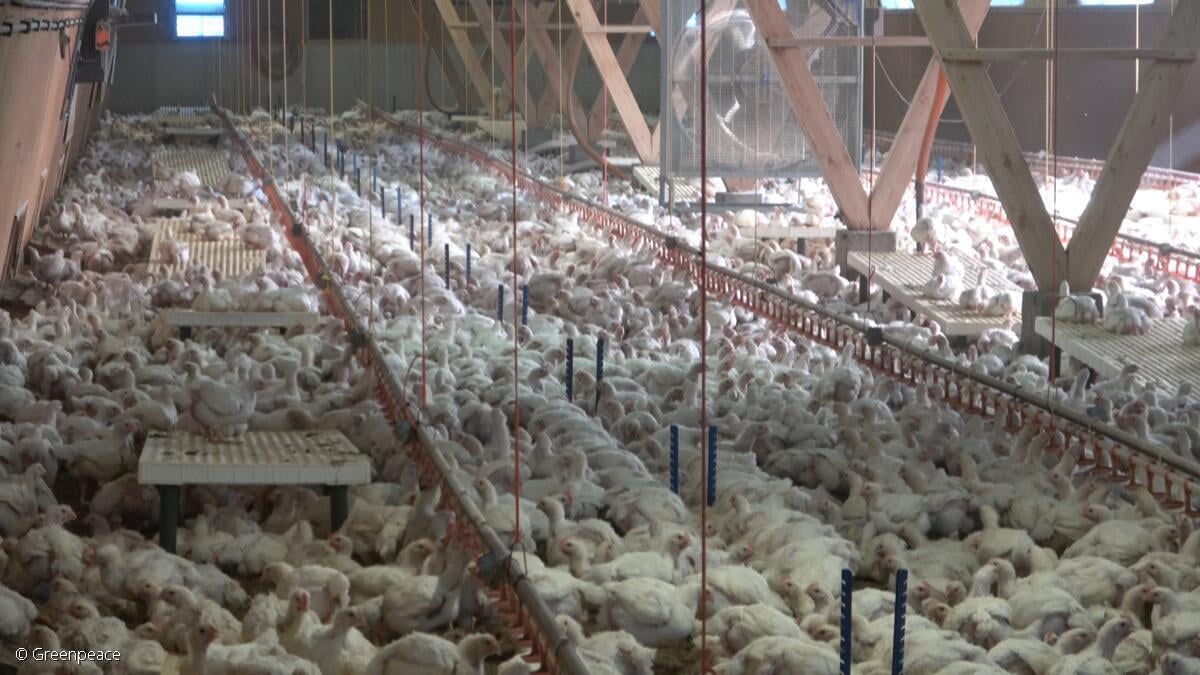
Polluting farms’ industrial emissions must be regulated
Livestock farms are major sources of air pollution, water pollution and soil pollution.
-
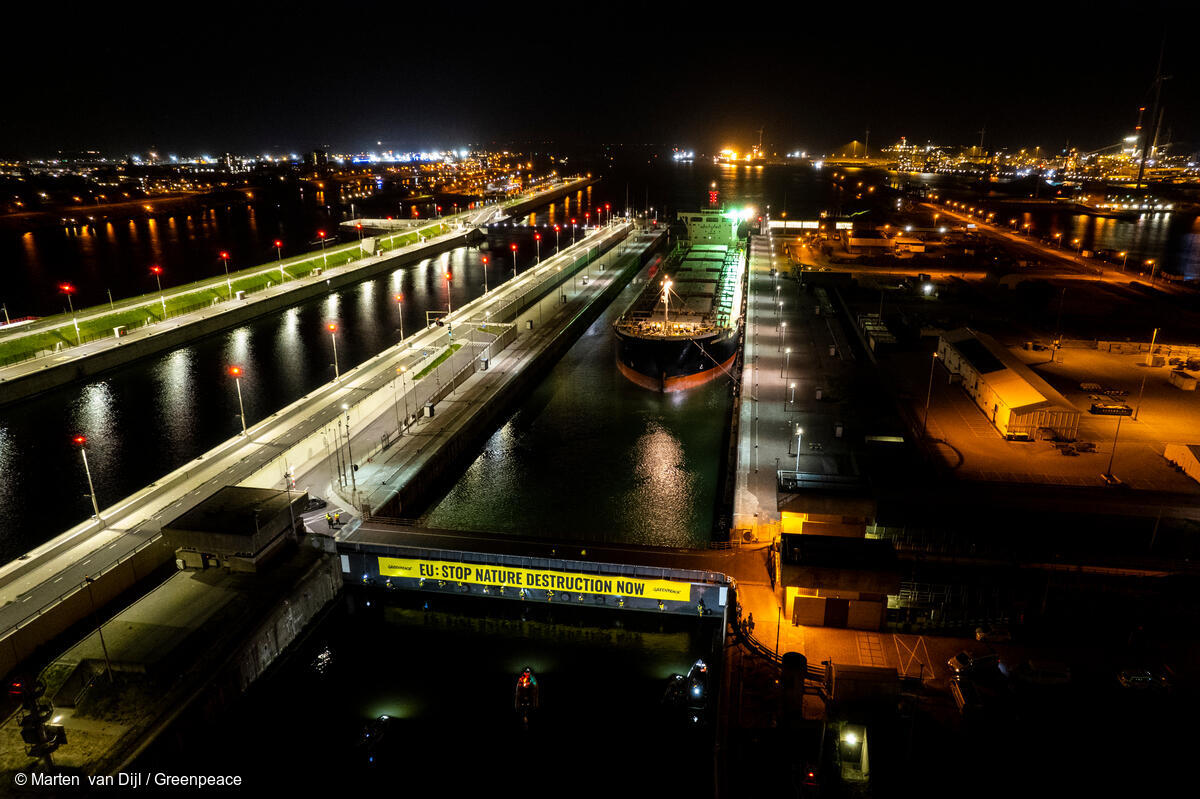
Activists block giant soy ship at Dutch port
Brussels – More than 60 activists from 15 European countries, volunteering with Greenpeace Netherlands, have blocked a mega-ship arriving in the Netherlands with 60 million kilos of soy from Brazil,…