How can we respond to the climate crisis in a way that creates hope, while also being realistic and truthful as to the current state of this world? Yes, we can campaign, we can advocate, we can lobby, we can protest; but before all this, there is the fundamental need to dream, and share our dreams with each other.
In these troubled times characterized by increasing violence, polarization and division, we would like to invite you to join us in Just Poetry. Just Poetry practises writing the worlds we want to experience into existence. Just Poetry intends to disrupt by delight: disrupt what disempowers and divides us and delight in what co-powers and courages us. This is a practice which connects impacted communities around the world and draws upon their diverse beauty, resistance, and visions of climate justice.
The Just Poetry map is a living movement of selves, others, and other worlds. It re-writes places as it moves across borders, disciplines, and generations, refusing to stay still or singular. Following desire lines, it loosens and un(t)ravels boundaries, sketching beyond the given lines to make new forms of connection possible. These are not only lines on a page, but opening lines into different ways of relating, remembering, resisting and world-making.
Even as we draw strength from one another’s courage and visions of climate justice, we do so in the confrontation of a crisis that reaches into all of our lives. Yes, we are all impacted and affected by the climate crisis, whether it be through disasters on our doorsteps, anxiety of unknown futures, pain for our loved ones or their loved ones, and losses in the past or yet to come. It’s easy for this grief to become a totalizing global narrative—that we are only victims, and that the disaster is inevitable.
As such, it’s also easy for us to feel increasingly isolated in the face of these disasters, to see disasters unendingly take place on our phones, on the news, outside our window. In the face of this unending and inundating stream of horror, sometimes the only response that feels feasible is to feign ignorance, pretend that everything is normal until it crumbles in front of us. But this also enacts a heavy toll on our hearts, as it forces us to live in dissonance with the reality of the world in front of us, and this is not freedom.
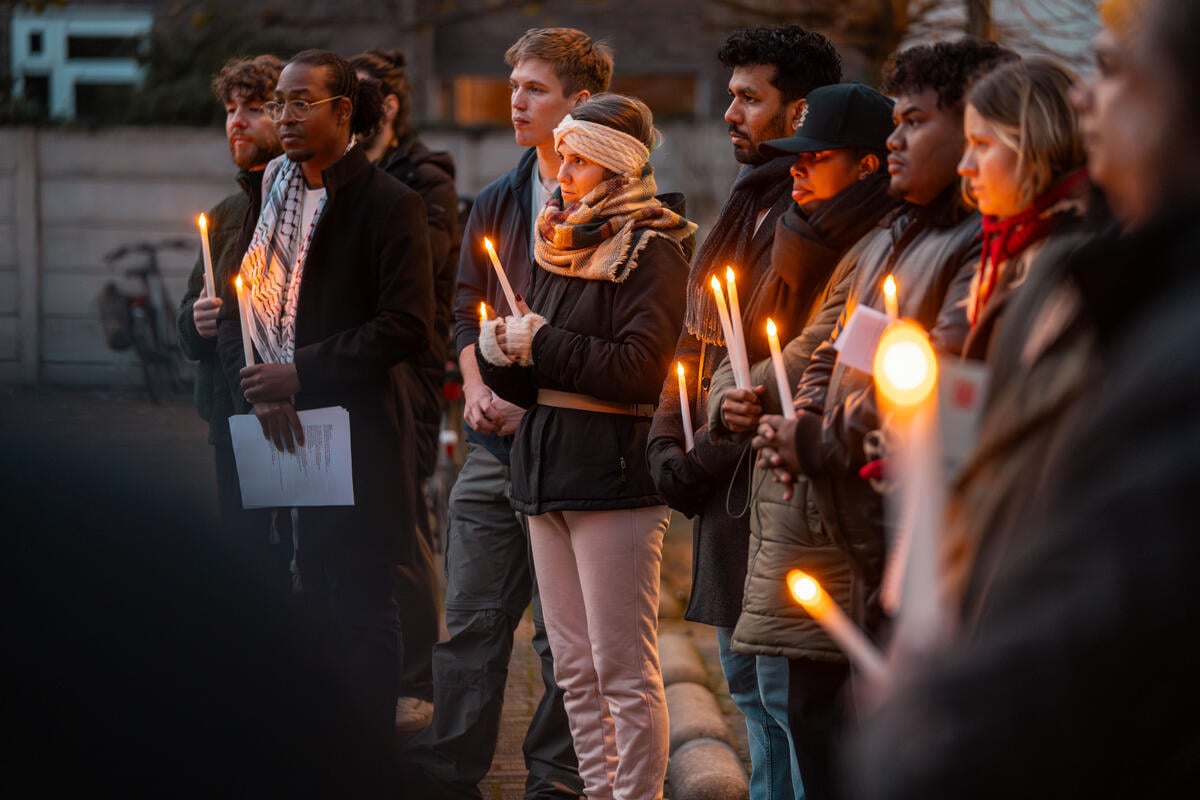
“Dreaming of the sea they had never seen”, poet Merlie M. Alunan writes in THE RIVER NYMPH’S LAST THREE WORDS. Dreaming of ways to be. This is what artivism projects like Just Poetry offer: a place for us to cultivate our dreams into seeds of hope that guide our activism and movements. Art and poetry are methods as old as humanity itself, methods which allow us to transform the lived emotions of life itself into forms of power that others can understand.
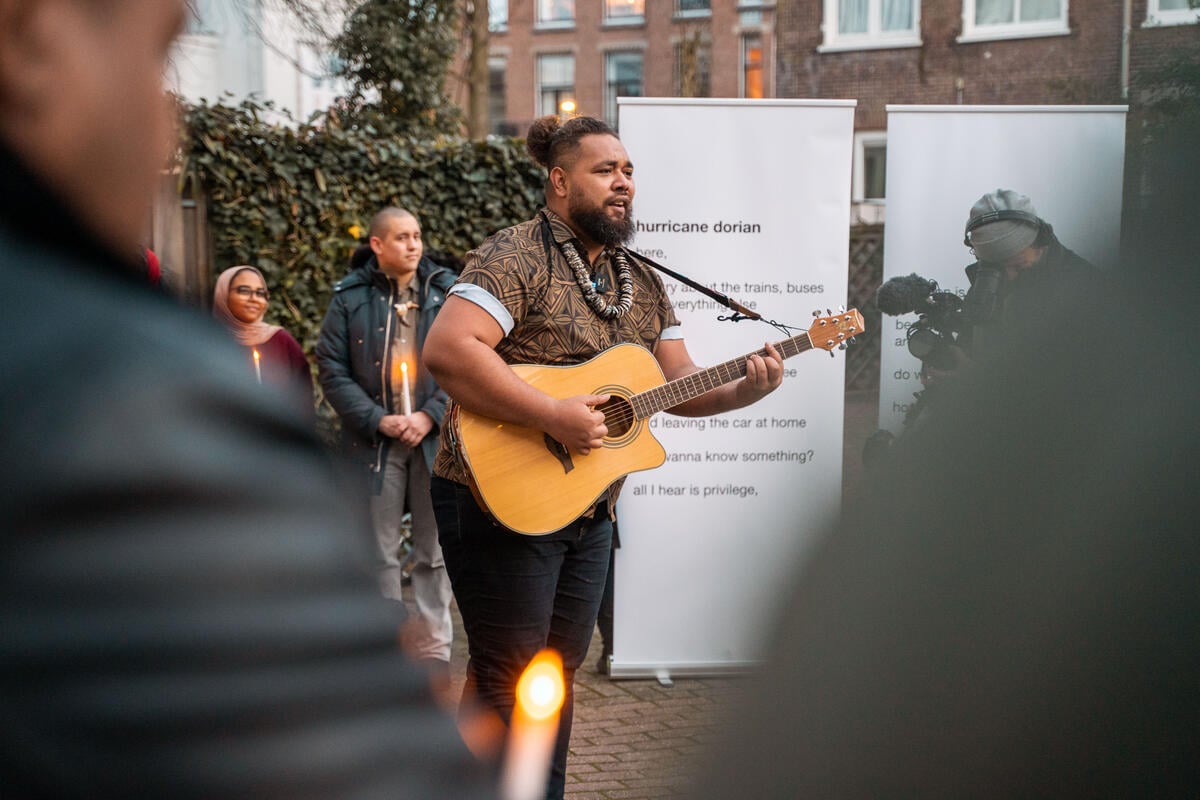
Within the climate justice movement, poems like Hurricane Dorian by Asha Abdullahi name a truth about life within the climate crisis that resonate with us — this truth, while unique to the author’s lived experience, expands in such a way that people on the other side of the world are inspired to share their truth—including seemingly contradictory emotions like fear, pain, determination, and hope—in response.
As the Just Poetry map demonstrates, when we recognize the power of others’ truths and share our own in response, this action slowly weaves together new narratives about who we are in relation to this climate disaster. We are not simply victims; rather, we have the power to face and embrace our current collective state and trajectory within this climate crisis, and guided by our care for another, can name new directions for us to turn towards.
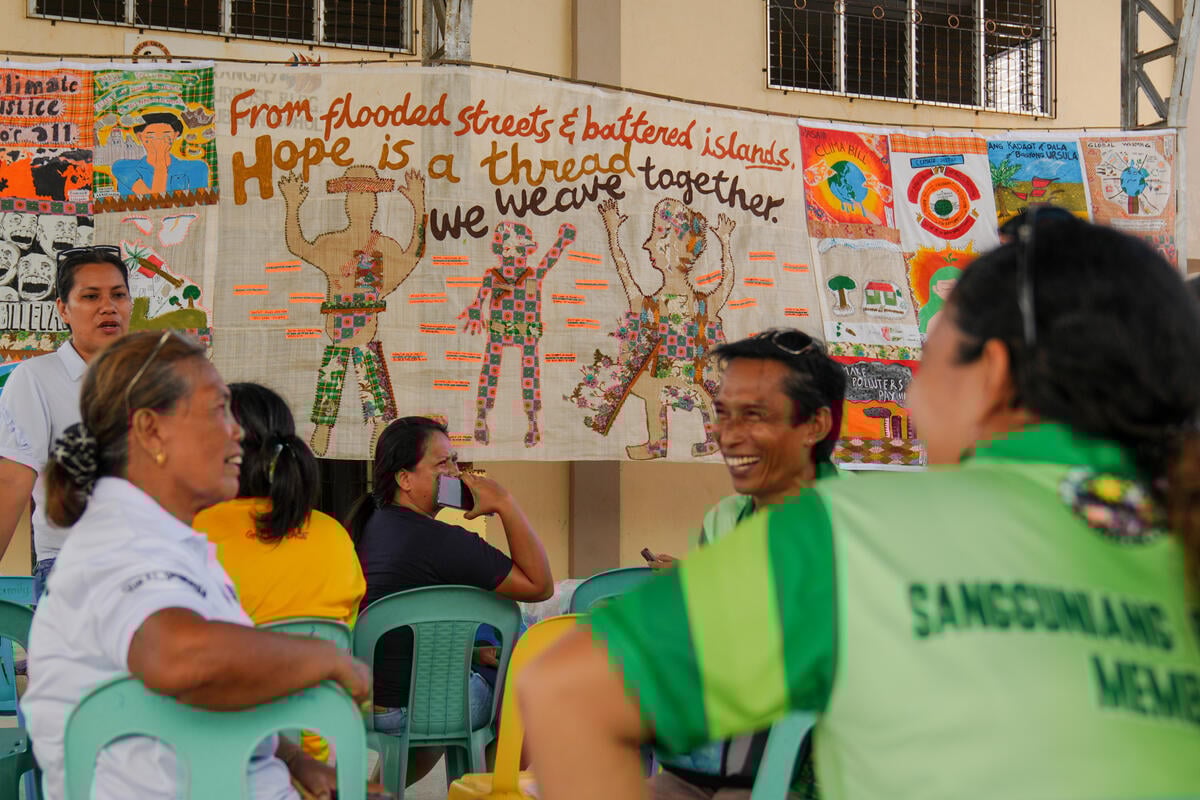
Poetry is true power. It centres the self and involves our bodies – our mind, heart, voice, breath. As such, it marks and measures our place on earth, but also our time here – the years, days, seconds. As an extension of our selves, wholly creative and inherently future-facing (even if written about the past), poetry reaches for others – as readers, thinkers, and conspirators in this thing called living. In a world where we are increasingly made to feel powerless, poetry dares to coax attention away from profit, to evoke intentional, beautiful silence as a legitimate response to greed, and celebrate the lyric as a challenge to that which is for sale.
Just Poetry invites you to practice with us. It is a home for hope, a location for our longings and a chorus of care. Together, we rewrite what power means, understanding it not just in numbers, but in belonging. We locate justice in everyday actions that collectively create the worlds we want to live in. We connect with each other in the midst of current calamities, drawing on our past to imagine our futures and rise together in community and courage.
Those are the directions in which we continue to campaign, organize, lobby, advocate, resist and care.
Share your poetry for climate action with us and tag #GreenpeaceJustPoetry.
Valentina Panagiotopoulou is the Global Project Lead for the Climate Justice and Liability Campaign
nin* schulz is a Senior Strategist & Portfolio Manager for Climate & Energy at Greenpeace International
Jocelyn Page is a poet from Connecticut, USA, living in London. She teaches English and Creative Writing at Goldsmiths College and the University of London Worldwide.
Riley Tsang is a Global Engagement Specialist for the Climate Justice and Liability Campaign at Greenpeace International