
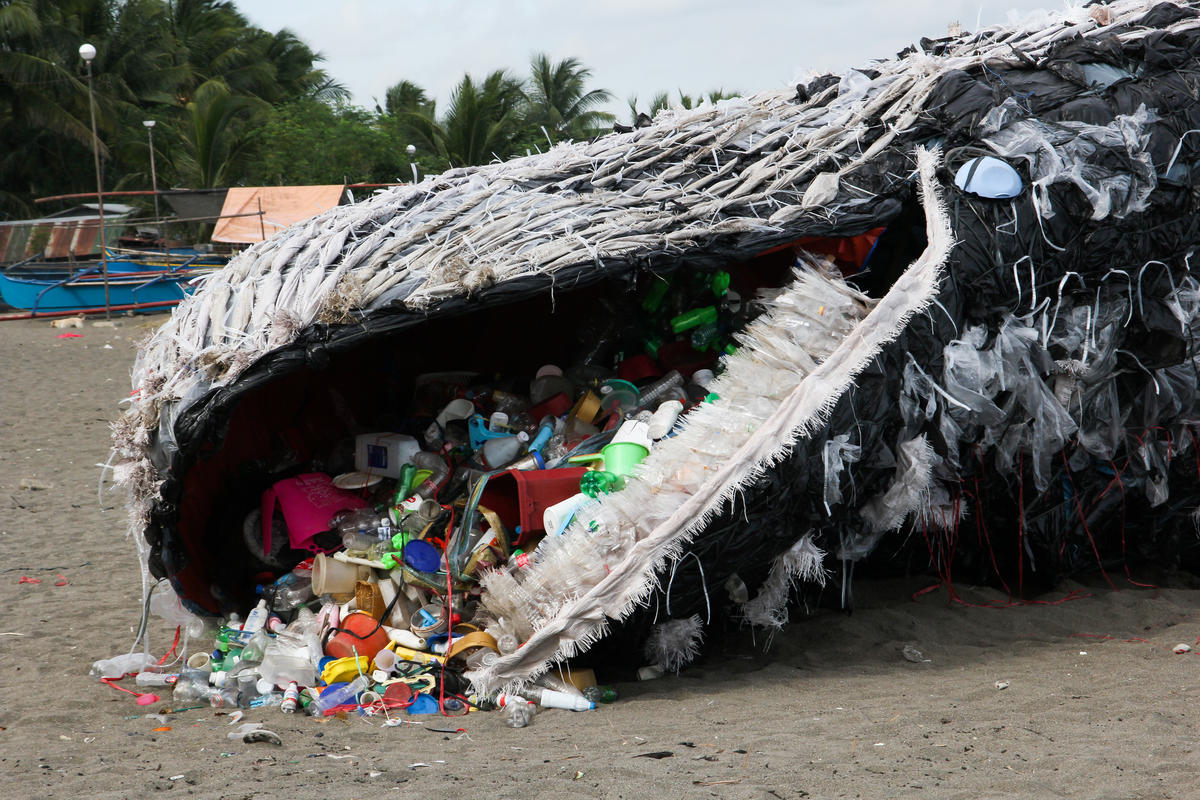
Global Plastics Treaty now!
Plastic is full of toxic chemicals and it is everywhere. It is poisoning our health, harming communities, and destroying our environment and wildlife. Microplastics are in our bodies, from the food we eat, the water we drink, and even the air we breathe. And because plastic is made from fossil fuels, and we keep making more, it is fueling the climate crisis too. But change is coming.
Right now, world governments are negotiating a once-in-a-generation opportunity to tackle the plastic pollution crisis — a Global Plastics Treaty.
The plastics crisis touches every corner of the globe. It’s in the deepest parts of our oceans and on the highest mountain peaks, and even rainwater. We can’t recycle our way out of this crisis that pollutes from plastic bottles in the ocean to microplastics in our bloodstream. We demand real global solutions to stop plastic pollution — a strong treaty that cuts plastic production, bans toxic chemicals, and shifts from throwaway plastic to reuse and refill. We can’t waste this moment.
The future treaty has a huge potential to put the world on a path towards a plastic-free future. To ensure it delivers on this promise, we need to build a powerful movement to take on Big Oil and call on world leaders to deliver a treaty that protects our health, communities, and planet!
We demand an ambitious Global Plastics Treaty that:
- Cuts plastic production by at least 75% by 2040 to protect our health, our climate, and our communities;
- Ends single-use plastics, and harmful products and chemicals;
- Sets global targets to support a transition to reuse systems;
- Establishes a new fund that allows for fair and impactful treaty financing;
- Prioritizes Indigenous Rights and human rights; and,
- Allows for voting to take place if countries cannot reach consensus.
Tell world leaders to champion a strong Global Plastics Treaty during negotiations so that we can finally turn off the tap and end the age of plastic.