
How we’re governed
Meet our Management Board and our Supervisory Board, find out how our Management Team is structured, learn about our Open Information Policy, read our financials, and get a sense of how our organisational and campaign issues get agreed upon at annual meetings.
Management Board
The Greenpeace International Management Board is charged with the day-to-day management of Greenpeace International (GPI). It currently has one member, our International Executive Director (IED).
Mads Christensen, International Executive Director
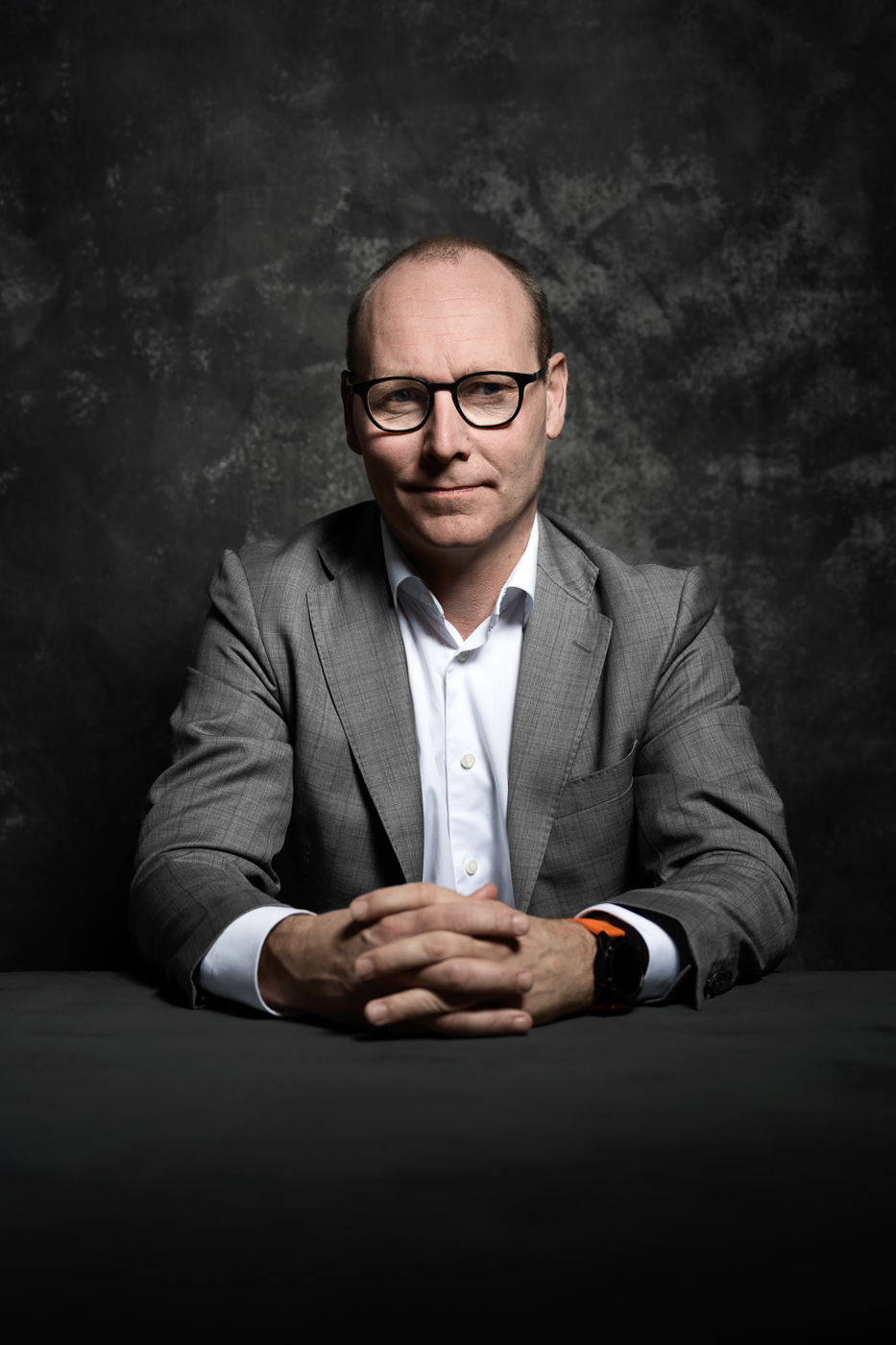
Inspired by the Greenpeace network’s ability to catalyse change, Mads joined Greenpeace Denmark as a youth volunteer in the 1990s. Three decades in, he’s still driven by what first brought him to the movement: non-violence, direct action, and an uncompromising independence from political or corporate influence. He takes pride in being part of a global movement powered by the strength of millions. His vision, rooted in patience, persistence, and hope, is of a green future where power shifts from private profit to the common good and environmental justice.
As International Executive Director, Mads serves as the chief steward of Greenpeace International, providing the visionary leadership and strategic cohesion necessary to advance the mission on a global scale. He works to ensure that GPI’s operations are resilient, ethical, and purpose-built to empower the network. Working in close partnership with National and Regional Organisations (NROs), Mads facilitates the global Greenpeace movement to act as a powerful force for the protection of the planet and the promotion of peace.
Supervisory Board
The Greenpeace International Supervisory Board consists of five to nine people. It is the guarantor of the integrity of the organisation. It aims to provide a link between GPI and society and the larger context of social and political change, and to provide a point of reference and external perspective to the Management Board.
The duty of the Supervisory Board is to supervise the Management Board’s policies and the general course of affairs in the Stichting and its affiliated organisation. The Supervisory Board shall be guided by the interest of the Stichting and its affiliated organisation and the interests of the Greenpeace International network.
The Supervisory Board Members do not receive a salary, but their expenses are covered and they receive an attendance fee for time spent in relation to Supervisory Board meetings. Their annual compensation can be found in the financial statements and annual reports. [Please note that, for the period before 1 January 2026, reference should be made to the compensation of the (International) Board.]
Members of the International Supervisory Board are appointed by the Supervisory Board in accordance with a binding nomination from the Supervisory Board Search Committee (a committee that consists of members of both the Supervisory Board and the Council). The Supervisory Board will adopt a profile for its size and composition, taking into account the nature of the organisation’s activities and desired expertise and background of its members. This will be done in consultation and agreement with the Supervisory Board Search Committee. Supervisory Board members can be re-elected, for up to a maximum term of seven years.
The Supervisory Board reports to the Council annually about the performance of its duties.
Board Members, as per 1 January 2026:
Jo Dufay, Supervisory Board Chair – Elected June 2023
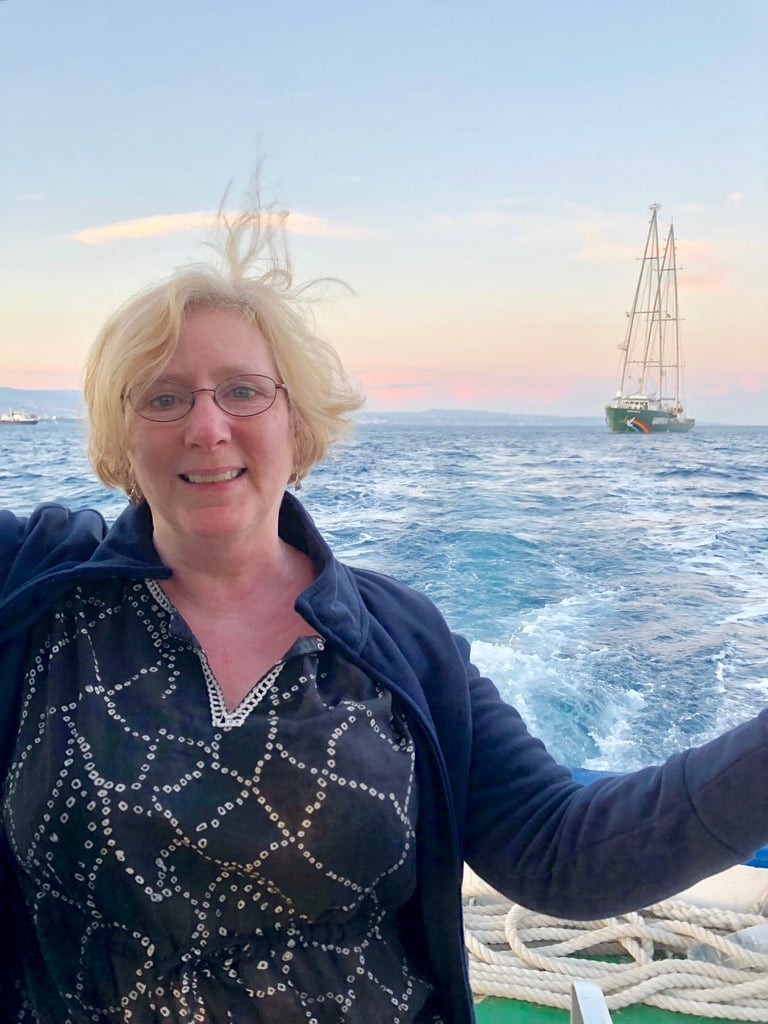
Jo Dufay works as a consultant with organisations and individuals that try to make the world a better place. She provides strategy advice, facilitation, process design and training for organisations ranging from the intensely local to the wildly global. She comes to this work from a lifetime of commitment to social change, a deep respect for how organisations and processes work and with a care for inclusion of all voices.
In 2023, Jo was arrested at Schiphol Airport, Amsterdam, for blocking the take off of private jet planes. It felt like full circle from her early days as an activist in the early ‘80s at Greenham Common Women’s Peace Camp in the UK, where she first learned the power of nonviolent direct action.
Jo has previously been Board Chair of Greenpeace Canada, and also a member of the Board of Greenpeace USA. She’s also been Program Director with Greenpeace Canada and headed up several global campaigns with Greenpeace International. Over the years, Jo has trained hundreds of campaigners, in Greenpeace and elsewhere, drawing on her experiences with anti-nuclear work in the Middle East, protecting Canada’s Great Bear Rainforest and more. Her other roles have included Campaign Director with Avaaz, and international Chief of Staff with 350.org, as well as Executive Director of a national feminist organisation in Canada. She was the founding Coordinator of the Med Sea Alliance – tackling bad fishing practices in the Mediterranean.
Originally from Wales, Jo lived in Canada for nearly three decades. She has also lived in several African countries and is now resident in the Netherlands.
David Tong, Deputy Supervisory Board Chair – Elected Dec 2022

David Tong is the Global Industry Campaign Manager at Oil Change International, a Washington DC-based research and advocacy organisation dedicated to exposing the true costs of fossil fuels and facilitating the ongoing transition to clean energy. In this role, David leads Oil Change International’s work to confront big oil and gas companies’ greenwash, working closely with allies across civil society. In particular, David coordinated the successful cross-sectoral ‘#FixTheWEO’ campaign to persuade the International Energy Agency to model a 1.5ºC-aligned energy scenario, resulting in the IEA’s landmark 2021 conclusion that there is no room for new oil and gas beyond existing fields for 1.5ºC.
He currently lives in Melbourne, Australia but grew up near the shore of the Waitematā Harbour in Tāmaki Makaurau (Auckland). Ecological issues and Greenpeace in particular have always been important to him. A few months before he was born, a friend of his father’s witnessed French agents launching a rigid inflatable boat on a boat ramp near his home – on their way to bombing the original Rainbow Warrior.
Before joining Oil Change International, David led WWF-New Zealand’s climate programme, coordinating the civil society coalition supporting youth organisation Generation Zero’s campaign for the country’s Zero Carbon Act, which became law in 2019. From 2014-2016, he worked as a regular freelance contractor for the Climate Action Network International (CAN-International), and in 2015 established the New Zealand CAN node.
Though now working in climate policy and campaigning, David is a former lawyer, and has worked as a judges’ clerk, a big firm commercial litigator, and a community lawyer. He has a Masters degree in Law with First Class Honours from the University of Auckland, specialising in climate and human rights law.
Before being elected to the Greenpeace International board, he was the chair of Greenpeace Aotearoa, and had served on that office’s board from 2015.to him. A few months before he was born, a friend of his father’s witnessed French agents launching a rigid inflatable boat on a boat ramp near his home – on their way to bombing the original Rainbow Warrior.
Before joining Oil Change International, David led WWF-New Zealand’s climate programme, coordinating the civil society coalition supporting youth organisation Generation Zero’s campaign for the country’s Zero Carbon Act, which became law in 2019. From 2014-2016, he worked as a regular freelance contractor for the Climate Action Network International (CAN-International), and in 2015 established the New Zealand CAN node.
Though now working in climate policy and campaigning, David is a former lawyer, and has worked as a judges’ clerk, a big firm commercial litigator, and a community lawyer. He has a Masters degree in Law with First Class Honours from the University of Auckland, specialising in climate and human rights law.
Before being elected to the Greenpeace International board, he was the chair of Greenpeace Aotearoa, and had served on that office’s board from 2015. He is also on the board of the Aotearoa New Zealand Human Rights Foundation.
Nikhil Aziz, Supervisory Board Secretary – Elected Dec 2021, Re-elected AGM 2024
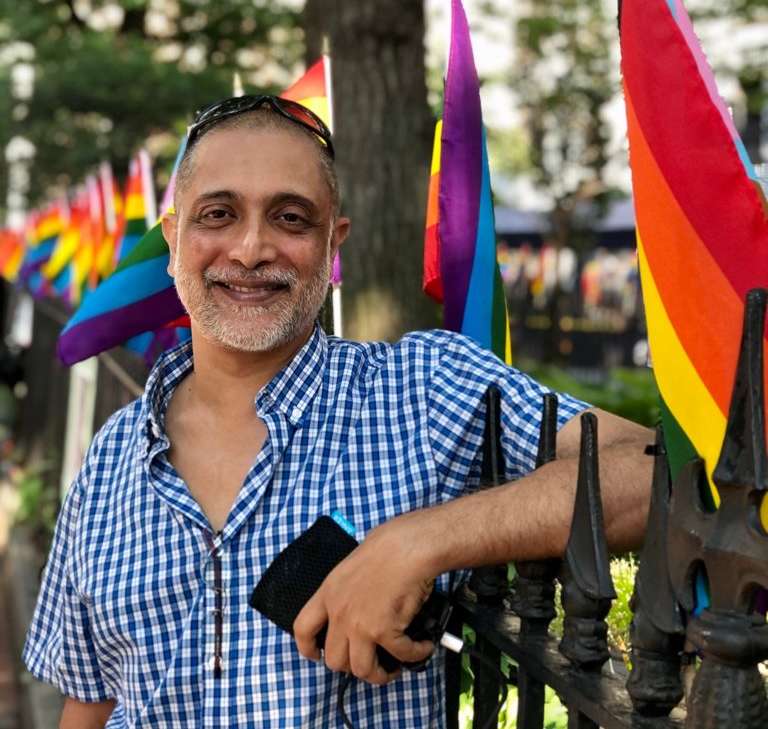
Nikhil Aziz is Managing Director of Solidaire Network, which organizes donors and funders to mobilise critical resources for U.S. social justice movements at the intersection of racial, gender, and climate justice. Before joining Solidaire, he was Director of Land, Water, and Climate Justice (LWCJ) at American Jewish World Service, where he oversaw the LWCJ grantmaking program in 13 countries in Asia, Africa, and Latin America and the Caribbean, and supported US policy advocacy on climate justice. Prior to that, he was Executive Director of Grassroots International, which funds social movements for resource rights and climate justice in the Global South and does advocacy in the United States.
Previously, Nikhil was associate director at Political Research Associates, which studies the US right wing for the progressive movement. He continues to speak, teach and write on human rights, international development and social change.
Nikhil has served on the boards of Africa Today Associates, Massachusetts Asians & Pacific Islanders for Health, MASALA (Massachusetts Area South Asian Lambda Association), Resist, the Jessie Smith Noyes Foundation, the Human Rights Funders Network, and the Engaged Donors for Global Equity (EDGE Funders). He divides his time between New York City, US and Mumbai, India.
Nikhil has a Doctorate in International Studies from the University of Denver (USA) and a Master’s degree in International Relations from the Claremont Graduate University (USA).
Hann Verheijen, Supervisory Board Treasurer – Elected June 2023
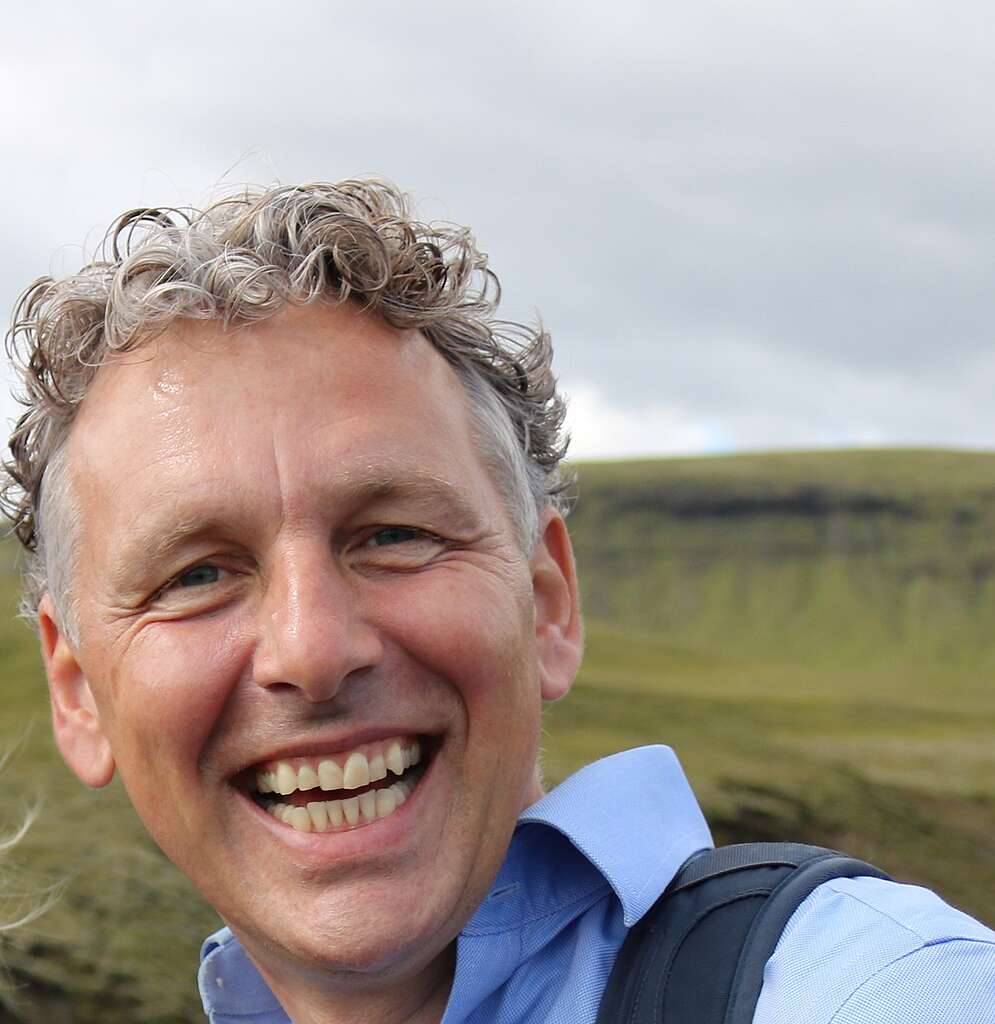
Hann Verheijen has 25 years of executive experience with global impact investors, including Triodos Bank, Oikocredit, and Cordaid. Today, Hann focuses on non-executive and advisory roles at meaningful initiatives. He holds non-executive board positions at various impact investment and endowment funds. Next, Hann has a long track record of chairing or participating in investment committees.
Hann fully and naturally subscribes to Greenpeace’s vision of working toward a green and peaceful world, which has led him to serve on Greenpeace’s international Supervisory Board.
Hann lives within a sustainable community he created with a small group of like-minded families. In his spare time, Hann enjoys hiking in the woods, cycling in the mountains, and visiting modern art museums.
Helga Rainer – Elected Dec 2022
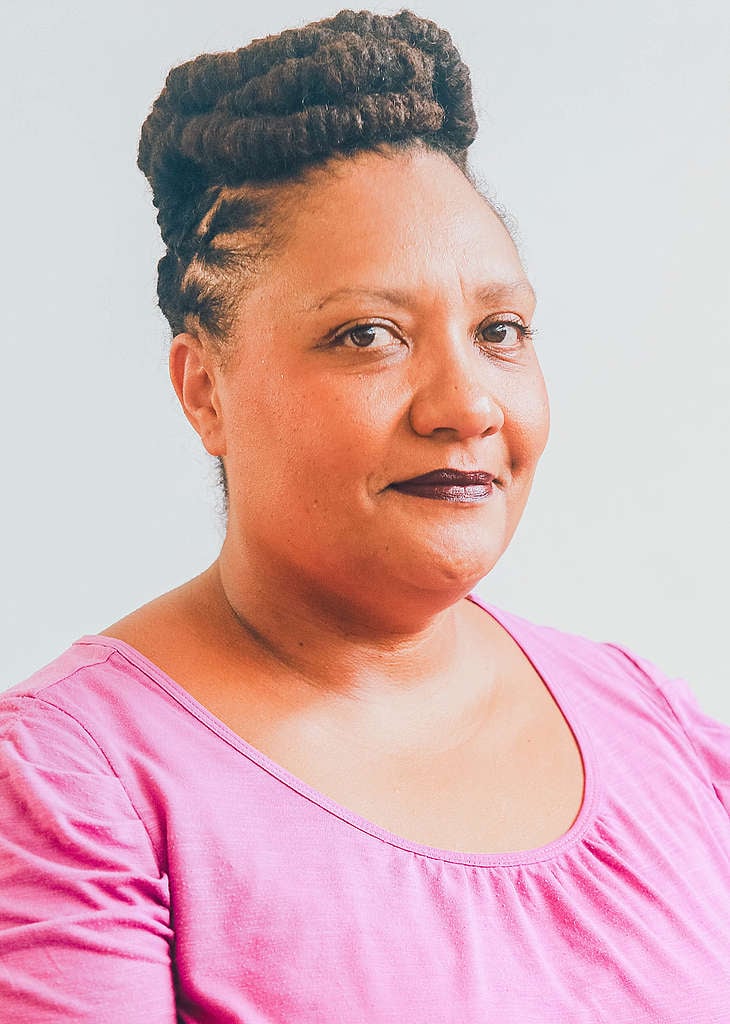
Helga Rainer has over 20 years of international and environmental development experience. Woven throughout her professional history, her work as a consultant, researcher, grant maker and organiser for environmental and development projects has made her an expert in developing policy, strategies, and programs.
Helga has efficaciously acted as an expert liaison between a variety of different stakeholders, including conservation leaders, policy makers, researchers, governmental agencies, non-governmental agencies, corporations, and international donors. This has included informing access to water and sanitation for women in informal settlements in Dhaka, Bangladesh, facilitating dialogue between local communities, private and public sectors on ecotourism in Uganda, as well as advising world leaders in Jeju, South Korea on transboundary conservation.
A passionate advocate of multi-disciplinary approaches, Helga has successfully leveraged multiple perspectives to inform shifts in how institutions engage with nature protection. In addition to numerous publications, she conceived and co-edited a novel interdisciplinary book series on non-human apes. Further building her transdisciplinary practice, Helga co-founded Borderlands Art, an agile space concerned with issues of environment, conflict and repair which uses exhibitions, events and research to foster critical inquiry and advocacy.
Helga has a Doctorate in Geography and Environment from the London School of Economics and Political Science (UK) and a Master’s degree in Environmental Science, Policy and Planning from the University of Bath (UK). Helga sits on several non-profit boards which include 32oEast| The Uganda Arts Trust.
Shanice Firmin – Elected Dec 2021, Re-elected AGM 2023
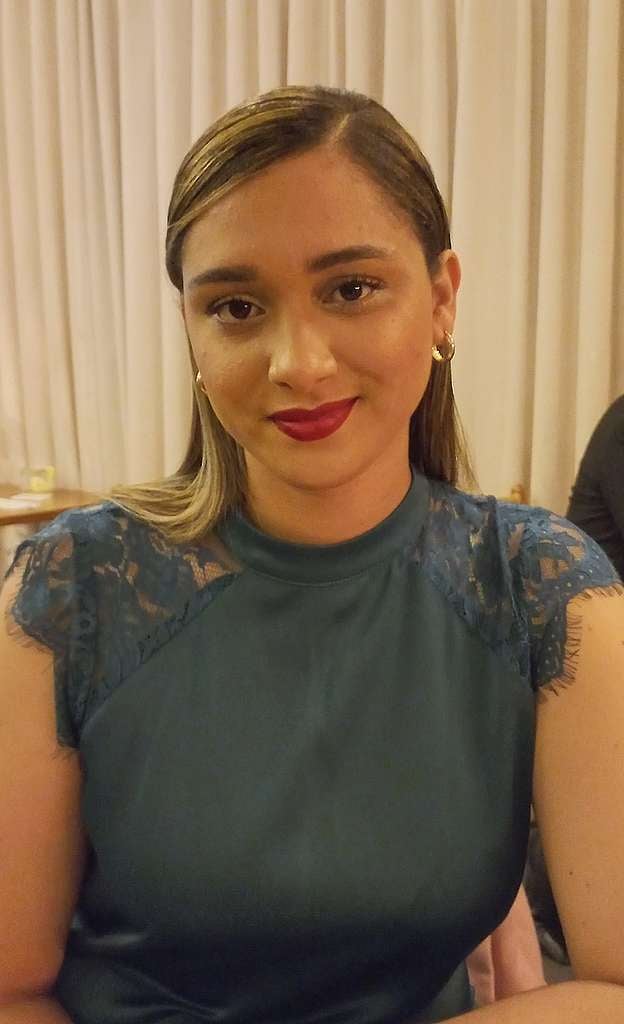
Shanice Firmin is a Senior Project Officer for Development, Infrastructure, and Climate Change at the South Durban Community Environmental Alliance with over 6 years of experience in the non-profit sector.
Shanice focuses her time on building community activism that critiques environmental impact assessments and unsustainable developments proposed by industry and government to secure livelihoods, social justice, and a healthy environment for the benefit of all. Shanice is a strong believer in meaningful public participation in environmental governance affecting change in climate legislation.
Through the ‘Action 24 – Active citizens for responsive legislatures project’ – she served as the KwaZulu-Natal province lead from 2017-2020. Shanice has developed ‘public participation in the South African legislature’ booklets to assist and equip communities with improved access to information and public participation in decision making enhancing the quality and the implementation of decisions.
Shanice has contributed to research and writing contributions that looked at ‘A Gendered Lens: Mainstreaming Gender into South Africa’s Climate Change Response’. She has also developed an ‘Action 24 Toolkit for Citizens’ Engagement with Legislatures’ that offers step-by-step guidance on how the public can engage, based on the realities observed. Shanice also frequents parliament to make presentations to the department of the Environment’s oversight committee on incidents and accidents.
When Shanice is not occupied with defending the environment, she is occupied with her two girls.
Dharini Parthasarathy – Elected Dec 2025
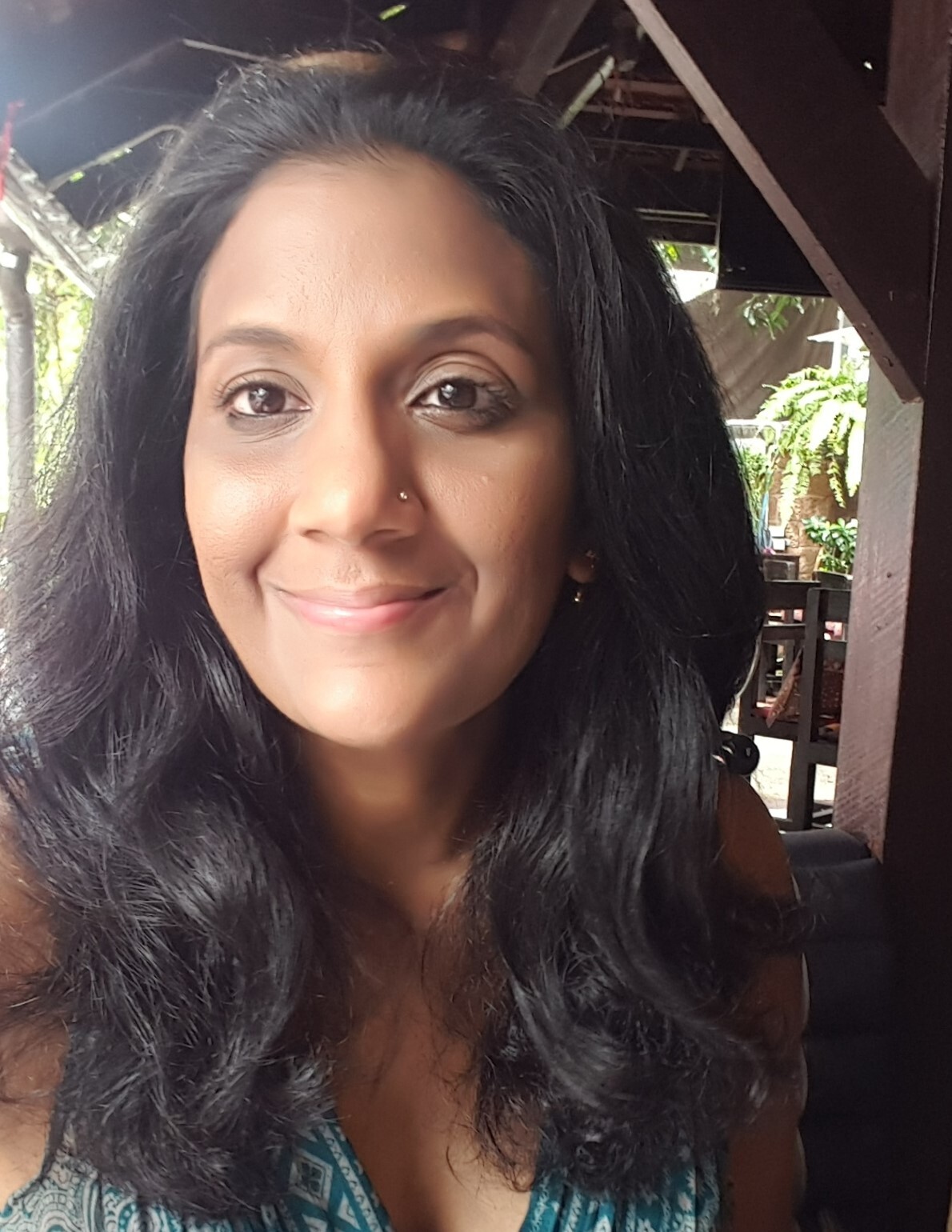
Dharini is a climate change campaigner and communications specialist, based in Bangalore, India, with 15+ years in global strategic communications, media relations, and network-building. She is currently Communications Director at the Global Alliance for the Future of Food—an alliance of philanthropic funders working towards a just and equitable transition from industrial, fossil fuel-dependent food systems towards agroecological approaches.
Previously, for almost a decade, she worked with Climate Action Network International as Global Communications Lead.
Bringing strong political and technical insights on the intersections of food systems, climate change, and nature, she has led civil society communications for seven UN climate negotiations (COPs), several IPCC sessions, UN General Assemblies, G20 & G7 summits, and supported multiple regional campaigns. With a focus on elevating grassroots demands in global policy spaces, highlights of her work include communications around the landmark IPCC report on 1.5°C, the campaign for a Loss and Damage Fund which came to fruition in 2022, supporting the Pacific Islands youth-led grassroots campaign for an advisory opinion on climate change from the World Court (ICJ), and global mobilisations to phase out fossil fuels with a Just Transition.
As a convenor and collaborator, she has facilitated diverse groups and networks to align on collective action using skills in facilitation, listening & persuasion, and conflict resolution. For several years co-led the ‘Croissant Conspiracy’ an unbranded, invite-only group of 300+ communicators working on climate change from across sectors & organisations.
Wai-chi Ho – Elected Dec 2025
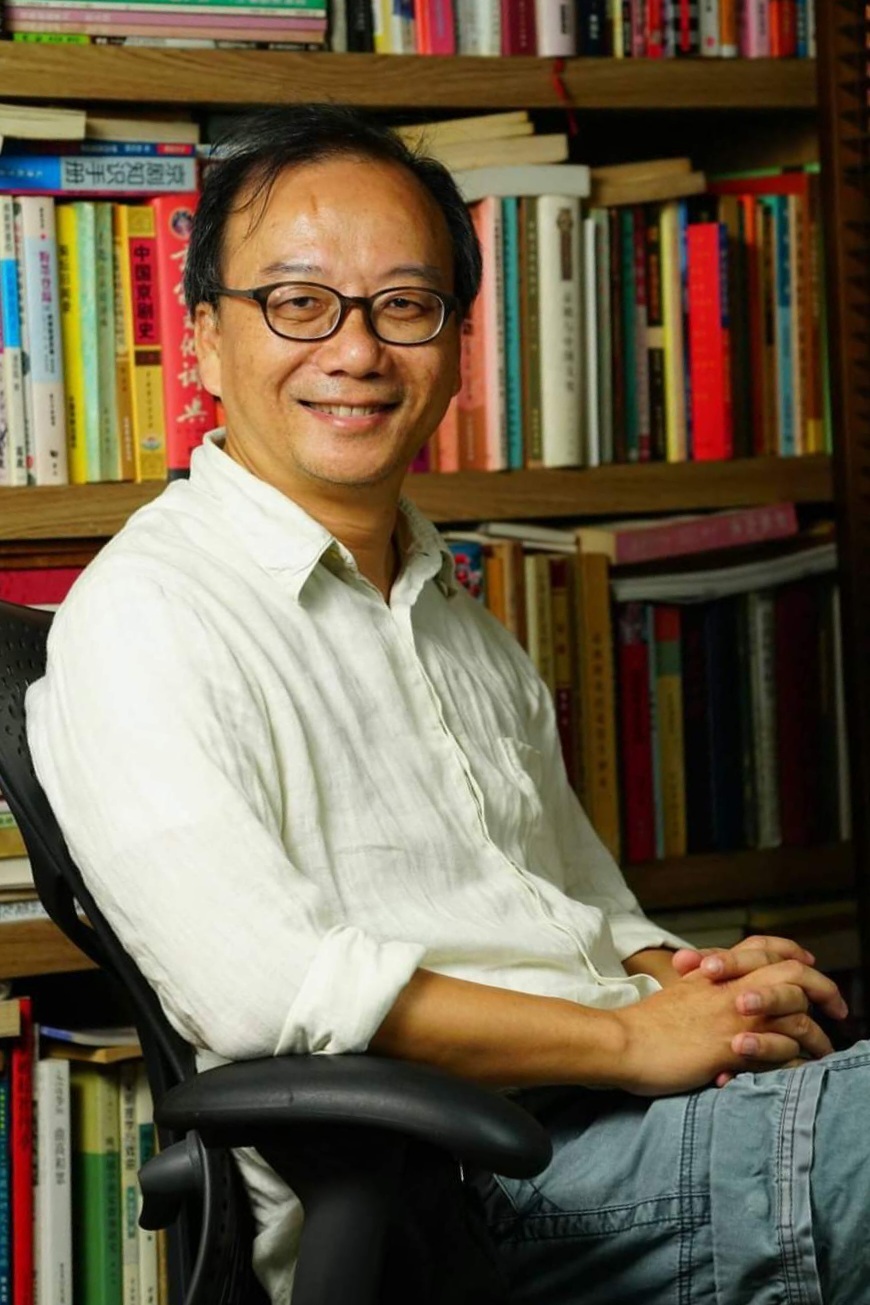
Wai-chi Ho has over 30 years of experience in NGO management and board governance across the environmental, anti-corruption, and philanthropic sectors in the Asia-Pacific region. His career is defined by a deep commitment to social justice and organisational strategic development.
Wai-chi served as the Executive Director of Greenpeace China from 1998 to 2002. During this time, he was instrumental in establishing the organisation’s first foothold in Beijing, laying the groundwork for its environmental advocacy in the region.
Beyond his work with Greenpeace, Wai-chi has held senior executive and board positions for various local and international NGOs. His portfolio spans a diverse range of missions, including HIV/AIDS awareness, global poverty alleviation, contemporary art education, and fair trade.
In addition to his NGO work, Wai-chi has a distinguished background in public service. He joined the Independent Commission Against Corruption (ICAC) in 2011, eventually serving as the Director of the Community Relations Department from 2018 until his retirement in 2022. Wai-chi holds Master of Arts degrees from the University of Sussex (United Kingdom) and the University of Kelaniya (Sri Lanka).
Management Team
The Greenpeace International Executive Director is responsible for the management of Greenpeace International and its GPI Strategy and Management Team (SMT).
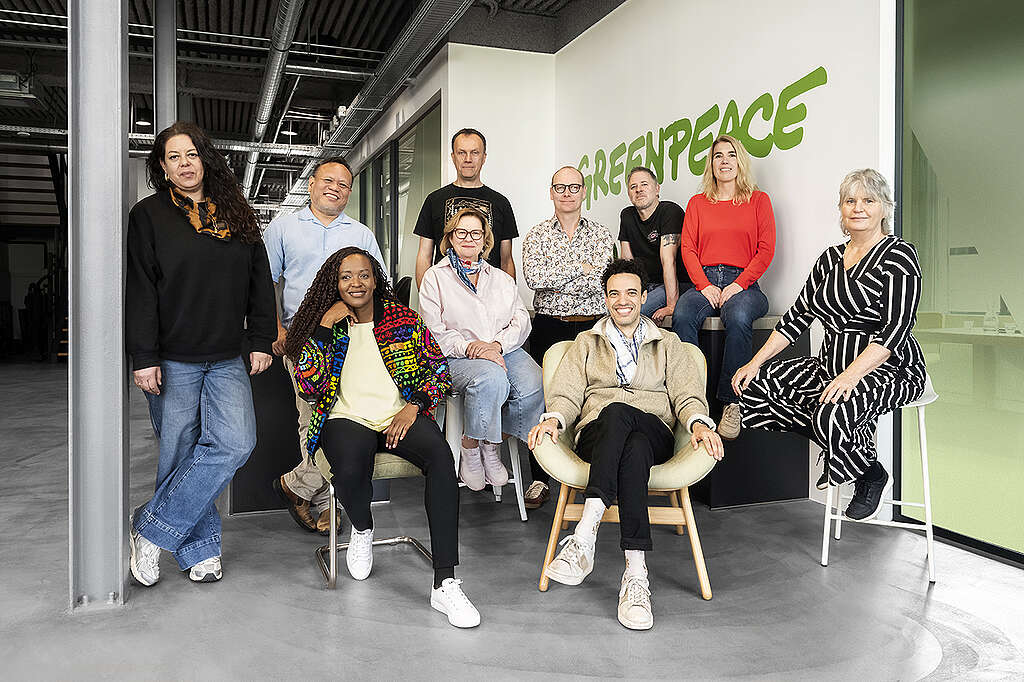
Susan Sinnett, Chief of Staff
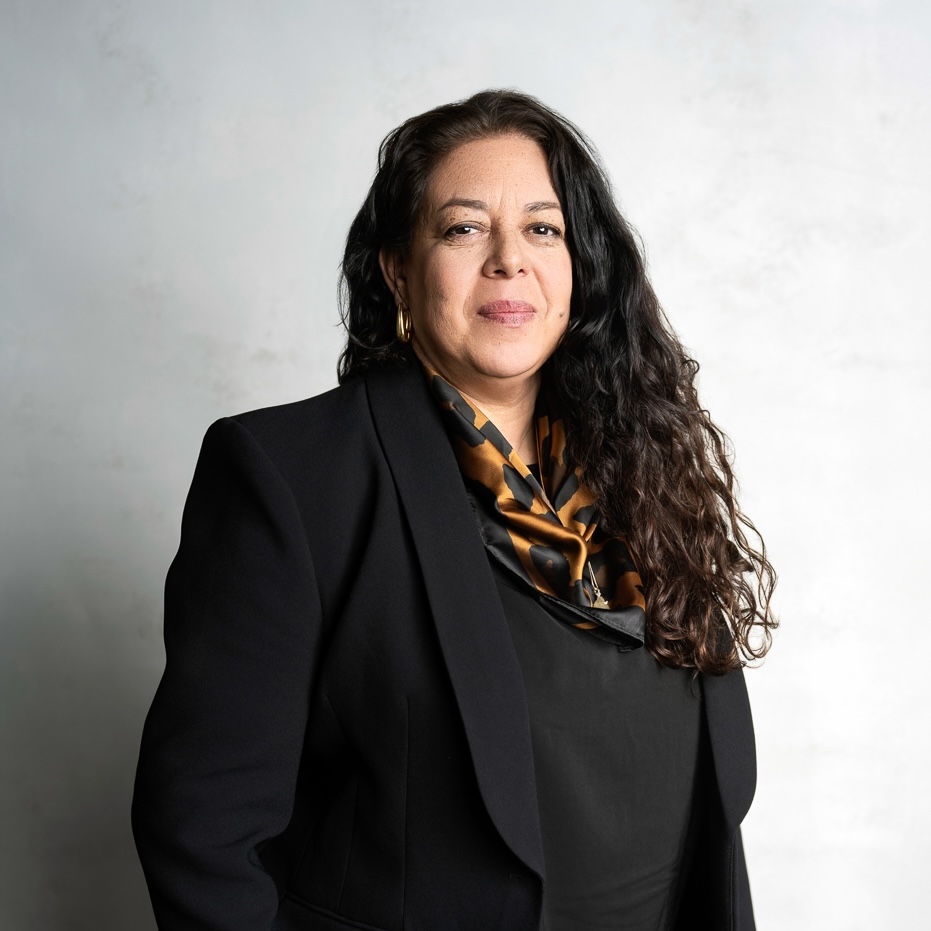
Susan’s mixed heritage – with a British father and a mother from Mauritius – reflects the international perspective she brings to her work. Her career has spanned from providing environmental support during the post-war oil clean-up in Kuwait to honing her troubleshooting skills as a Legal and Compliance project manager specialising in corporate mergers and acquisitions. Susan joined Greenpeace International in 2014 to build and lead the organisation’s global integrity system, and transform it from a matter of simple compliance into a values-led framework defined by courage, care, and accountability. Susan is also a certified Child Protection Officer, and serves as a board member for Climate Action Network International. She lives in Amsterdam with her son and two cats.
As Chief of Staff, Susan works closely with the International Executive Director and the Strategy & Management Team, providing strategic and operational oversight across key initiatives from conception to implementation.
Priscilla Chanda Chomba, Chief Technology Officer
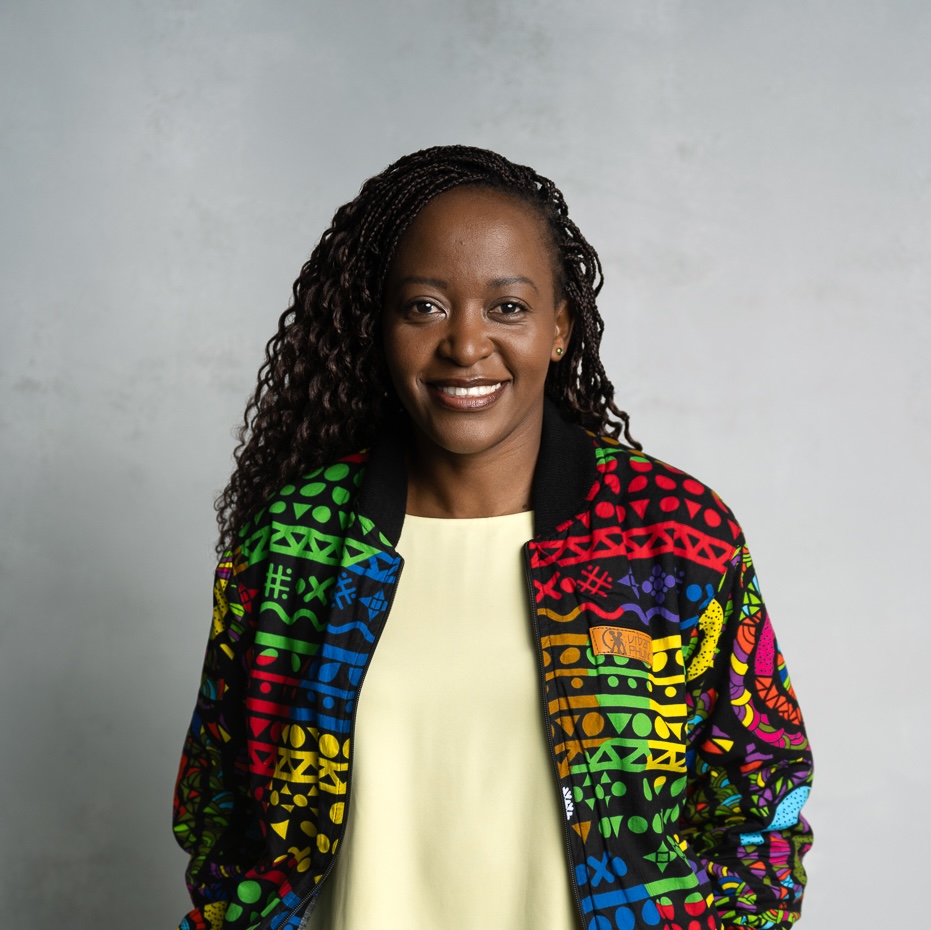
Priscilla is a Digital Transformation strategist and ICT4D expert whose work has helped shape the intersection of technology and social impact for over two decades. With a career spanning 75 countries and six continents, she has been a driving force behind the digital evolution of the world’s most influential organisations, including UNICEF and the World Food Programme. Priscilla is a leading voice for digital justice; in her TED talk, she champions the urgent necessity of a free and fair internet as a fundamental right for all, and her TEDxLusaka talk challenges us to think about how we use technology responsibly for the benefit of people and planet.
As Chief Technology Officer, Priscilla leads the organisation’s long-term vision for innovation within a rapidly changing external environment, and oversees the responsible use of technology while driving increased operational efficiency and external impact for the global network.
Jan Beránek, International Development Director
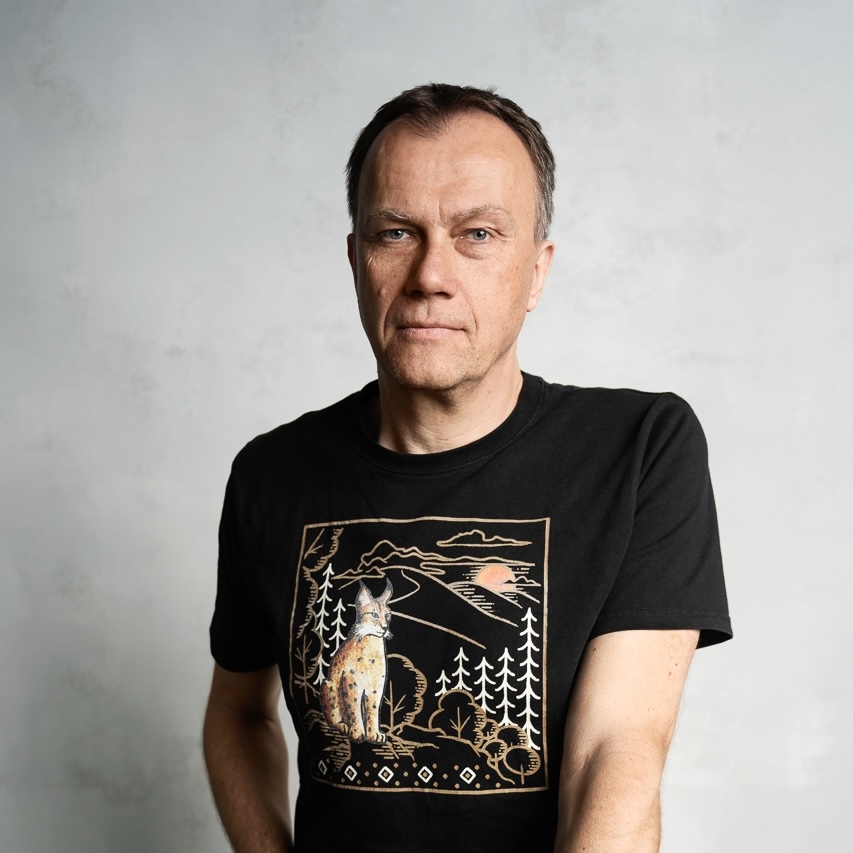
For over thirty years, Jan has been an environmental activist and nuclear energy expert. He co-founded Hnutí DUHA in 1989 (which became the Czech branch of Friends of the Earth) and served as chair of the Czech Green Party. Since 2006, Jan has held several senior leadership roles in NROs and at GPI, including leading the global crisis response to the Fukushima disaster. He studied astronomy, physics, and sociology, and continues to publish essays and reports, including his most recent book, Searching for Silvestr.
As International Development Director, Jan guides the strategic development of the global network. He oversees the teams responsible for providing support to NROs facilitating their organisational resilience and health. This work supports the network to remain robust and sustainable as each NRO independently navigates the challenges of the climate crisis.
Celeste Stewart, International Fundraising Director
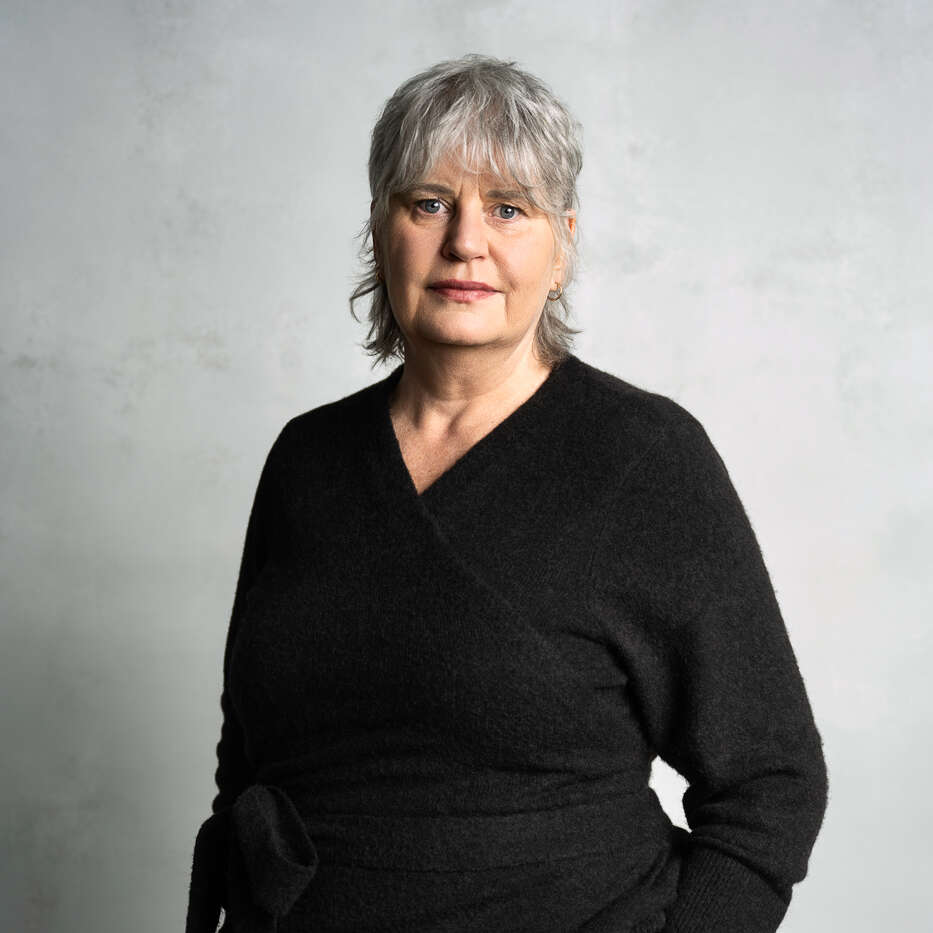
Celeste is a global fundraising leader with over 25 years of experience supporting environmental and social impact work around the world. She has held senior roles across Southeast Asia, New Zealand, Australia, and the United States, and served as Fundraising and Deputy Executive Director of Greenpeace Nordic. Her career journey spans relationship marketing, annual giving, digital and supporter fundraising, and even hands-on campaign help at sea. Based in Brisbane, Australia, she brings a mix of strategic thinking, operational depth, and a strong commitment to enable Greenpeace International’s mission-driven work.
As International Fundraising Director, Celeste works with teams across all regions to grow donor communities and strengthen fundraising strategies. She focuses on building the sustainable income necessary to enable the network’s mission-driven work and drive long-term environmental impact.
Michele Page, International Director of People & Culture
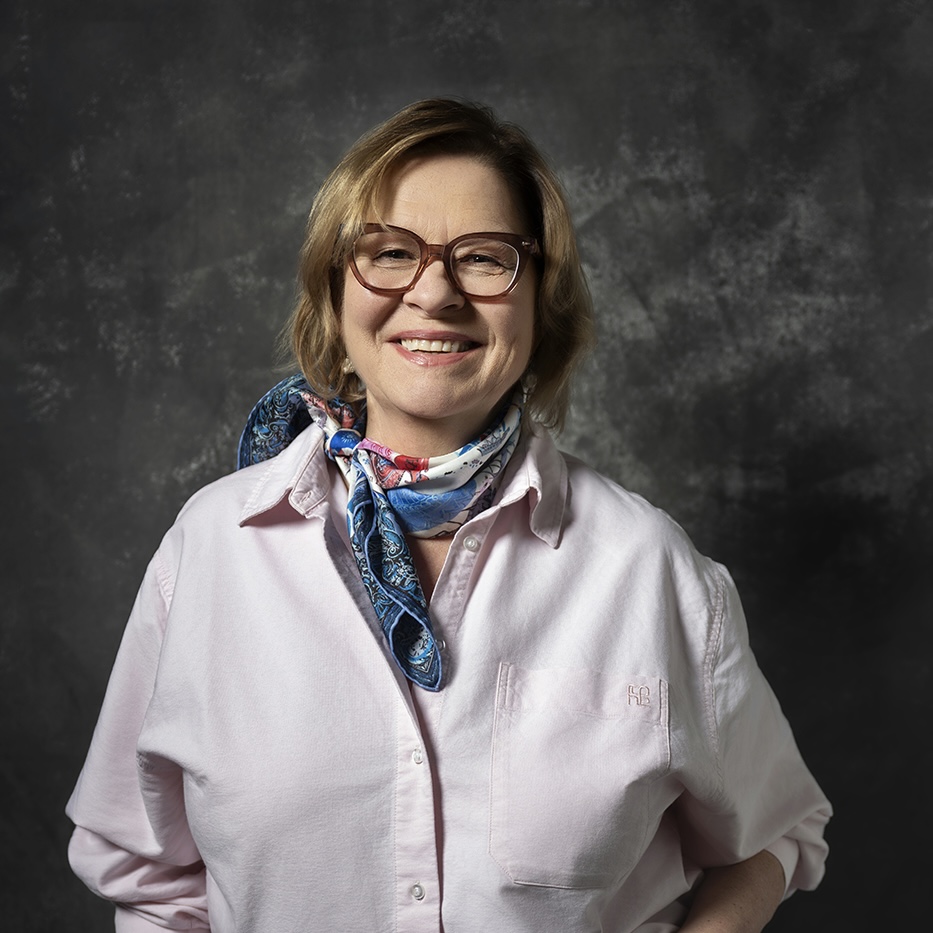
Michele believes that the heart of any mission lies in the strength of our connections to one another. Having lived and worked across three continents, she thrives on the richness of diversity and the shared values that unite us. Currently based in Canada, Michele’s approach to her work is deeply informed by her belief in positive parenting, a philosophy of empathy and equity that she applies to both raising her daughter and leading teams. For Michele, a sustainable future depends on nurturing an organisational culture where everyone feels seen and empowered to contribute their best.
As International Director of People & Culture, Michele leads GPI’s global strategy for organisational development, shaping a culture that attracts and retains diverse talent. Her work focuses on building a safe and effective global workforce through expert guidance in Change Management and Employee Engagement. Central to her mission is the JEDIS framework (Justice, Equity, Diversity, Inclusion, and Safety), which she integrates to ensure that every individual is empowered to contribute to GPI’s global goals.
Rachid Kherrouf, International Finance Director
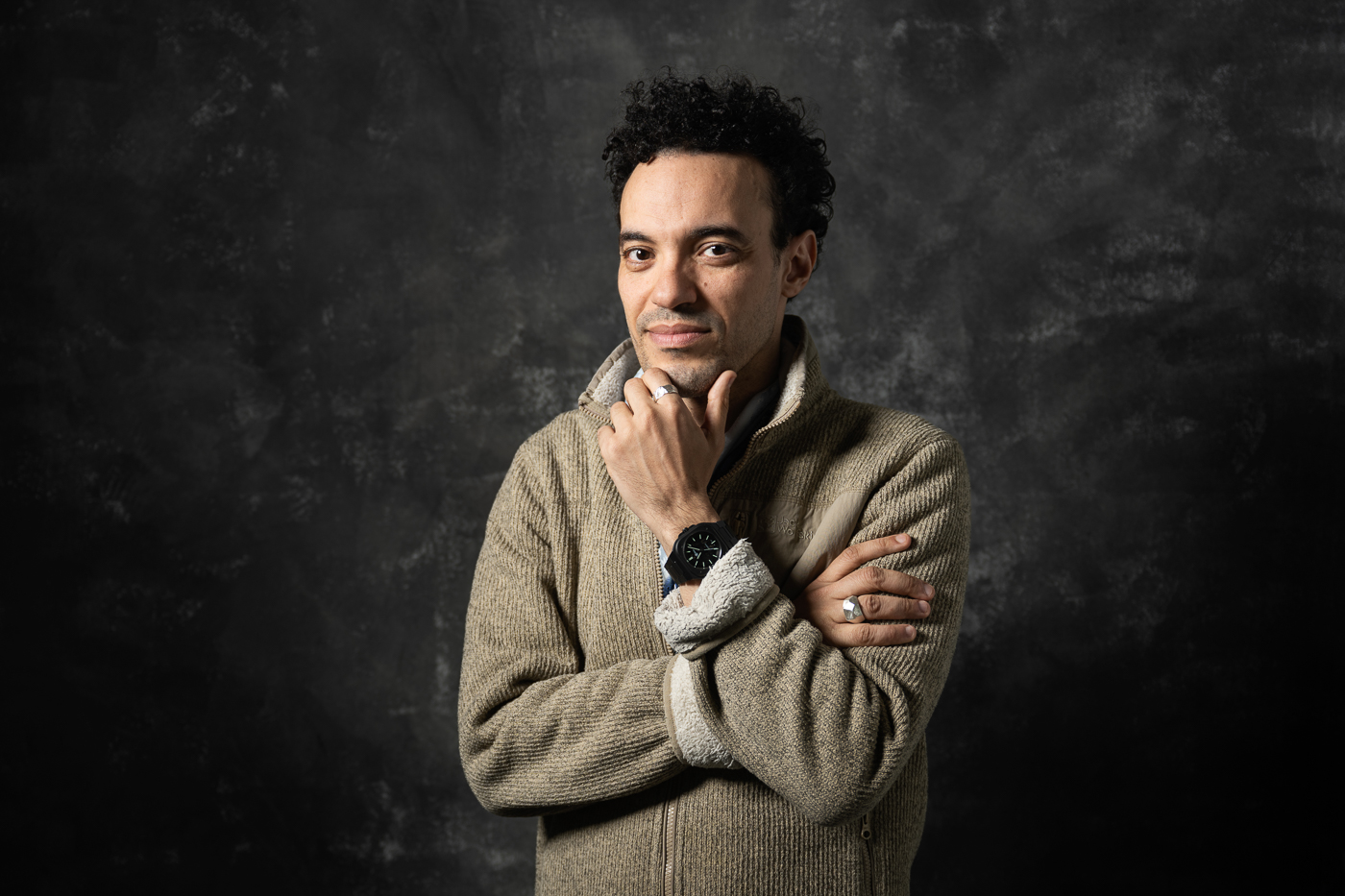
Rachid is an international finance executive with deep cross-sector experience spanning global NGOs and multinational corporations. He has built his career at the intersection of finance, strategy, and organisational transformation. His career is shaped by connecting perspectives across Eastern and Western contexts, supported by advanced education in institutions including INSEAD, the National University of Singapore, and Sciences Po Paris. He is a firm believer in economic systems that embed fair and sustainable livelihoods for all through equity and inclusion.
As International Finance Director, Rachid leads GPI’s financial strategy, planning, risk management, and governance. Working closely with senior leadership and boards, he supports the financial integrity and long-term sustainability of Greenpeace International and the Greenpeace network to maximise its impact in advancing climate justice.
Carmen Gravatt, International Programme Director
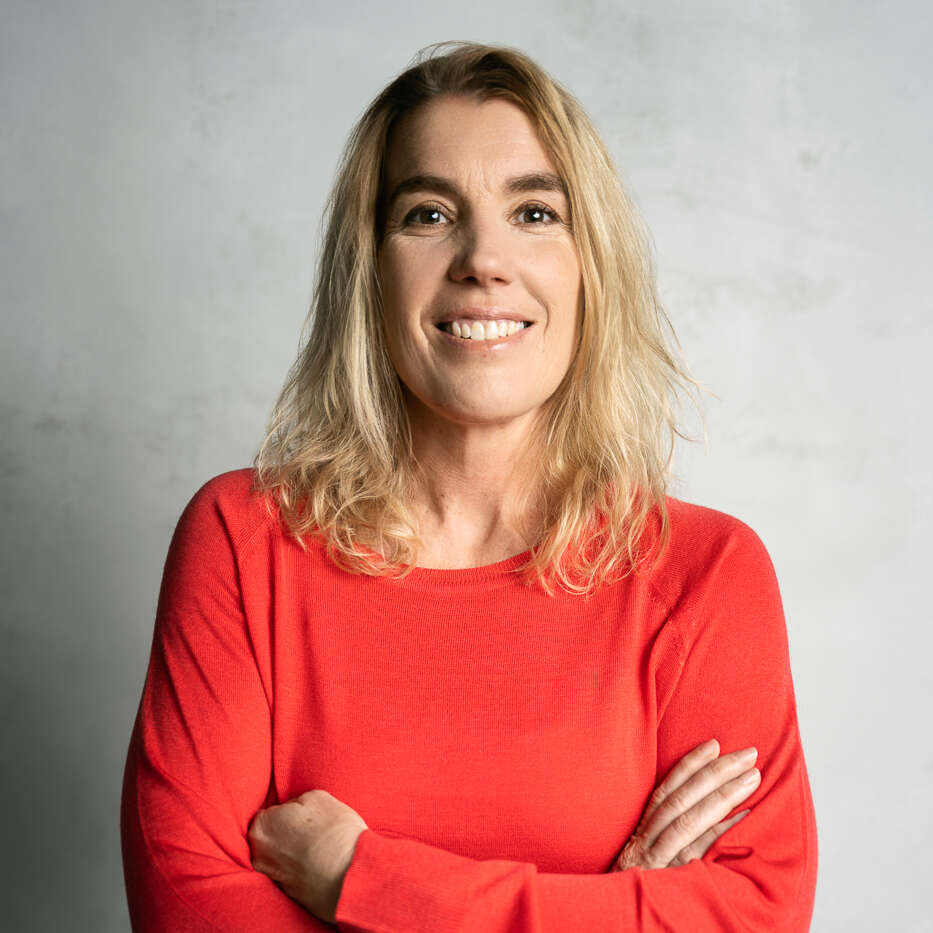
For over 20 years, Carmen has steered the strategy and management of large-scale international programmes – a path that has taken her from Greenpeace Aotearoa and East Asia to GPI. Her leadership is defined by the against-the-odds spirit of her early days in New Zealand, from occupying power stations to following drilling rigs across the Pacific. She is driven by the conviction that even a small handful of people can have a massive global impact when they lead with bravery and a clear analysis of power.
As International Programme Director, Carmen aligns global campaign strategies across the Greenpeace network, facilitating the collaboration that enables the movement to act as a cohesive global force to protect the planet and serve the common good.
Fabien Rondal, Deputy International Programme Director
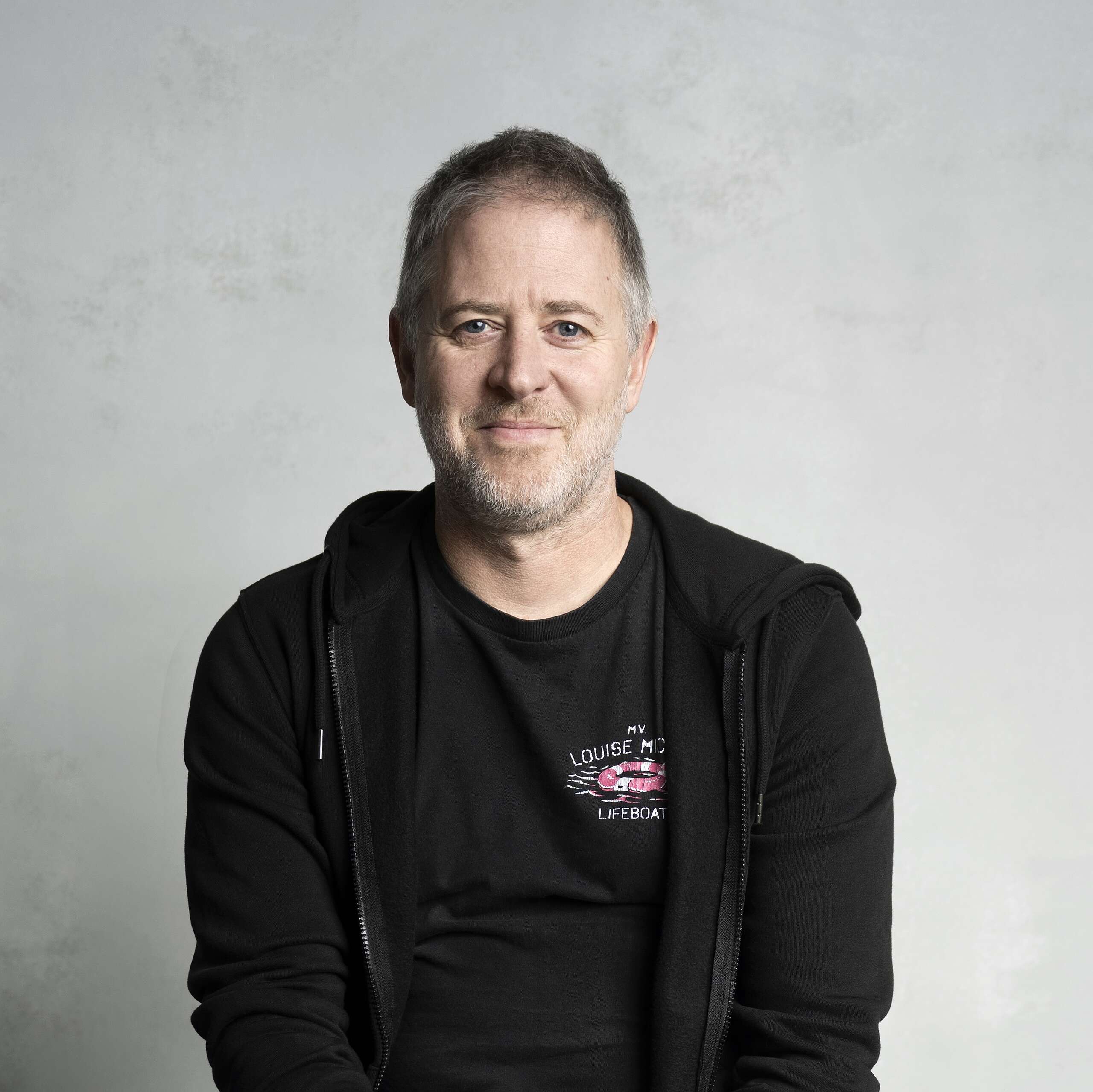
Fabien has been part of the Greenpeace movement for more than 20 years, beginning as a logistics and actions coordinator in Belgium. Since then, he has coordinated multiple ship tours and campaigns around the world—from the global response to the arrest of activists in Russia to climate conferences in South Africa and the Middle East. As an expert trainer in non-violent direct action and crisis management, he has prepared and supported hundreds of staff and activists, both inside and outside the Greenpeace network, to take action on the front lines of environmental and social struggles.
As Deputy International Programme Director, Fabien equips the global Greenpeace network with the campaign resources, logistical strength, and tactical expertise needed to achieve its environmental missions. He also leads major initiatives on risk management and the evolution of the Greenpeace fleet, including the development of the next-generation environmental flagship, designed to minimise emissions and exemplify sustainable maritime technology.
Jasper Inventor, Deputy International Programme Director
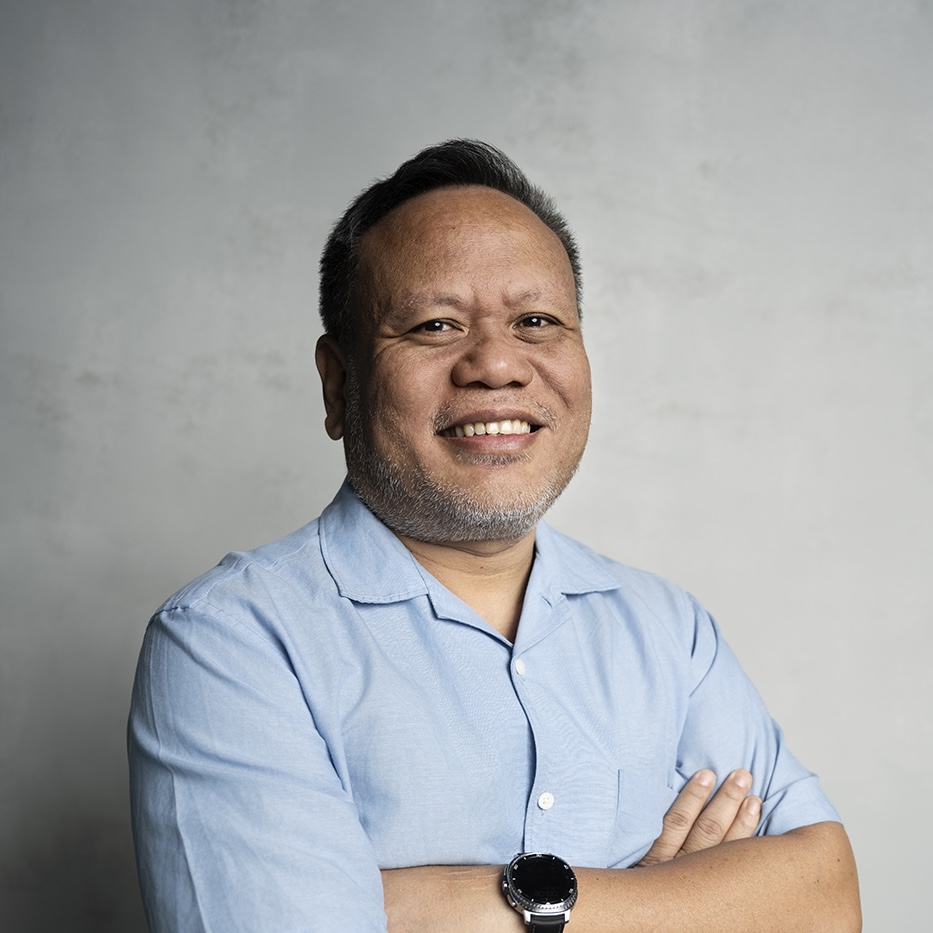
Jasper is a seasoned environmental leader with over two decades of experience in international climate politics and energy policy. After starting his journey with Greenpeace Southeast Asia as a volunteer, Jasper rose through the ranks to serve as Programme Director for many years. He specialises in navigating multilateral forums to advocate for science-based, equitable solutions, bridging the gap between grassroots communities and global policymakers. He is based in Manila.
As Deputy International Programme Director, Jasper leads GPI’s global biodiversity strategy, and oversees the organisation’s research and science capabilities, working to ensure that GPI’s campaigns are evidence-based and positioned to drive systemic change.
Remuneration Policy
The International Executive Director and the Strategy and Management team are paid a salary that is commensurate with their level of responsibility.
The annual remuneration of the IED as well as the SMT as a whole can be found in the financial statements and annual reports.
Annual reports, Financial Statements and Transparency
Greenpeace International has adopted an Open Information Policy, which is designed to ensure we meet both legal requirements and best practice in the handling of information. It follows the principles of availability, integrity and confidentiality (in priority order), while at the same time safeguarding, from abuse or compromise, our supporters’, people’s, allies’ and partners’ and our own sensitive information.
Here you can find our current annual report and financial statements.
International Meetings
High-level international organisational and campaign issues are agreed on at a number of annual international meetings.
GPI Council and Annual General Meeting
Each National/Regional Organisation (NRO) Board sends a representative (called a Trustee) to the Greenpeace International Annual General Meeting (AGM). Together, the Trustees make up the Council and the Council is the guardian and the cohesion and mission of the international Greenpeace network.
Key responsibilities of the Council include:
- To establish and uphold the core principles of the organisation;
- To remove the Greenpeace International Supervisory Board;
- To appoint and dismiss a Council Chair;
- To appoint and dismiss Trustee-members of the Supervisory Board Search Committee;
- To be a forum for policy, campaign policy and direction of the organisation
- To be consulted by the Supervisory Board on changes including but not limited to the NRO Guidelines, changes to the model license agreement, the annual Budget Ceiling and changes to the Contribution Model
- To identify issues of strategic significance to be addressed by the organisation.
These issues are annually debated and voted on by the Trustees at the AGM.
Global Leadership Team Meetings
The Global Leadership Team (GLT) is a global advisory body that supports the International Executive Director and comes together once a month. It normally consists of seven NRO Executive Directors who self-nominate and, following a poll of Executive Directors, are appointed by the IED. The GLT advises on high-level strategic issues, including the development of the global network, major programme resources, global standards and evaluations, and global programme coordination. The GLT does not make decisions; they provide recommendations, final accountability rests with the IED, who reports to the SGC Board.
Executive Directors’ Meeting
The Executive Directors of all the NROs meet yearly with the Greenpeace International Executive Director. At these meetings, they aim for broad agreement on issues such as Greenpeace’s role in society; the long term global programme (The Framework) and planning process; and model organisational policies and procedures for the global network.
Editorial Ownership of Website Content
The content on each subsection of greenpeace.org is published and managed by the relevant Greenpeace organisation. Pages whose address begins with https://www.greenpeace.org/international, for example, are under the editorial control of Greenpeace International. For questions, comments or other feedback, please contact the responsible Greenpeace organisation. You can generally see at the top or bottom of each page which organisation’s section you are on.