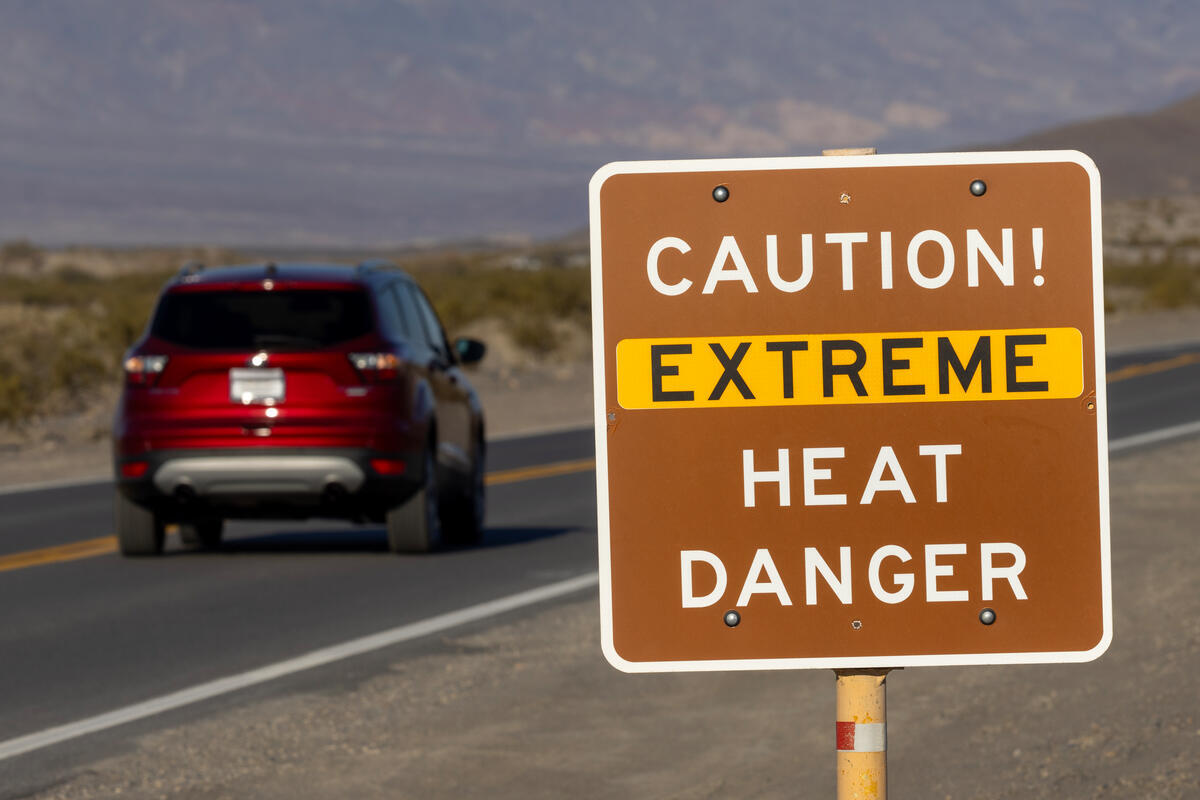
COP30 – UN Climate Change Conference
This will be the first COP since global average temperatures exceeded 1.5°C in 2024 – an alarming indicator of the accelerating climate crisis. As we approach dangerous tipping points, COP30 must urgently shift from commitments to implementation, and from voluntary initiatives to coordinated global action.
10 – 21 November 2025
Belém, Brazil

At COP30 Greenpeace is calling for:
- A Global Response Plan to address the 1.5°C ambition gap and accelerate emissions reductions in this critical decade.
- A new, dedicated 5-year Forest Action Plan to halt and reverse deforestation and forest degradation by 2030.
- The establishment of a new standing UNFCCC agenda item to drive NCQG delivery, particularly scaling-up public finance from developed countries, and advance polluter-pays taxation to unlock scaled-up public finance for developing countries.
Media Briefings
- Political Demands – COP30 must meet the moment – with ambition, courage and climate justice
- Making Polluters Pay for Climate Damages
- Ending Forest Destruction by 2030
-
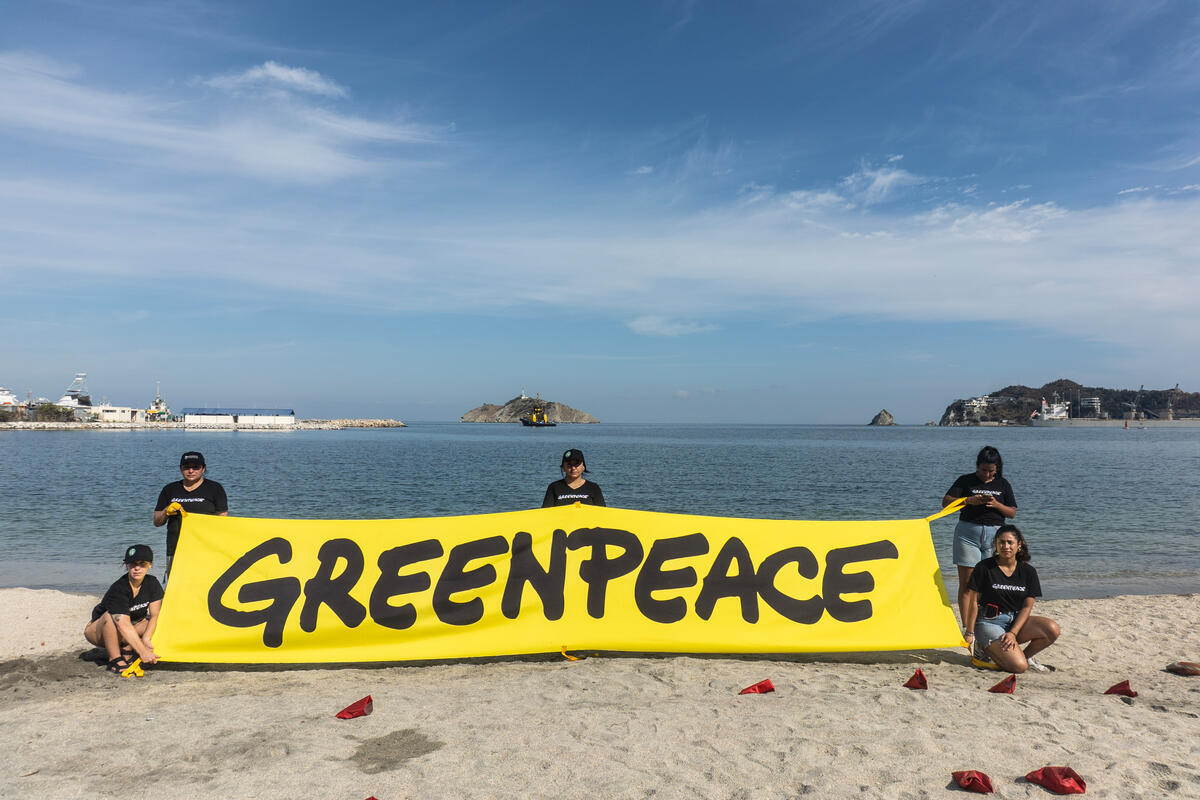
Santa Marta conference to end fossil fuels a landmark moment for climate and energy stability
The landmark Santa Marta conference for the transition away from fossil fuels represents an important milestone on the road to long-term climate and and energy stability.
-
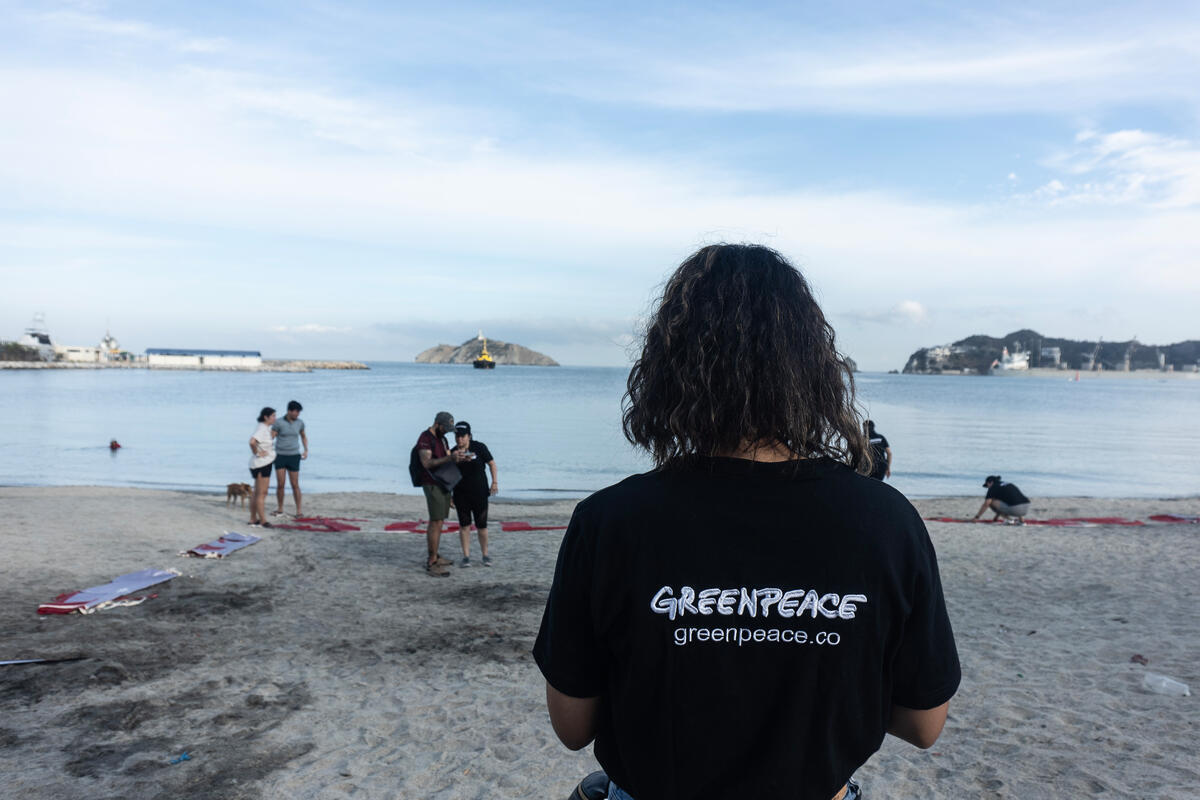
The Santa Marta Fossil Fuels Conference reminded me why we do this
Greenpeace Colombia campaigner reflects on experience at First International Conference on Transitioning Away From Fossil Fuels in Santa Marta, Colombia.