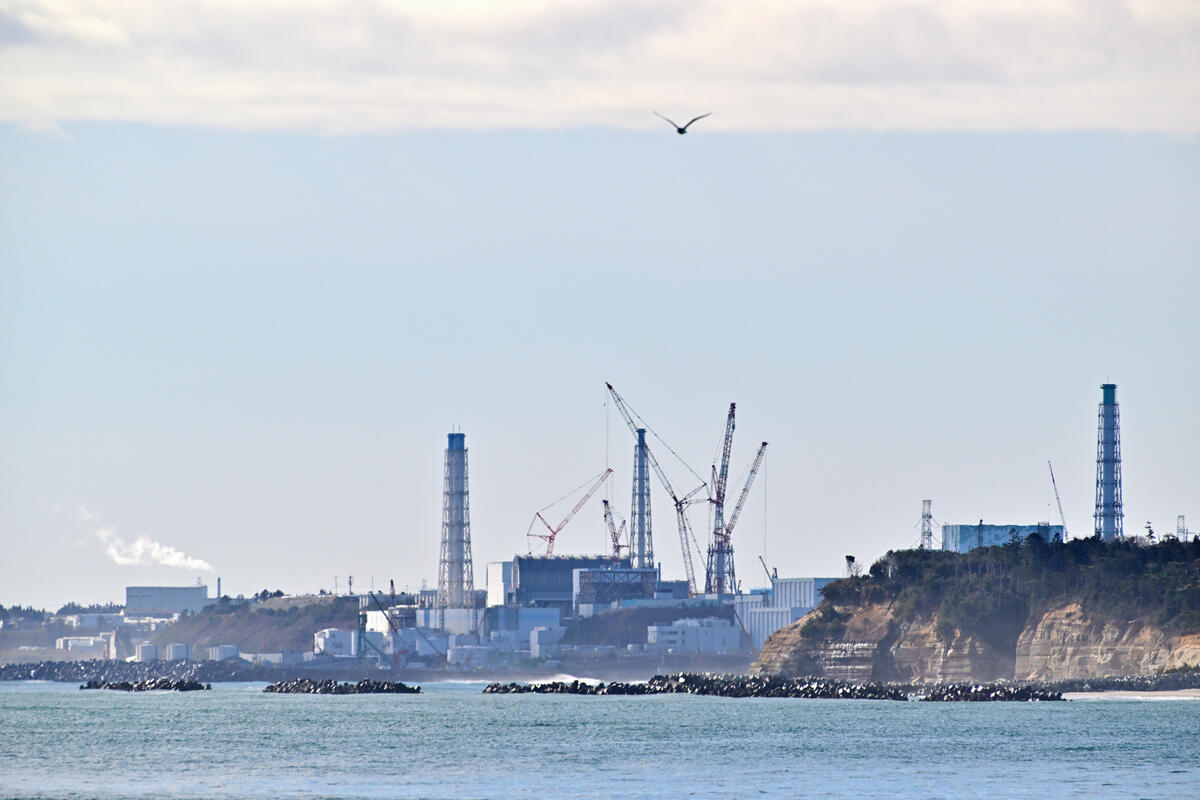
This enormous monstrosity is the world’s first purpose-built floating nuclear power plant. It’s now bound for the Arctic.
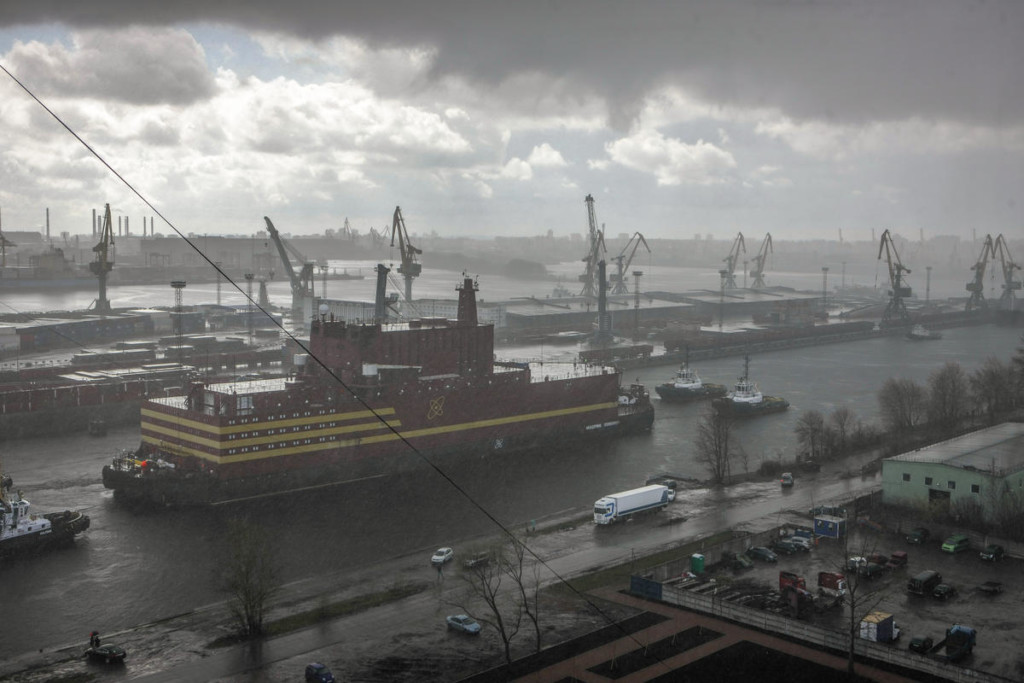 © Greenpeace
No, we’re not joking. No, this isn’t science fiction. This is really happening.
Rosatom, the Russian state-controlled nuclear giant, is launching the “Akademik Lomonosov”, the first of its kind, into the world. It’s currently being towed through the Baltic sea, where it will go all around Scandinavia to Murmansk, to be fuelled and tested, before it heads off on a 5,000 km journey through the Arctic. They plan on building and selling more plants like these to other countries, like China, Indonesia, and Sudan.
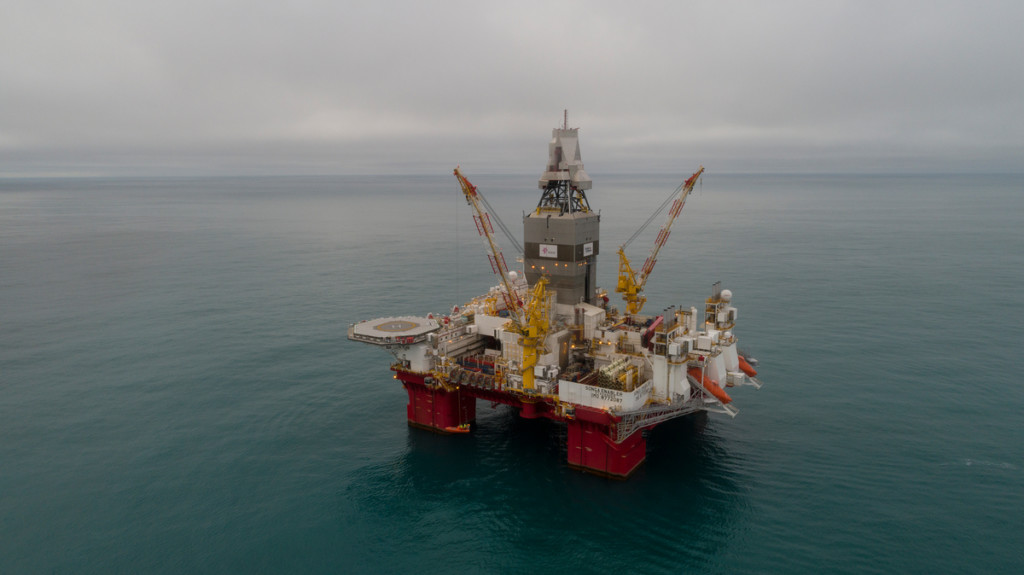
We already know the risks of drilling for oil in such a wild and fragile region, but a floating nuclear reactor could be even worse. Here’s why:
1. It’s a catastrophe waiting to happen
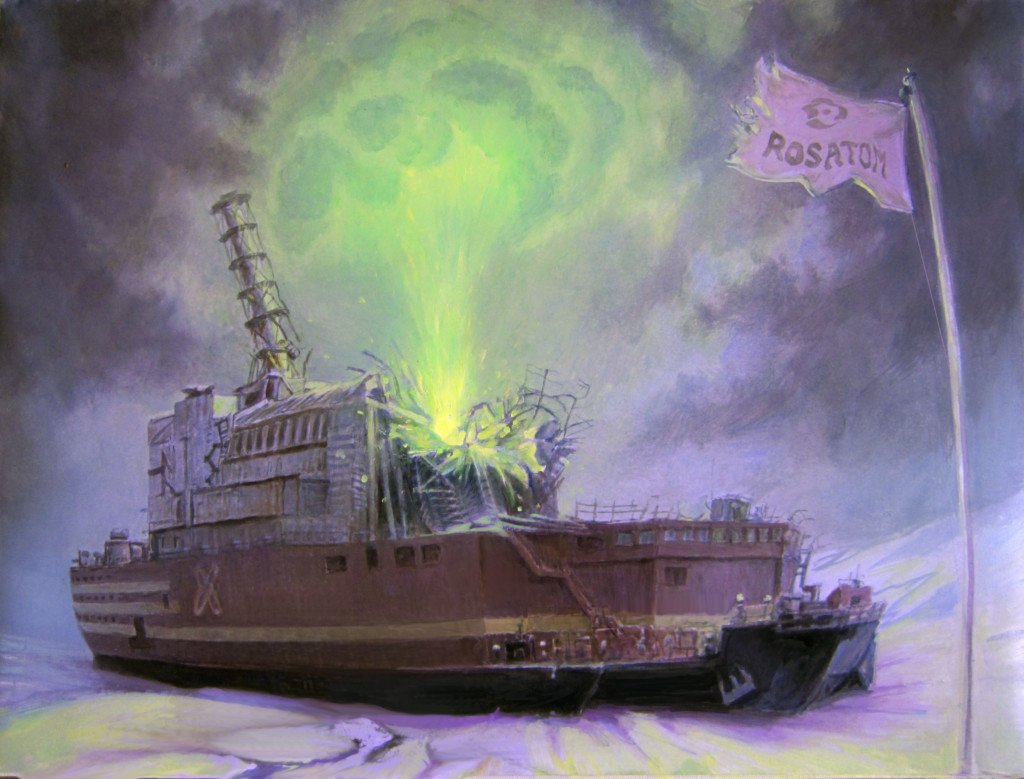
Nuclear reactors bobbing around the Arctic Ocean pose a shockingly obvious threat to this wild and fragile environment.
Rosatom has said that the plant “is designed with the [sic] great margin of safety that exceeds all possible threats and makes nuclear reactors invincible for tsunamis and other natural disasters.” Remember the last time a ship was called ‘unsinkable’?
Nothing is invincible. The problem is that this nuclear titanic has been constructed without any independent experts checking it. In Chornobyl, there was a similar lack of oversight.
This plant’s flat-bottomed hull makes it particularly vulnerable to tsunamis and cyclones. A large wave can pitch the power station onto the coast. It also can’t move by itself. If it comes loose from its moorings, it can’t move away from a threat (an iceberg or a foreign vessel, for example) increasing the risk of a deadly incident. A collision could damage its vital functions and lead to a loss of power and damage its cooling function, and that could lead to a release of radioactive substances into the environment.
2. Imagine how hard it will be to deal with the consequences
There are so many things that could go wrong here: it could flood, or sink, or run aground. All of these scenarios could potentially lead to radioactive substances being leaked into the environment.
In the case of a collapse, the core will be cooled by the surrounding seawater. While this seems like a good idea, when melting fuel rods come into with seawater, it will first lead to a seawater explosion and potential hydrogen explosions that will spread a large amount of radioactive isotopes into the atmosphere.
A damaged reactor could contaminate much of the marine wildlife in the near vicinity. That means that fish stocks could be contaminated for years to come. A radioactive Arctic is not a pretty scenario. The areas around Fukushima and Chornobyl are already difficult to clean up; imagine the polar night, deep sub-zero temperatures and Arctic storms.
3. The terrible track record of nuclear ships, icebreakers and submarines
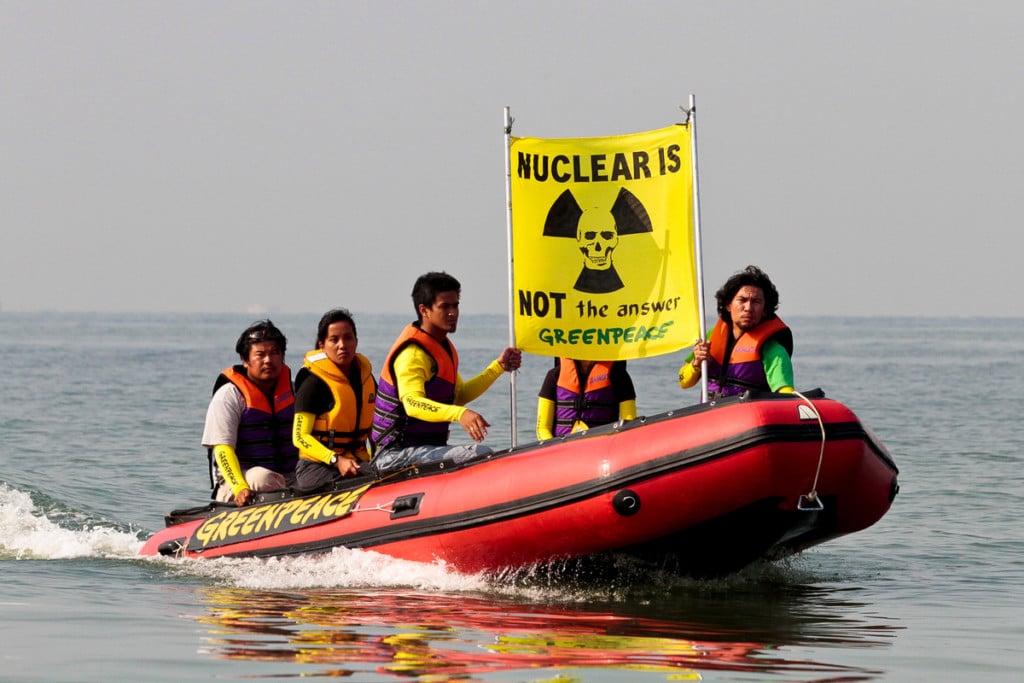
There is very very long list of incidents and accidents with existing nuclear submarines and icebreakers.
The very first nuclear icebreaker, Lenin, had a cooling accident in 1965, resulting in a partial meltdown of the core. The damaged radioactive core was dumped in the Tsivolki Bay near the Novaya Zemlya archipelago in 1967. In 1970 the reactor of a nuclear submarine (K-320) started up by itself at Krasnoye Sormovo wharf in Russia, releasing large amounts of radiation and causing hundreds of people to be exposed. An accident during fuel loading of the reactor of a nuclear submarine in Chazma in 1985 irradiated 290 workers leading to 10 casualties and 49 people injured. The list goes on…
Rosatom’s plans to build a fleet of floating nuclear power stations means an unprecedented increase of the risk of nuclear incidents and accidents in the Arctic.
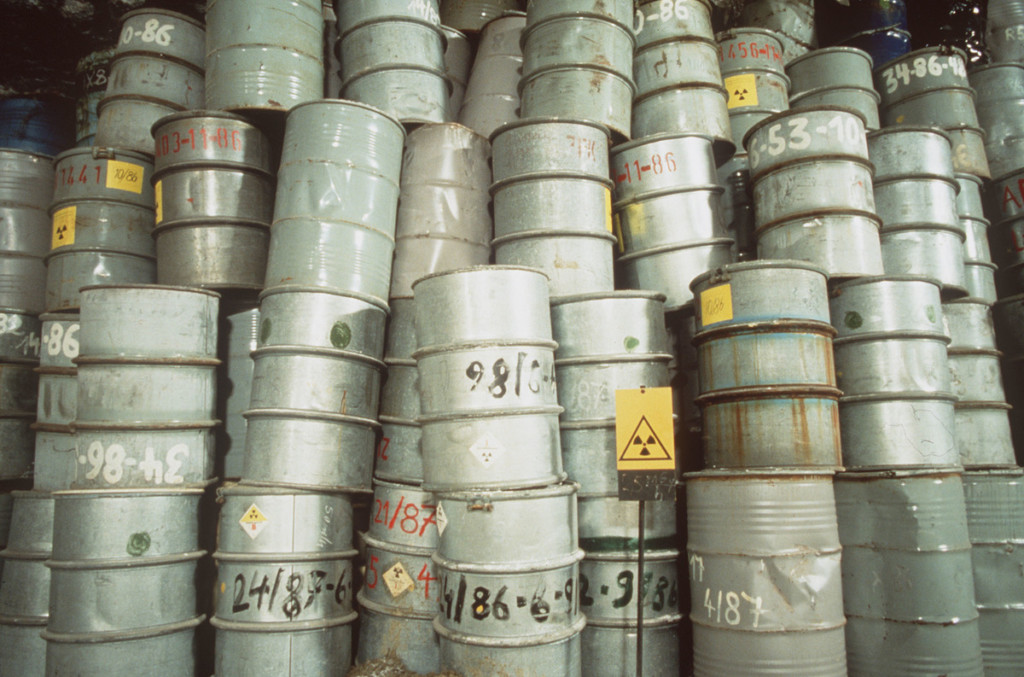
4. A nuclear dumping ground on water
 © Bernd Hoff / Greenpeace
 © Christian Åslund / Greenpeace © Christian Åslund / Greenpeace” alt=”Statoil oil rig in the Arctic