
A win for Indigenous rights, a victory against pig factory farms, a semiconductor manufacturing giant accelerates its renewables energy transition – here are some of this month’s notable wins in the climate and environmental justice space to inspire us in our fight for a better, greener, and fairer world for all.
Brazil – Major win for the protection of Indigenous Rights
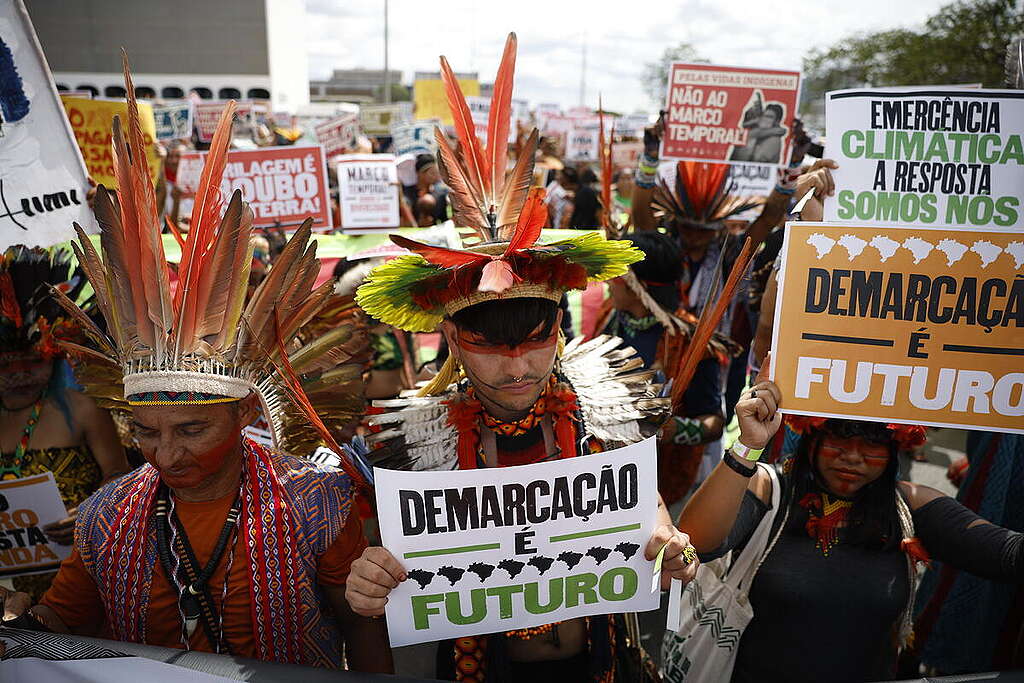
On 21 September, Brazil’s Supreme Court voted against the so-called Marco Temporal, a controversial legal thesis that tried to impose a cutoff date on Indigenous People’s claims to their ancestral lands. The potential consequences of this decision would be massive, including making it easier for land grabbers to advance in these critical territories.
This is a major win for Indigenous People and civil society, who have been mobilising and supporting the fight for their rights. This is also an important win in the fight against the global climate and biodiversity crisis, as Indigenous Territories are vital for the protection of the Amazon forest.
However, the fight continues as a project law with similar language is being pushed forward in the Senate, once again putting the Indigenous Peoples’ rights to their traditional land at risk. We cannot rest and must keep pushing against the setbacks and ensure Indigenous Peoples rights are protected.
Denmark – Victory against pig factory farms
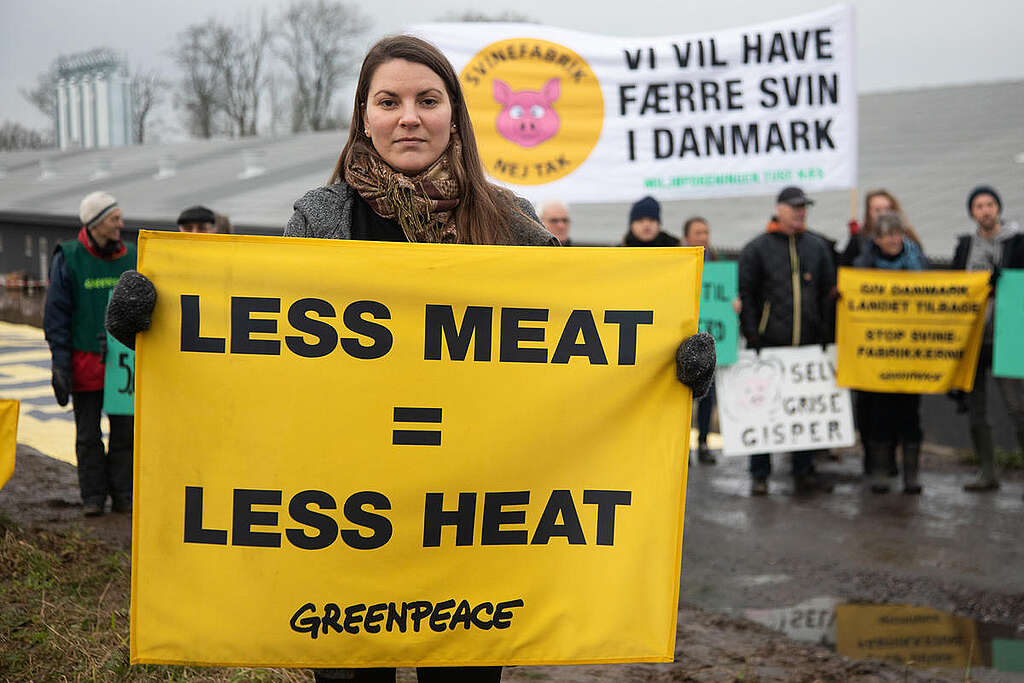
On 20 September, a new bill was proposed by the Danish Minister of Environment, Magnus Heunicke, to no longer allow factory farms to circumvent regulations by dividing their livestock production on two plots of land to be able to pollute twice as much from their farm. The Danish minister has listened to the protests from local neighbours and Greenpeace to a planned expansion of a pig factory, and the minister has finally taken action to close this absurd loophole in Danish law.
In 2020, the small country of Denmark was home to over 3,000 pig factories and had the highest number of pigs per capita in the world. This is an important victory against factory farms, a victory for Danish ecosystems and local rural communities who fought a long and tough battle against the pig industry.
Taiwan – Semiconductor manufacturer, TSMC, accelerates its renewables energy transition
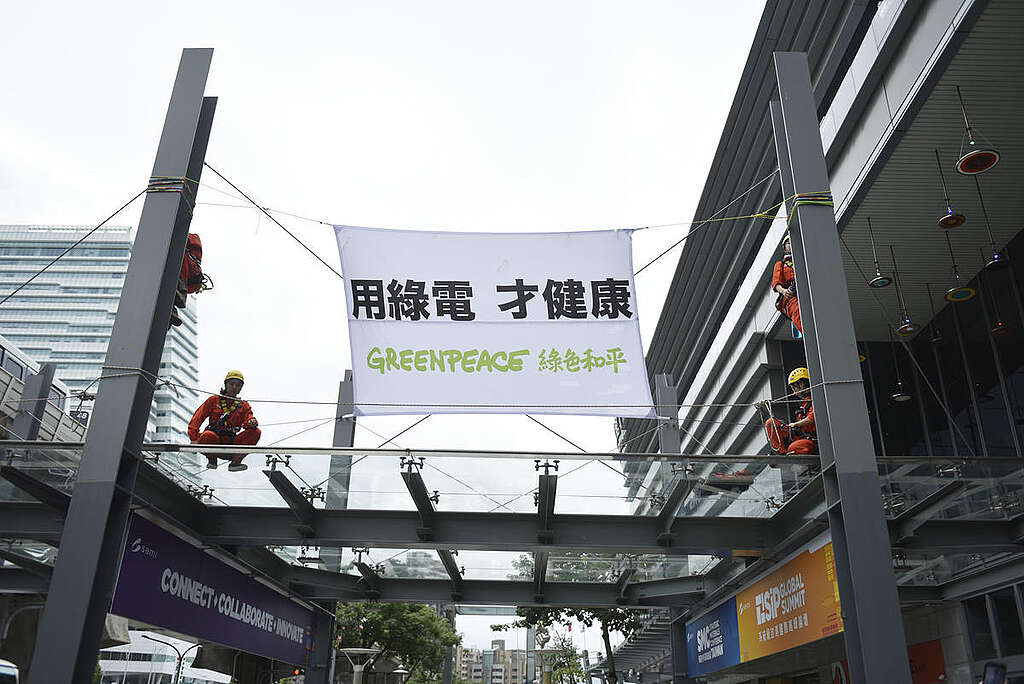
On 15 September, Taiwan Semiconductor Manufacturing Corporation (TSMC) announced they will achieve RE100% by 2040 (previously by 2050) and also up their mid-term target to 60% by 2030. This is a big victory as Greenpeace East Asia has been actively campaigning for them to reconsider their renewables target after releasing a report that the tech supply chain is a fast-growing but hidden source of carbon emissions.
TSMC is one of the world’s largest semiconductor manufacturers. Its operations are extremely energy intensive, consuming more than 6% of Taiwan’s electricity, so for the company to switch to renewables would be a big step forward to achieving a cleaner, greener future.
Indonesia – Deforestation halted on Awyu Indigenous Lands
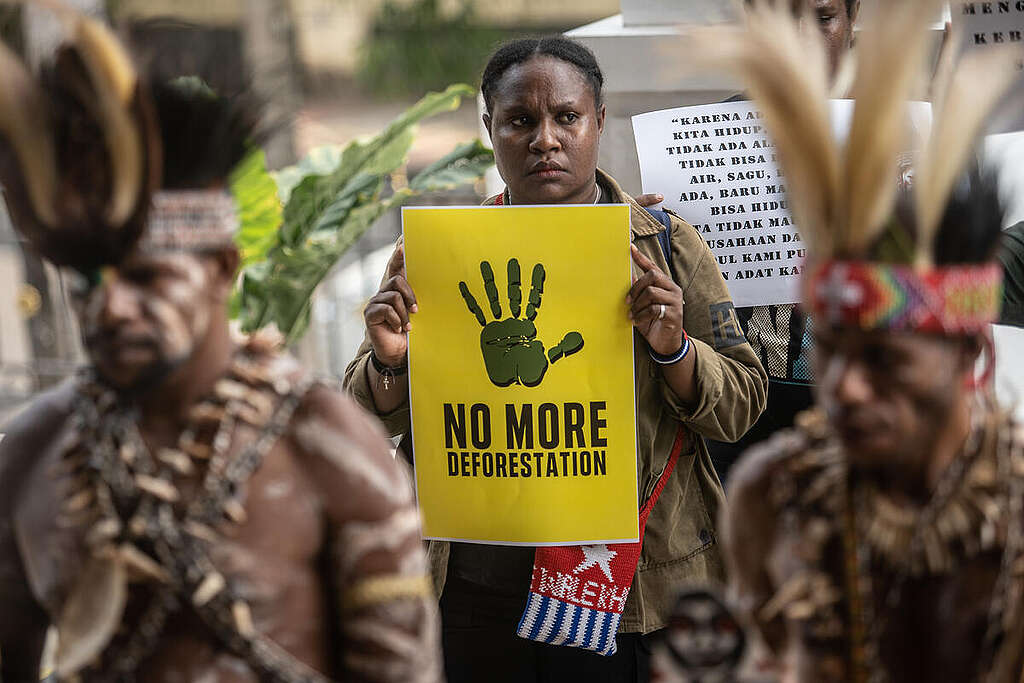
On 5 September, the Awyu Indigenous landowners of Papua, Indonesia, with the support of Greenpeace Indonesia, scored a major win when the court rejected a lawsuit by two palm oil companies against a decision by the Minister of Environment and Forestry. The two companies will not be legally permitted to continue deforestation beyond the 8,828 hectares of Indigenous forestland that has already been cleared for palm oil plantations. This verdict has the potential to save 65,415 hectares of pristine rainforest, which is almost the size of the Jakarta region.
This is a major win but the fight continues as the West Papua’s Indigenous Peoples continue to defend their customary forests from land grabbing by plantation companies, the scale of which is documented in a recent Greenpeace International report.
Thailand – Thai court rules that government has to implement new pollution regulation
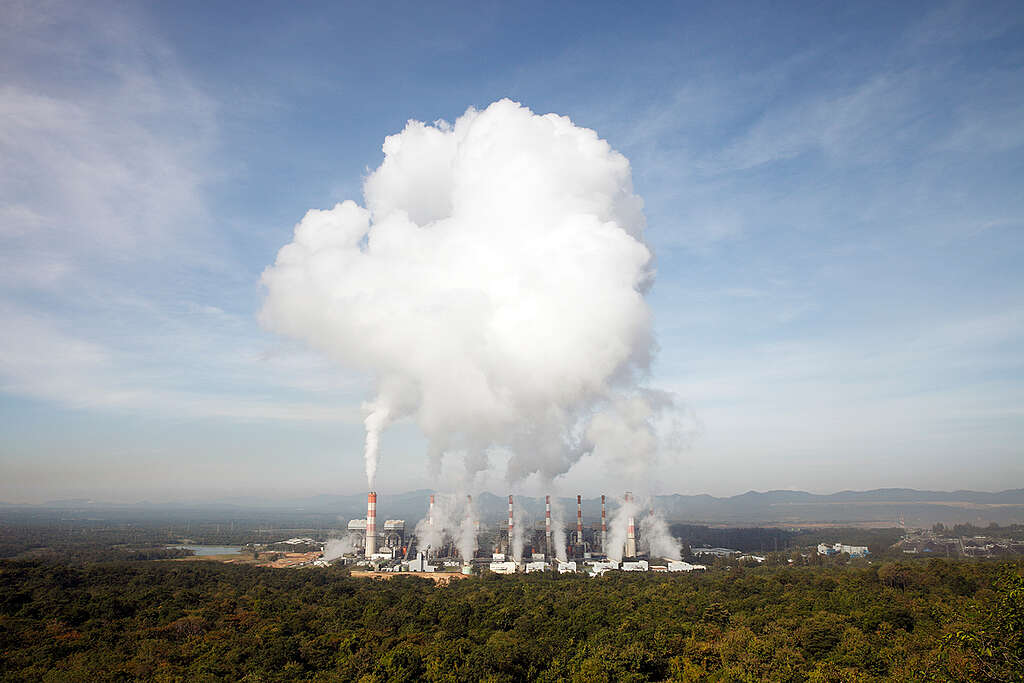
On 29 August, a Thai court ruled that the Ministry of Industry has to implement the Pollutant Release and Transfer Register (PRTR) within 60 days. PRTR is a key tool for governments to provide the public with pollution data from a wide range of industries. The public has a right to know what is in the air they breathe and the water they drink.
This is a major victory for the #RightToCleanAir coalition formed by Thai environmental organisations, including Greenpeace Thailand. The group had filed a lawsuit against the National Environment Board (NEB) and two ministries for failing to step up action on the PM2.5 crisis, and the implementation of the PRTR is a major step in the right direction.
Colombia – Records the lowest deforestation in nine years
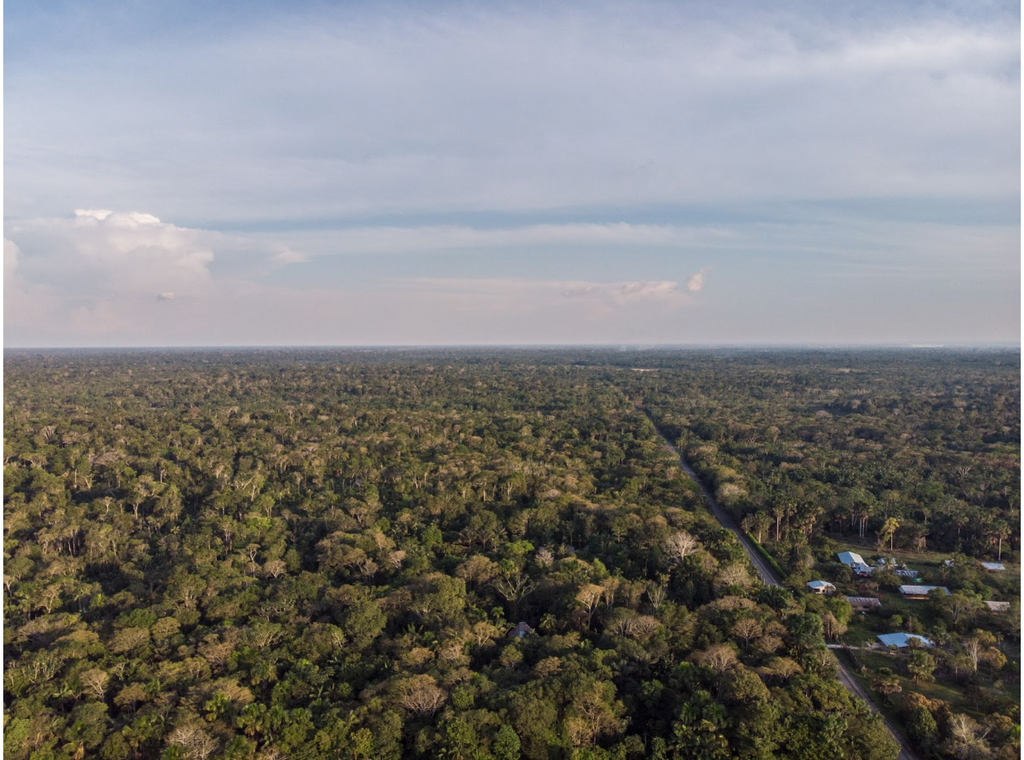
Colombia managed to stop the trend of increasing deforestation. According to an annual report released in July, forest loss for the year 2022 was 29% less than in 2021 and the lowest figure since 2013. Colombia had signed a commitment to reduce deforestation to at least 100,000 hectares per year by 2025.
Although the reduction of deforestation is historic, there is no flagging in maintaining the work to achieve the goal of zero deforestation. Colombia has to comply with the national government’s proposal to declare 30% of Colombian territory under some form of protection and achieve the goal of 30% by 2030, which will contribute to the goal of continuing to reduce deforestation.