A version of this blog was first published by Greenpeace Africa on 9 March 2026.
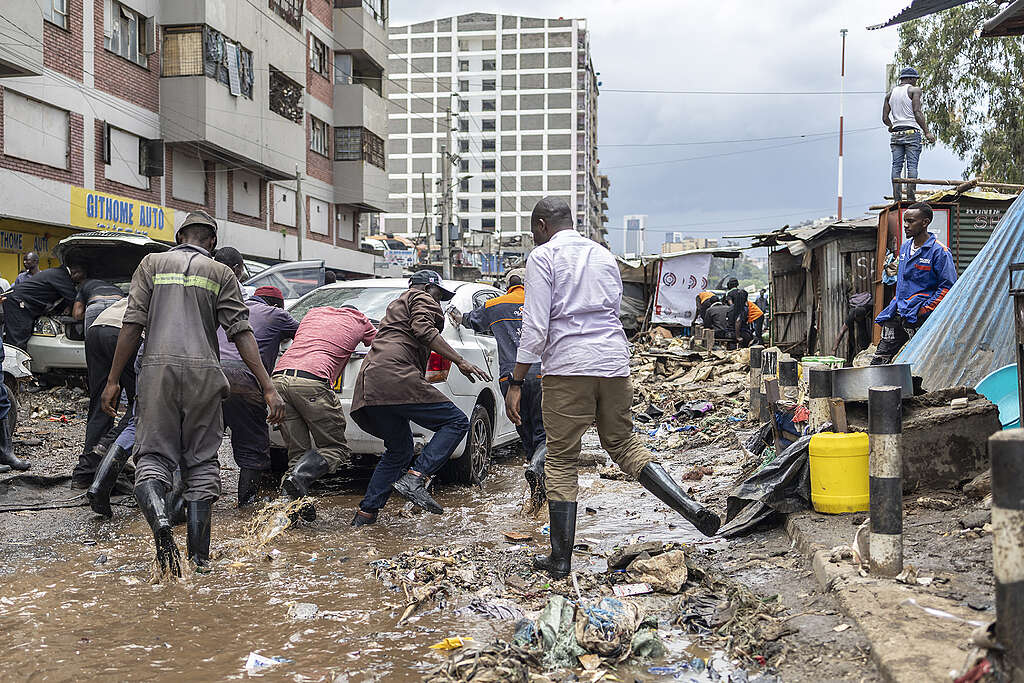
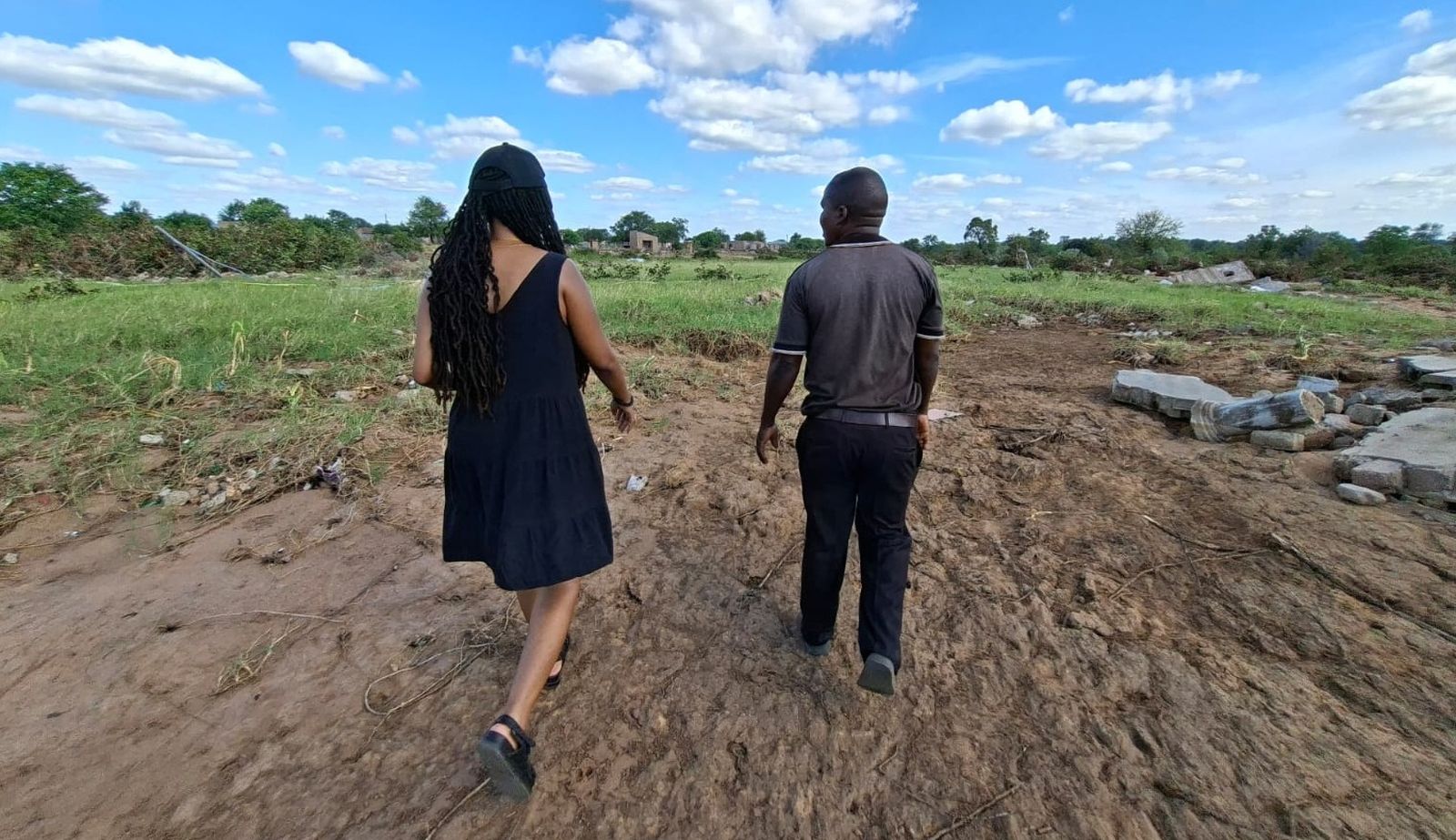
Nairobi woke up on Saturday to streets turned to rivers, homes submerged, and families torn apart. At least 42 people have lost their lives, fathers, mothers, children, swept away in a single night of rain. Greenpeace Africa grieves with every family carrying that loss today. We stand with the people of Mukuru, Kibra, Mathare, Huruma, and Embakasi, communities that had already endured so much, and that deserved so much more protection than they received.
The people of Kenya deserve more than condolences. They deserve justice.
Disproportionate climate impacts
For years, communities, scientists and climate advocates across Kenya have raised the alarm that the climate crisis was not a future threat but a present reality, already reshaping weather patterns, already threatening lives. Those warnings were not heeded with the urgency they deserved. The devastating scenes across Nairobi last week are a heartbreaking reminder of what is at stake when we fail to act in time.
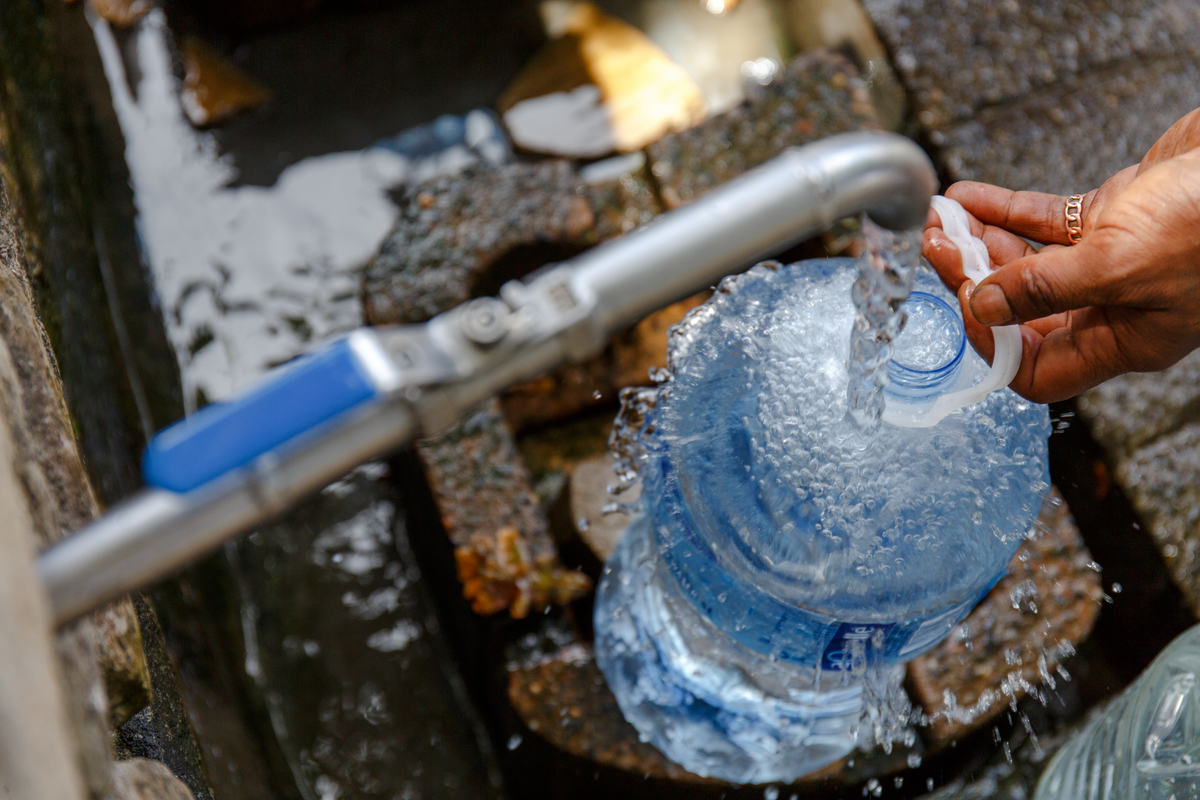
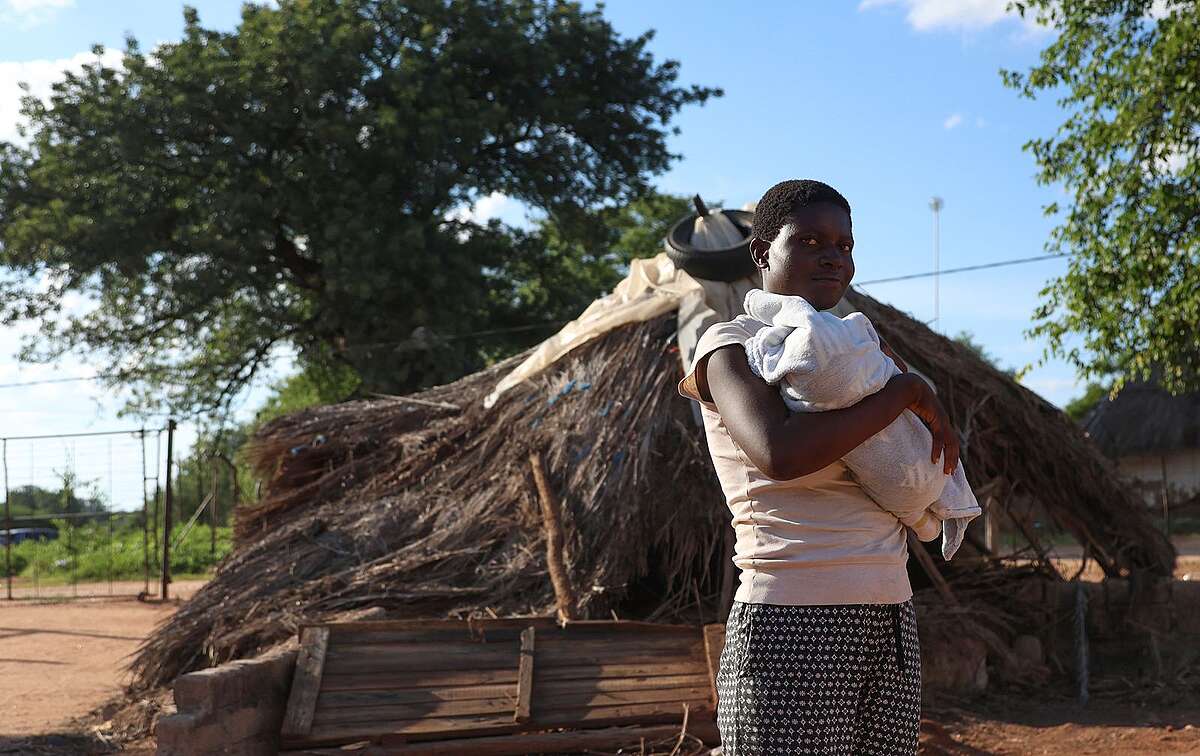
What Kenya is living through right now is not an isolated catastrophe. While Nairobi drowns, communities in North Eastern Kenya are facing prolonged drought that has decimated livelihoods, dried up water sources, and pushed families to the edge. Flood and drought. Deluge and dryness. These are not opposites. They are two faces of the same broken climate system, and Kenya is bearing both at once.
Scientists have confirmed that the climate crisis made the extreme rainfall behind floods approximately 40% more intense. These are not acts of God. They are the consequences of decades of unchecked emissions by the world’s wealthiest nations and corporations, consequences being paid, in lives, by communities who contributed almost nothing to this crisis.
Weakening Kenya’s natural defences
This crisis has also laid bare a painful and urgent truth: Kenya is actively dismantling the natural systems that protect its people. Forests are not scenery. They are infrastructure. They absorb rainfall, anchor soil, regulate rivers, and shield downstream communities from exactly the kind of flooding that devastated Nairobi this week. When we destroy them, we don’t just lose trees. We strip away the first line of defence that stands between a heavy rainstorm and a catastrophe.
Kenya’s forests, from the urban green lungs like Karura in the heart of Nairobi to the highland water towers of the Mau Complex and the Aberdares, are the country’s natural flood defence. They absorb rainfall, regulate rivers and protect communities downstream. Yet they continue to face encroachment, illegal logging and weak enforcement. Every hectare lost is another community left more exposed and we are losing far too many.
But forests alone are not enough. Kenya has known for years that its cities, and particularly Nairobi’s informal settlements, are acutely vulnerable to flooding. The warnings have come from meteorologists, from engineers, from community leaders, from civil society. Yet drainage systems remain clogged and inadequate, early warning systems fail to reach the last mile, and residents in Mukuru, Mathare and Kibera have had to face rising waters with no meaningful preparation or support. That is not bad luck. That is a governance failure, one that costs lives every single rainy season, and that becomes more deadly with every degree of warming.
Building climate resilience
Disaster preparedness is not a luxury. It is a basic obligation of the government to its people. Kenya must invest urgently in climate-resilient urban infrastructure, functional early warning systems that reach every neighbourhood, and community-level emergency response capacity. Accountability must follow. When communities raise the alarm about blocked drainage, about encroachment on the forests that protect them, about the absence of emergency plans, those warnings must be acted on, not filed away until the next flood makes the front page.
Kenya’s government must urgently invest in climate resilience infrastructure: early warning systems that reach the last mile, drainage systems that can withstand intensifying rainfall, and social protection systems that catch communities when the rains don’t stop or when they don’t come at all. It must also champion Kenya’s rightful claim to Loss and Damage finance at the international level and demand that rich polluting nations pay their climate debt.
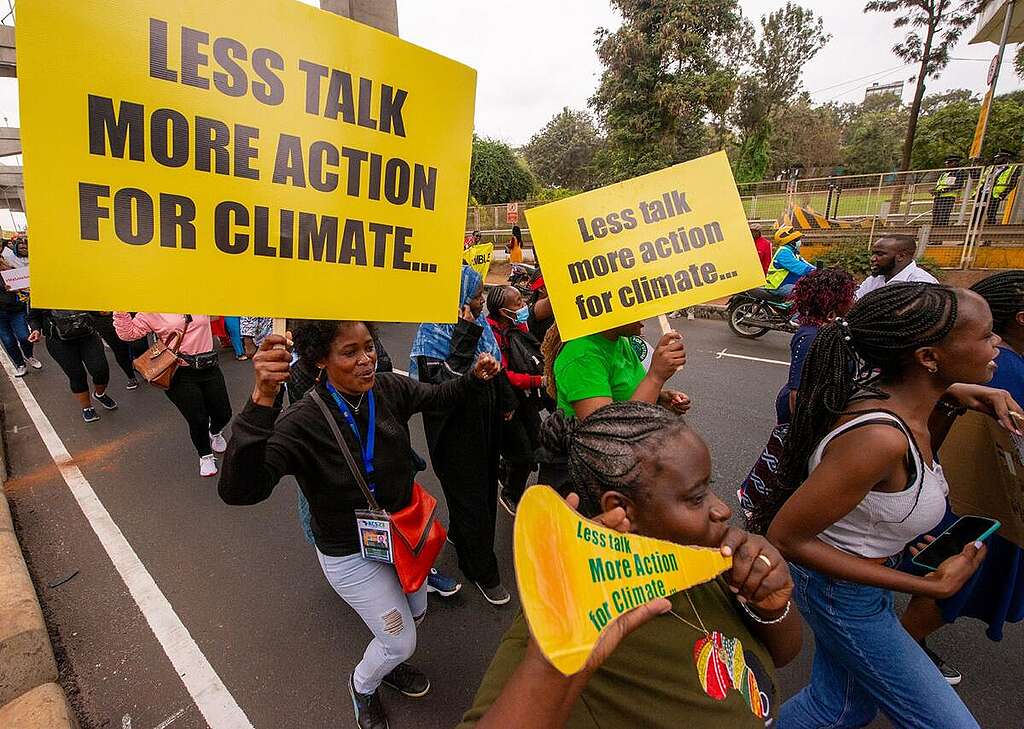
Demand that polluters pay for the damages they continue to cause across Africa and that they change course now
Add your nameSherie Gakii is the Communications and Storytelling Manager at Greenpeace Africa, based in Nairobi, Kenya.