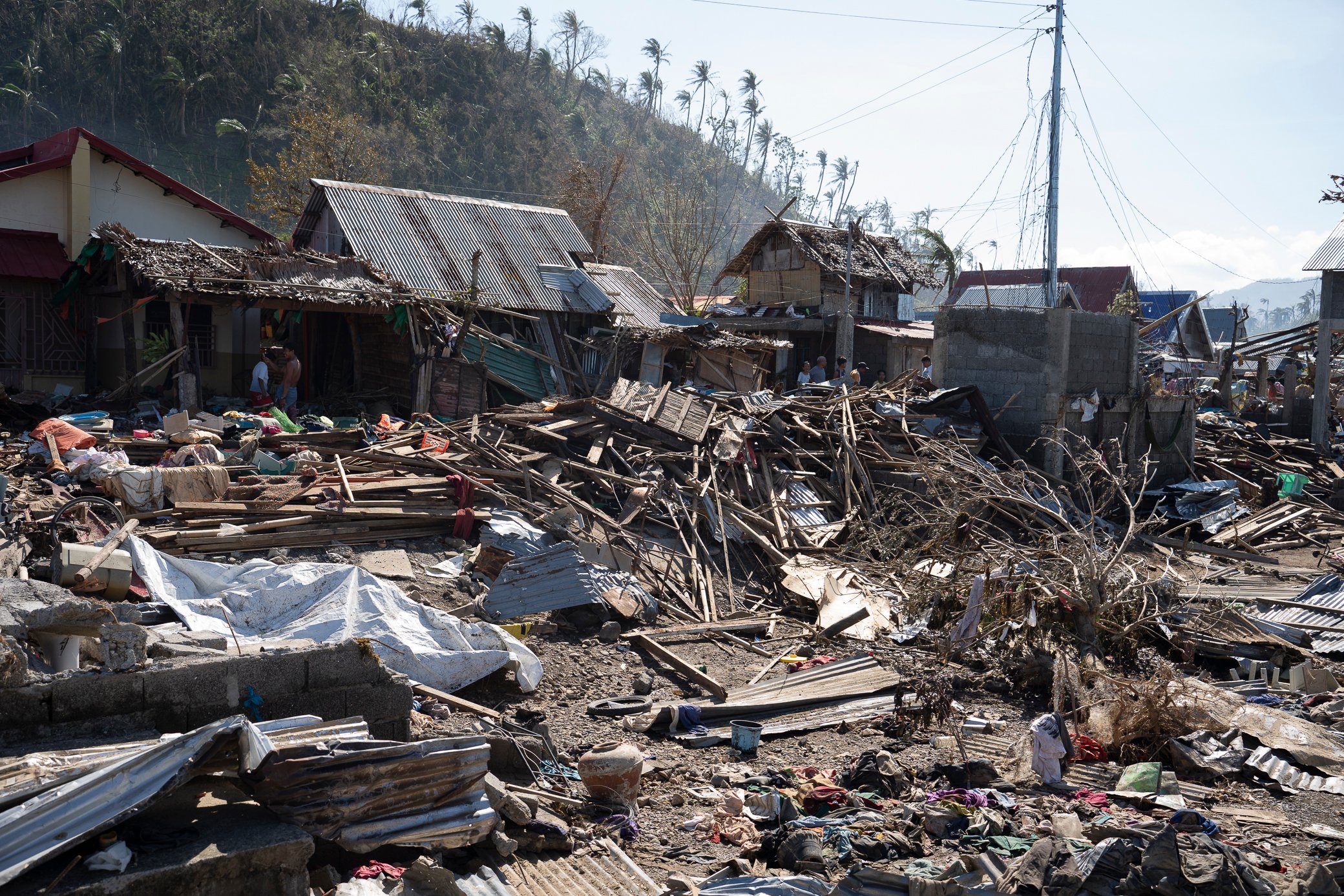
2026 has been quite an eventful year… and it’s only been three months! By March, we have seen a huge range of climate disasters in almost every part of the Earth. People around the world feel the effects, especially in areas vulnerable to the climate crisis. From forest fires in Chile to snowstorms in Japan, from cyclone in Sri Lanka to flooding in Brazil, France, and Kenya.
Scientists have warned us for years about the link between erratic weather, extreme heat, and heavy rainfall. These are clear signs of a climate emergency. Severe climate change shows in the polar vortex, flash flooding, and extreme weather. This isn’t a coincidence; it’s a choice made by politicians and a focus for the economy.
Since February 2026, we have seen billions of dollars being poured into the war against Iran. If only we had this kind of commitment and budgets promised at UNFCCC meetings or in securing the future of the communities living under the threat of climate change. Fighting climate change means pushing for strong public policies. It also involves stopping fossil fuel expansion and investing in cities that can protect lives. Governments and companies should look beyond profits. They need to think about the millions of people impacted. We need to start rethinking our priorities and focus on what’s really urgent. NOW
This is a short visual reminder of a few climate emergencies this year.
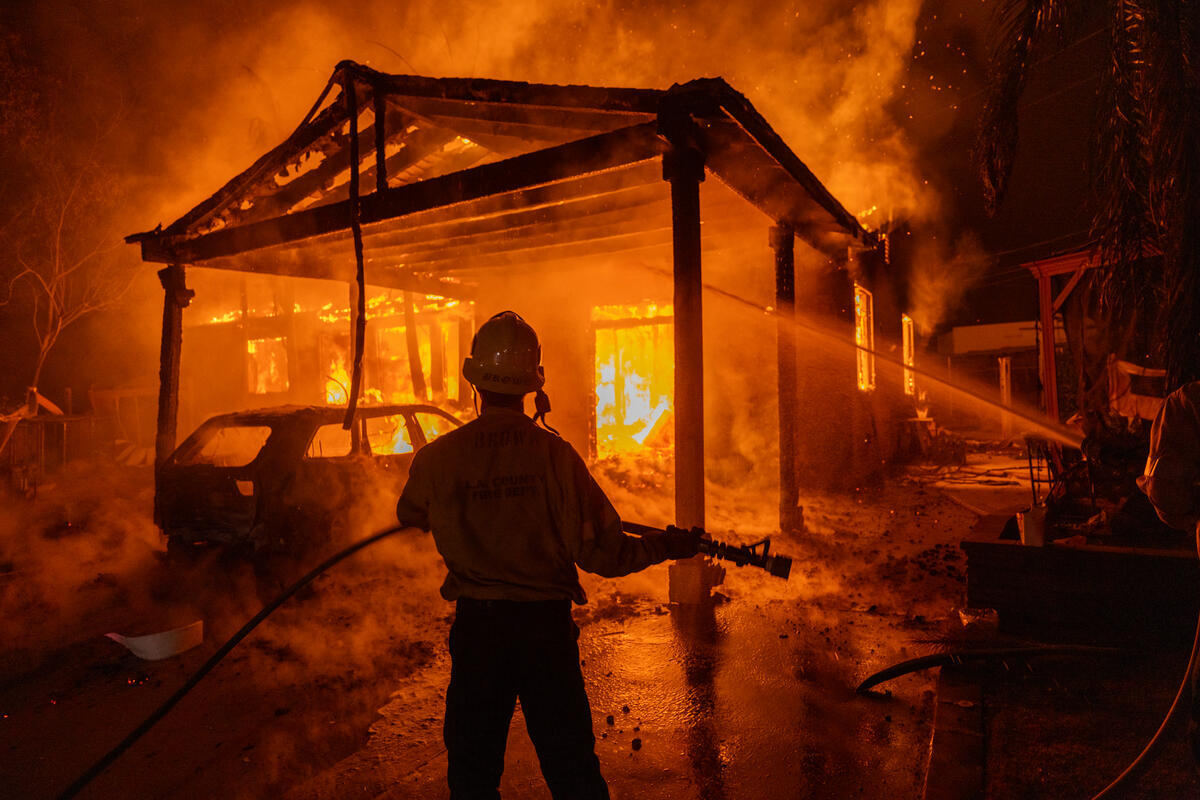
🇨🇱 Chile: In the 2025-2026 wildfire season alone, more than three thousand wildfires have already been recorded. Nationwide, the burned area is 193% higher than that of the previous season (2024-2025). The Ñuble, Biobío, and La Araucanía regions, among the hardest hit in southern Chile.
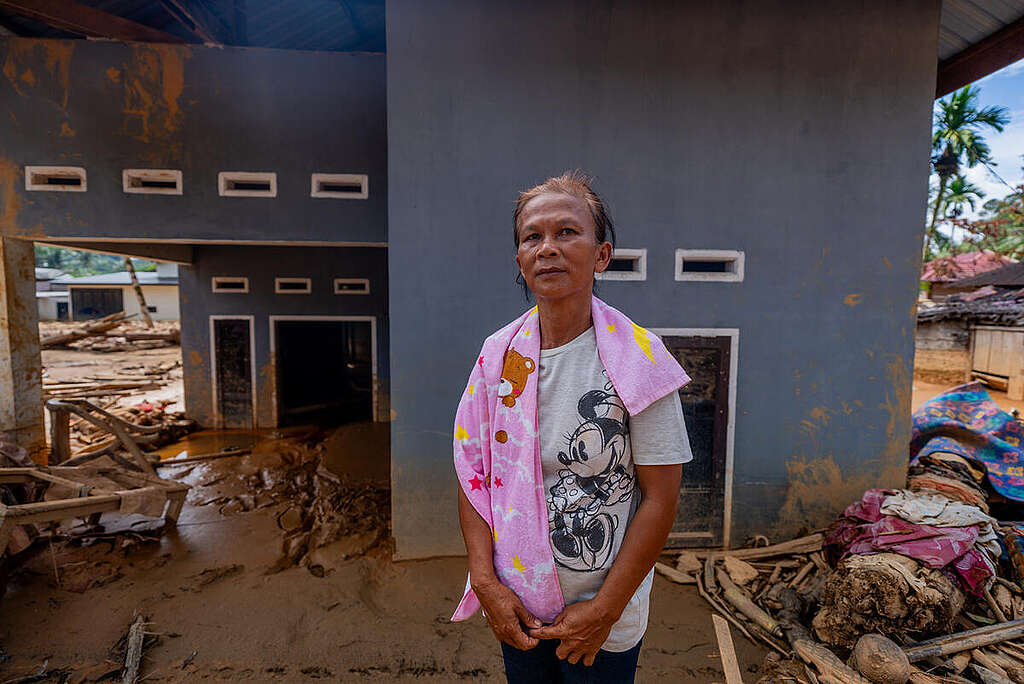
🇮🇩 Indonesia – A portrait of Mariasi Aritonang in front of her home that was affected by the flash floods in Tukka Subdistrict, Central Tapanuli, North Sumatra.
🇦🇷 Argentina: Greenpeace Andino documented forest fires in Chubut province (Patagonia, Argentina), which have already burned 30,000 hectares of forests. Greenpeace denounces the government’s negligence regarding the effects of the climate crisis.
🇯🇵 Japan: Japan faced a deadly winter after weeks of unusually heavy snowfall across its northern regions. At least 35 people died, mostly in prefectures along the Sea of Japan coast such as Niigata, Aomori, Akita, Yamagata, and parts of Hokkaido. Many of the deaths happened during everyday activities like clearing snow from rooftops and entrances, especially among elderly residents. In Aomori, snow on the ground crossed 175 centimetres, more than double the seasonal average, breaking records set four decades ago.
🇦🇺 Australia: Parts of Victoria, Australia, suffered some of its worst bushfires since the Black Summer fires of 2019–20. Over 400,000 hectares are estimated to have been burnt, an area more than five times larger than Singapore. This makes it more difficult for animals to find suitable habitat outside of burnt areas in a fragmented landscape as they recover.
🇫🇷 France: Several French regions experienced exceptional flooding in February 2026. Following Storm Nils, the entire western half of France was under a severe rain and flood warning. Concrete streets, uprooted hedges, straightened rivers… Human activity has depleted the soil, leading to a loss of its absorption and storage capacity and further exacerbating the flooding in western France.
🇺🇸 United States of America: A powerful winter storm in the northeastern United States forced school closures and pushed offices and transit systems to emergency schedules, with officials across the region warning of heavy snow, strong winds, and dangerous travel conditions.
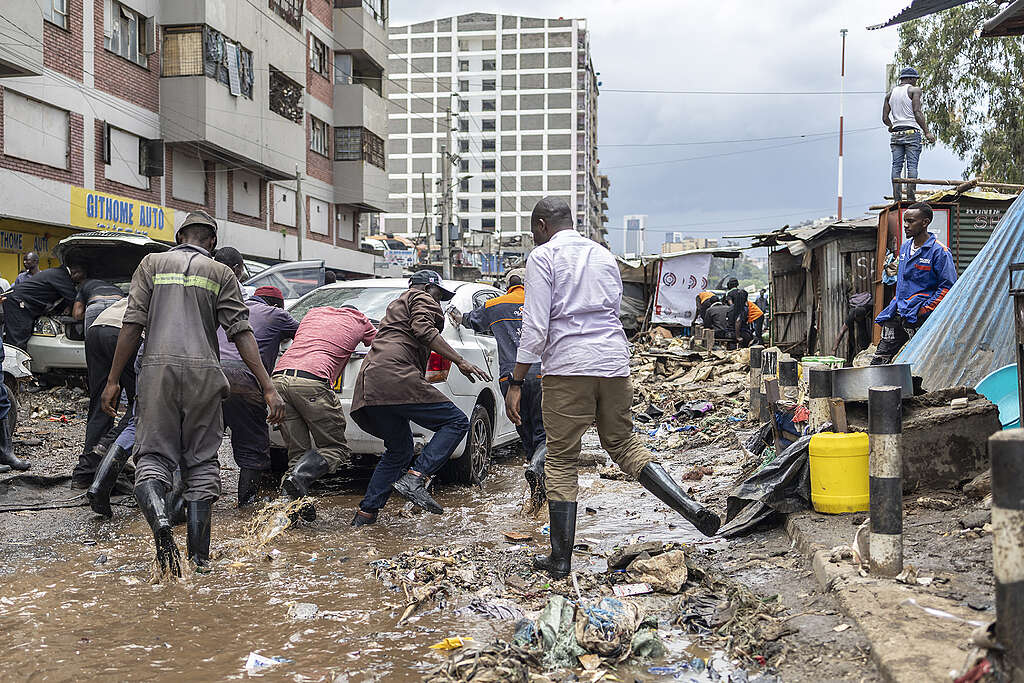
🇰🇪 Kenya: Nairobi woke up on Saturday to streets turned to rivers, homes submerged, and families torn apart. At least 42 people have lost their lives, fathers, mothers, children, swept away in a single night of rain. Greenpeace Africa grieves with every family carrying that loss today.