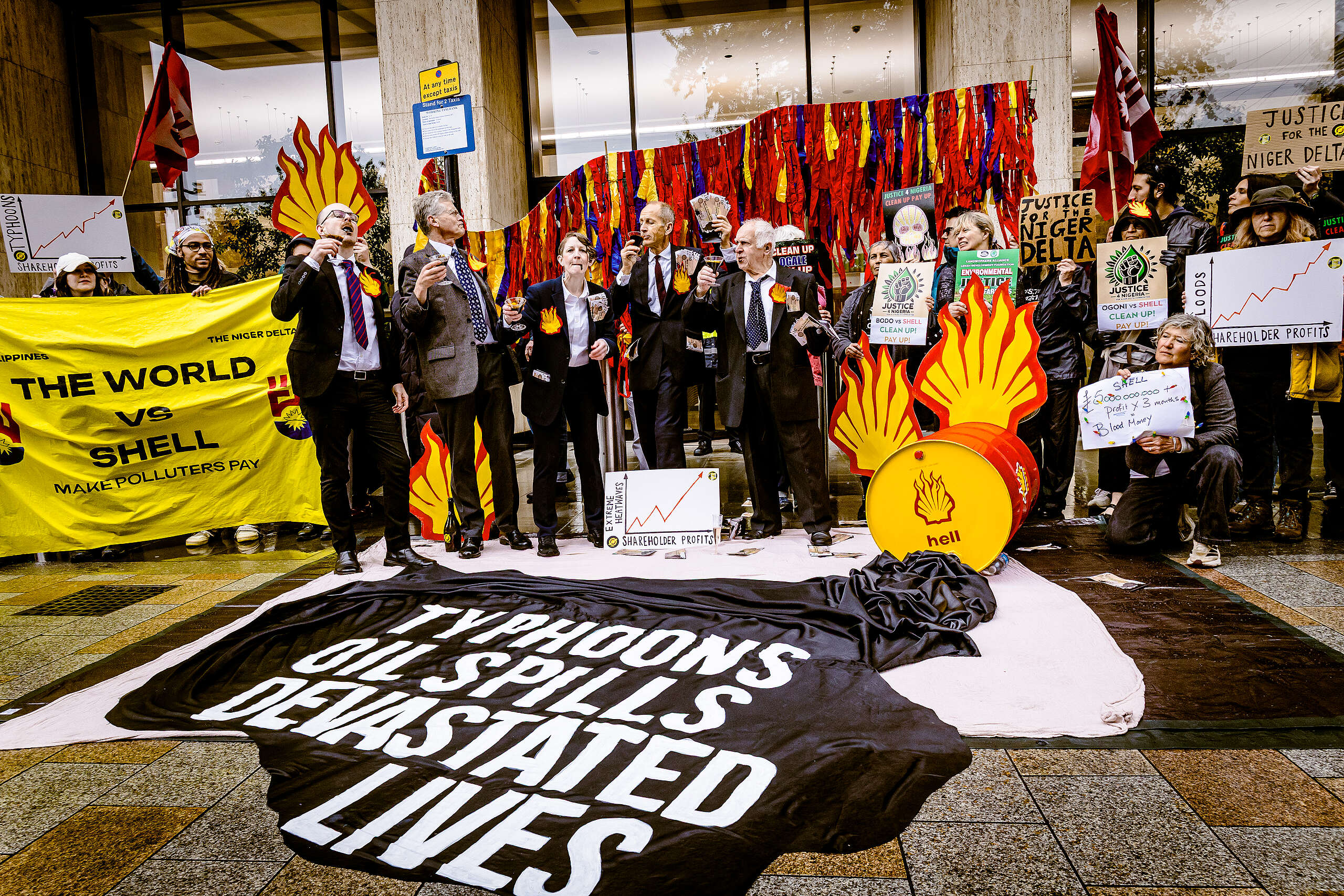
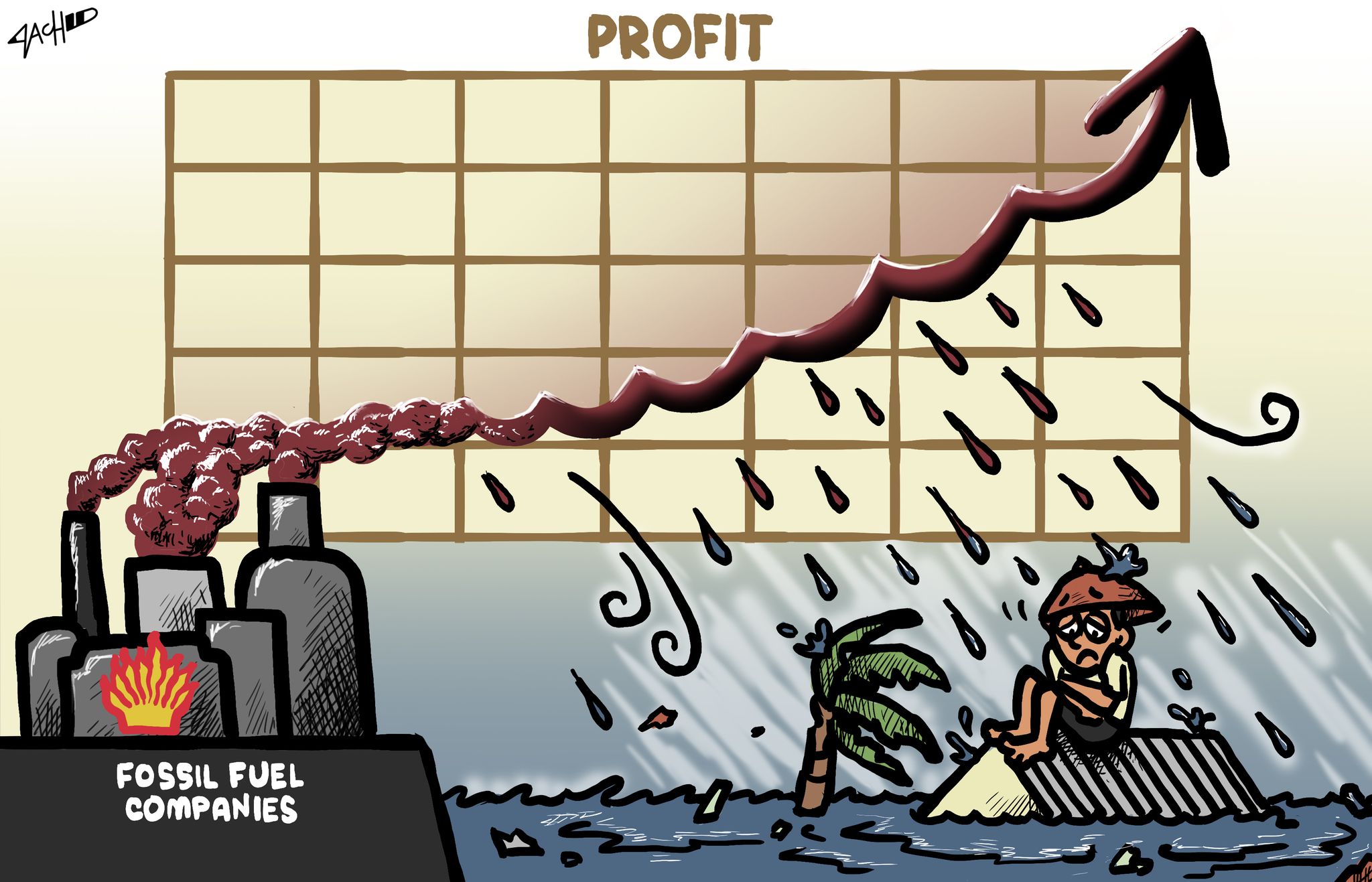
Quezon City — Greenpeace Philippines is sounding the alarm over the government’s renewed push to further explore oil and gas in the protected Liguasan Marsh—in parallel with those being done in Tawi-Tawi, Cebu and Malampaya—amid the US-Israel war on Iran and President Ferdinand Marcos Jr.’s energy emergency1 saying that this strategy would only deepen the country’s dependence on fossil fuels. The move will likewise unleash greater ecological damage and climate emissions upon already vulnerable communities.
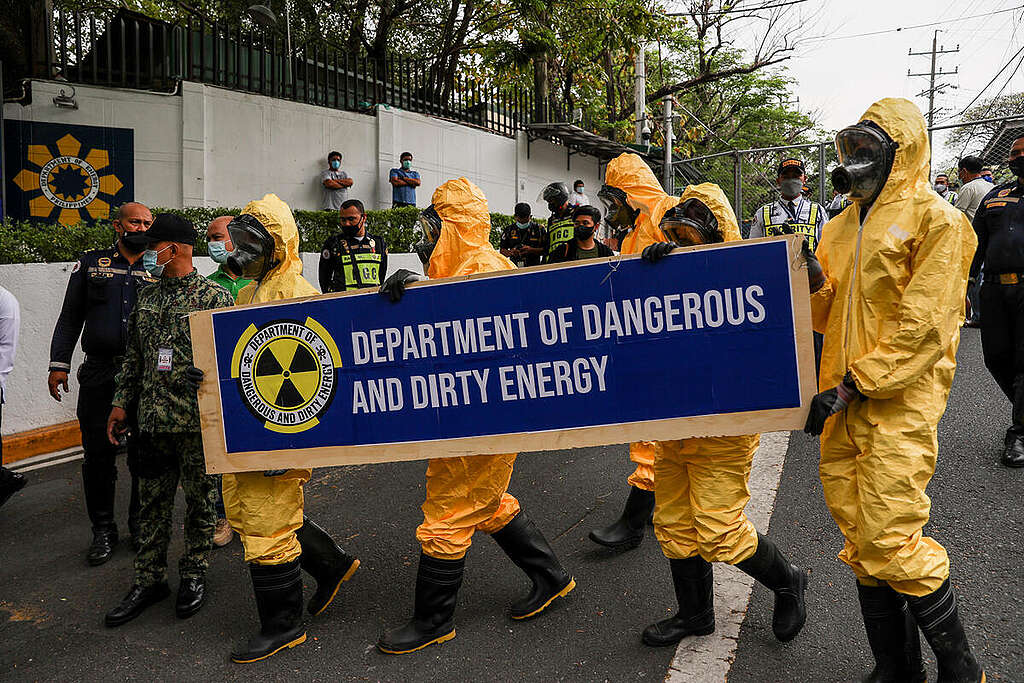
“Pivoting towards more local fossil fuel sources is not the answer to the crisis caused by a war driven by oil,” said Greenpeace Philippines climate campaigner Jefferson Chua. “Instead of pushing us further towards fossil fuel dependence, it’s the perfect opportunity for President Ferdinand Marcos Jr. to prioritize the shift towards renewable energy.”
“The administration needs to ensure the country’s resilience amid escalating climate impacts by keeping intact and restoring damaged ecosystems. Opening Liguasan Marsh to extraction risks turning it into a massive carbon bomb. Disturbing these carbon-rich soils can release enormous amounts of greenhouse gases, driving serious climate impacts that put all Filipinos at risk.”
A recent report2 by “Kapuso Mo, Jessica Soho” documented residents in Maguindanao del Sur discovering flammable water from local sources, pointing to underlying oil deposits. In the report, the DOE described Liguasan Marsh’s energy potential as “very good,” following President Ferdinand Marcos Jr.’s declaration of a National State of Energy Emergency. The marsh is believed to hold billions of cubic feet of natural gas and up to 202 million barrels of crude oil, based on a joint exploration between state-owned Philippine National Oil Company (PNOC) and its Malaysian counterpart Petronas.3
Bangsamoro Cabinet Secretary Mohd Asnin Pendatun after the emergency declaration stated that the “long-term” energy solution in Mindanao lies in fast-tracking the vast energy reserves of Tawi-Tawi and Liguasan. Greenpeace stressed that the marsh, which may be home to carbon-rich peatlands,4 must be safeguarded through strong legal protections, instead of opened to fossil fuel development under the guise of an energy crisis. Peatlands store vast amounts of carbon that can rapidly release greenhouse gases when disturbed.5
This happens as the Philippines is set to submit the updated Nationally Determined Contribution (NDC) to the United Nations Framework Convention on Climate Change (UNFCCC) this April, which embodies efforts by countries to reduce national emissions and adapt to the impacts of climate change.
“We challenge Marcos to walk the talk and uphold our country’s commitment in reducing our greenhouse gas emissions. Plunging us deeper into fossil fuel dependency would prove him as a two-faced leader in the face of people’s suffering due to the energy and climate crisis. Pivoting to renewables will not only give the earth a chance to breathe—it’s a chance to shield Filipinos from economic shocks brought about by wars overseas,” Chua ended.
Notes to the editor:
[2] KMJS SPECIAL REPORTS: ENERGY CRISIS SA PINAS
[3] Philippine wetland oil riches untouched by war now up for grabs in peacetime
[4] National Action Plan for the Sustainable Use of Peatlands
For more information and interview requests, please contact:
James Relativo, Communications Campaigner
Greenpeace Southeast Asia – Philippines
[email protected] | +63919 069 3424