
Filter posts
Filtered results
-
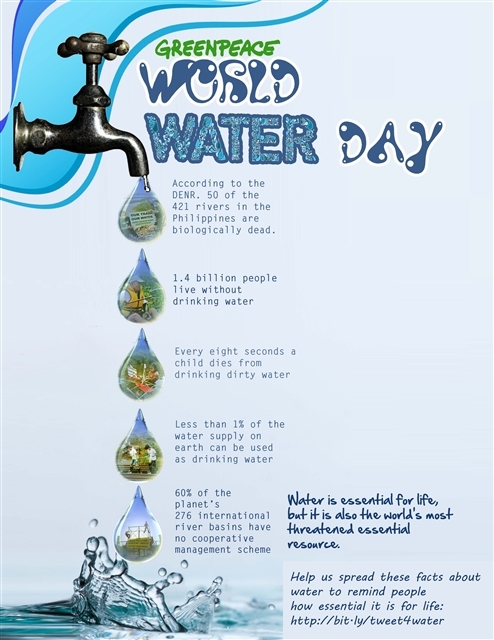
World Water Day: Breaking the wasteful habit
This morning, as soon as I woke up, I used and flushed a toilet, took a bath, brushed my teeth – all with water running inside the house. I feel good and blessed that there is abundant supply of water at home, but eventually thought of people from other parts of the world with no…
-

LTO issues new orange plates to E-Jeepneys
Electric Jeepneys, the cleaner, safer, alternative to fossil fuel-based transport, today become the first vehicles in the country to be issued orange license plates for electric vehicles by the Land Transportation Office.
-
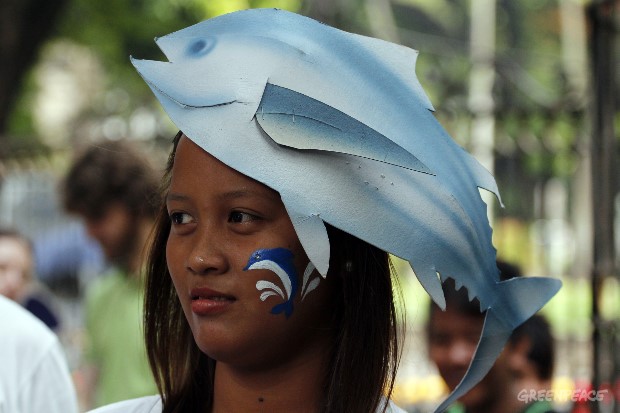
Fisherfolk groups to President Aquino: Save Philippine fisheries, adopt Roadmap to Recovery
Manila, Philippines, 30 May 2014 – On the eve of National Fisherfolk’s Day, close to 1,000 people from fisherfolk groups, civil society and non-government organizations marched to Malacañang in festive sea creature costumes to deliver their proposed Roadmap to Recovery for Philippine Oceans to address the declining state of our national seas. They urged the…
-
Drinking water in Philippines, Thailand contaminated with nitrates, Greenpeace says
Water in key agricultural areas in the Philippines and Thailand are already contaminated with nitrate pollution, Greenpeace warned today at the launch of a new report, Nitrates in drinking water in the Philippines and Thailand. The report, launched simultaneously in both countries, is the result of a Greenpeace Water Patrol investigation which studied nitrate levels…
-
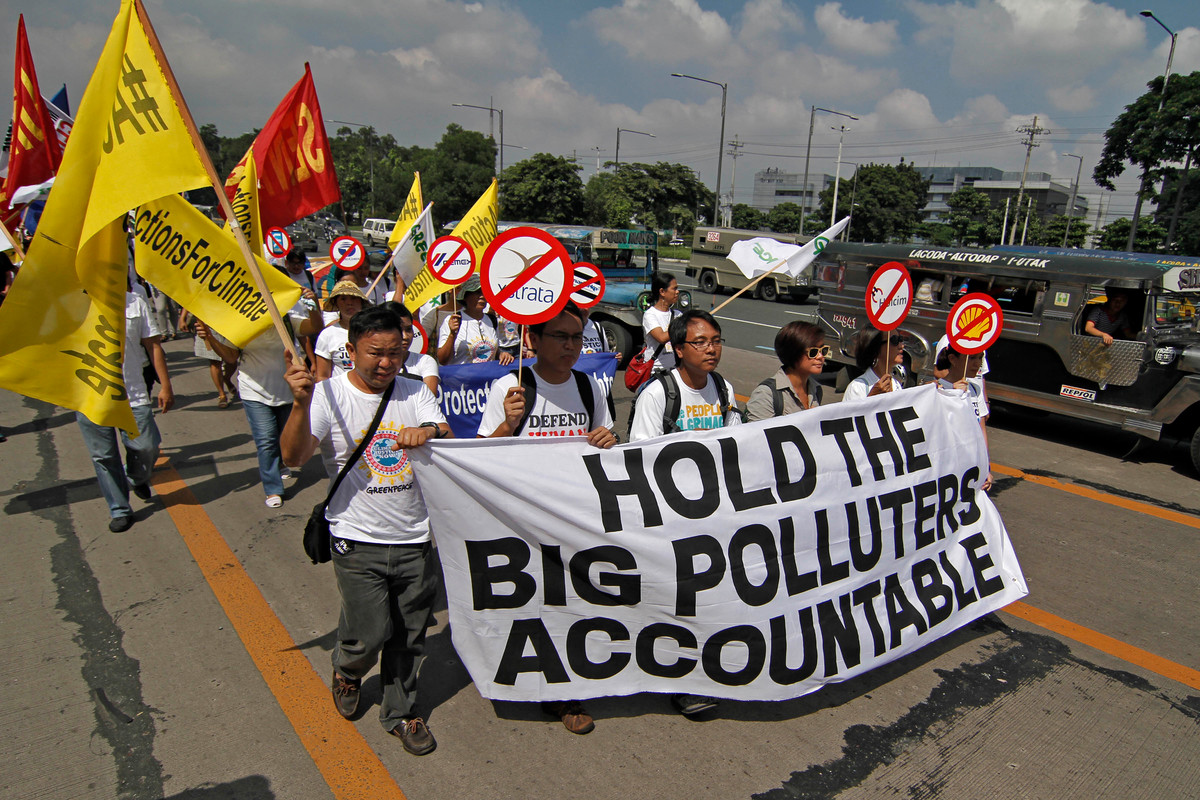
World’s top climate experts to testify in landmark investigation into fossil fuel companies
Some of the world’s most highly-regarded climate change science, policy, research, and legal experts will appear as witnesses in the ongoing hearings by the Commission on Human Rights of the Philippines (CHR) on the responsibility of 47 fossil fuel companies for the global climate crisis.
-
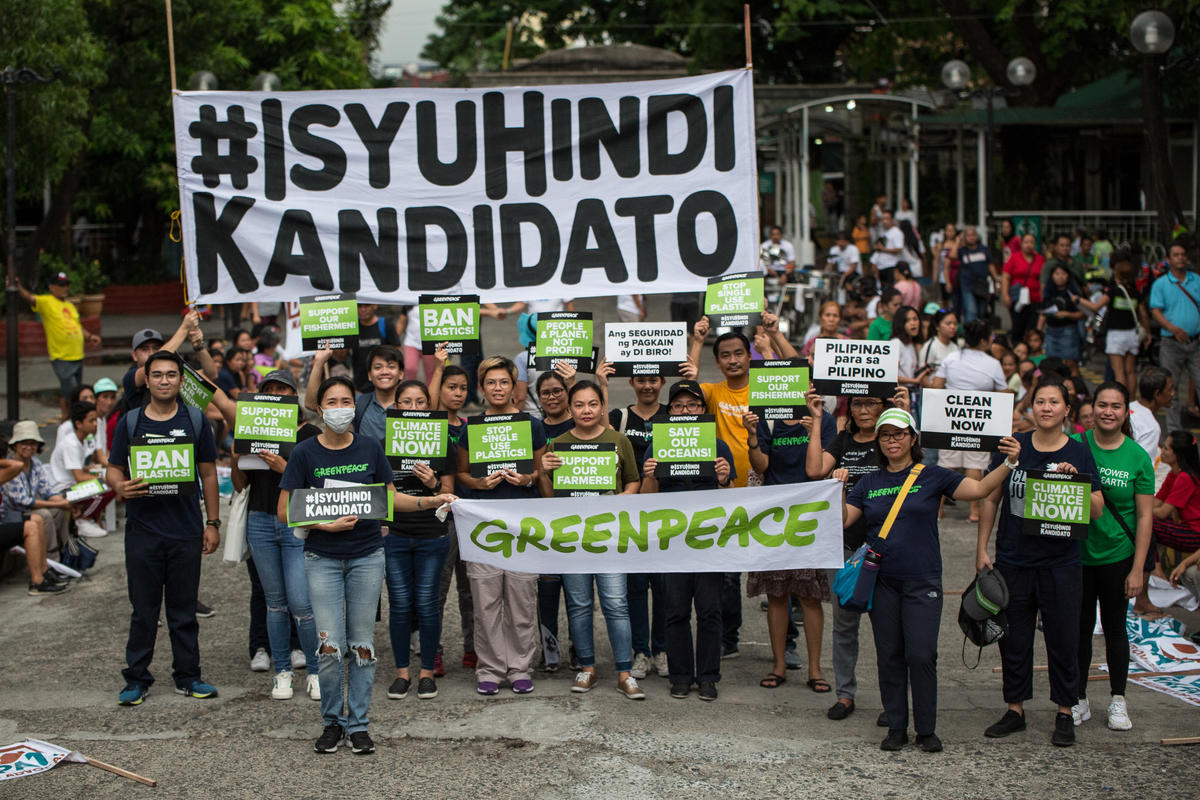
#IsyuHindiKandidato wants us to talk about issues that matter
#IsyuHindiKandidato initiative seeks to break through the usual election season noise and steer the discourse towards the issues and concrete solutions needed NOW.
-

SWS Survey on Eating Meat
Greenpeace Philippines commissioned a survey to take a better look at Filipinos’ meat consumption.
-
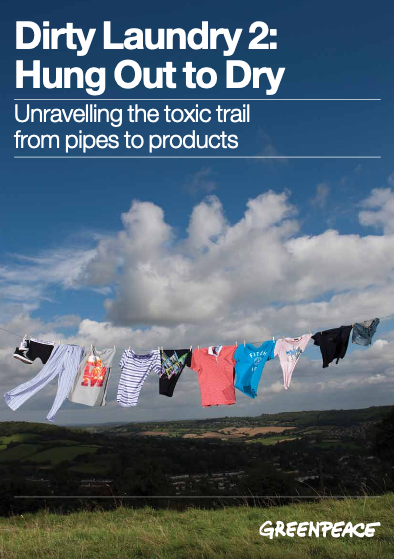
Dirty Laundry 2: Hung Out to Dry
Research commissioned by Greenpeace International has revealed that clothing and certain fabric-based shoes sold internationally by major clothing brands are manufactured using nonylphenol ethoxylates (NPEs). NPEs -- which are used as surfactants in textile production -- subsequently break down to form toxic nonylphenol (NP). Nonylphenol is a persistent chemical with hormone-disrupting properties that builds up…
-
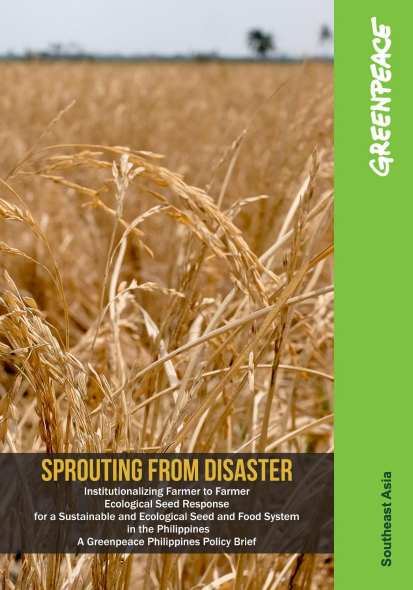
Sprouting from Disaster
Climate change is making natural disasters more intense and frequent, which in turn cause periodic food emergencies and damage billions' worth of agriculture. In response, the government must review its policies and craft new ones so that farmers can help their fellow farmers who are affected by storms and drought to access diversified seeds. This…
-
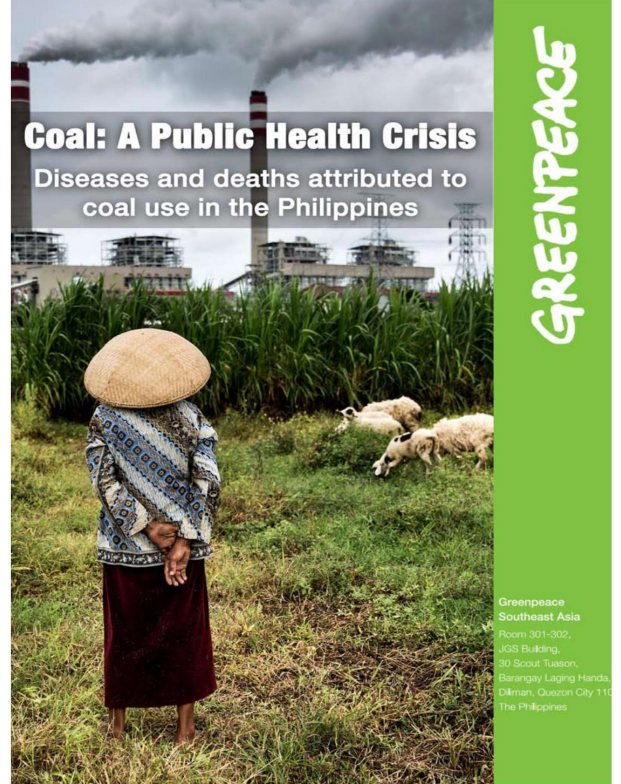
Coal: A Public Health Crisis
Coal is a major public health hazard. Each stage of the coal life cycle – mining, transportation, washing, combustion, and disposing of post-combustion wastes – carries health risks that lead to lung, heart and brain diseases, as well as work-related injuries. Burning coal affects the environment, human health and wildlife, and is a major contributor…