Our Campaigns

Arctic

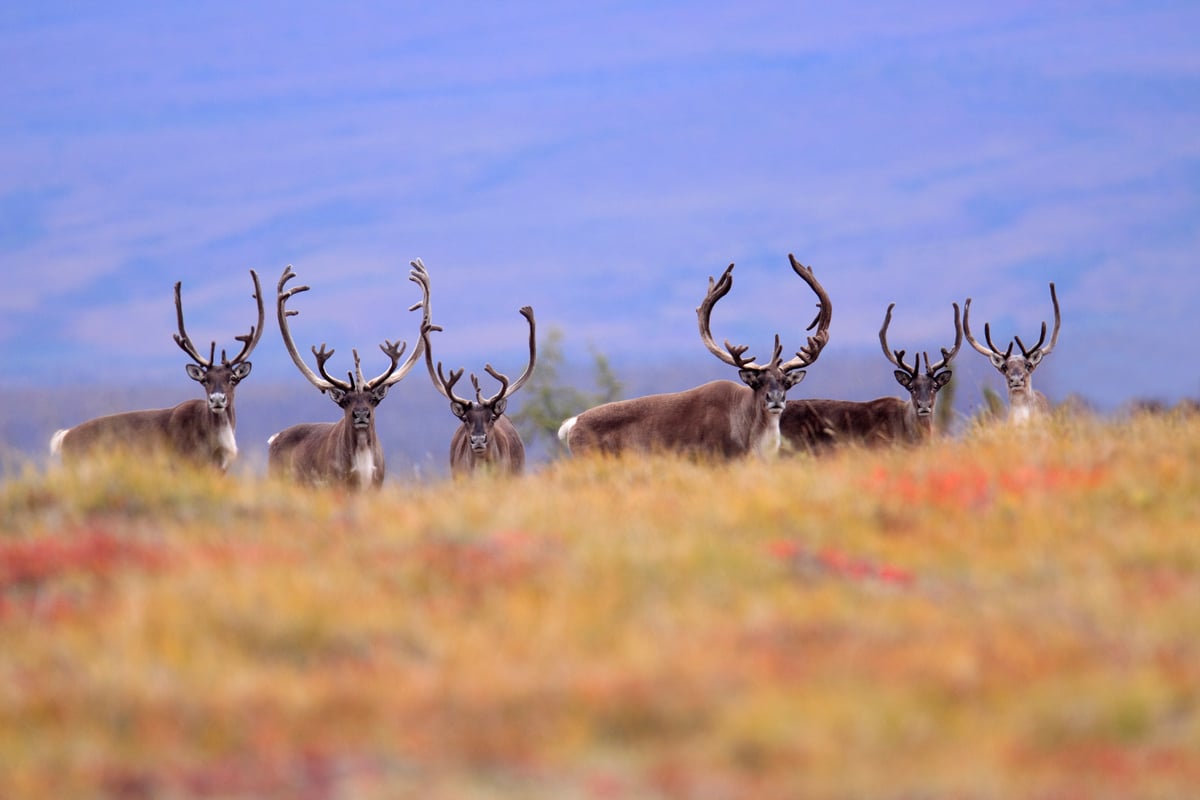
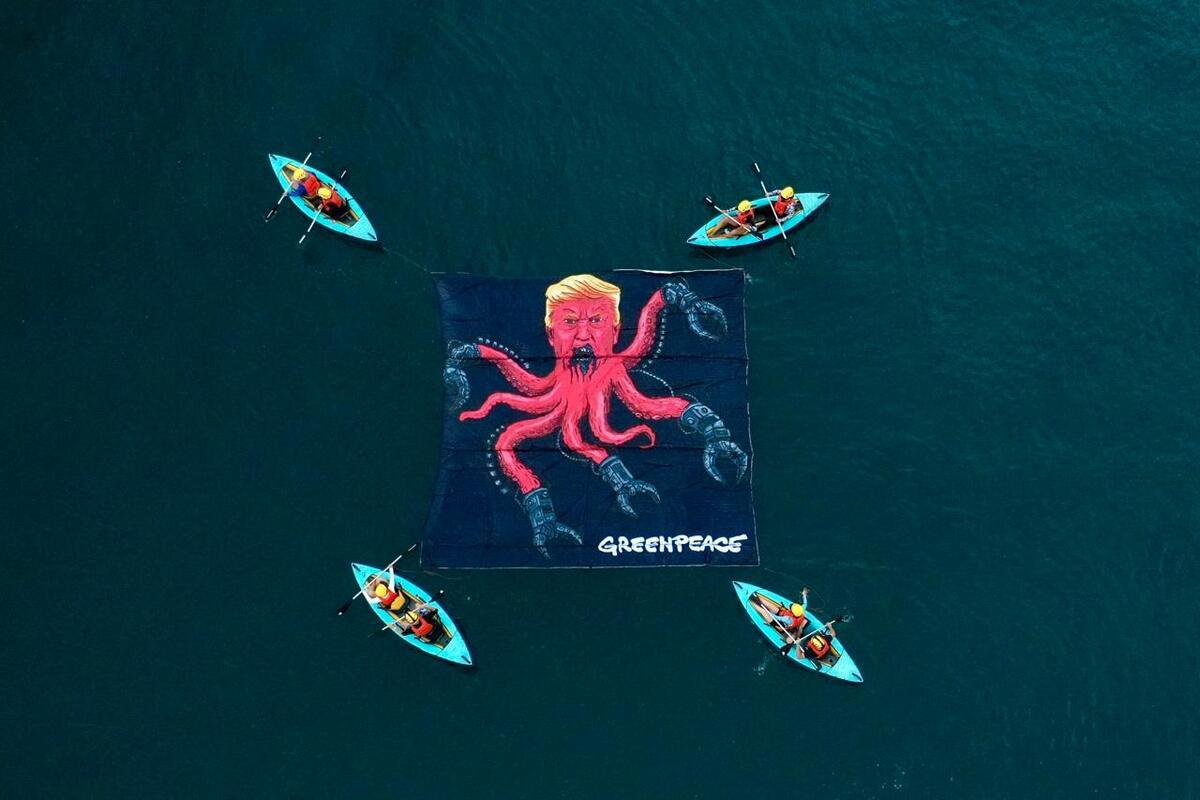
The Arctic is in danger. Its ice is retreating at an increasing speed, cleaning the path for greedy oil companies that see this catastrophe as a business opportunity. Native people traditional way of life and health will be at risk and wildlife are to be uselessly endangered in the name of a shortsighted idea of progress and growth. Canada is one of the Largest Arctic countries in the world, and as such it has a clear responsibility to take a precautionary approach for any new development. The Arctic campaign is a massive worldwide effort to ban all industrial extractive activities at the inhabitant area in the Arctic oceans Together we can save the Arctic.

Climate and Energy 

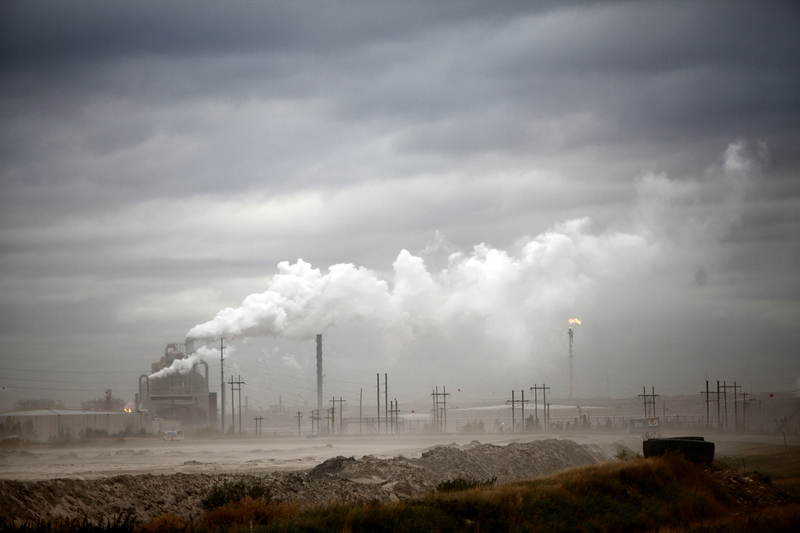
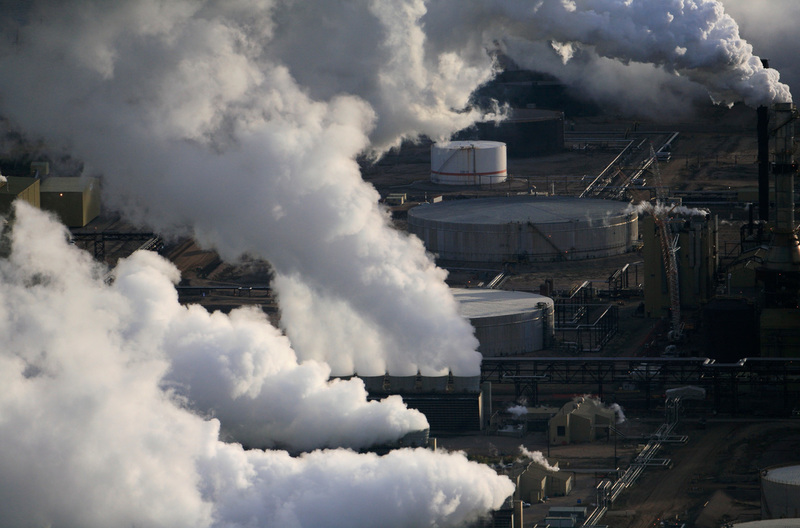
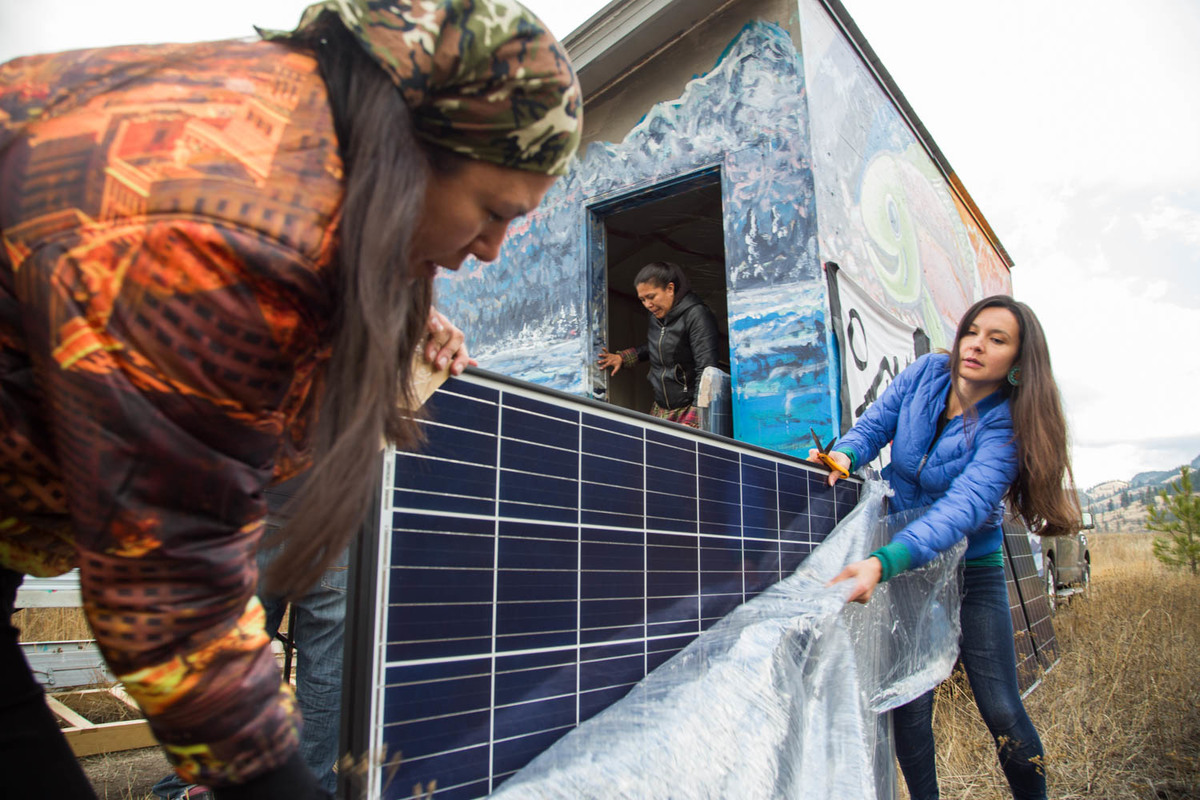
Climate change and the threats of nuclear energy are real. That is why Greenpeace works to bring about a clean and just energy future. Tar sands and nuclear development plague the ecosystems and communities they occupy with safety and health risks. The Energy [R]evolution is a set of ready-to-implement solutions that lead away from the dangers of climate chaos and nuclear meltdown. It is a vision of the clean and just energy future for everyone on the planet.

Forests

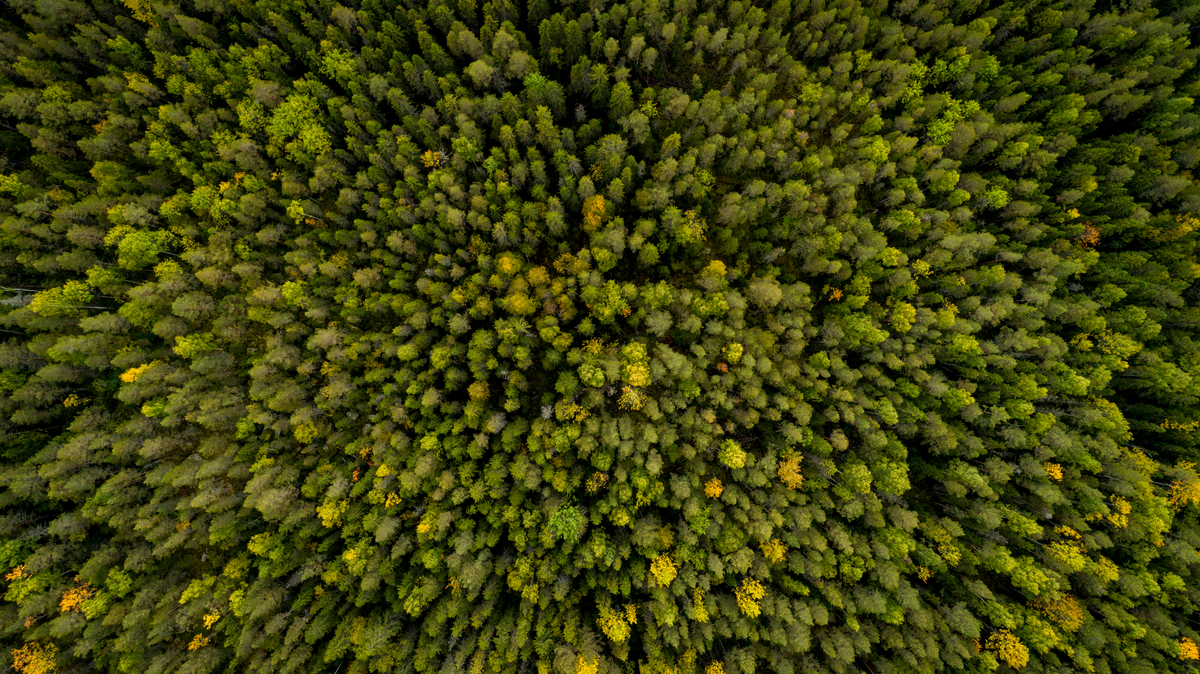
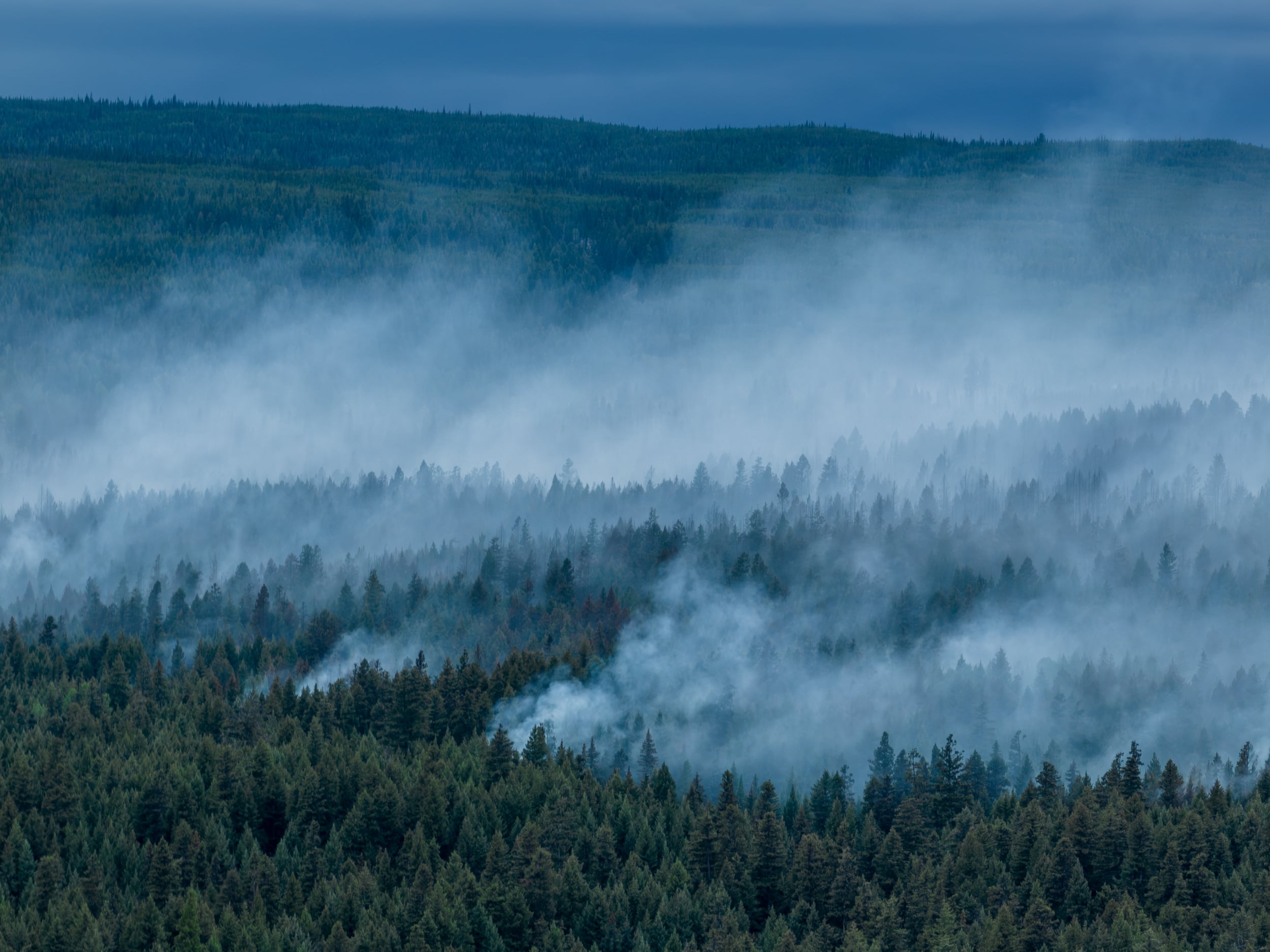
With 80 per cent of the planet's ancient forests already lost or degraded, the need for increased protection of the world’s remaining forests is more urgent than ever. Forests help stabilize the climate, sustain life, provide jobs, and are the source of culture for many Indigenous communities. Greenpeace opposes destructive and unsustainable development in the remaining ancient forests in Canada and globally. To effect positive change and put lasting solutions in place, we challenge the global marketplace, engage consumers, pressure governments and work with industry to protect the Boreal Forest, the Great Bear Rainforest and the Indonesian Rainforest.

Oceans

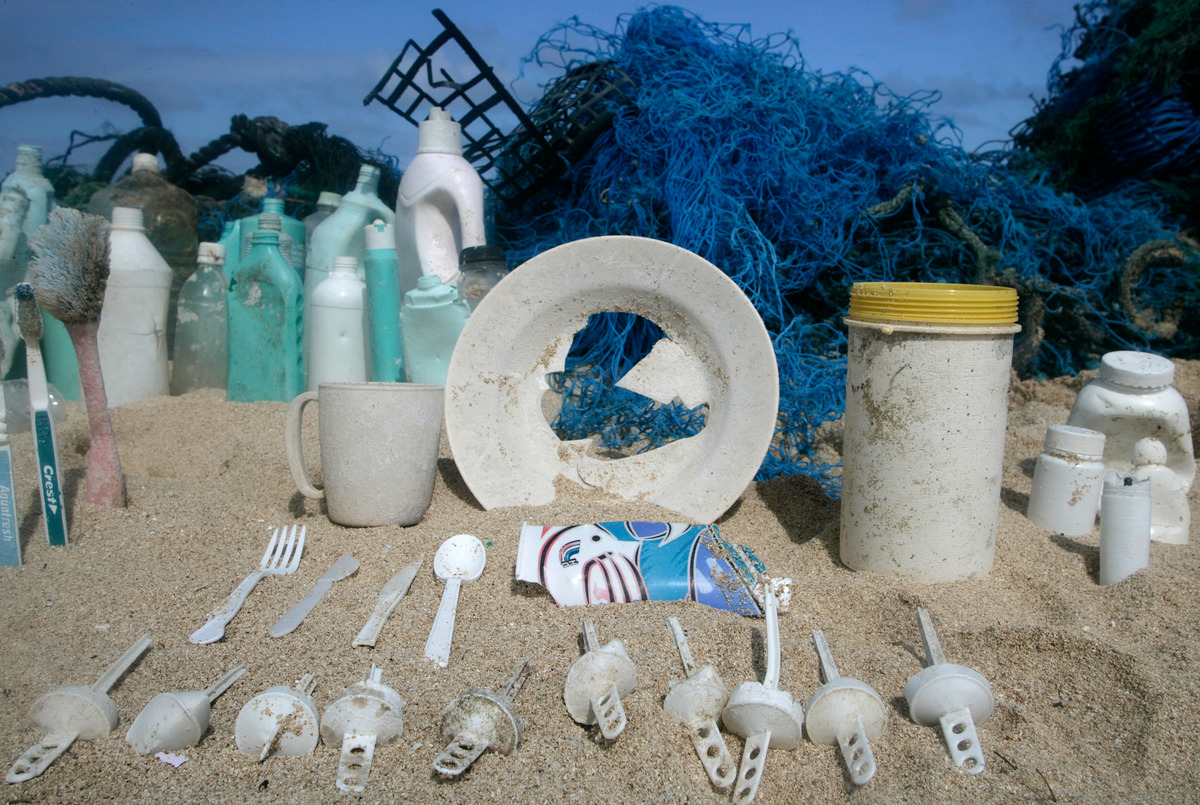
Life on our blue planet depends on healthy oceans, but recent reports warn that sea life  faces the next mass extinction. Next to climate change, overfishing is the single greatest threat to marine biodiversity. Industrial fishing has reduced populations of large, predatory fish  like tuna, cod and sharks by about ninety per cent in the last fifty years. Growing demand for seafood, wasteful fishing practices and mismanaged fish stocks and aquaculture operations are leading to broken links in marine food chains in Canadian waters and worldwide. Urgent action is needed to protect marine life and allow recovery. Greenpeace works to relieve pressure on ocean ecosystems and to establish a network of no-take marine reserves–ocean parks–covering 40 per cent of the world's oceans.

GMO Foods

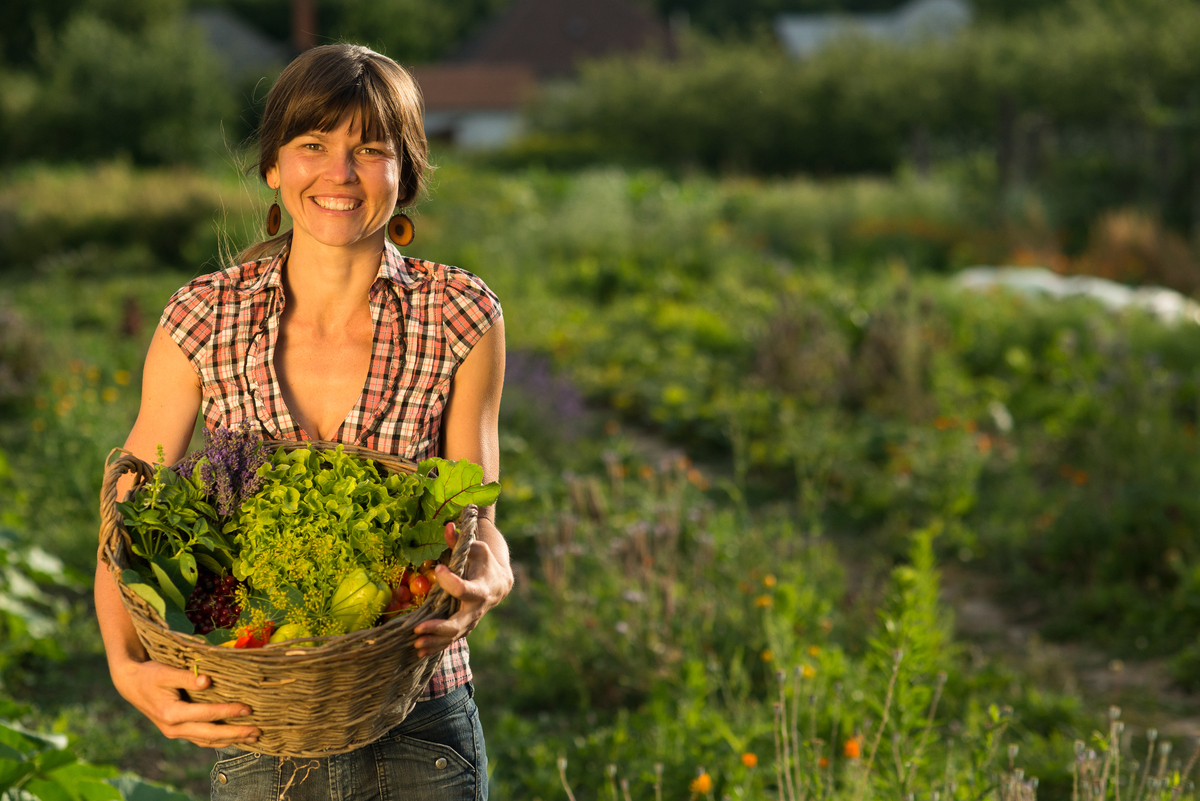
Genetically engineered foods pose unknown risks to human health and could cause irreversible biological pollution. The government must better regulate this experimental industry and support sustainable, organic agriculture.


The latest updates


Resolute's green marketing won't cut it

Blog entry by Shane Moffatt | May 16, 2013

At Resolute Forest Products’ Resolute Forest Products’ annual general meeting of stockholders in Thunder Bay today, CEO Richard Garneau pointed to a lot of pictures of trees. Then he pointed to some colorful green pictures. Then more...

Buyer beware, Resolute’s sustainability falls flat

Feature story | May 15, 2013 at 6:00

A new Greenpeace report concludes that Resolute Forest Products’s sustainability claims cannot be trusted and unveils to customers the false promises these claims contain.

Oh, Canada: 5 reasons Canada's Prime Minister is bad news for the Arctic

Blog entry by Patrick Bonin | May 14, 2013

In six short years, ‘The Harper Government’ (TM) has taken us from hockey, maple syrup and Mounties to pipelines, tar sands and climate change denial. This government has wreaked havoc on the Canadian environment, and now they’re...

Canada’s pro-oil agenda threatens to destroy the Arctic: Greenpeace

Feature story | May 14, 2013 at 13:01

As Canada officially took the chair of the Arctic Council today, Greenpeace sent a direct message to delegates at the ministerial meeting in Kiruna, Sweden, and launched an international mobilization online calling on Canada to put people and the...

Algonquin community defends their lands against Resolute Forest Products

Blog entry by Tina Nottaway | May 14, 2013

KWE, I am an Anishinaabe woman who speaks the Algonquin language fluently. I live in the la Verendrye Wildlife Reserve in Quebec, which is located two and a half hours north of Ottawa. This is where my roots have been for generations.

1 - 5 of 1160 results.