
What better way to efficiently improve people’s everyday mobility than to give them access to affordable, reliable and sufficient public transport? In Europe, the idea has caught on. As a first step towards an easier and more sustainable mobility, several countries and urban centres have introduced cheap and easy-to-use monthly or yearly passes for public transport. These climate tickets are a quick and efficient way to improve access to mobility, and have generated unprecedented public support. They are just the beginning of what the future of low-carbon transport could look like. Welcome aboard.
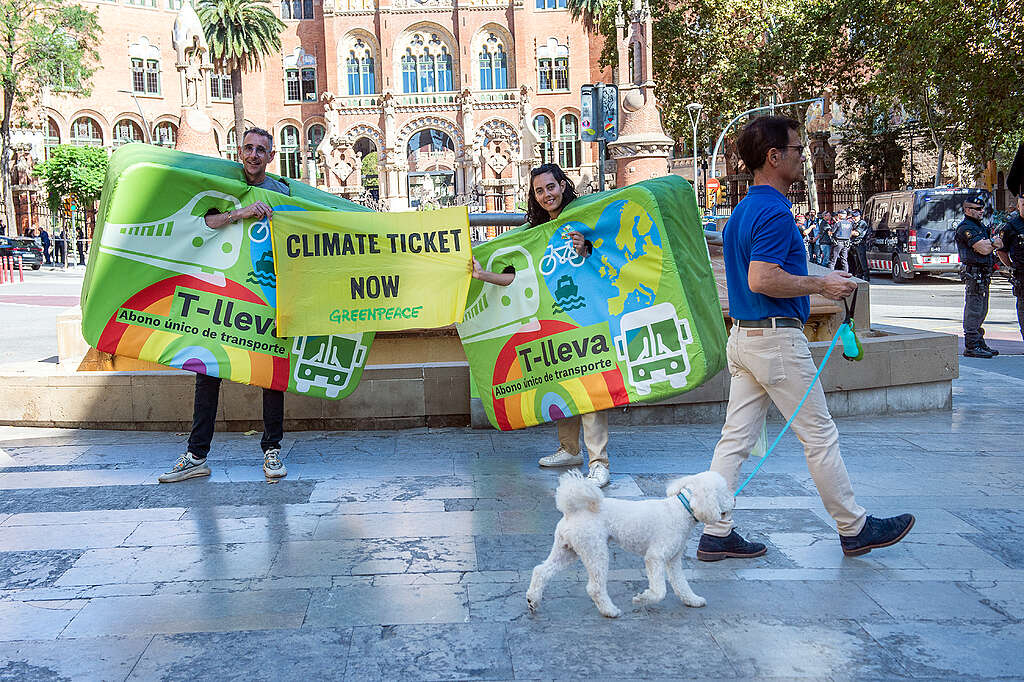
Climate tickets are gaining momentum in Europe
In a bid to combat the relentless rise in transport costs due to higher fuel prices, reduce energy waste and meet climate targets, climate tickets are on the rise across Europe. In the last three years, seven European countries and several urban centres have introduced ticket subscriptions to make rail and public transport more accessible. And widespread discussions in both public and political arenas have ignited across Europe making climate tickets a hot topic.
This year alone, Germany, Hungary, Slovenia and Portugal have embarked on the climate ticket journey. In France, Emmanuel Macron has announced a ticket similar to Germany’s €49 ticket, which would be valid across borders with Germany and vice versa. The French and German transport ministers have even expressed support for a Europe-wide rail ticket.
Such a transformatory measure empowers households, reduces car journeys and congestion, and cuts through the thick, suffocating shroud of greenhouse gas emissions: so what are the other 20 EU countries waiting for to hop on?
Where there’s a will, there’s a way: solutions exist to finance climate tickets
Recent discussions in Germany have shown that even in countries where climate tickets have been introduced, they are on shaky ground: the main problem is the lack of permanent funding. But despite what car lobbyists, reactionary forces and fossil fuel industry zealots would have us believe, money is not that big an issue. Let’s face it: there’s enough public money, it’s just a question of how it’s distributed. And the current winner of this unfair distribution is… the fossil fuel sector. Total annual fossil fuel subsidies in Europe amount to €112 billion.
Half of this amount would be enough to finance climate tickets in Europe. Let’s do the maths. Our starting point: the current Germany ticket, which costs €4.1 billion a year in public money. An improved ticket, with wider social discounts and including at least some long-distance trains, would require double the funding, bringing us up to €8 billion a year. Or €100 per person living in Germany. Now let’s now apply this to Europe: with a population of 530 million, Europe (the EU, the UK, Switzerland and Norway) would need around €53 billion to provide each person with an affordable climate ticket.
Better still, there are other financing options on the table. By 2022, the three European oil majors Shell, BP and Total alone will have accumulated profits of more than 100 billion euros – a 50% tax on their exceptional (and obscene) profits could therefore finance all the climate tickets in Europe.
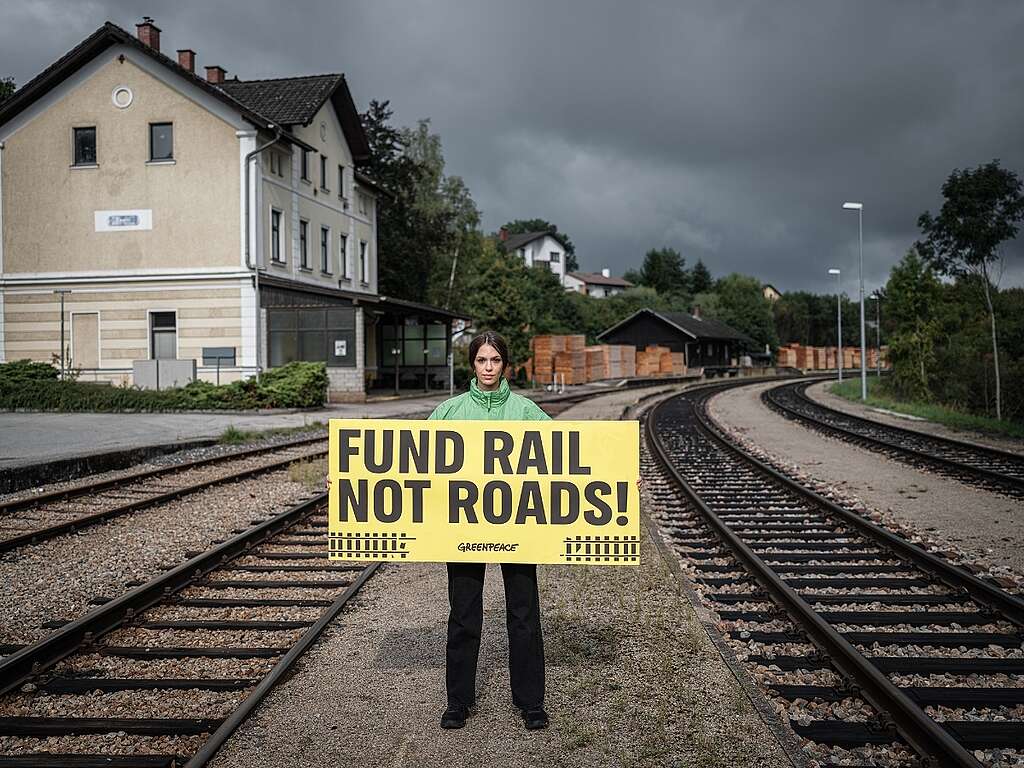
By reallocating the public funds that are flushed into fossil fuel companies and roads, or by imposing a substantial windfall tax on their unjustifiable profits, European governments could effortlessly finance accessible climate tickets for all European residents, streamline ticket booking systems, and bolster green transportation infrastructure to enable seamless cross-border rail travel.
Paving the road to affordable and user-friendly climate tickets
Together, let’s make it clear to our governments: we want affordable and user-friendly climate tickets that are seamlessly integrated with various public transport providers and ensure equitable access for all. They need to cooperate to make their climate tickets work for the residents and workers of cross-border regions and design an affordable rail pass that would boost train travel instead of air travel. In Europe, we also need the European Commission to play an active role in driving the implementation of such tickets.
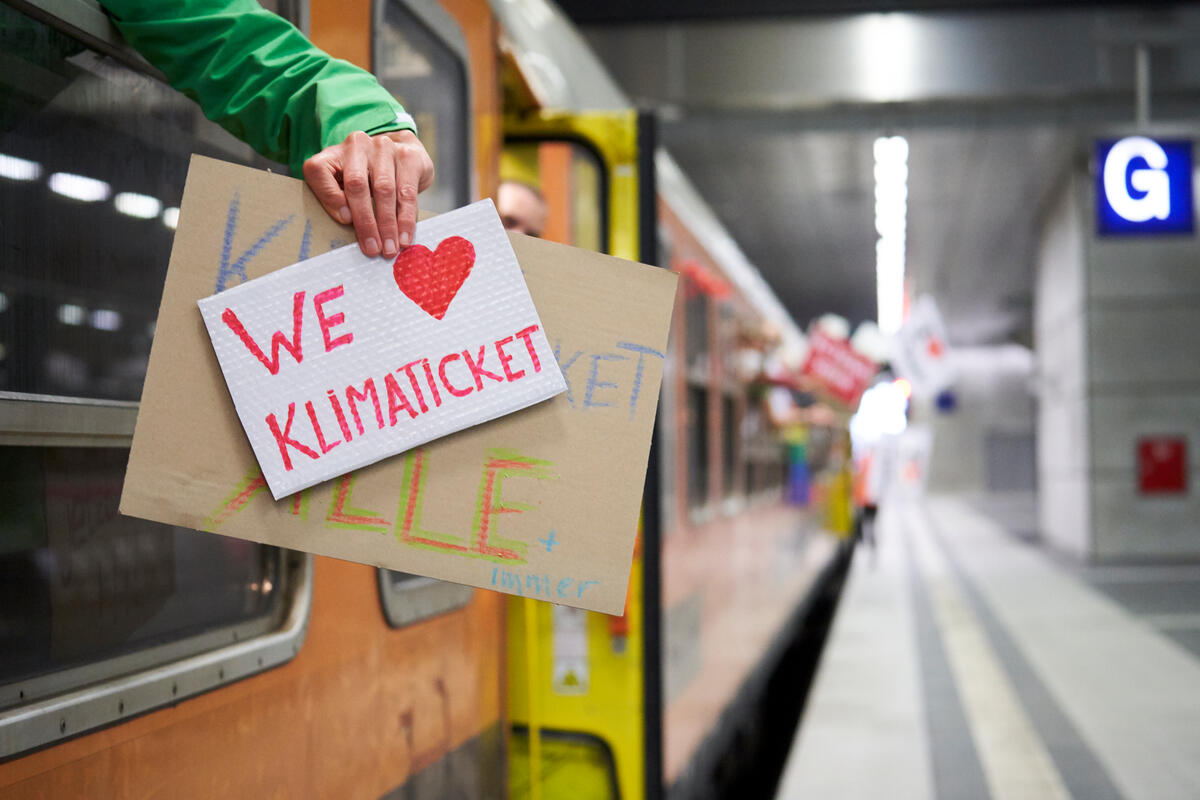
The journey towards sustainable and accessible mobility has only just begun. Together with the expansion of rail and public transport infrastructure, climate tickets have the potential to revolutionise the way millions of people commute and reduce the financial burden of transport.
And heading towards a greener and improved mobility is also one of the keys to reducing our dependence on oil amid the climate, energy and economic crises. It’s a win-win for the people, the climate and our governments. Let’s enable people to save money, connect with others and commute sustainably.
Herwig Schuster is a transport campaigner for the Mobility For All campaign with Greenpeace’s Central and Eastern Europe office, based in Austria.