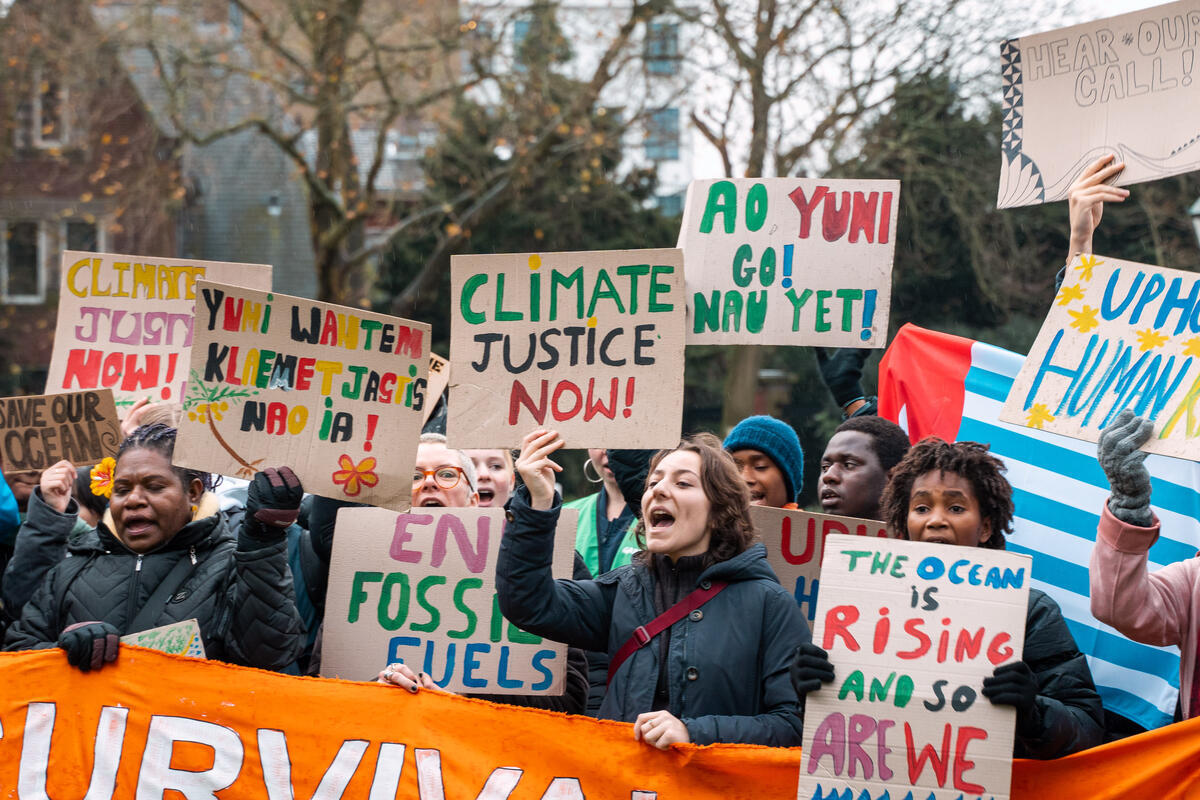
Over the past week, we’ve been walking around with ear-to-ear grins. We’re celebrating along with allies and friends, that the huge people powered movement against the emerging threat of seabed mining, has resulted in a win for the moana.
Australian company Trans-Tasman Resources have once again had their plans to mine the Taranaki seabed rejected.
A win in the fight against Trans-Tasman Resources
For over a decade, a David-and-Goliath battle has been raging off the coast of South Taranaki.
On one side: wannabe seabed miners Trans-Tasman Resources determined to tear up the seafloor, and greedy politicians making deals in back rooms for their dodgy projects. On the other side: led by the mana of Taranaki iwi and hapū, environmental groups, and everyday community members standing up for the ocean that we need to keep this blue planet and all of the life it holds, healthy.
The Expert Panel handling the Fast-Track application released its draft decision last week, and it’s a clear and unequivocal rejection of Trans-Tasman Resources’ bid to mine the seabed in the South Taranaki Bight.
Even under a process designed to make approvals easier, this project was found to be simply too destructive to proceed. The panel found that the environmental risks were too high, the impact on marine life was too great, and the project failed to meet the necessary standards.
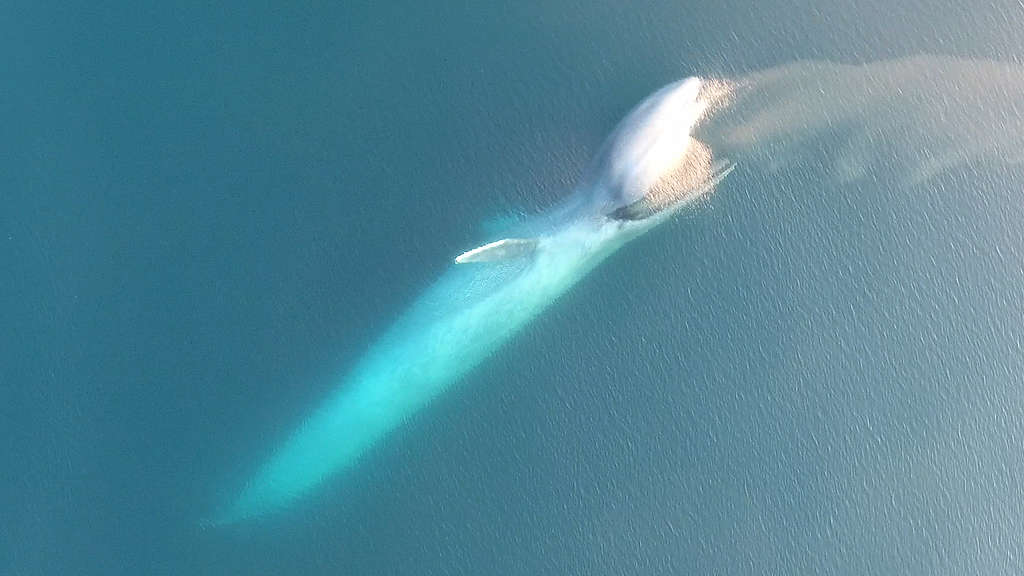
We’ve been saying this for a long time: seabed mining would create a massive sediment plume, choking marine life, threatening the habitat of the pygmy blue whale and the Māui dolphin, and disrupting local fishing and tourism.
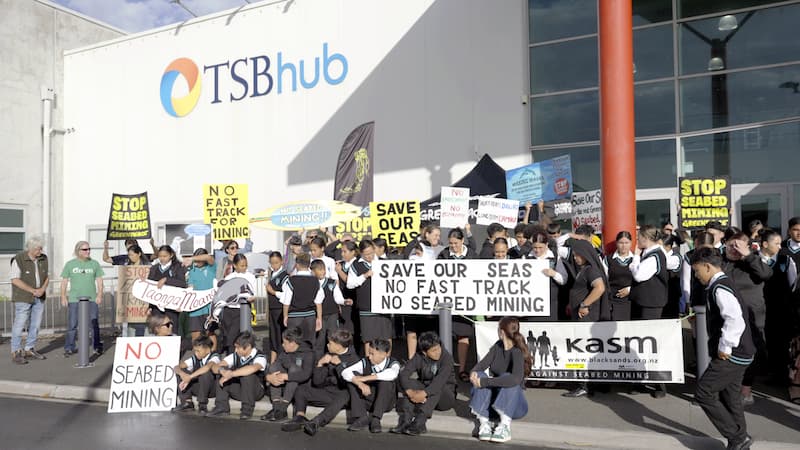
Tangata Whenua stand between the moana and seabed mining
I was at Waitangi with my Greenpeace colleagues when the decision came out. We were there to share our commitment to Te Tiriti o Waitangi in the work that we do: Toitū te Tiriti, Toitū te Taiao. It’s our acknowledgement of the status of tangata whenua in Aotearoa, and it is reflective of our understanding that the rights of tangata whenua are fundamental to protecting the environment. We were at the right place to learn that iwi and hapū who’ve worked so hard to protect their ancestral homes, have had these rights recognised in this decision.
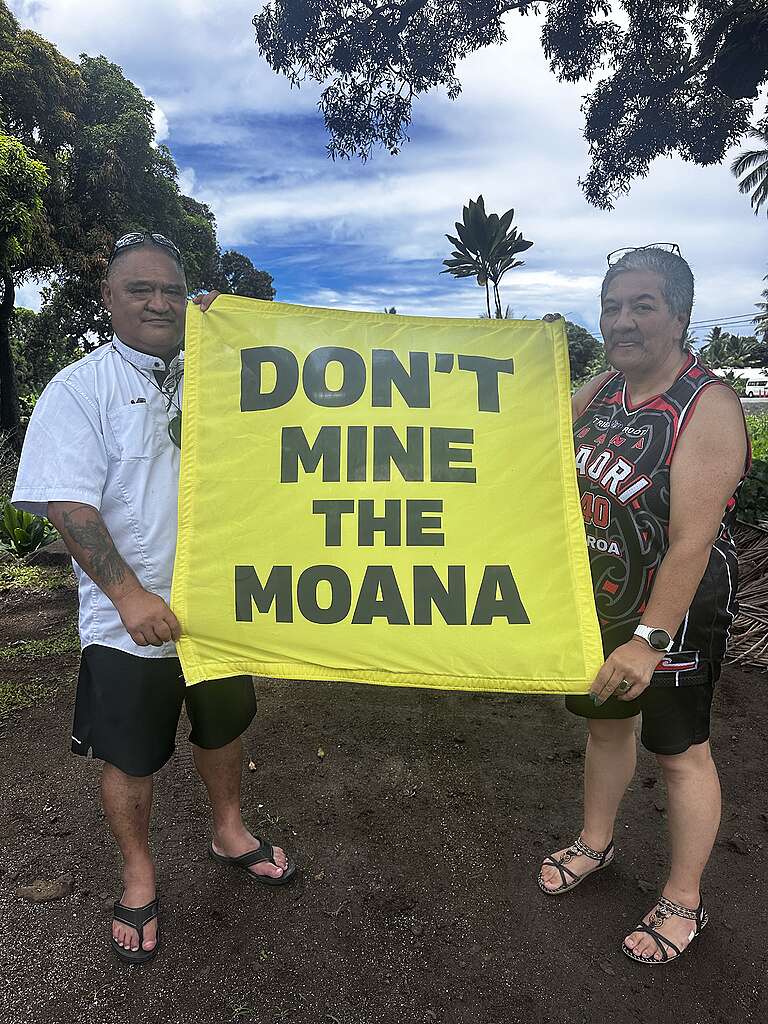
My first call was to my wonderful friends Peeti and Rukutai (Ngāti Ruanui), who live in Pātea. There were joyful tears. And a feeling shared between us that this is a welcome reprieve during a time when Māori are bearing so much injustice from a hostile government waging war on nature, on Māori rights and on democracy. It was our moment to breathe and weep, knowing that our rights as Māori aren’t invisible.
Rukutai and Peeti’s fight against seabed mining has been even longer. If you ask him how long, he would say about 20 years! It’s a lot of time, energy and money their people have spent telling greedy wannabe mining companies to leave their homes, livelihoods and ways of life alone.
Trans-Tasman Resources – trying and failing to start seabed mining for decades
This ‘greedy wannabe mining company’ Trans-Tasman Resources, wholly-owned by Manuka Resources (MKR), have for years been trying to convince New Zealand that vacuuming up 50 millions of tonnes of seabed each year, for decades, is safe and sustainable.
Alongside our allies we’ve resisted them – and won – every step of the way from the Environmental Protection Agency to the Supreme Court.
And as we’ve pointed out before, Australian company Manuka Resources is a company built on a shaky foundation. Now with this latest ruling by the Fast Track panel, their desperation to bypass environmental checks and balances has finally hit a brick wall.
Our experts have been clear from the start: this bid was always too risky.
We’ve known all along seabed mining is too destructive to start
The Expert Panel’s comprehensive draft decision lines up with what we’ve said all along: you can’t manage the destruction of entire ecosystems for profit – especially when the ‘profit’ is uncertain. It slammed the proposal on almost every front. They found that the environmental risks were too high, the impact on marine life was too great, and the project failed to meet the necessary standards.
Essentially, seabed mining is such a fundamentally bad idea that even when the bar was practically sitting on the ground because of the Fast-Track process, TTR still couldn’t clear it.
Timeline of Win – how Trans-Tasman Resources keeps losing
This wasn’t an overnight victory. It is the result of over ten years of relentless people power.
2014 – The first ‘NO’: The EPA refuses TTR’s first application. This was the first proof that strong evidence and public pressure could stop them.
2017 – The escalation: TTR gets a ‘yes’ from an EPA process that receives lots of criticism, triggering a force of community mobilisation and legal appeals.
2018 – The Courts step in: The High Court quashes that ‘yes’. This was a huge moment showing that the law can work when communities push it.
2020 – Tikanga and Te Tiriti: The Court of Appeal upholds the High Court decision, forcing agencies to take Tikanga Māori and Te Tiriti seriously.
2021 – The Supreme Court slam: New Zealand’s highest court sends TTR packing again, confirming that the door to the Taranaki Bight remains closed.
2024 – EPA Reconsideration: TTR try again, recycling their failed application and are criticised for not taking steps to address the concerns from the Supreme Court case.
The Fast Track bill: Realising they couldn’t win in a fair fight, TTR indicates they will use the Government’s new Fast-Track legislation to bypass the public and environmental checks.
Luxon’s War On Nature: 20,000 people marched down Queen Street and thousands more made submissions against the Fast Track Bill, making it clear that sidelining environmental safeguards and public participation was unacceptable. The wave of public pressure that followed forced the Luxon government to back down from its original draft, proving once again that people power works.
Sep 2024 – Shutting down the enablers: As TTR tried to hide behind lobby groups, Greenpeace took the fight to the “enablers”, occupying the offices of mining lobby group Straterra to show that the industry’s influence and golden handshakes would not go unchallenged.
Nov 2024 – Shifting the pressure: Greenpeace shuts down the AGM for Australian company Manuka Resources, TTR’s parent company, in Sydney, warning that their project will be resisted.
2025 – Aussies wannabe miners attempt to gain social licence: Manuka Resources lists on the NZ Stock Exchange, leading us tocall on investors to boycott this “wannabe” miner.
2026 – Draft Decision: The Expert Panel proposes to decline consent
Globally significant – what happens in Aotearoa has a ripple effect
This decision matters beyond Taranaki, as global powers are pushing for so-called ‘critical’ minerals, predating on the Pacific in a geopolitical race for ‘resources’. From Aotearoa to the Cook Islands and throughout Te Moana-Nui-a-Kiwa, governments are being seduced with deals framed as part of some green transition – as if carving up the ocean floor is the way to save the planet.
Let this win be a message that the Pacific is not a sacrifice zone and that the wellbeing of Pacific Peoples, their rights and homes won’t be traded away in global power plays. In Aotearoa we have just drawn a line. Now we need to hold it.
Now – Seabed Mining must be banned in Aotearoa
This victory is a testament to the steadfastness of iwi, hapū, and the thousands of New Zealanders who signed petitions, donated to legal funds and expert advice, marched on the streets, paddled the waves in protest, and even put their bodies on the line in courageous direct action.
But Māori, ocean protectors and communities shouldn’t have to fight every company who tries to pillage the ocean to line their greedy pockets. TTR has shown that they will keep trying to find a loophole, a low enough bar, or a well-priced politician to get that green light. This project is just one company and one coastline. To truly protect the moana, we need to put a final nail in the coffin of this destructive industry.
It’s time for a nationwide ban on seabed mining in Aotearoa. Let’s make sure no other community has to spend a decade fighting to keep their ocean healthy.
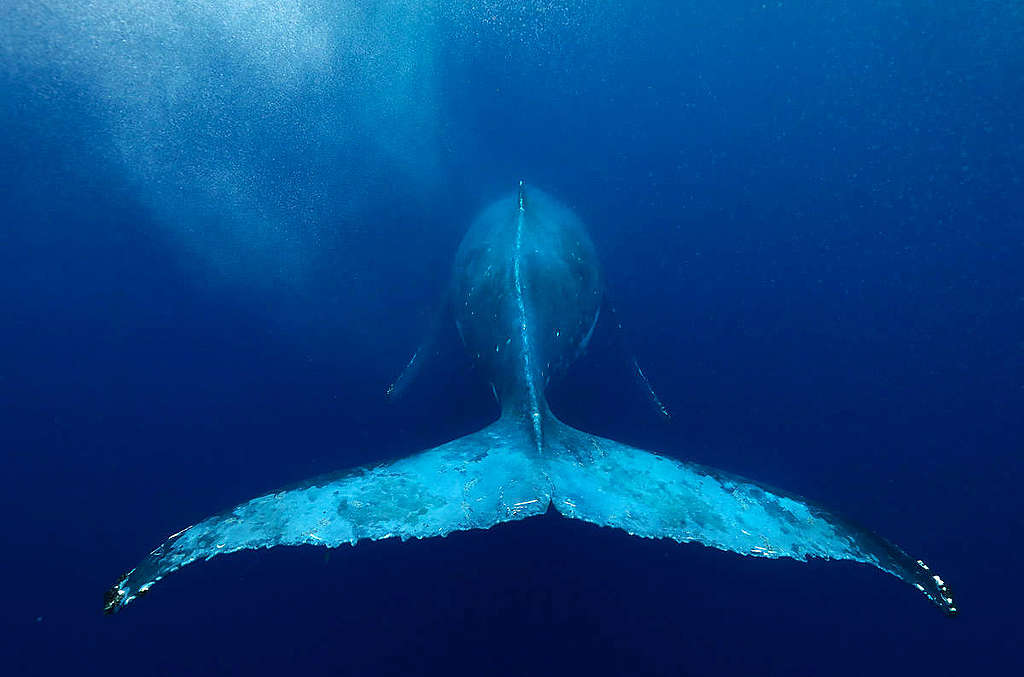
Seabed mining is a new threat to the oceans. Now is our chance to prevent the destruction before it’s too late.
Add my name