Activists protesting destructive bottom trawling have renamed Talley’s new supertrawler in Spain today, ahead of the ship’s maiden voyage to New Zealand where it will become the largest trawler in the company’s fleet.
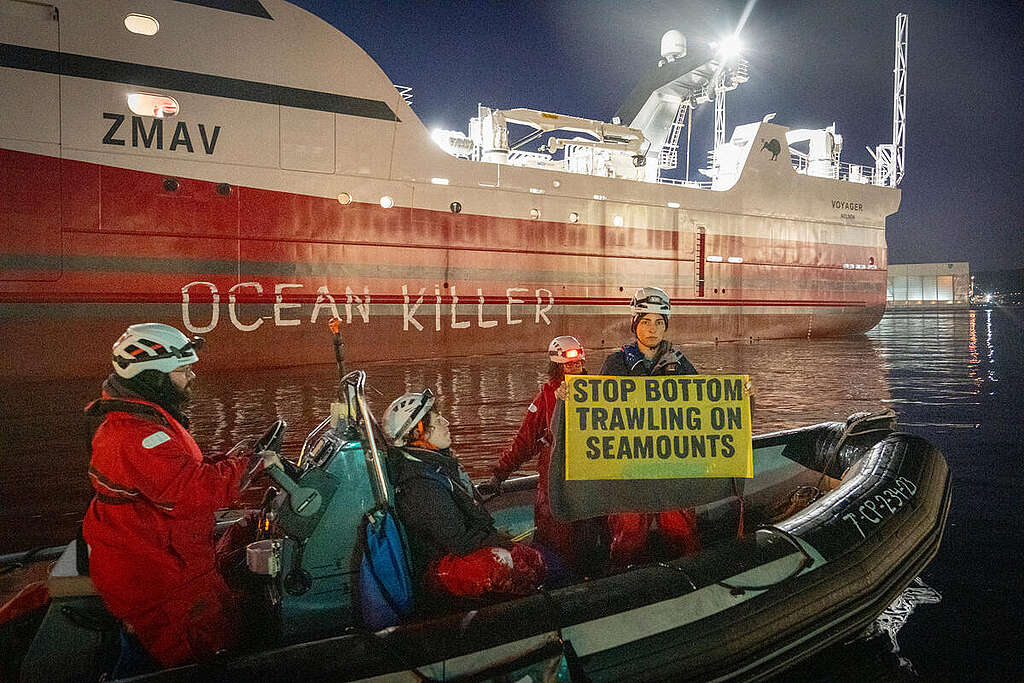
Activists in Spain painted “Ocean Killer” on the side of the 79 metre Voyager, officially renaming the vessel in Marin, Pontevedra on Monday morning.
The protesters are calling on the New Zealand government to take urgent action to ban bottom trawling on seamounts in the waters of Aotearoa, and the South Pacific High Seas – where New Zealand is the last country to still bottom trawl.
Greenpeace spokesperson Ellie Hooper says: “Activists rebranded this trawler today to expose the bottom trawling industry for what they are: ocean killers.
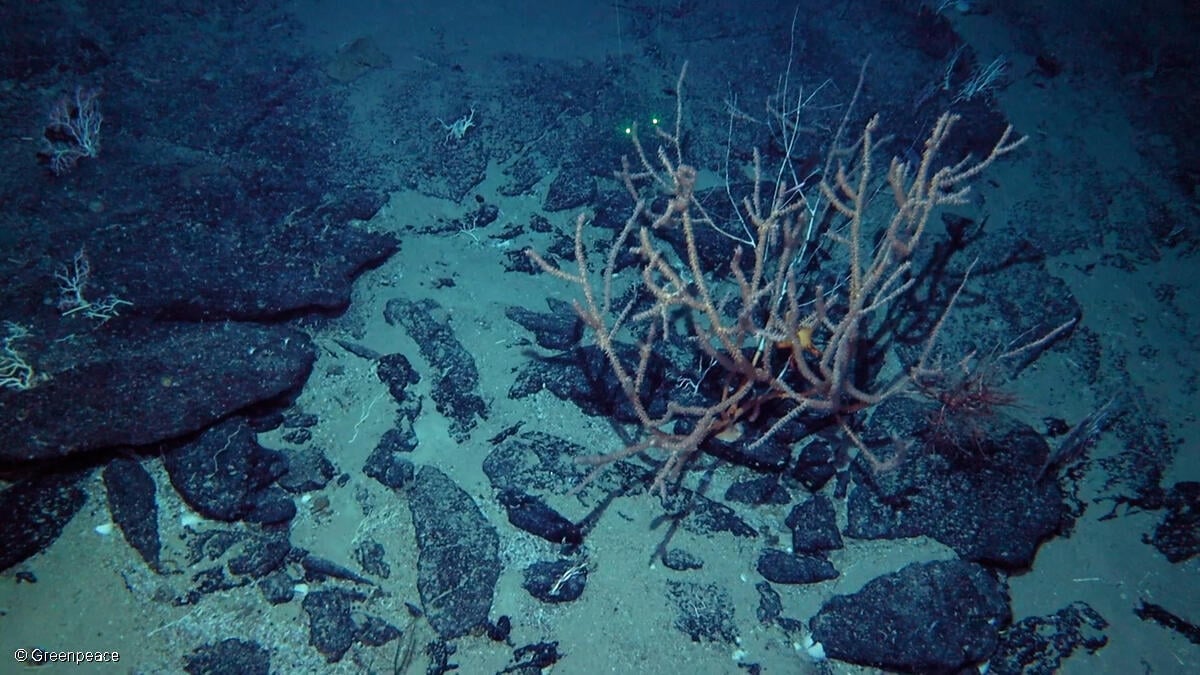
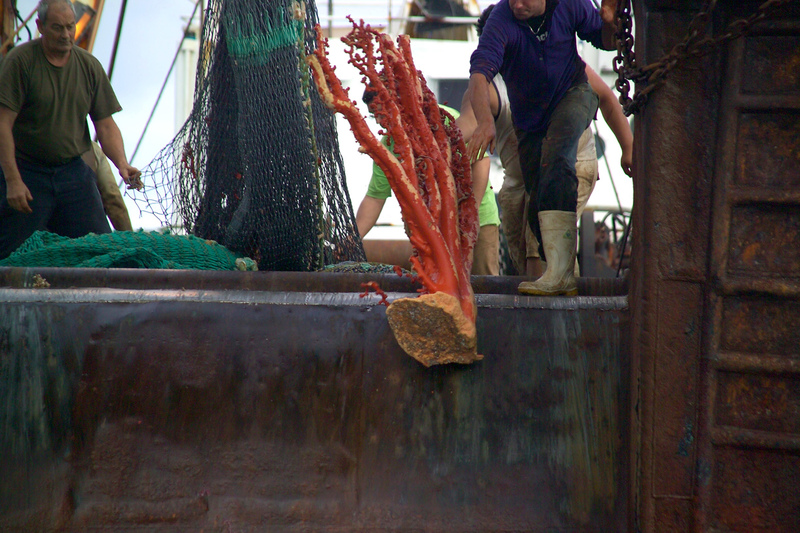
“Building a new supertrawler flies in the face of New Zealanders who are demanding an end to bottom trawling on seamounts. These biodiversity hotspots are home to precious coral that can be wiped out in moments by this fishing method.
“Throwing money at a new trawler shows this industry has no intention of stopping, or is even thinking about a transition away from destructive bottom trawling. It’s yet another reason why we need the government to close vital habitats without delay to protect the ocean.”
The new Talley’s vessel will soon leave Spain for New Zealand and is expected to arrive in early 2027.
Hooper says: “If this industry continues to build new supertrawlers to rip up the ocean in Aotearoa and the South Pacific, they can expect resistance. Building a new trawler is in clear violation of what New Zealanders have said they want.
“Securing a healthy ocean for the future has never been more urgent, and real ocean protection means banning trawling from these important ecosystems without delay.”
Activists also rebranded Talley’s satellite office in Spain.
Bottom trawling is an indiscriminate fishing method where large, heavy nets are dragged along the seafloor, destroying ocean habitats, including coral and netting a high amount of non-target species as bycatch.
Polling shows New Zealanders overwhelmingly support banning bottom trawling from seamounts, and stronger protections for the High Seas of the South Pacific. But the New Zealand government has yet to act. The country has also objected to protections at international fisheries meetings, consistently siding with the fishing industry over ocean protection.
Earlier this year, despite clear scientific proof of a vulnerable ecosystem home to hundreds of corals and sponges on the Lord Howe Rise, the government proposed opening the area to New Zealand bottom trawlers. The area has remained closed, following a consensus recommendation from other states active in the South Pacific.
Talley’s has a long history of carrying out bottom trawling destruction. In 2018, the Amaltal Apollo trawled in a protected area on the Lord Howe Rise, in the international waters of the Tasman Sea. The Amaltal Mariner was convicted of trawling in a marine reserve off Kaikōura in 2019.
Greenpeace activists took action against two Talley’s trawlers in 2025, also rebranding them with the words ocean killer.
Hooper said: “We are in an ocean crisis, and the industries that damage the ocean are doubling down, building bigger trawlers in their relentless push to suck more out of the seas. It cannot be sustained. We must protect vulnerable ecosystems from bottom trawling if we’re to have a healthy ocean and fish for the future. There is no argument to delay doing this any longer.”