We thank the Select Committee for the opportunity to submit on the Conservation Amendment Bill (the Bill). Greenpeace Aotearoa strongly opposes the Conservation Amendment Bill in full. We call on the Select Committee to reject the Bill in its entirety.
Public conservation land is an inseparable part of who we are as New Zealanders. It is defined by the snow-covered mountains, ancient forests, wild rivers, and native birdsong that make Aotearoa unlike anywhere else on Earth. It is where people from all walks of life go camping, tramping, fishing, and hunting. It is ancestral land to Māori, with immense cultural, spiritual and historical significance for iwi and hapū.
Conservation land is home to thousands of endangered native species on the brink of extinction and fighting to survive. It is one of our greatest natural defences against the climate crisis, because the huge tracts of native forests, remaining wetlands and undisturbed soils in the conservation estate store vast amounts of carbon.
Throughout history these lands have been protected, cared for and guarded by generations of New Zealanders from all walks of life.
It is appalling that this Coalition Government has introduced a Bill that attacks the conservation land that sits at the heart of our nation and is so cherished by our people. It is reprehensible that this Bill passed its first reading, with the support of 68 Members of Parliament.
We will not recommend any specific amendments in this substantive submission because it is our firm position that this Bill cannot be salvaged through amendments. It should be withdrawn.
We will only outline the most problematic clauses in this submission to illustrate the case for why the Committee should reject the Bill. The most egregious proposals are as follows.
Most shockingly, the Bill introduces mechanisms to make it significantly easier to sell off vast swathes of public land, putting a staggering five million hectares—around 60% of all conservation land in Aotearoa—at risk of being sold off or exchanged.
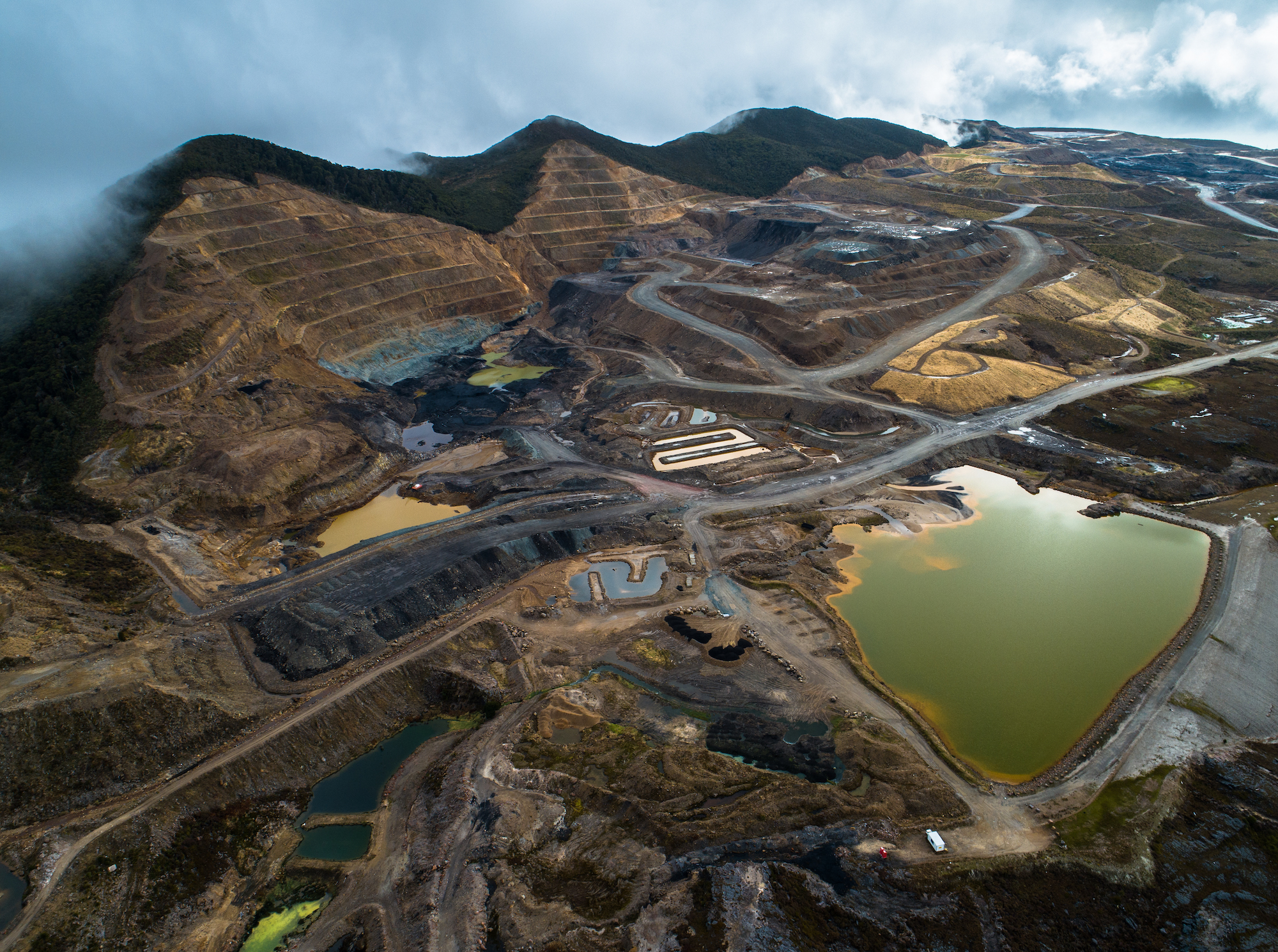
Even if the Government removes the land sale and exchange proposals, this Bill remains fundamentally unacceptable. It would still make it easier for open cast mines, private resorts, shops, gondolas and other inappropriate commercial exploitation to invade public conservation land, permanently degrading some of Aotearoa’s most treasured wild places.
The Bill fundamentally rewrites the purpose of the Conservation Act and the Department of Conservation (DOC). Instead of putting nature first, it would require DOC to enable commercial exploitation of public conservation land “to the greatest extent practicable”—a complete departure from the purpose for which the Act was created.
Rather than place Te Tiriti o Waitangi at the heart of the conservation system in Aotearoa and ensure the Crown upholdd its obligations as a Treaty partner this Bill deliberately undermines the practical effect of section 4 of the Conservation Act, and impacts existing Treaty settlements.
Finally, the Bill removes vital checks and balances on the Minister’s power. It strips independent conservation bodies that represent the public voice of their statutory powers and reduces public oversight of how public conservation land is managed.
The entire Conservation Amendment Bill is utterly deplorable. It should be withdrawn, rewritten and replaced with a proposal to strengthen the protection of public conservation land, give full effect to Te Tiriti o Waitangi, dictate minimum baseline funding for DOC, permanently prohibit mining on all conservation land, and ensure nature—not commercial exploitation—remains at
the heart of New Zealand’s conservation system.
In several prior submissions to this Select Committee we have outlined the vast evidence of the degraded and deteriorating state of the environment in Aotearoa. We will not reiterate this as the information is freely available in the Government’s own State of the Environment reports.
But, we would like to leave the Select Committee one final message.
The earth is sitting at the precipice of ecological collapse. It is decision makers in positions of power like you who bear responsibility for ensuring this collapse does not occur.
Your decisions affect not only the survival of the species that we share this earth with, but the survival of humanity – because we are all entirely dependent on nature for the water we drink, the air we breathe and the climate that produces a liveable habitat and secure food system.
There is only one choice that you can make in which you live up to your responsibilities and rise to the challenge you face as a decision-maker at this critical juncture in history. That choice is to Bin this Bill.
Greenpeace’s full submission in opposition to the Conservation Amendment Bill can be found below.