It was a year of people power, hard-fought wins, and standing up against political and corporate harm. From the deep ocean to the halls of power, from harbours and ports to courtrooms and communities, Greenpeace Aotearoa and our supporters showed what collective action can achieve.
2025 reminded us that protecting nature is never freely given. It’s fought for and defended. Below are some of the moments that defined 2025, the actions we took, the victories we secured, and the resistance that continues to grow across Aotearoa.
You can’t sink a rainbow
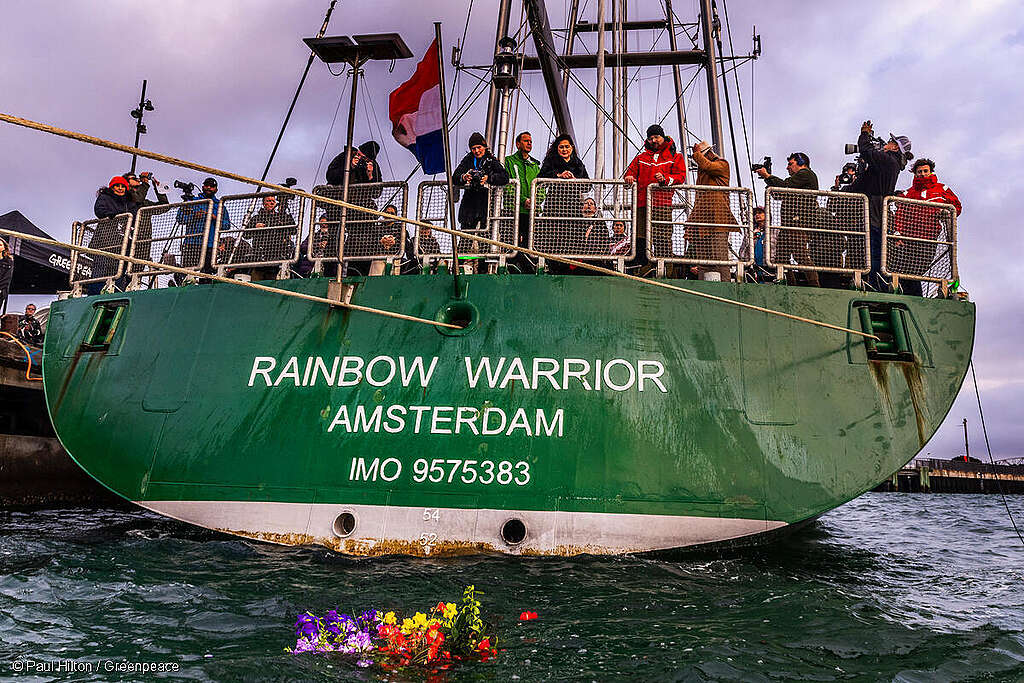
On 10 July in Auckland harbour we led the commemorations of the 40th anniversary of the bombing of the original Rainbow Warrior, back in 1985. As we remembered photographer Fernando Perreira and that terrible night, we also recalled the courage of people across Aotearoa and the Pacific who stood up for a nuclear free and independent Pacific..
In the face of the biodiversity and climate crises we remember we were the tiny nation that defied global superpowers and declared ourselves nuclear-free. We remember the critical importance of civil society and the power of committing activism for what we know is right. Read more
Expedition into the unknowns of the deep sea
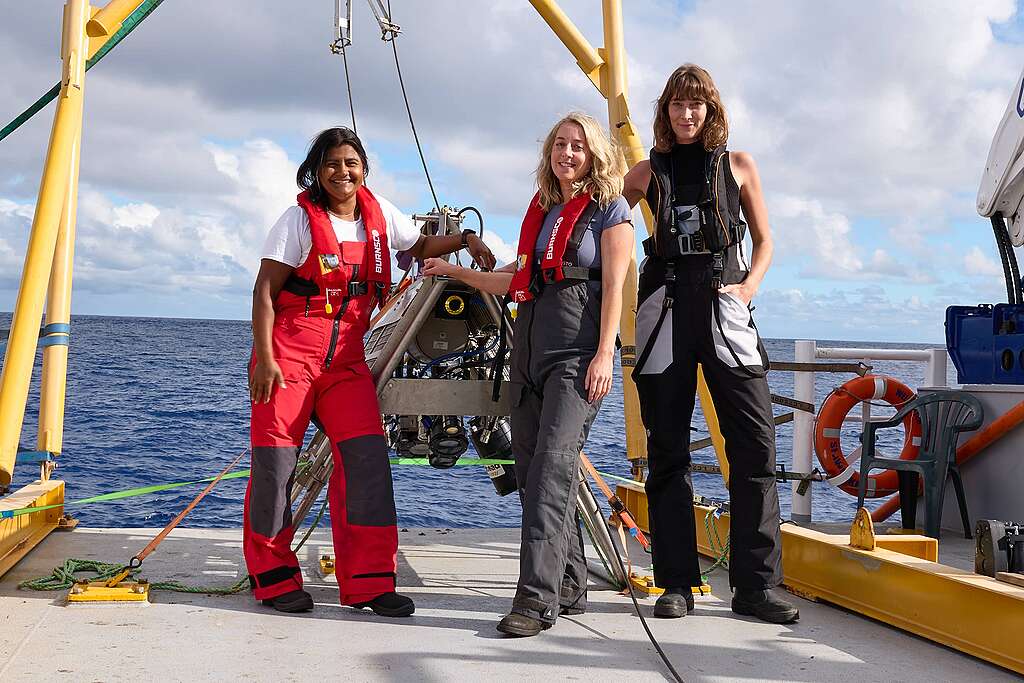
Bringing together a crew of scientists and technicians, in March we embarked on a voyage to the High Seas of the Tasman. The mission: to survey the undocumented deep sea life that exists hundreds of metres below the surface, and survey the damage caused to others by industrial bottom trawling. What we found was beyond what we could have imagined.
Watch our voyage into the unknown – the mission to survey unstudied seamounts out in the High Seas of the Tasman, for your own window into life a kilometre beneath the surface.
Challenging the bottom trawling industry
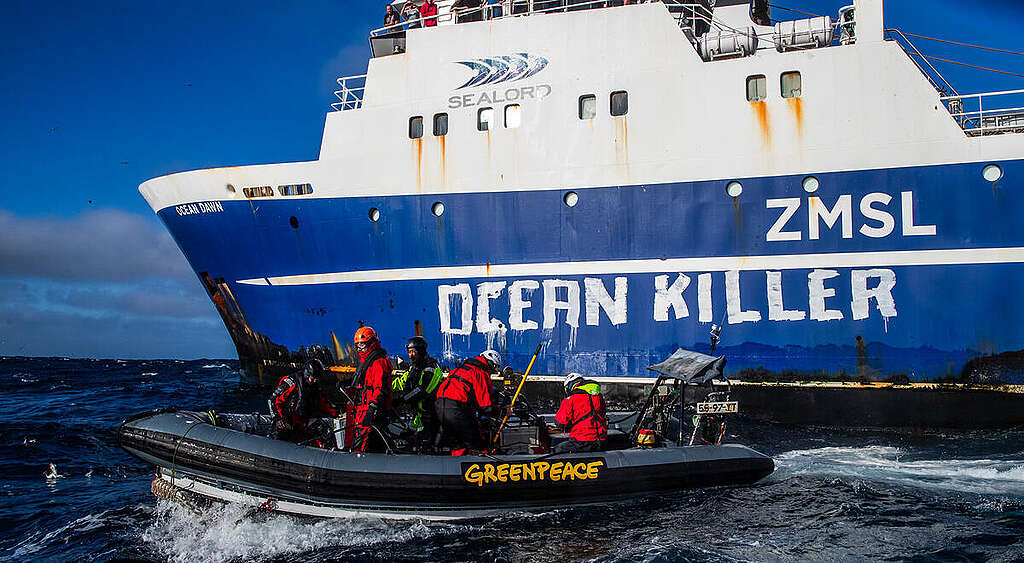
Twice in June Greenpeace activists launching from the Rainbow Warrior confronted bottom trawlers off the East Coast of Aotearoa, rebranding them an ‘ocean killer’ in protest over the destruction caused by bottom trawling. In August activists took action again – occupying a bottom trawling vessel in Nelson port in protest and to prevent it from departing on its voyage to do destructive industrial-scale fishing.
Our porridge is safe!
Thanks to overwhelming public pressure, the Luxon Government backed down on its poisonous plan to allow 100-times more glyphosate residues on the grains that feed us every day. Glyphosate – the main chemical in Roundup – is dangerous and has no place in our food system.
Over 30,000 people signed the Greenpeace open letter against the plan. Many of you were among the thousands who made a submission – every single submission on the proposal was against the idea. Now the challenge is to demand the Government re-start testing our food for glyphosate. Read more
A win for the moana
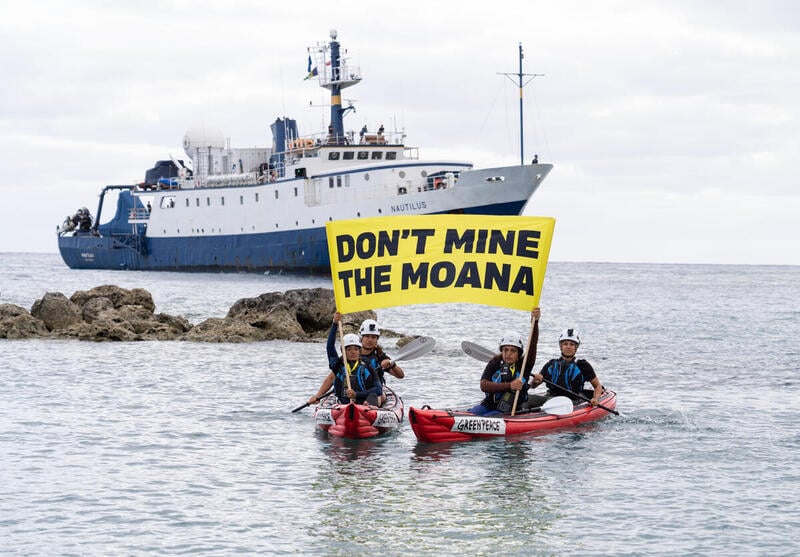
Deep sea mining has failed to secure approval in the Cook Islands, despite years of lobbying by powerful industry and government players. The decision has been deferred until at least 2032, protecting the moana from destruction for at least another seven years.
Pacific communities continue to push back against this emerging threat, and their resistance is reshaping the debate across the Pacific. Read more
Indigenous people power in the Amazon
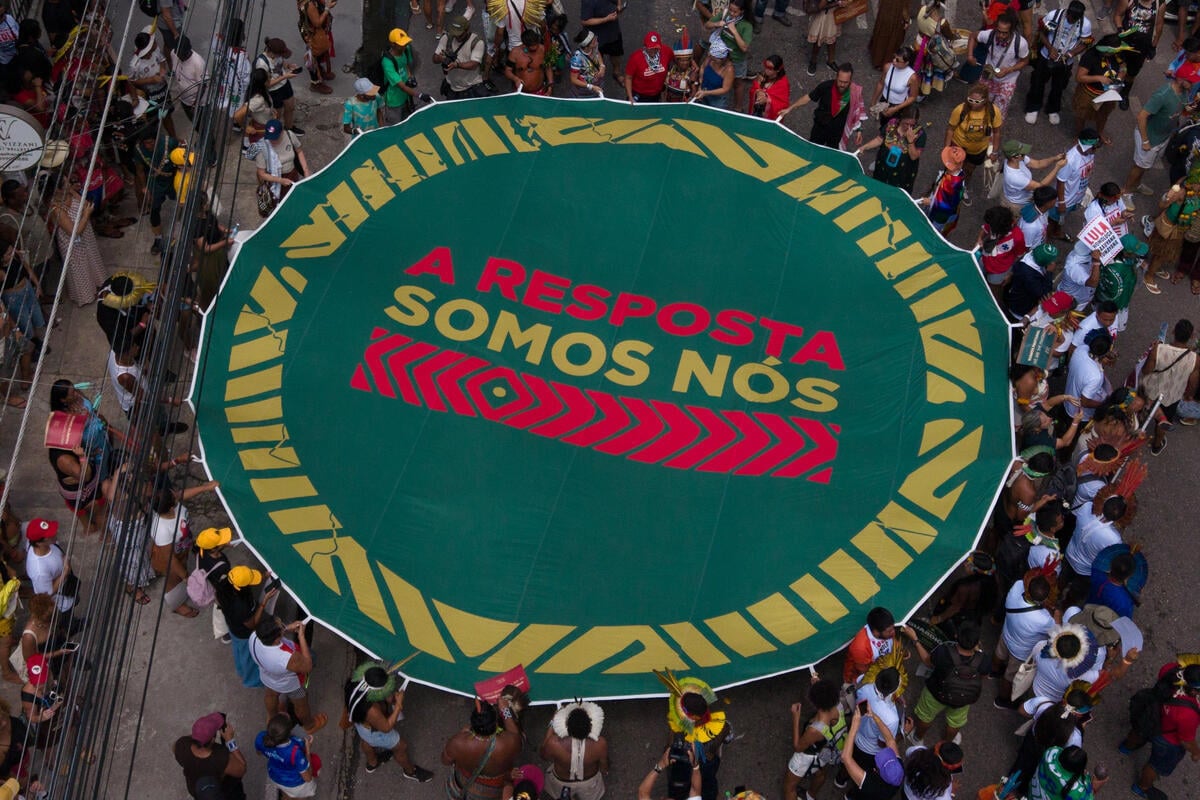
The COP30 international climate talks took place in the Brazilian Amazon in November. Beyond the official negotiations Greenpeace joined thousands of indigenous peoples, local communities, activists, and allies, who are speaking up for a just climate future. Read more
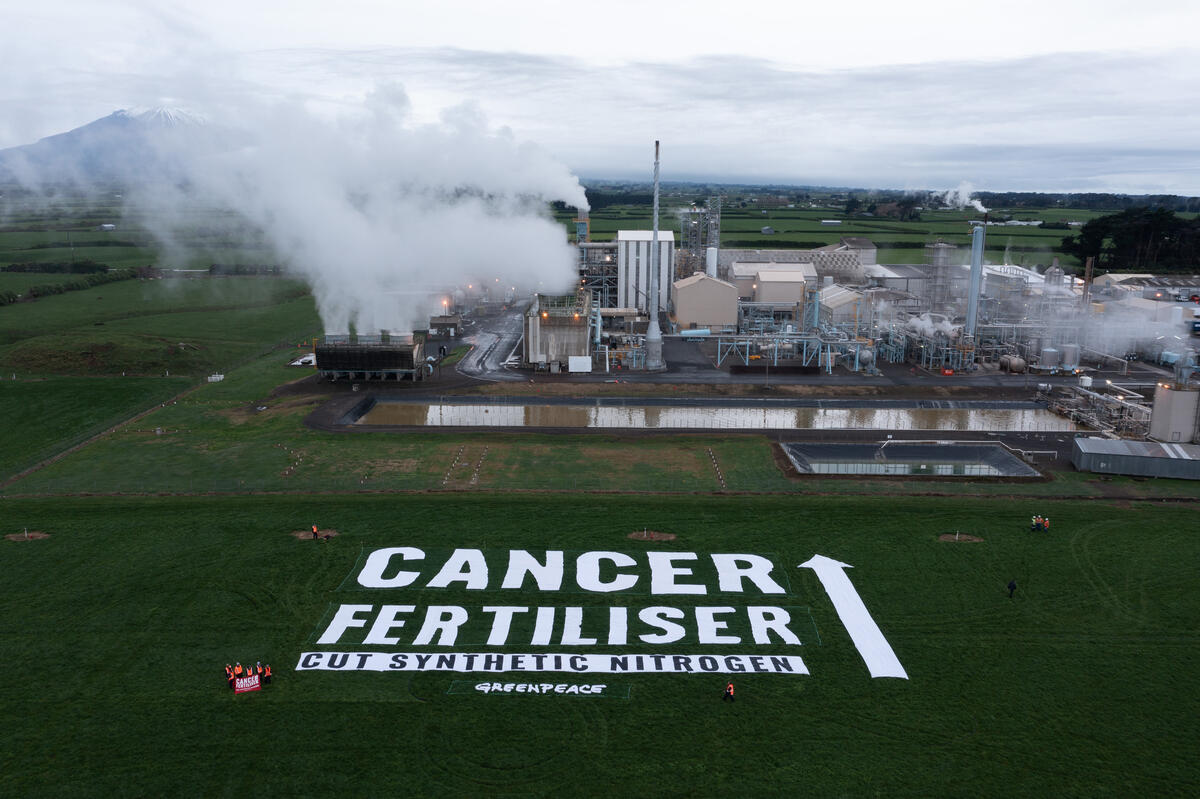
Challenging New Zealand’s most polluting industry – intensive dairy
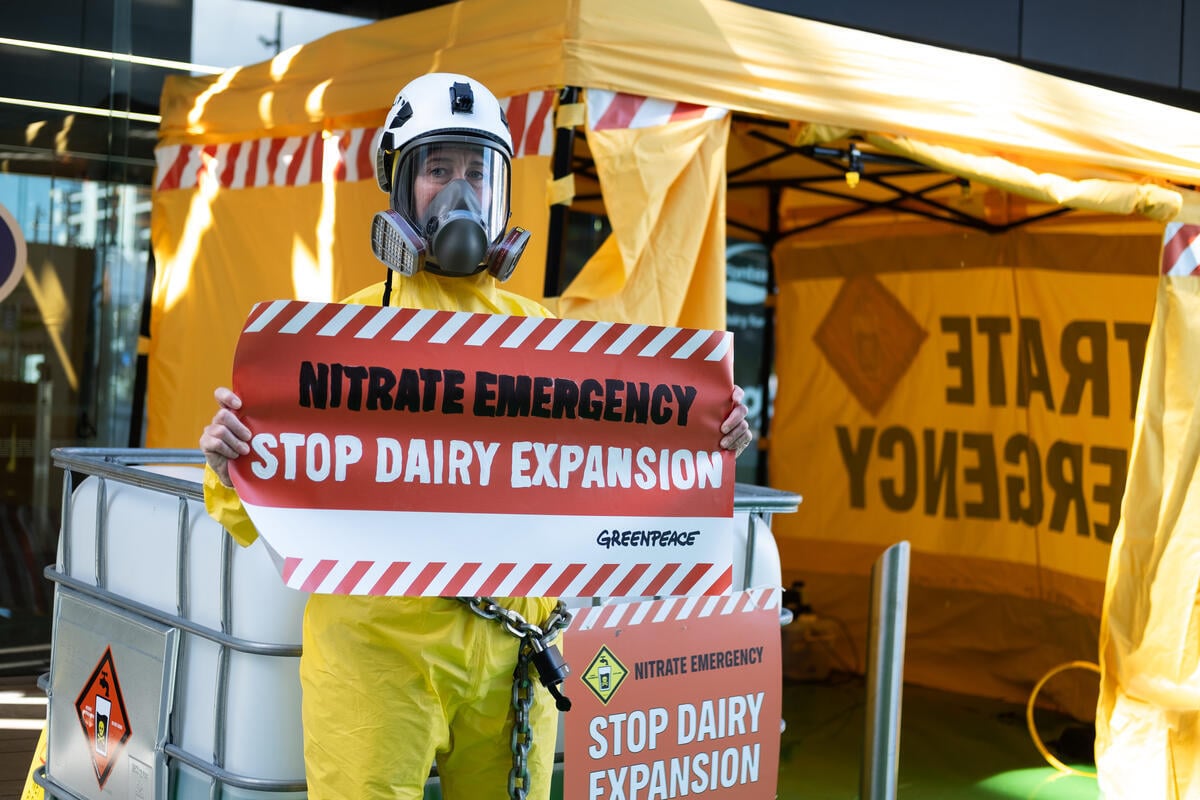
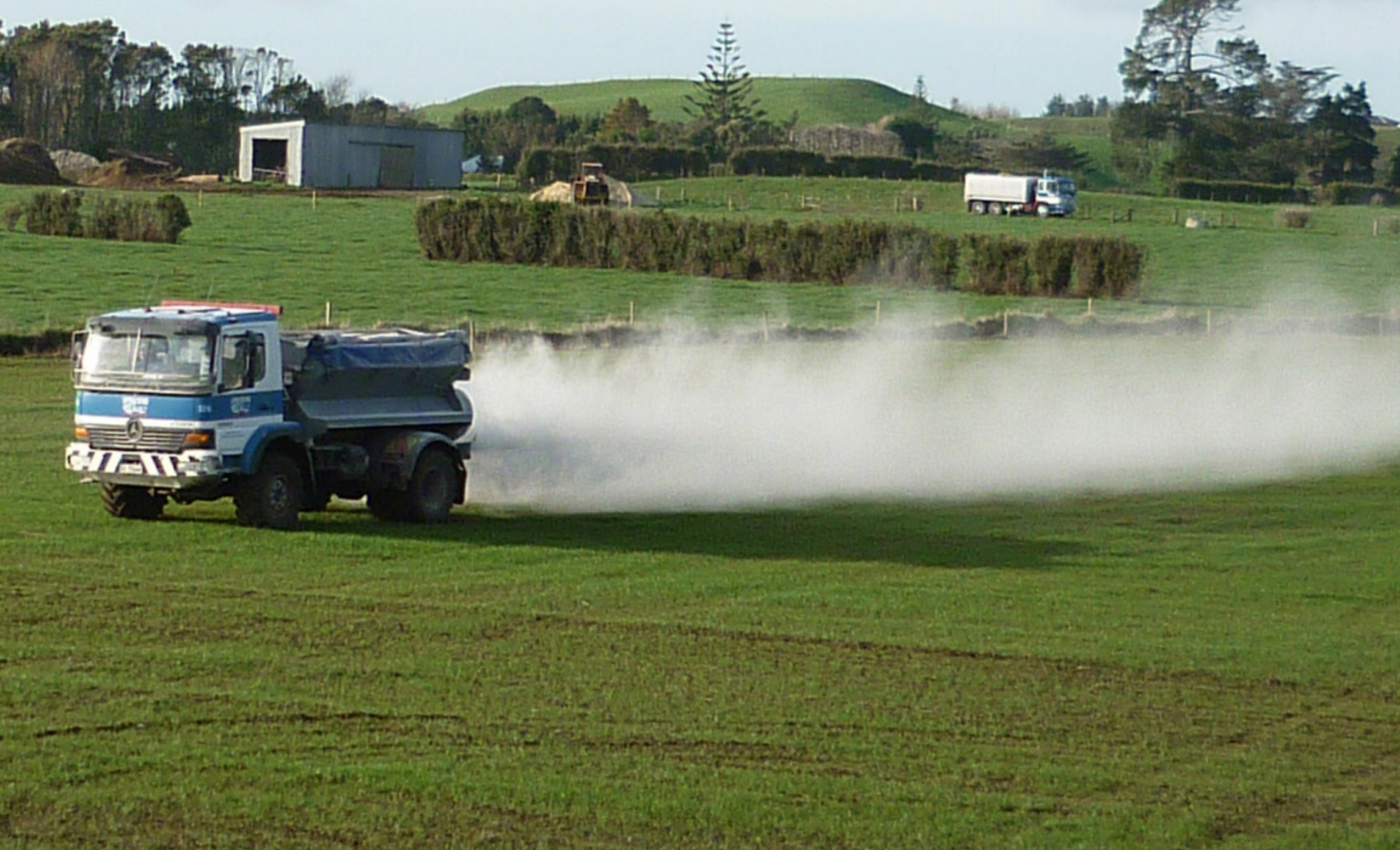
Fonterra is driving catastrophic climate change and contaminating New Zealand’s lakes, rivers and drinking water.
In April Greenpeace activists occupied an Agrifeeds palm kernel storage warehouse in Port Taranaki. The facility has been linked to illegal palm plantations in Indonesia, connecting Anchor butter and other Fonterra products with the ongoing destruction of rainforests.
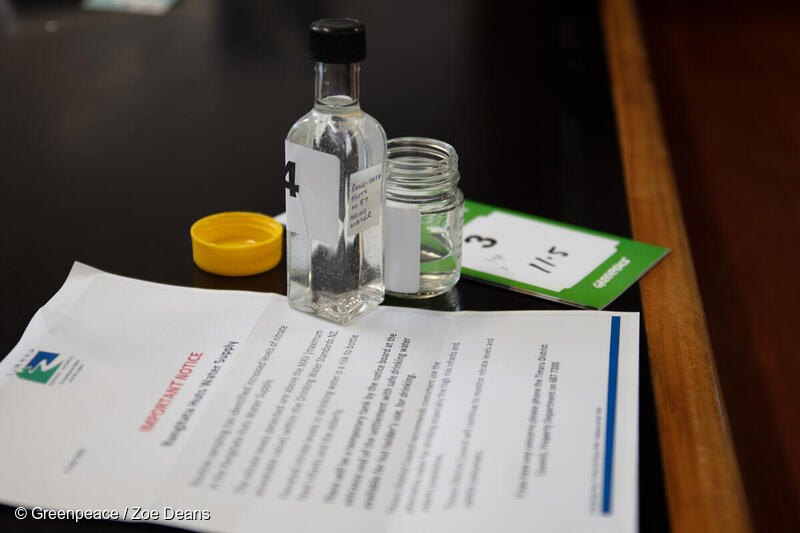
Environment Canterbury declared a nitrate emergency in September, after a long campaign drawing attention to the issue of intensive dairy’s pollution of drinking water. This is a huge win for rural New Zealanders whose drinking water is at risk from nitrate pollution – but there is much more to do, and we’re looking forward to seeing real action from Environment Canterbury to stop drinking water pollution in the new year.
In December, we set up a ‘nitrate emergency quarantine zone’ outside the Auckland HQ of New Zealand’s largest dairy company, Fonterra, on the day of the company’s annual investment meeting, and dumped 2000kgs of slime around their offices.
Watch: Greenpeace activists DISRUPT Fonterra investors meeting with 2 metric tonnes of slime
Toitū te Tiriti, toitū te taiao
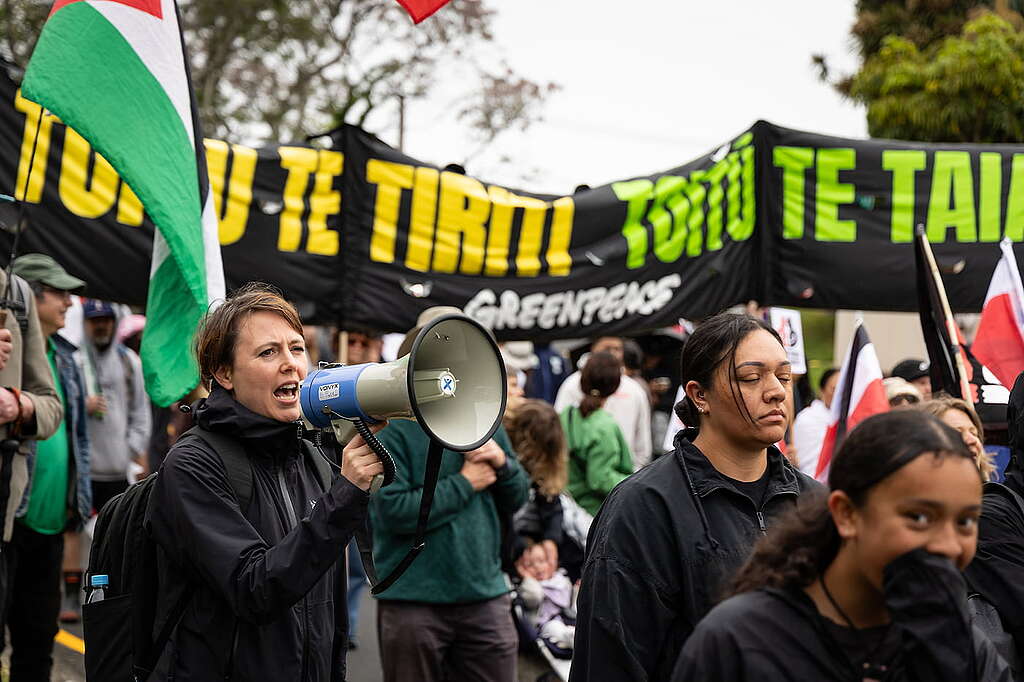
We collectively pushed back on the attack on indigenous rights with the ‘Treaty Principles Bill’. This Bill sought to erode the principles of Te Tiriti and would have paved the way for unrestrained developments that line shareholder pockets while eroding the natural and physical infrastructure that sustains us.
Te Tiriti o Waitangi underpins the society in Aotearoa, and gives a place for everyone who calls Aotearoa New Zealand home. Te Tiriti has also been an effective tool to protect communities and the natural places they care about from exploitation by commercial interests.
After public outrage, the Treaty Principles Bill was voted down 112 votes to 11 in April. Read more
Defending nature
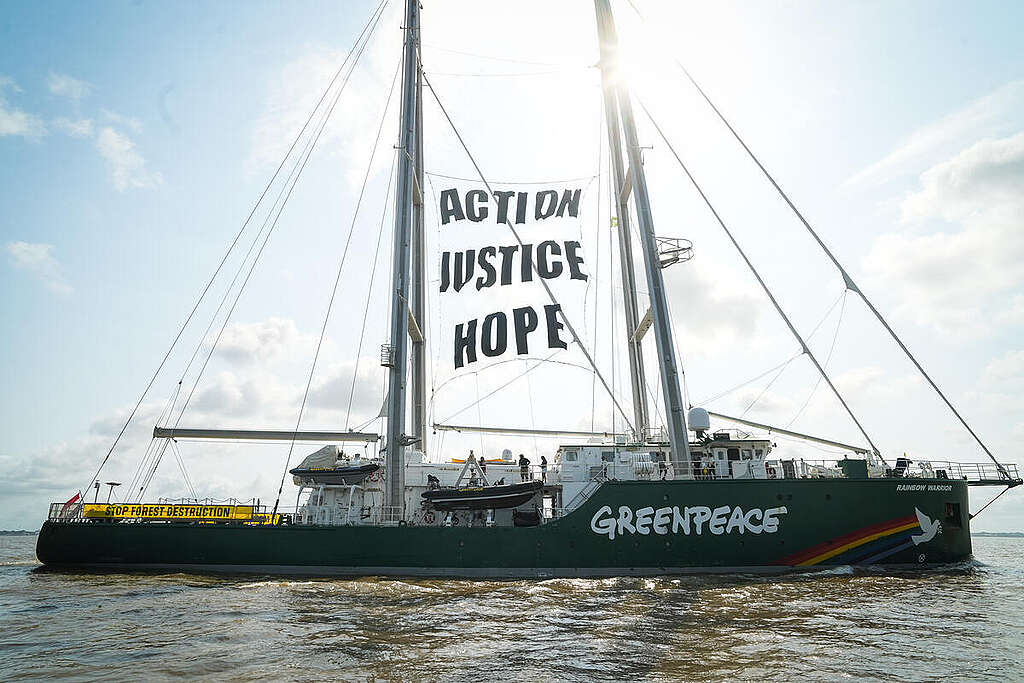
The War on Nature is not pretty.
This year the Luxon Government has been busy waging a war on nature by removing hard-won protections for the natural world and fast-tracking destructive zombie projects like the seabed mining project set for the South Taranaki Bight, that had been rejected by the highest court in the land, before it was able to submit a fast-track application
The Luxon Government is choosing to serve profiteering corporations instead of the people they are elected to serve. We are grappling with elected politicians in the Luxon government who take money from polluting corporations, then rewrite the rules to serve those donors by gutting our democracy and environmental protections.
People took up their citizen powers to speak up and make submissions on the worst of the Regulatory Standards Bill and the Fast Track amendments. Every action counts!
The resistance has taken root in every corner of the country – marches, petitions, occupations, submissions, rallies, court cases and acts of civil disobedience.
The following timeline captures just some of the powerful and inspiring acts of resistance that are building a growing wave of opposition to this Government’s anti-nature agenda.
Read: Acts of resistance to the Luxon Government’s war on nature: a timeline