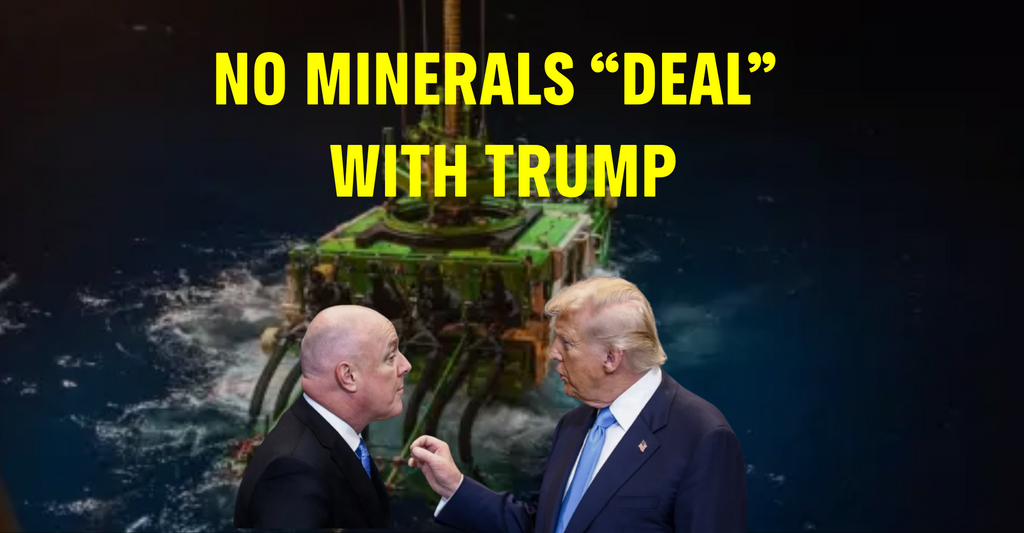
Trump is demanding New Zealand sign up to a deal to provide the USA with minerals (such as vanadium or antimony, but also coal and gold). If we don’t he’s threatening to impose tariffs on our exports.
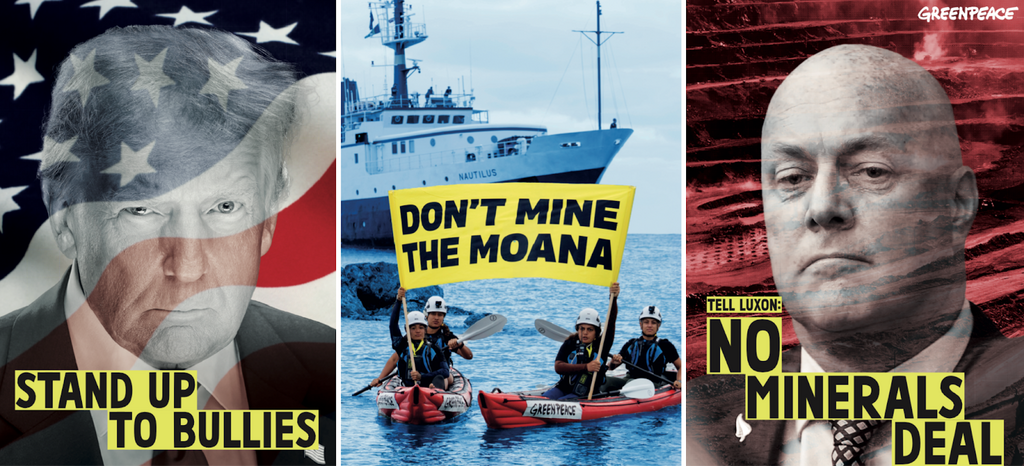
Most people in Aotearoa don’t want the USA dictating what happens on the land or in the oceans here. How we look after the oceans and lands is the basis for our continued wellbeing here and on the planet.
Yet the Luxon Government is considering a minerals deal that would give priority access to the United States. If signed, this deal could open up new frontiers for extractive industries here, such as seabed mining.
Here’s everything you need to know about the potential minerals deal and what it means for the moana and the future.
On this page
- An opening for destructive mining
- What’s the Trump minerals deal?
- What are ‘critical’ minerals?
- Why does the USA want access to these minerals?
- What are the risks of Luxon signing this deal?
- What’s seabed mining?
- What’s the ‘critical minerals’ slush fund?
- Isn’t mining good for the economy?
- Stand up to bullies – don’t mine the moana
Call on Luxon to say no to Trump’s demands for critical minerals
Take ActionA minerals deal will open up destructive mining
A minerals deal with the USA would accelerate destructive mineral extraction from the land and seas of Aotearoa. It would open the door to new projects such as seabed mining – an untested extractive industry with short term economic gain and high environmental costs.
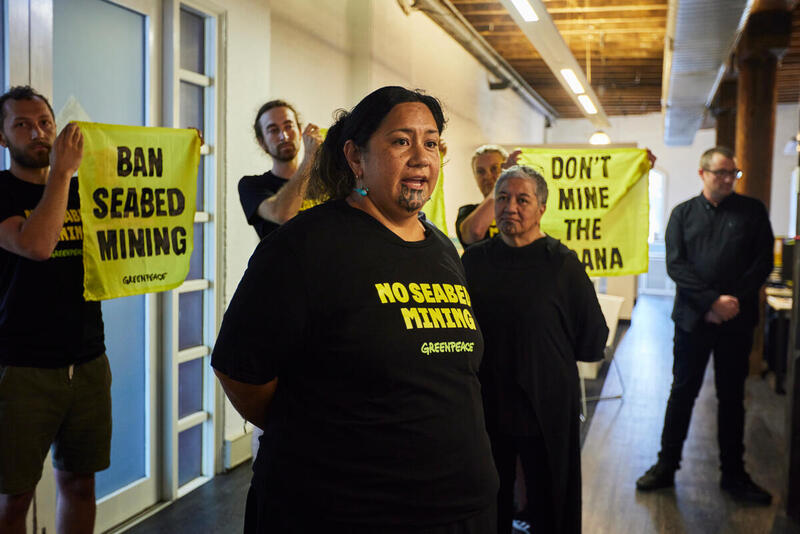
Local Taranaki iwi, locals, the scientific community, the courts and experts have all rejected the fast tracked seabed mining project in Taranaki every time.
Our resistance in Aotearoa is a critical part of stopping deep sea mining before it starts, anywhere in the world. We can stand up to bullies. Most people in Aotearoa don’t want the USA dictating what happens on the land or in the oceans here.
New Zealand needs to also maintain its independence and not get caught up in a geopolitical arms race.
If we allow the USA to push seabed mining on us, it could open the floodgates for destructive mining across the entire Pacific. Let’s hold the line to protect our shared ocean from corporate and colonial greed, making sure this risky industry is stopped before it starts.
What’s the Trump minerals deal?
New Zealand is in discussions with the US on a non-binding ‘critical minerals framework’ that would give American access to New Zealand resources.
In February 2026 New Zealand representatives joined around 50 nations at the Critical Minerals Ministerial, where the USA unveiled its plans.
Trump has invited New Zealand to sign up to join ‘a trading bloc among allies and partners’. The USA wants vanadium and antimony from New Zealand to fuel its commercial and military-industrial complex.
This bloc of countries would increase production of key minerals the USA needs.
If we don’t join, Trump is threatening to impose tariffs on our exports. Trump is trying to bully New Zealand into doing a deal on these ‘critical’ minerals.
Luxon is entertaining Trump, but decisions about our moana and our future belong to us – not some foreign power.
What are ‘critical’ minerals?
Critical minerals are basic elements now part of most modern technologies. They’re needed in everything from batteries to wind turbines to semiconductors. They are also necessary in all advanced military systems.
The New Zealand Government has created an official list of 37 minerals that are
- economically important to New Zealand;
- in demand by international partners;
- are ‘vulnerable to international or domestic supply disruptions’
These are called ‘critical’ minerals. The Government has also added coal to the list, though it’s not technically a mineral.
The USA has its own list of minerals they regard as similarly important for their commercial, industrial and military purposes.
Check out this short explainer video on ‘special rocks’ from Robbie Nicol and the Spinoff!
Why does the USA want access to these minerals?
The USA is putting aside billions of dollars to build a stockpile of ‘critical’ minerals, calling it ‘Project Vault’. Project Vault is integral to its network of security alliances and national security priorities.
China presently is the world’s leading supplier of minerals while the USA is dependent on imports of minerals. The USA regards this as a security risk – a ‘significant national security vulnerability’.
This is why Trump is pushing to start untested industries such as deep sea mining, despite the environmental risks.
In 2025 Trump signed an executive order to accelerate seabed mining globally.
It’s a game he’s playing across the Pacific and around the world. The United States has already signed deals with the Cook Islands to explore the region for deep sea mining.
Trump is bullying Aotearoa and other nations into deals for priority access that could also open the door for seabed miners.
What are the risks of Luxon signing this deal?
The environmental cost to Aotearoa of signing a minerals deal with the USA would be incalculable.
Seabed mining would be devastating for the fragile ecosystems, wildlife and environment.
The ocean is too precious to mine. People across the Pacific depend on its health and integrity for survival. The Pacific is not a sacrifice zone.
A minerals deal would accelerate destructive mineral extraction from the land and seas of Aotearoa. It would open the door to new projects such as seabed mining, an untested extractive industry with short term economic gain and high environmental costs.
A deal would mean choosing closer security ties with the USA over other trading partners.
Yet New Zealand completely depends on global cooperation for peace and trade. It must maintain its independence and not get caught up in a geopolitical minerals race.
What’s seabed mining?
Mining the seabed is an untested industry that would cause huge environmental damage to the precious oceans.
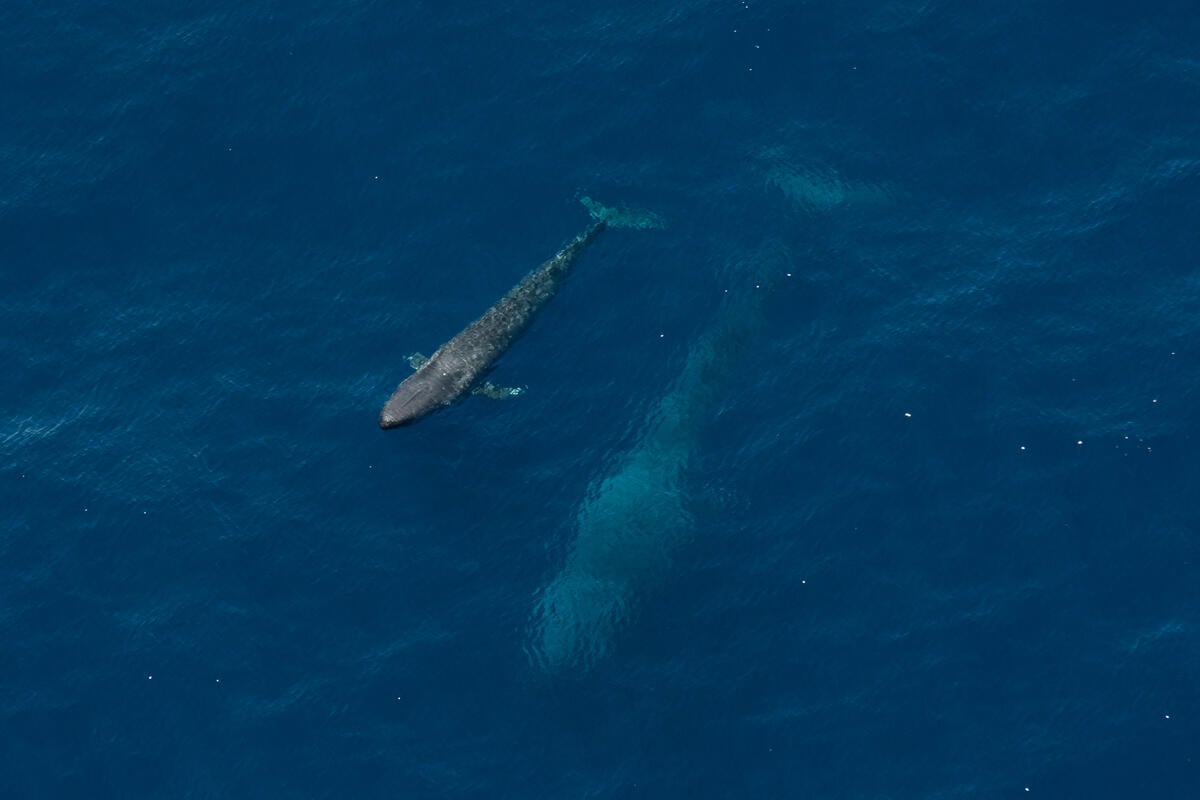
Seabed mining would destroy beautiful habitats and ecosystems that aren’t yet fully understood. It would cause massive damage to the ecosystems which sustain life all the way up the food chain, that all of us rely on.
Trans Tasman Resources (TTR) is a wannabe seabed mining company from Australia that is targeting vanadium: a mineral used to strengthen iron and steel, and a key component in fortified metals used for missiles and military aircraft. It’s also used in batteries and magnets, and has been added to the ‘critical minerals’ list.
The environmental risks are too high, the impact on marine life are too great, and the project failed to meet the necessary standards.
Our courts, including the Supreme Court, have rejected this industry repeatedly because it would be an environmental disaster. All their attempts to get consent have been rejected by every court, including the Supreme Court, and most recently even the pro-industry Fast Track expert panel.
Our resistance to seabed mining in Aotearoa is a frontline in stopping deep sea mining before it starts, anywhere in the world.
What’s the ‘critical minerals’ slush fund?
The Luxon Government has also earmarked $80 million within the Regional Infrastructure Fundas a minerals slush fund for mining companies. They’re laying the red carpet for overseas mining giants to use New Zealand as a sacrifice zone.
By signing both a minerals deal with the USA and the slush fund for extraction, the government could be looking to reopen the door to zombie projects like TTR’s seabed mining application.
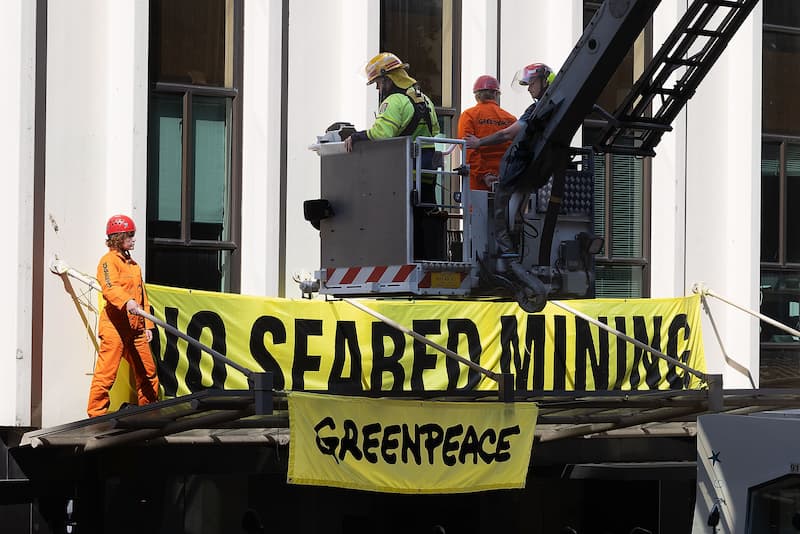
We’ve spent over a decade working alongside iwi, experts and allies to stop companies like TTR from desecrating the South Taranaki Bight with destructive seabed mining.
Yet Luxon and his coalition partners seem set to invite any kind of mining project, no matter how much destruction it may cause.
Isn’t mining good for the economy?
Mining has been a part of human history for thousands of years.
But instead of learning from the irreversible impacts of mining to the environment and frontline communities, some want to risk repeating the same mistakes. Untested new industries such as seabed mining and deep sea mining bring huge risks.
Mining companies such as Trans Tasman Resources (TTR) are foreign owned and revenue flows straight to overseas owners and shareholders.
The economic benefits for people in New Zealand are limited and uncertain. They certainly don’t outweigh the ecological impacts. TTR’s seabed mining proposal would create few local jobs and risks real, existing jobs and small businesses.
Minerals extraction is touted as a ‘green’ industry that powers new technologies such as battery storage and electric cars. Yet demand for minerals is driven by other existing industries such as rockets and military technology, building precision-guided weapons and running AI-driven war operations.
Seabed mining in the South Taranaki Bight is a blocker to a shift to a low carbon future. It would lock out renewable energy opportunities for decades.
Seabed mining is not necessary for the transition to a carbon-free future. We need to move beyond starting yet another extractive industry, and embrace a circular economy to reuse and recycle what we’ve got.
Stand up to bullies – don’t mine the moana
The people of Aotearoa need to know our Government will never trade away, our futures, or the protection of the moana and our wild places.
We can stand up to bullies. Together we’ve so far stopped Australian mining company Trans Tasman Resources (TTR) from starting a giant seabed mine off the coast of Taranaki.
Most people in Aotearoa don’t want the USA dictating what happens on the land or in the oceans here.
Our political leaders must listen to the people – we don’t want this minerals deal, nor do we want to open Aotearoa up to seabed mining!
Call on Luxon to say no to Trump’s demands for critical minerals
Take Action