I am often asked, what drives me in my fight for the planet? Indeed, it has been difficult and frustrating to see the damage that humans have, and are continuing to, inflict on Earth. Now, more than ever.

As a multimedia editor, I go through many images in a day and every time I see images of nature in all its stunning and surprising beauty, it reinforces in me that this planet Earth, our home, is absolutely worth fighting for.

On this Earth Day, I have picked out a selection of images of Mother Earth’s stunning creations from some of the remotest regions of the planet. I am reminded yet again that nature is the greatest force to preserve and care for.

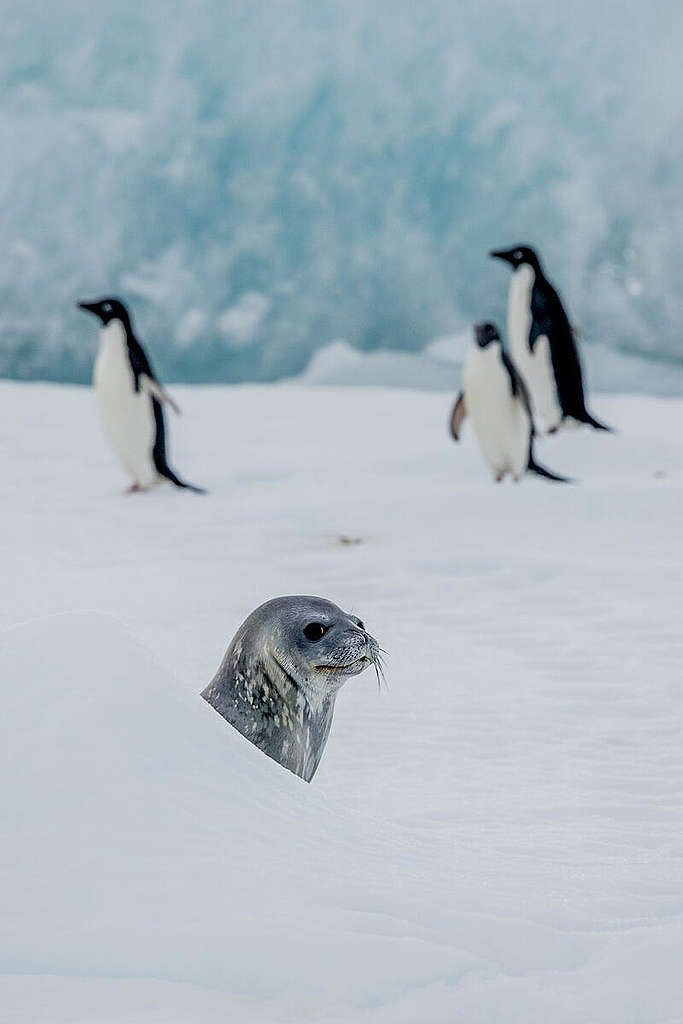
Weddell Seal and Adélie Penguins. © Tomás Munita / Greenpeace
A Weddell Seal and Adélie Penguins in the Antarctic Sound. The Greenpeace ship Arctic Sunrise has returned to the Antarctic Peninsula with a team of independent scientists from Stony Brook University, to conduct groundbreaking research on remote penguin colonies, many of which have never before been surveyed. To investigate the impacts of the climate crisis on Antarctic penguin populations. © Tomás Munita / Greenpeace
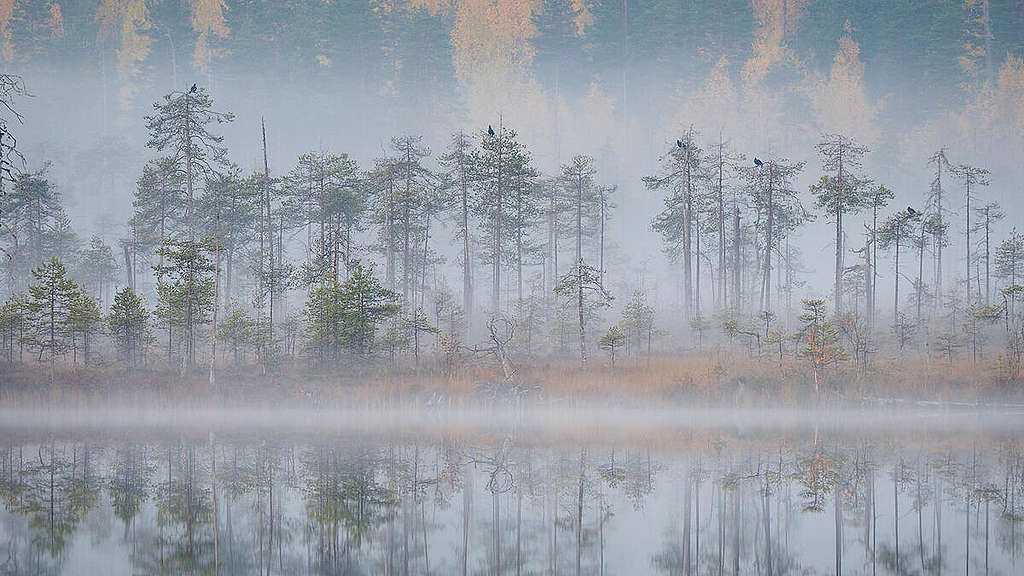
Face to Face with Nature: Autumn in Karelia (Video Still). © Greenpeace / Igor Podgorny
Video still of a foggy morning over the lake, black grouse on top of pines from a short video about the nature of the Republic of Karelia, located in the northwest of the European part of Russia. From the series “Face to face with Nature”. © Greenpeace / Igor Podgorny
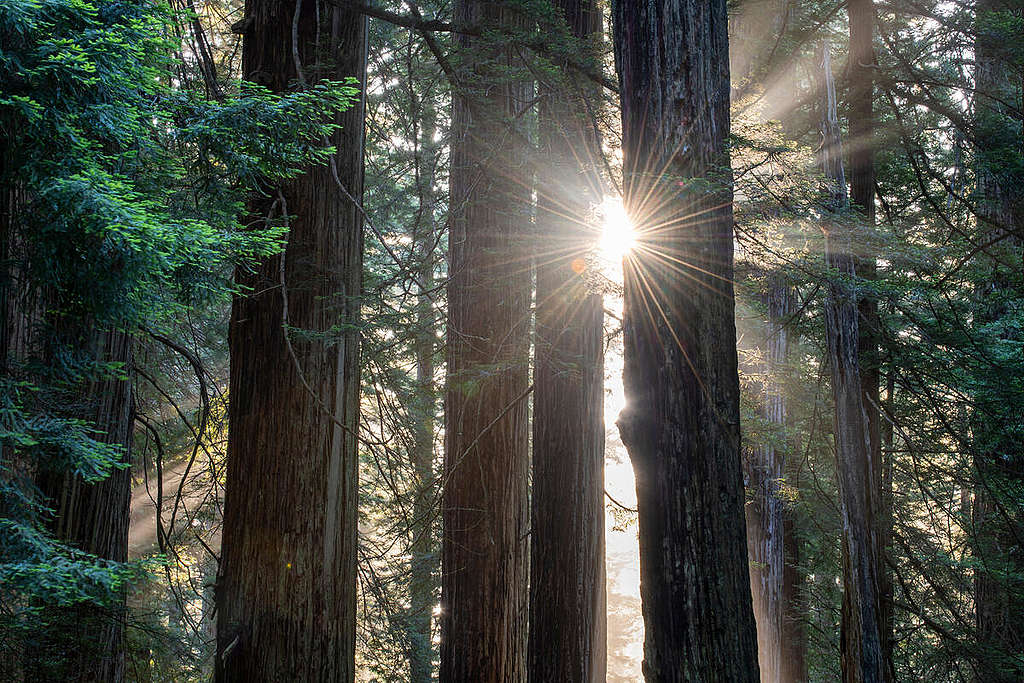
Jedediah Smith Redwoods State Park in California. © Daniel Beltrá / Greenpeace
Jedediah Smith Redwoods State Park is the last in a long string of redwood parks that stretch up Northern California’s coast. A few miles inland from the ocean, the park is densely forested with huge ancient trees. In fact, it contains seven per cent of all the old-growth redwoods left in the world. No roads or trails mark “Jed Smith’s” core—just pure, primeval majesty. The park was named for Jedediah Strong Smith, who in the 1820s became the first white man to explore the interior of northern California. The park was established in 1929 with a small parcel donated to Save the Redwoods League by the family of lumberman Frank Stout. © Daniel Beltrá / Greenpeace
<!-- wp:paragraph -->
<p>The <em>Three Waters</em> reform programme began after an inquiry into the Havelock North tragedy - the largest recorded outbreak of waterborne disease in the country, which killed four people and caused illness in 5,500. It was caused by the poor regulation of agriculture which led to the water supply becoming contaminated with <a href="https://www.dia.govt.nz/Government-Inquiry-into-Havelock-North-Drinking-Water-Report---Part-1---Overview">campylobacter from sheep faeces.</a> Today, <a href="https://www.dia.govt.nz/diawebsite.nsf/Files/Three-waters-reform-programme-2022/$file/Three-waters-reform-case-for-change-and-summary-of-proposals-15-June-2022.pdf">around one in five New Zealanders</a><strong> </strong>are being supplied with drinking water that is not guaranteed to be safe from bacterial contamination and up to <a href="https://www.rnz.co.nz/news/national/436879/up-to-800-000-new-zealanders-may-have-increased-bowel-cancer-risk-due-to-nitrates-in-water">800,000 are exposed</a> to potentially hazardous levels of nitrate in their drinking water.</p>
<!-- /wp:paragraph -->

<!-- wp:paragraph -->
<p>The Government is now proposing a massive overhaul of how the three waters - which are: <strong>1) stormwater, 2) drinking water, and 3) wastewater</strong> - are managed in Aotearoa. Essentially, the reforms will shift control of the three waters from the country's 67 local councils to four new publicly-owned regional entities. These four new entities will be owned by the Councils in the service area of the respective entities and they will be co-governed by Councils and Mana Whenua in that area. The entities will take ownership of three waters infrastructure, be financially independent of Councils, have the ability to charge the public for use of the three waters, and be able to borrow more debt. Essentially, the Three Waters Reform <a href="https://thekaka.substack.com/p/tuesdays-dawn-chorus-the-real-reason">reorganises the water assets </a>so that the new water entities can levy water charges and sustain their own debt without having to ask permission of rate and tax payers.</p>
<!-- /wp:paragraph -->

<!-- wp:heading -->
<h2><strong>Does Greenpeace support the Three Waters Reforms?</strong></h2>
<!-- /wp:heading -->

<!-- wp:paragraph -->
<p>Greenpeace supports these Three Waters reforms but wants to see some changes to ensure that people's health and the health of our environment are protected and Te Mana o Te Wai is upheld. Greenpeace also supports co-governance of the three waters as an essential part of the plan. It is consistent with Te Tiriti o Waitangi and would be a positive step for governance in Aotearoa and the health of our water. </p>
<!-- /wp:paragraph -->

<!-- wp:paragraph -->
<p>Rivers and harbours should not be treated like dumping grounds for sewage and stormwater runoff. New Zealanders should be able to trust that the water in their taps is safe to drink and won’t make them sick. But sewage is running through the streets of Wellington, many rivers and beaches are unsafe to swim in and people are getting sick from drinking their tap water. </p>
<!-- /wp:paragraph -->

<!-- wp:paragraph -->
<p>That’s because after decades of the Government failing to regulate intensive agriculture, New Zealand's drinking water, lakes, rivers and harbours have become increasingly contaminated with pathogens - like those that caused the Havelock North outbreak - and with worsening nitrate contamination which risks reproductive impacts and colorectal cancer. </p>
<!-- /wp:paragraph -->

<!-- wp:heading -->
<h2><strong>Changes required to Three Waters</strong></h2>
<!-- /wp:heading -->

<!-- wp:paragraph -->
<p>This failure to regulate intensive agriculture, coupled with massive underfunding by Councils of three waters infrastructure, has brought New Zealand's water systems to breaking point. For those suffering water-borne illness, it is already broken. So reform is needed, and it is needed quickly. The current Three Waters Reforms will help somewhat, but they are missing one crucial step that must happen to ensure that everyone has access to clean drinking water in Aotearoa. That step is to stop the pollution of drinking water in the first place.</p>
<!-- /wp:paragraph -->

<!-- wp:paragraph -->
<p>The biggest threat to safe drinking water is the pollution and contamination of the sources of our drinking water - which are rivers, lakes and aquifers. As a result of land use practices like intensive dairying and <a href="https://www.greenpeace.org/aotearoa/story/new-zealands-hidden-climate-killer-synthetic-nitrogen/">synthetic nitrogen fertiliser</a> use, drinking water is sometimes so contaminated it is undrinkable and needs costly endpoint treatment to make it drinkable again. The most important thing the Government needs to do is to regulate the industries that are polluting drinking water in the first place. Two of the biggest polluters are intensive dairying and synthetic nitrogen fertiliser. If we are to protect our drinking water sources now and into the future, we must stop the massive volume of nitrogen and animal excreta pouring onto our land and into our waterways, causing algal blooms, waterborne illness, and seeping nitrate.</p>
<!-- /wp:paragraph -->

<!-- wp:paragraph -->
<p>Greenpeace is calling on the government to <a href="https://petition.act.greenpeace.org.nz/agriculture-fertiliser?source=actioncallout">phase out synthetic fertiliser</a>,<a href="https://petition.act.greenpeace.org.nz/agriculture-halve-the-dairy-herd?source=actioncallout"> reduce stocking rates</a>, and invest in the shift to plant-based regenerative organic farming that works with nature, not against it. These are all necessary steps to protect New Zealand’s water.</p>
<!-- /wp:paragraph -->

<!-- wp:paragraph -->
<p>The other part missing in the reforms is any moves to create a more fair and equitable model of dealing with the cost burden of decontaminating dirty water. The cost of treating contaminated water to make it safe again depends on the quality of the source water, so the more polluted it is, the more expensive it becomes to treat.  At the moment, the public are footing the bill for cleaning up water that has been polluted by companies, like agri-chemical giant, Ravensdown, who are making massive profits but leaving behind a deadly mess. It is a classic example of privatising the profits and socialising the costs of polluting production. </p>
<!-- /wp:paragraph -->

<!-- wp:paragraph -->
<p>The Government needs to implement a polluter pays model in the form of a levy on agrochemical producers such as Ravensdown and Ballance, and on agricultural processors such as Fonterra, as part of these reforms. The companies that contaminate our drinking water sources in the first place should be the ones that foot the bill for the expensive infrastructure needed to make water safe to drink again. </p>
<!-- /wp:paragraph -->

<!-- wp:heading -->
<h2><strong>Three Waters current management</strong></h2>
<!-- /wp:heading -->

<!-- wp:paragraph -->
<p>Currently, New Zealand’s 67 local authorities own and operate the majority of three waters services. <a href="https://www.dia.govt.nz/diawebsite.nsf/Files/Three-waters-reform-programme-2022/$file/Three-waters-reform-case-for-change-and-summary-of-proposals-15-June-2022.pdf">Around 85% of</a> New Zealanders receive their three waters services from their councils, with the remainder being provided by smaller private and community-based schemes. The regulation and control of the sources of pollution into drinking water sources is managed by Government and Regional Councils.</p>
<!-- /wp:paragraph -->

<!-- wp:paragraph -->
<p>Three waters infrastructure includes a complex and very expensive network of; drinking water and wastewater treatment plants, pipes and pump stations and stormwater network assets. It is one of the country’s most significant infrastructure sectors and is expected to<a href="https://www.dia.govt.nz/diawebsite.nsf/Files/Three-waters-reform-programme-2022/$file/Three-waters-reform-case-for-change-and-summary-of-proposals-15-June-2022.pdf"> cost
World-renowned underwater photographer Michaela Skovranova (@mishku) travelled to Port Lincoln, Baird Bay and Rapid Bay in South Australia to explore the wild landscapes and unique flora and fauna of the Great Australian Bight. The Great Australian Bight is a pristine wilderness, home to a critical whale sanctuary, tight-knit coastal communities, hundreds of kilometres of towering cliffs and more unique species than the famous Great Barrier Reef. But the beautiful Bight is at risk. Big oil, led by Norwegian company Statoil, has eyes on the Bight. If their plans go ahead, the threats from an oil spill, deafening seismic blasting and pollution are all too real. © Michaela Skovranova / Greenpeace
Autumn in Switzerland. © Greenpeace / Anne Gabriel-Jürgens
October 2020. Autumn in the Engadin, Switzerland. © Greenpeace / Anne Gabriel-Jürgens
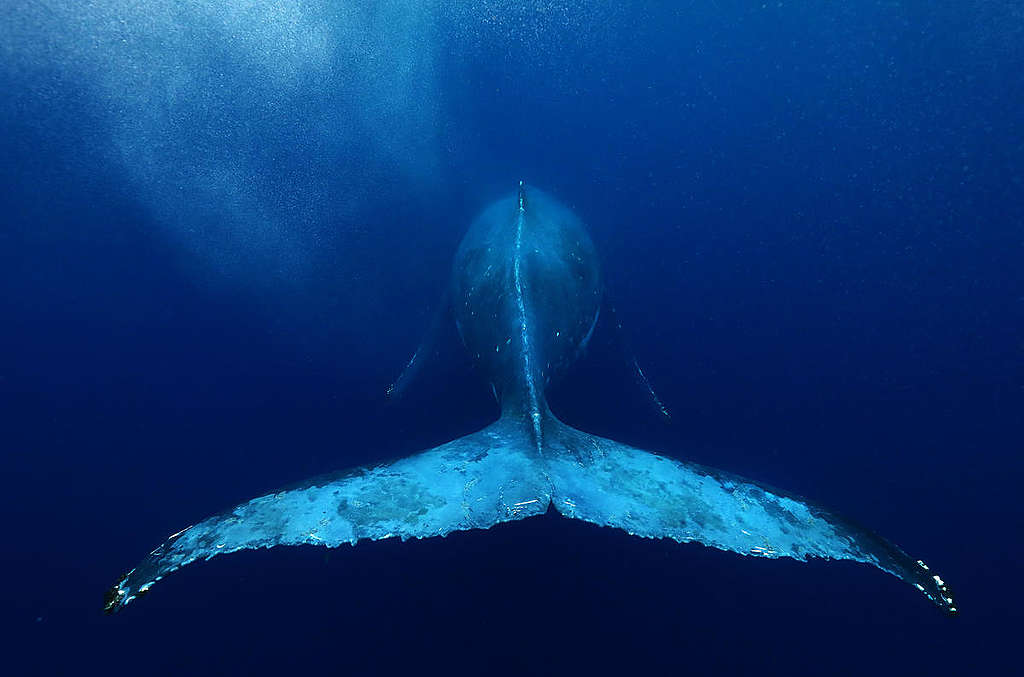
Humpback Whale in Tonga. © Paul Hilton / Greenpeace
Humpback whales, enjoy the warm waters of the Pacific ocean, Tonga. © Paul Hilton / Greenpeace
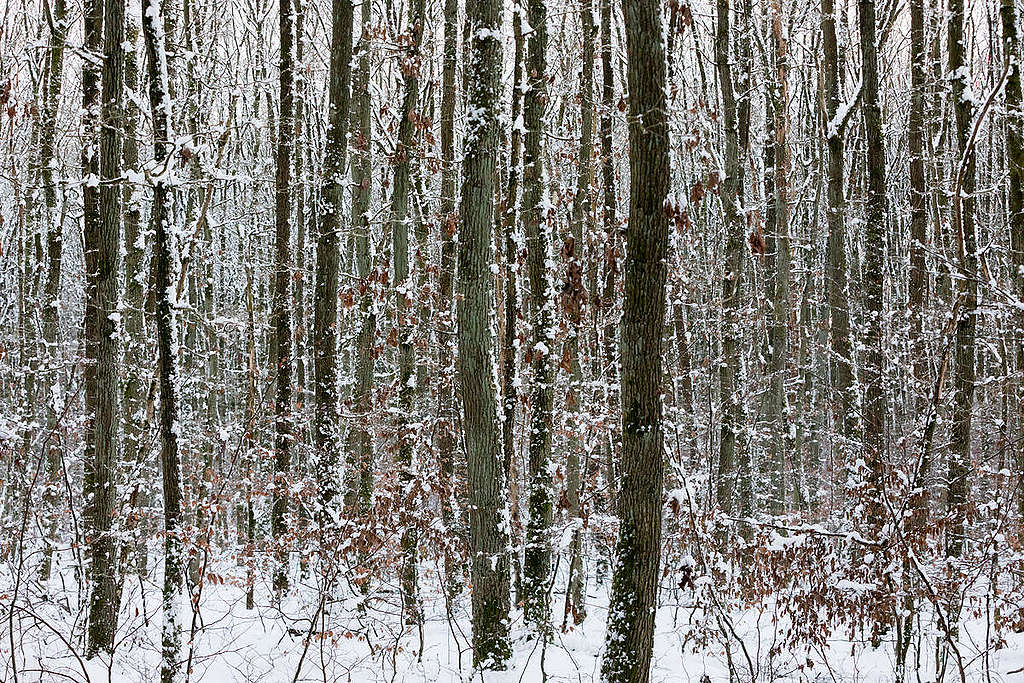
Deciduous Forest "Heilige Hallen" in Winter in Mecklenburg-Western Pomerania. © Gordon Welters / Greenpeace
Snowy deciduous forest “Heilige Hallen” in Mecklenburg-Western Pomerania. © Gordon Welters / Greenpeace
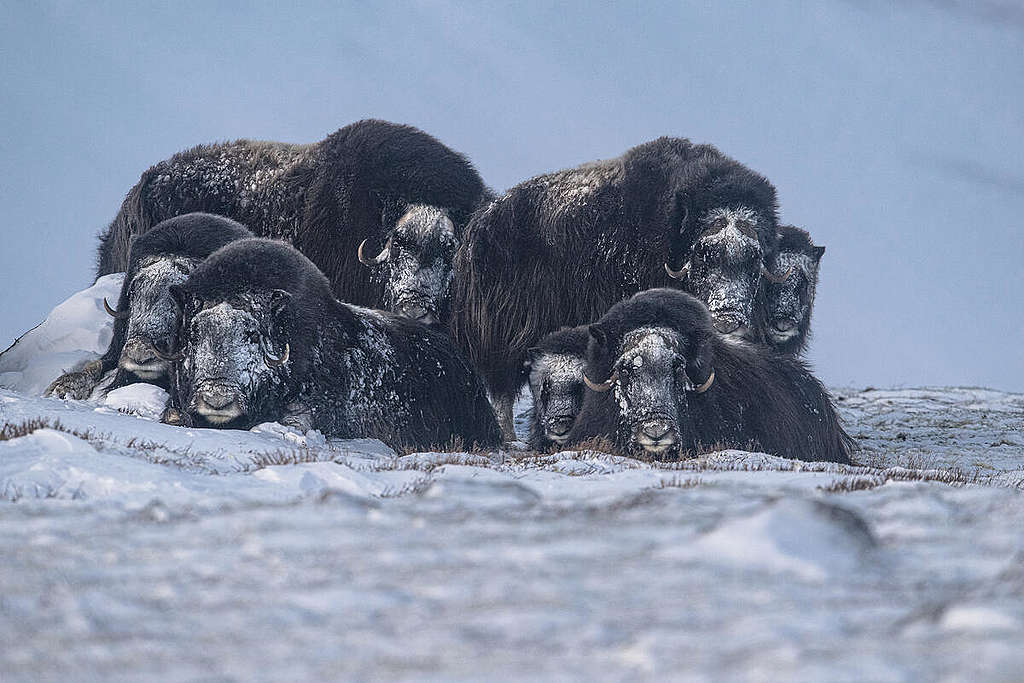
Herd of Musk Oxen in Norway. © Markus Mauthe / Greenpeace
Documentation of a herd of musk oxen in winter in Norway’s Dovrefjäll. The animals were reintroduced to the area and have survived there ever since. Rising winter temperatures have been causing problems in recent years. With their thick winter coats the oxen need to cool themselves down by panting, otherwise they could overheat. © Markus Mauthe / Greenpeace
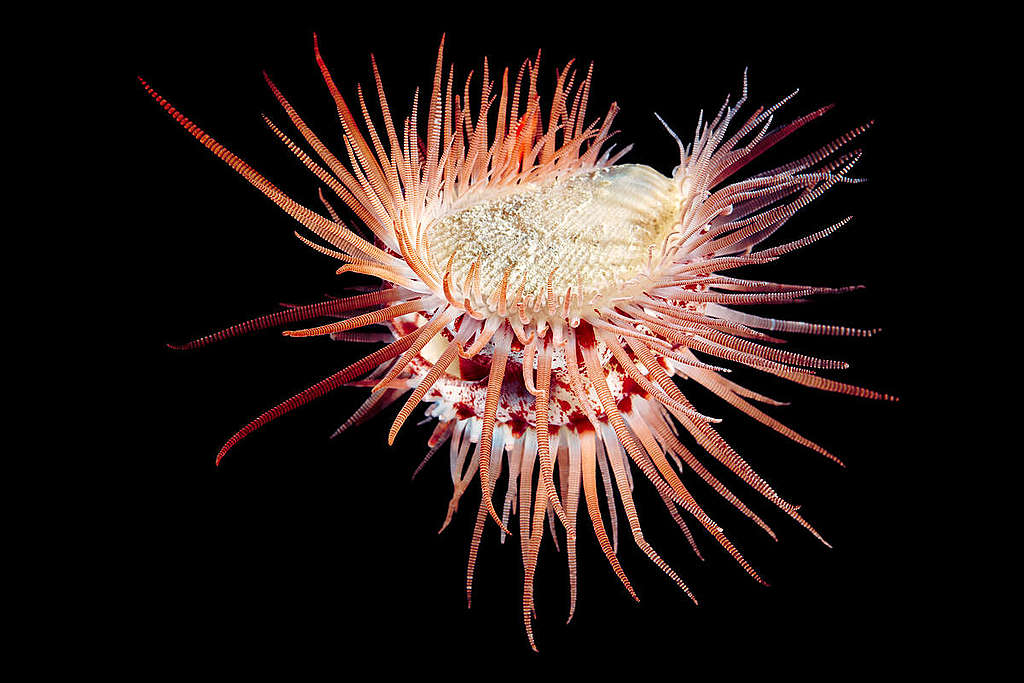
File Clam. © Alexander Semenov / Greenpeace
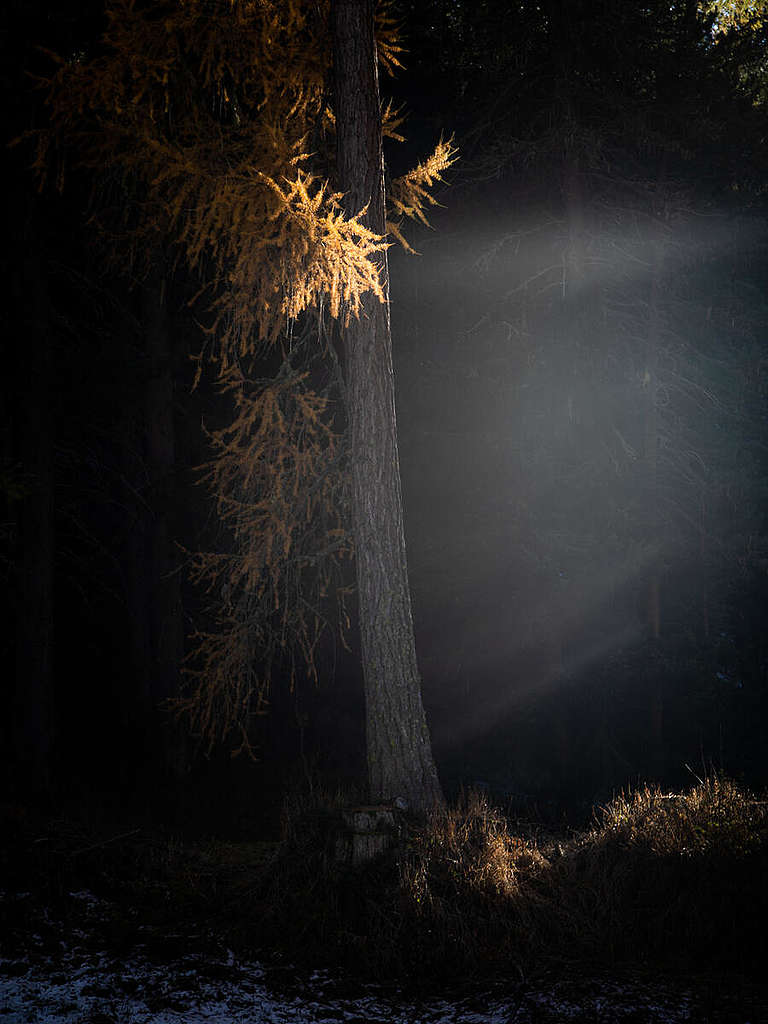
File Clam (Limaria sp.) swims in the Coral Sea. These deliacte molluscs live on the underside of rocks, filter feed on plankton and swim while rhythmically opening and closing both shell valves. File Clams occur throughout the Indo-west Pacific. © Alexander Semenov / Greenpeace