We’ve asked them nine yes or no questions to find out.
All New Zealanders should be able to heat their homes and get to work without it costing the earth. But, petrol and diesel prices are surging, fuel shortages are looming and power bills are climbing. At the same time our communities are getting hammered with relentless climate floods – made worse by the continued burning of fossil fuels.
The good news is that the solutions to this fuel crisis already exist. They are practical, available and already lowering the cost of living and climate pollution overseas.
That’s why we’ve asked political parties nine yes-or-no questions on the actions they’ll take in response to this fuel crisis. Their answers will be published in a Fuel Crisis Response Scorecard soon, so that voters can see clearly who is prepared to act – and who is choosing not to.
Because in the middle of this crisis and in an election year, people have a right to more than vague promises and in principle support from our political leaders – they deserve clear positions on real solutions. So here is what we’re asking them.
1. Stop doubling down on fossil fuels and cancel the LNG terminal
In the middle of an oil and gas crisis, the Coalition Government is planning to waste billions of our tax dollars building a new LNG terminal so that we start importing fossil gas and burning it for electricity. Unlike cheap renewables, imported LNG is really expensive and global conflicts like the war in Ukraine and Iran cause the price to spike even higher.
If this LNG terminal gets built it will make our electricity bills more expensive and expose us to global gas market volatility, making Kiwis poorer and fossil fuel giants even richer. The LNG that gets burnt will pollute the climate even more, damaging nature and intensifying the floods and storms that are already costing us so much.
That’s why we are asking all political parties: Will they cancel the LNG terminal?
2. Support the shift to renewable energy with rooftop solar and offshore wind
A country powered by clean energy we generate ourselves – not fossil fuels we have to import – means lower power bills and costs for homes and businesses, and less climate pollution. Instead of wasting billions on an LNG terminal, the government could supercharge the shift to renewable energy by supporting a nationwide rollout of rooftop solar and batteries for Kiwi homes, with a grant and low-interest loan scheme.
In Australia, Government support has put solar on one in three homes – cutting their power bills down by around 40% – that’s a $300 power bill slashed to $180. Rooftop solar is generating so much power now that every single Aussie gets three free hours of power every single day.
That’s what energy independence looks like: clean renewable power generated on our rooftops that is owned by people, not profiteering corporations. And that’s why we are asking all political parties: Will they support rooftop solar and batteries?
At the same time we need to unlock large-scale renewable generation like offshore wind. That means banning seabed mining, which is blocking development. Seabed mining and offshore wind can’t physically exist together. That’s why we are asking political parties: Will they ban seabed mining so we can open the door to offshore wind as part of our clean energy future?
3. Give people real alternatives to driving and get freight onto rail
A country where we have a network of affordable buses, trains and safe walking and cycling lanes to connect us would reduce fuel demand and protect us from global fuel price shocks. But, when petrol and diesel prices rise as they are now, many people don’t have a choice – they just have to pay more at the pump so they can get to work and drop the kids at school.
That’s why we’ve asked political parties: Will they make public transport free in response to rising fuel costs? Making public transport free is one of the fastest ways to relieve pressure on household budgets – giving people an immediate alternative to driving and reducing overall fuel demand. Over in Australia, the states of Tasmania and Victoria have already done just that.
Free public transport is just one part of the solution. That’s why we’ve asked political parties: Will they prepare us for future crises by cancelling the $44 – $54 billion Roads of National Significance and use the money for public transport, walking, and cycling infrastructure instead?
Shifting freight from the road onto rail is also key to keeping the cost of goods down and keeping essential goods flowing even if fuel shortages hit. That’s why we’ve asked all political parties: Will they invest in upgrading and expanding the rail network?
4. Electrify the vehicle fleet
A country where Kiwis can get from A to B using electricity, not expensive imported fuel, means cleaner air in our cities and freedom from oil companies charging through the roof at the pump.
With fuel prices soaring past $3 a litre it’s past time to electrify the vehicle fleet and phase out fuel guzzling, polluting vehicles. This Coalition Government scrapped the clean car discount and collapsed New Zealand’s EV market. They also cut fees by nearly 80% on fuel inefficient vehicle imports, despite warnings it would cost Kiwis an extra $115 million at the pump and risks New Zealand becoming a dumping ground for the rest of the world’s gas-guzzlers.
A responsible government would reverse those decisions. That’s why we’ve asked all political parties: Will you restore the clean car discount or bring in a new self-funding feebate scheme and will you raise the minimum fuel efficiency standards on imported vehicles?
5. Make fuel rationing fair
In a fuel crisis, it’s everyday people who feel it first and hardest. For low and middle-income households, more of every dollar goes straight onto the basics – fuel, food, and power- so price spikes hit immediately and hit hard. Meanwhile, the ultra-wealthy barely notice. Private jets, helicopters, and mega-yachts keep running regardless of what price is at the pump.
Fairness means a government that works for ordinary people not for a handful of the ultra-wealthy who lead the most polluting, fuel-intensive lifestyles on the planet.
That’s why we’ve asked all political parties: If there are fuel shortages, will you restrict luxury fuel wastage for private jets, private helicopters and mega-yachts first, before limiting fuel for everyday needs like getting to work and essential services?
The choice in front of us
These choices are simple, yet urgent. The longer we stay dependent on oil and gas, the more exposed we are to global conflicts, price spikes and climate damage.
We can keep going down the fossil fuel dependency path – importing LNG, building more mega-roads, rejecting solar, wind and electrification. This path leads to rising costs of living for people and a more volatile and destructive climate crisis.
Or we can choose independence – generating our own renewable energy here at home, and building a transport system that is cheaper, cleaner, and more resilient. This path leads to lower costs of living for people, lower pollution, and calming the climate storms.
We’ll be publishing the Fuel Crisis Response Scorecard before this year’s Budget on May 28. At that point we will know which political parties choose to serve people and the planet, and which choose to serve profiteering fossil fuel corporations and their billionaire execs instead.
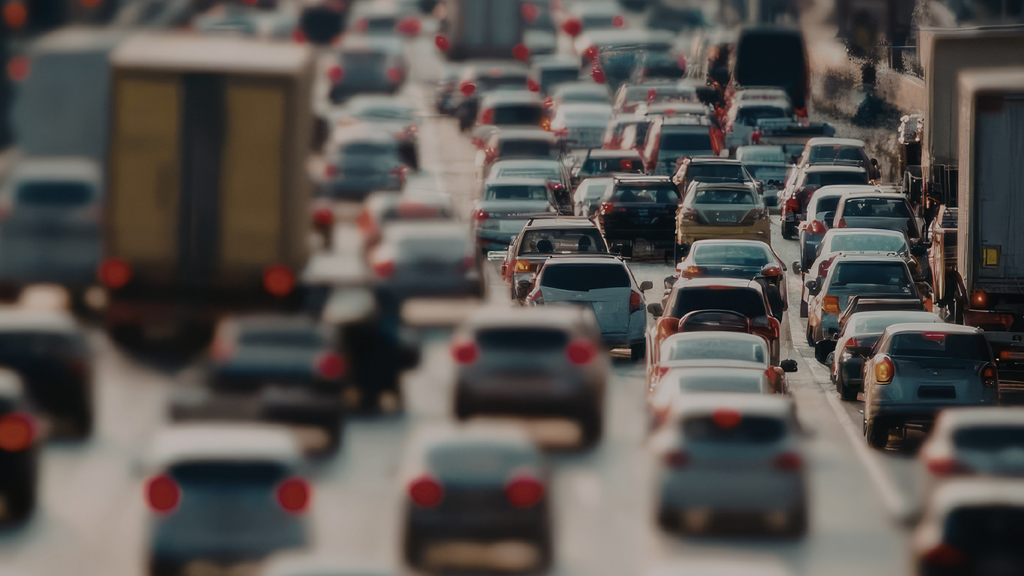
Call on the NZ Govt to make public transport free to reduce fuel use, ease the cost of living & create a clean energy future.
Sign now