
All articles
-
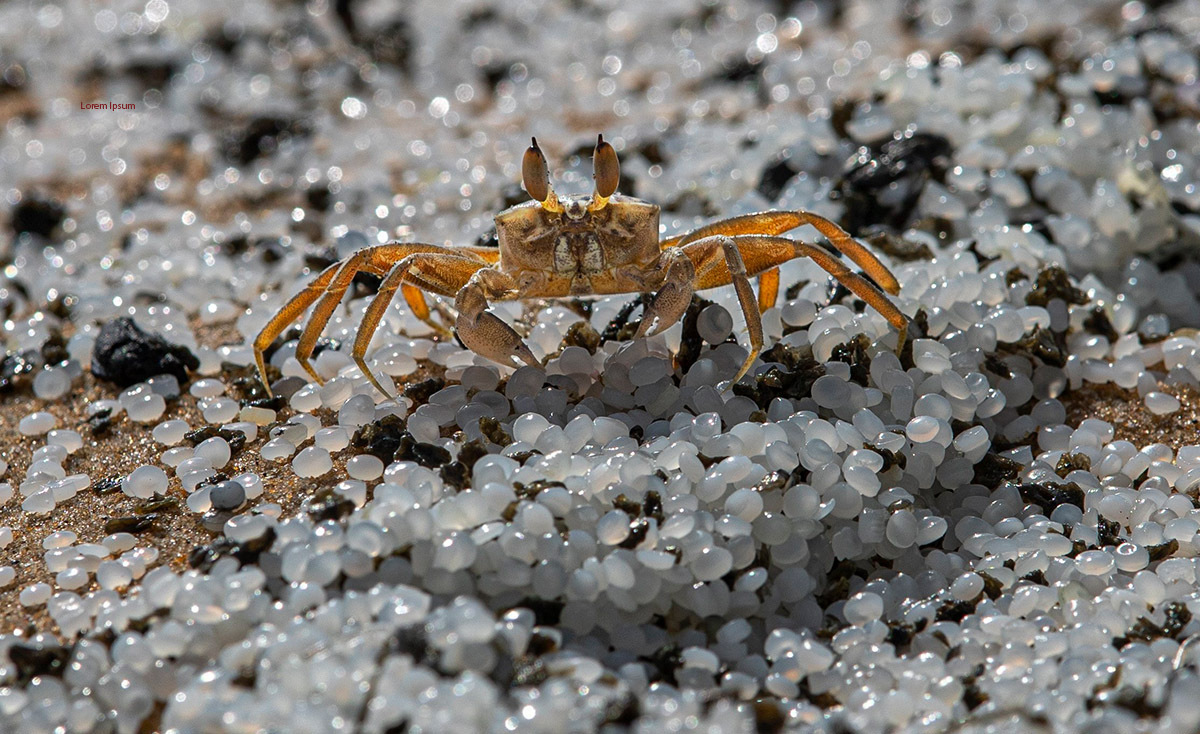
Tons of toxic microplastics are covering Sri Lanka’s western coastline
Tons of toxic microplastics used to make single-use plastic packaging are covering Sri Lanka’s western coastline.
-
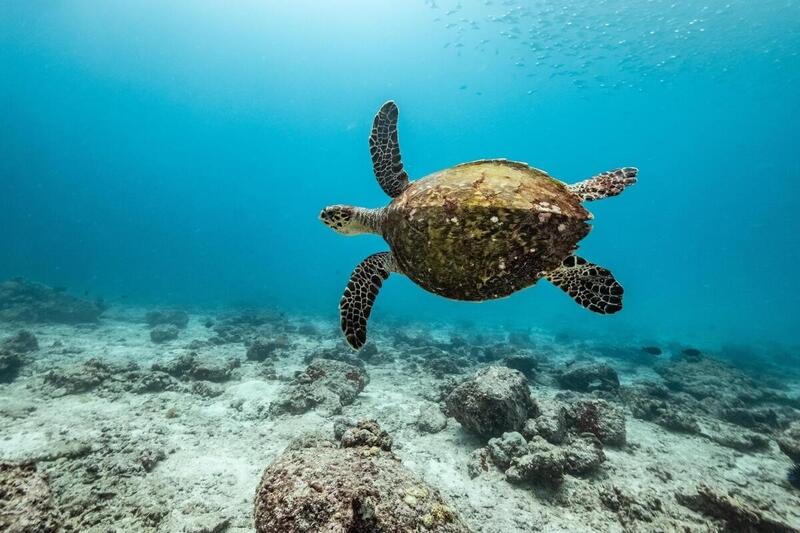
World Oceans Day: 8 photos celebrating the beauty of the sea
This World Oceans Day, celebrate our big blue backyard with eight of the best Greenpeace photos from out at sea.
-
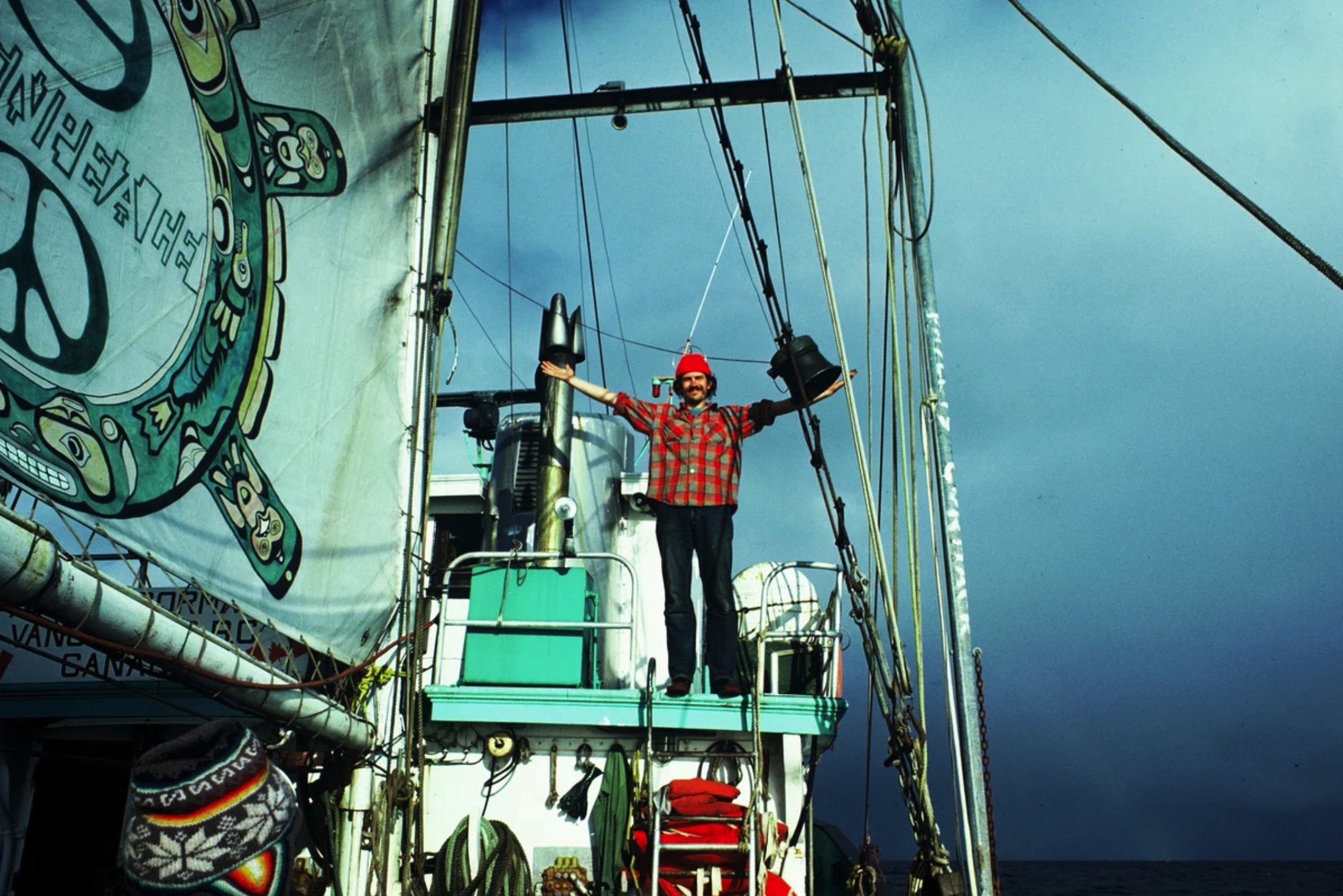
How I became an ecologist
How does an eager engineering student, in the era of expanding space exploration, become an ecologist, dedicated to the Earth? In my case: Rachel Carson, the Cuyahoga River, Gregory Bateson,…
-
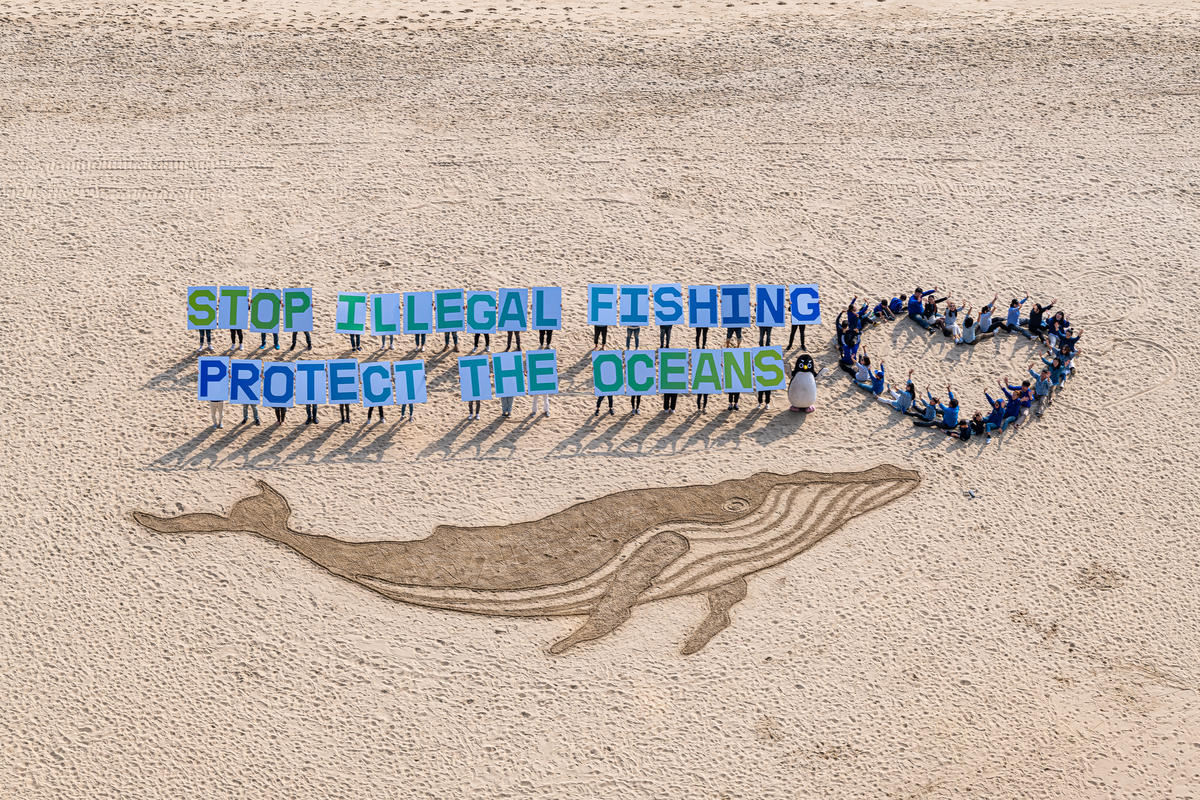
Seen Seaspiracy? Here’s 4 films about illegal fishing – one of the world’s most lucrative and dangerous industries
Under the cover of night, away from prying eyes, the activity takes place. It’s worth billions of dollars but the price that it comes with is tainted with reports of…
-
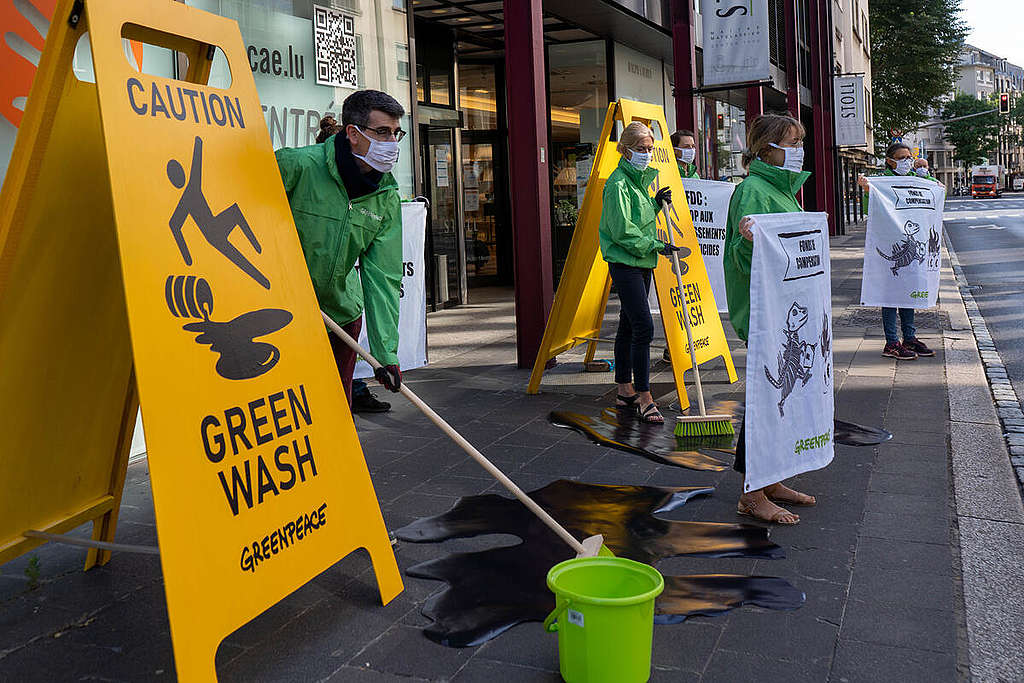
Net Zero and Offsets won’t solve the climate crisis and here’s why
This is a historical moment in time – a crisis that requires governments to act together in an unprecedented way to ensure a future for all life on Earth. It…
-
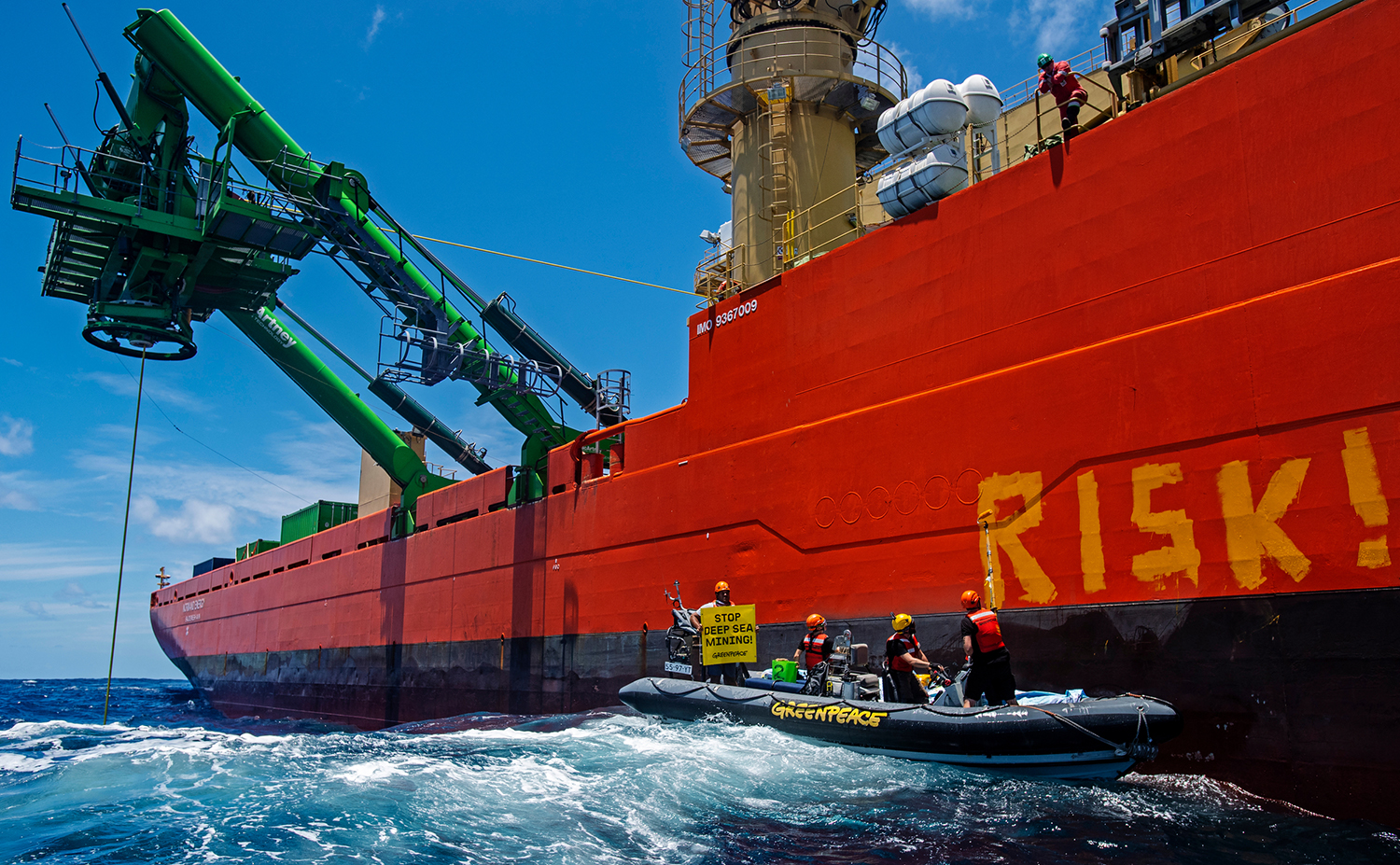
Minesplaining: Busting the deep sea mining industry greenwash
Deep at the bottom of the ocean lies an ecological realm so inaccessible that scientists have only just begun to explore and understand it. One thing we do know, however,…
-

And the winning design is…
Greenpeace turns 50 this year and to help us mark the occasion we invited artists and creative folks from around the world to participate in a design contest.
-
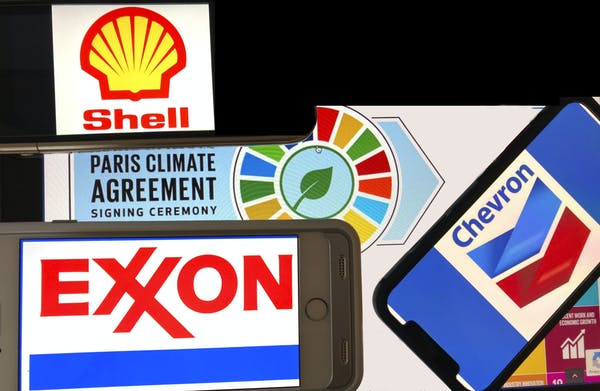
Four seismic climate wins show Big Oil, Gas and Coal are running out of places to hide
Three global fossil fuel giants have just suffered embarrassing rebukes over their inadequate action on climate change. Collectively, the developments show how courts, and frustrated investors, are increasingly willing to force companies to reduce their carbon dioxide pollution quickly.
-
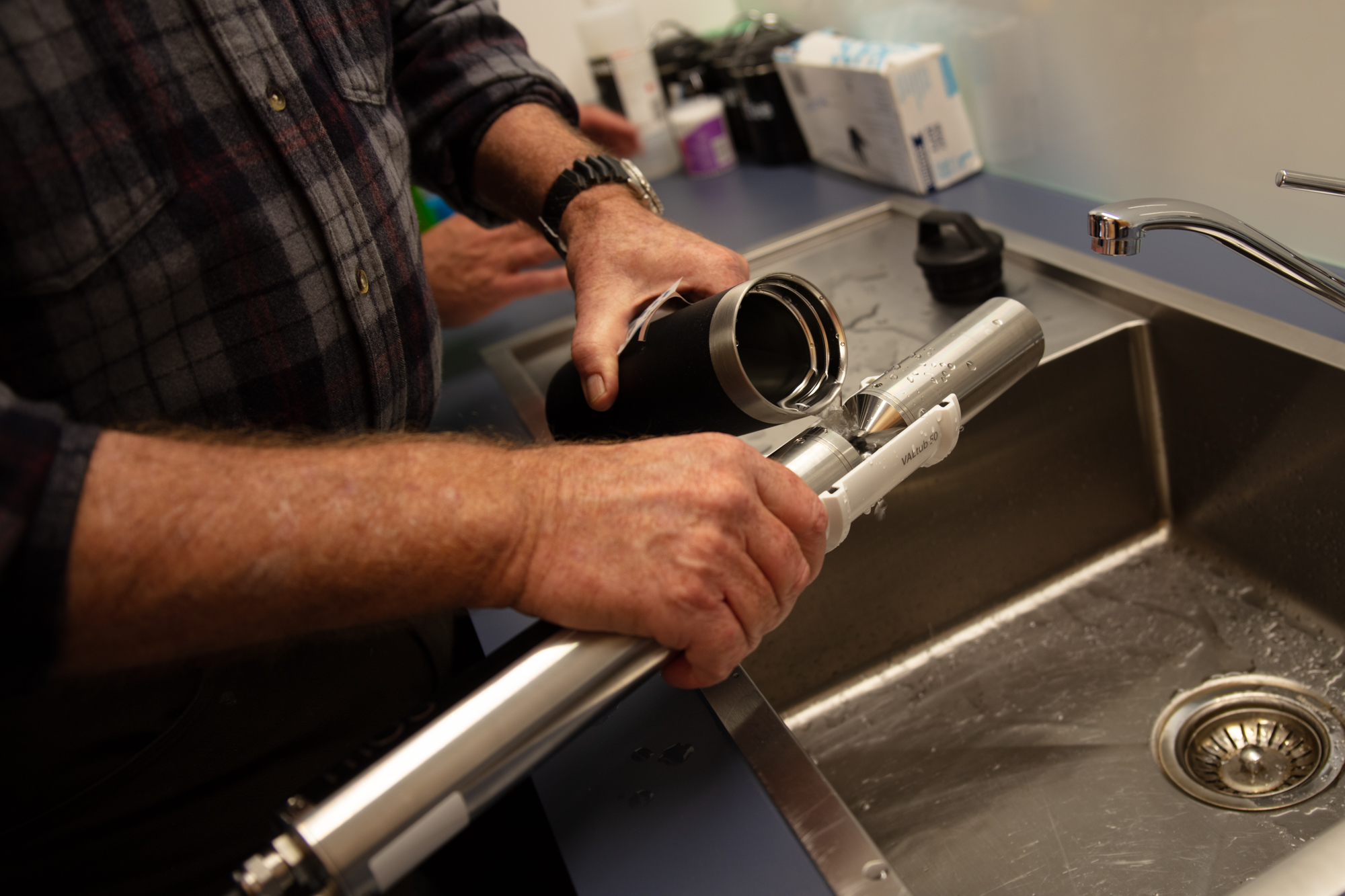
Worsening nitrate contamination adds to Canterbury water woes
Greenpeace is redoubling calls for government action to cut synthetic nitrogen fertiliser following two days of drinking water testing in Canterbury, which confirmed that nitrate contamination in drinking water is…
-
