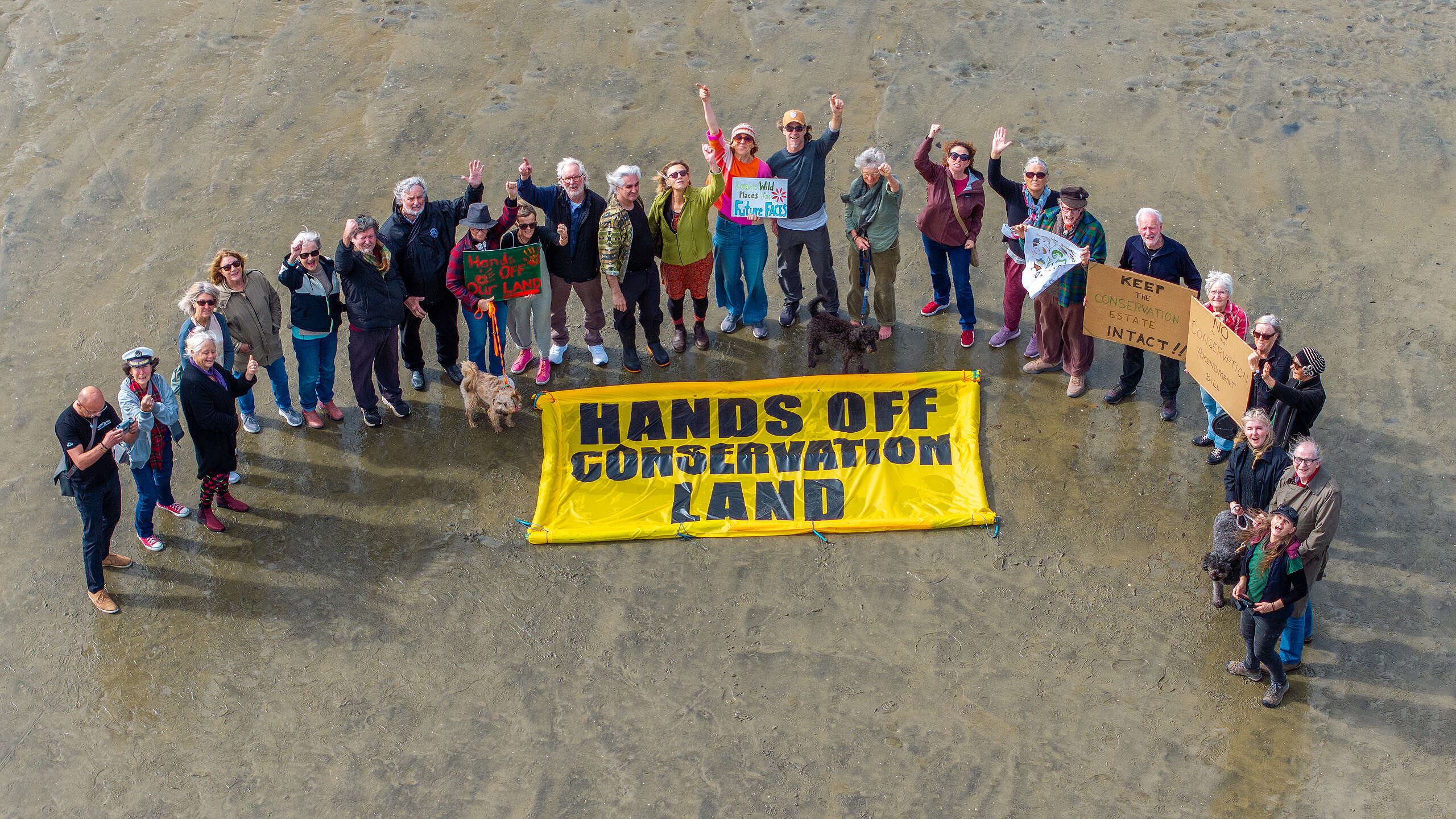
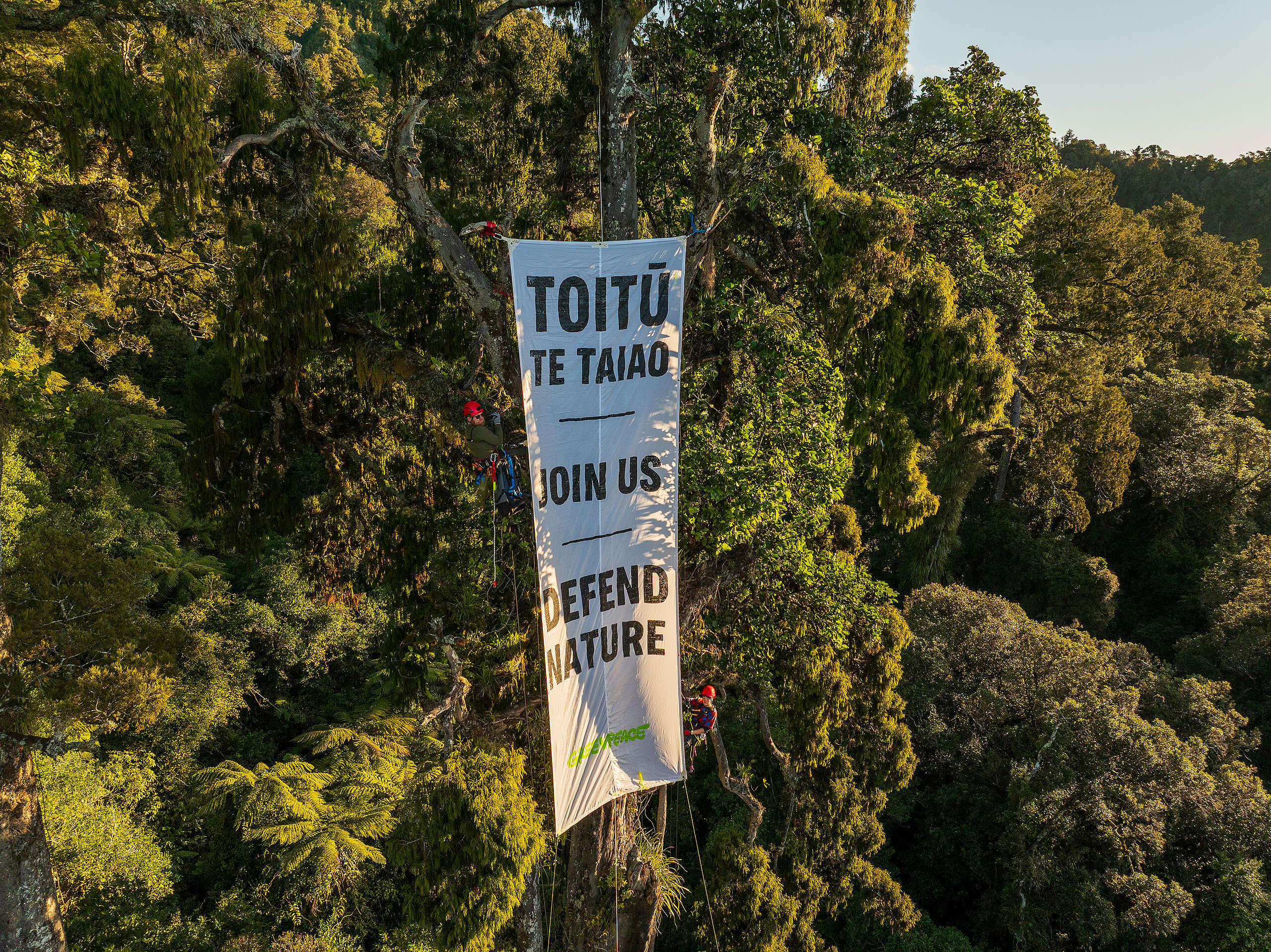
As the world faces an accelerating ecological crisis, our collective future hangs in the balance. The 16th UN Biodiversity COP will take place in Cali, Colombia, from 21 October to 1 November 2024. But what exactly is COP16, and why should we care about this gathering of global leaders and civil society organisations?
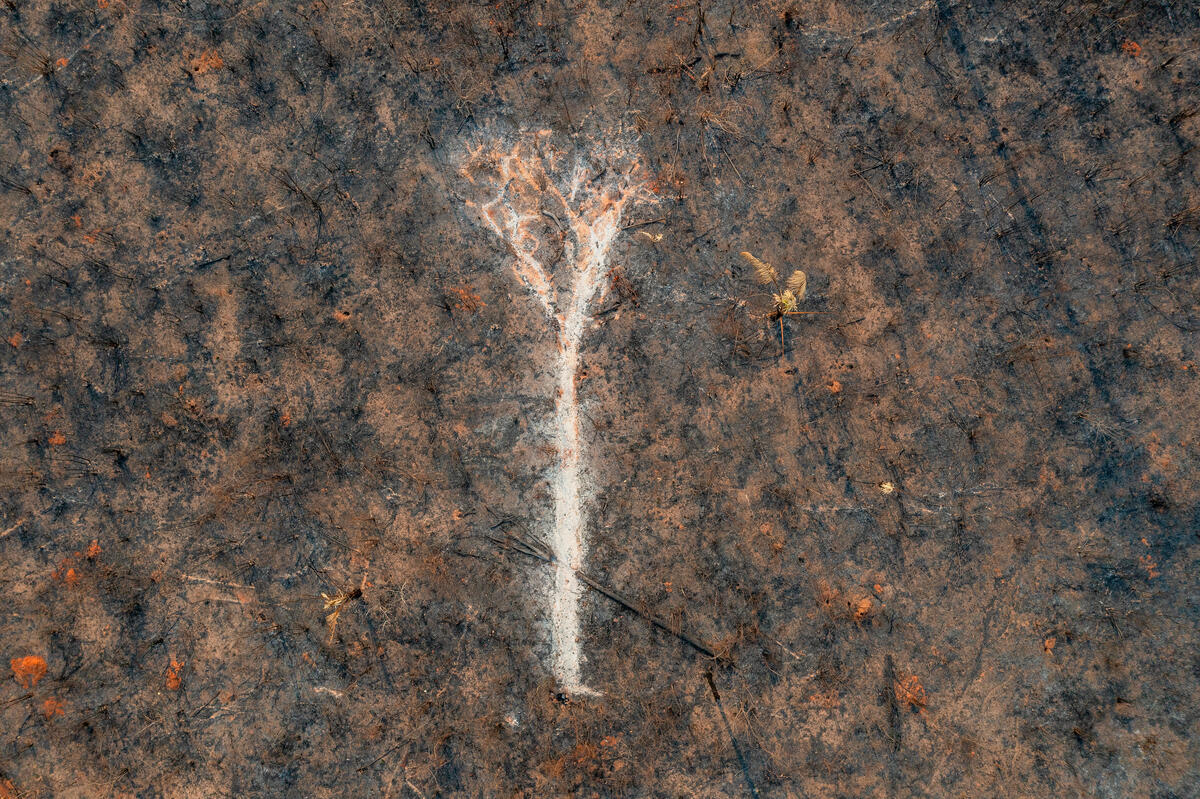
Biodiversity in crisis: a global problem needs global solutions
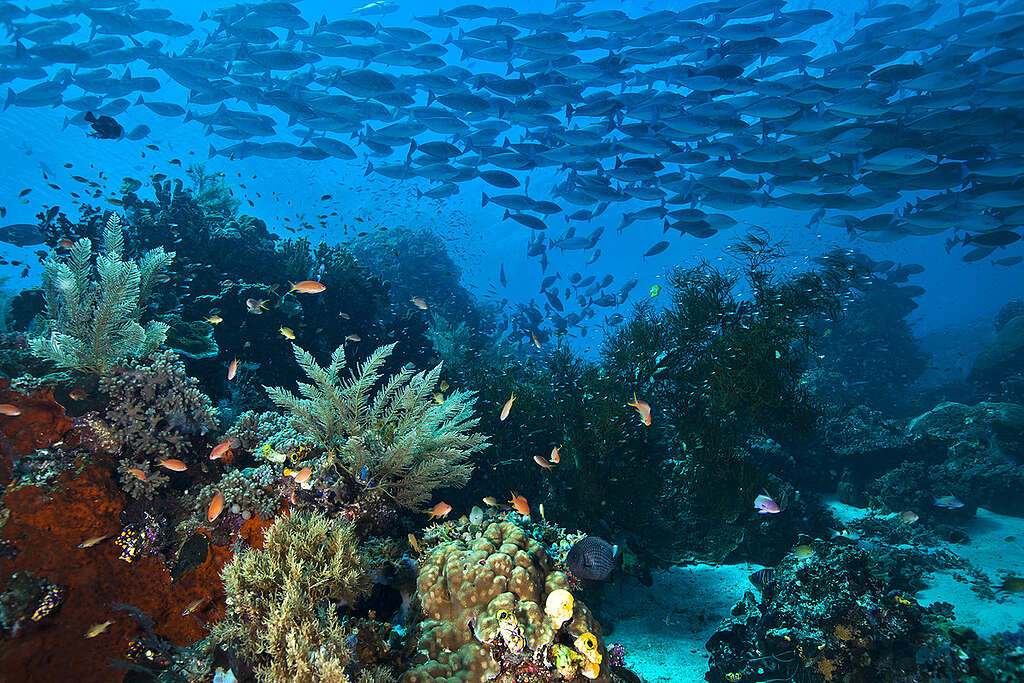
From raging wildfires and record heat waves to collapsing ecosystems and vanishing species, the signs of an ecological crisis are all around us. We are living through a mass extinction, driven by decades of unchecked deforestation, industrial agriculture, overfishing, and the relentless extraction of our world’s natural resources.
This crisis isn’t just an environmental issue; it’s a human issue. Millions of people worldwide are already feeling the impacts—whether through food shortages, displacement, polluted water, or worsening public health. The destruction of our natural world and the depletion of biodiversity are threatening the very foundations of human life, from clean air and water to sustainable food sources and stable climates.
But while the problem is global, so too is the solution. This is where the UN Biodiversity COP comes in— holding the promise of a global agreement that seeks to preserve the diversity of life on Earth and ensure ecosystems can continue to provide the services we depend on.
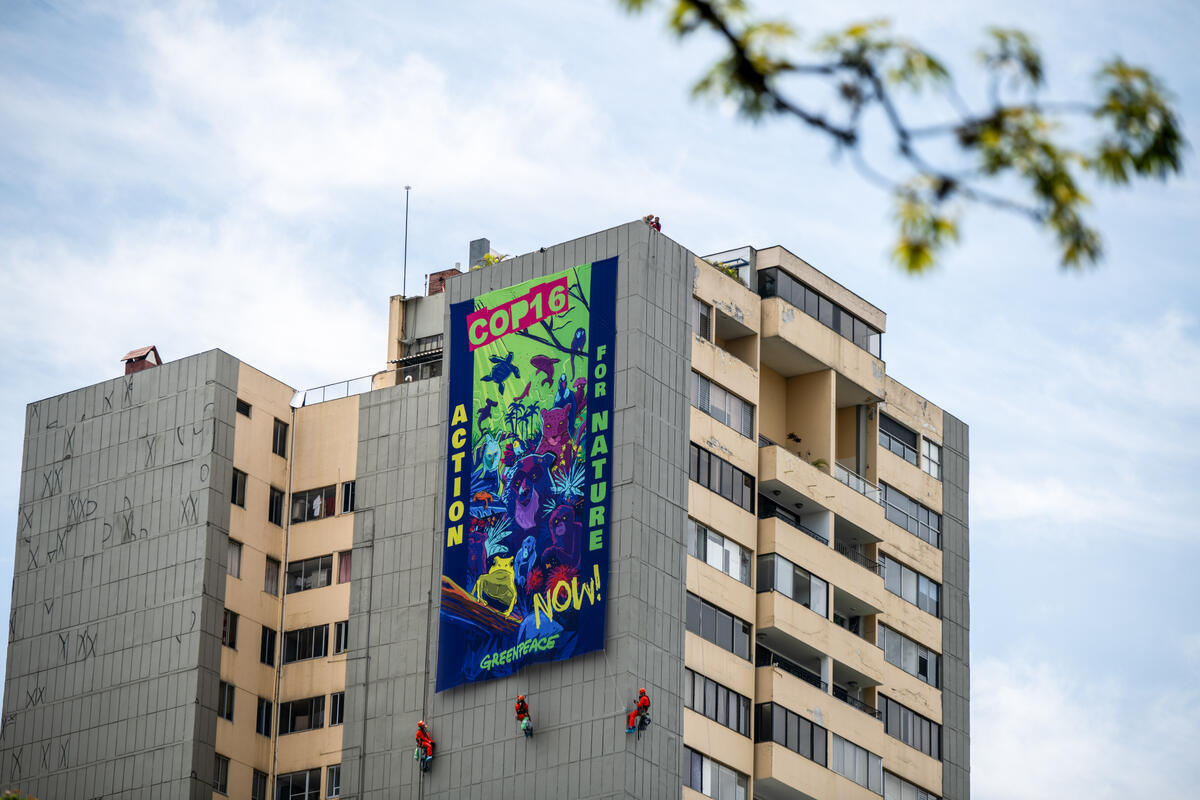
UN Biodiversity COP16: A critical opportunity to change course
The upcoming UN Biodiversity COP16 is a pivotal moment. It will gather thousands of attendees, including representatives from over 60 countries, businesses, and civil society. Key participants include government negotiators, environmental organisations like Greenpeace, and financial institutions involved in biodiversity initiatives.
At COP15, in 2022, governments agreed on the historical Global Biodiversity Framework halt and reverse the loss of biodiversity. Now it’s time to change course and take decisive action to protect nature. This meeting could mark a turning point in the fight to save critical ecosystems, halt the destruction of biodiversity, and ensure that the web of life that supports us doesn’t collapse.
But this won’t happen if we stick to business as usual. Global leaders need to move beyond rhetoric and put meaningful policies and funding on the table. The current global economic system, driven by resource extraction and corporate profit, is failing both people and the planet. It’s enabling industries like Big Agriculture, industrial fishing, and fossil fuels to exploit natural resources at unsustainable rates, all while pushing the planet’s life support systems to the brink.
Political leaders must demonstrate their commitment to nature by implementing real solutions—backed by proper regulations, rights protections, and financial resources. Without this, the status quo will only accelerate the destruction of ecosystems, and with them, the stability of human society.
What does changing course look like when it comes to biodiversity?
To truly address the biodiversity crisis, governments need to stop subsidising the destruction of nature. This means ending financial support for extractive industries like large-scale industrial farming, deep-sea mining, and industrial fishing—particularly in areas designated for conservation.
Nature is capable of sustaining us, but only if we allow it to regenerate and thrive. Key to this is establishing and enforcing protected areas, both at land and sea. Governments must create well-managed marine protected areas (MPAs) that allow ocean life to recover and flourish and protect rainforests and other ecosystems vital in the fight against the climate and biodiversity crises.
A crucial part of protecting nature also means supporting Indigenous Peoples and Local Communities, who have proven to be some of the most effective stewards of biodiversity. Governments must ensure that these Indigenous Peoples and Local Communities have direct access to the funding they need and enable them to steward their land with liberation, self-determination, and direct access to finance that has accumulated in rich countries — often through colonial and neocolonial plunder.
Read more: 5 demands to governments to protect biodiversity at UN biodiversity COP16
![<!-- wp:paragraph -->
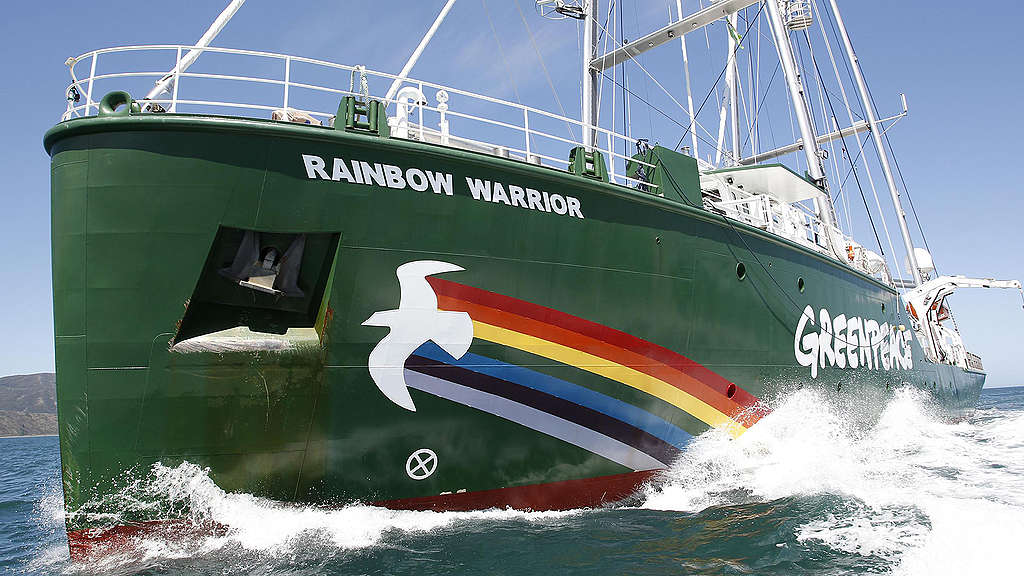
<p>Greenpeace activists aboard the <em>Rainbow Warrior</em> have disrupted an industrial longlining fishing operation in the South Pacific Ocean, seizing almost 20 kilometres of fishing gear and freeing nine sharks, including an endangered mako, near Australia and New Zealand.</p>
<!-- /wp:paragraph -->
<!-- wp:image {"id":70722,"sizeSlug":"large","linkDestination":"none"} -->
<figure class="wp-block-image size-large"><img src="https://www.greenpeace.org/static/planet4-aotearoa-stateless/2025/06/45f2e065-gp0su5o8v_medium-res-1200px-1024x639.jpg" alt="The Greenpeace ship, Rainbow Warrior is seen close to a Spanish longliner to bear witness to the industrial fishing in the South Pacific Ocean.
The Rainbow Warrior is in the South Pacific Ocean to expose longline fishing and call on governments to ratify the Global Ocean Treaty and create a network of protected areas in the High Seas." class="wp-image-70722"/><figcaption class="wp-element-caption">The Greenpeace ship, Rainbow Warrior is seen close to a Spanish longliner to bear witness to the industrial fishing in the South Pacific Ocean.
The Rainbow Warrior is in the South Pacific Ocean to expose longline fishing and call on governments to ratify the Global Ocean Treaty and create a network of protected areas in the High Seas.</figcaption></figure>
<!-- /wp:image -->
<!-- wp:paragraph -->
<p>With an expert team on a small boat releasing more than a dozen animals, crew aboard the Greenpeace flagship <em>Rainbow Warrior</em> retrieved the entire longline and more than 210 baited hooks from a EU-flagged industrial fishing vessel, including an endangered longfin mako shark, eight near-threatened blue sharks and four swordfish. The crew also documented the vessel catching endangered sharks during its longlining operation.</p>
<!-- /wp:paragraph -->
<!-- wp:paragraph -->
<p>The at-sea action follows <a href="https://www.greenpeace.org.au/news/a-devastating-record-new-greenpeace-analysis-reveals-almost-half-a-million-blue-sharks-caught-as-bycatch-in-central-and-western-pacific-in-2023/">new Greenpeace Australia Pacific analysis</a> exposing the extent of shark catch from industrial longlining in parts of the Pacific Ocean. Latest fisheries data showed that almost 70% of EU vessels’ catch was blue shark in 2023 alone. It comes ahead of next week’s UN Ocean Conference in Nice, France, where world leaders will discuss ocean protection and the Global Ocean Treaty. </p>
<!-- /wp:paragraph -->
<!-- wp:paragraph -->
<p>On board the Rainbow Warrior, Greenpeace Australia Pacific campaigner Georgia Whitaker says, “These longliners are industrial killing machines. Greenpeace Australia Pacific took peaceful and direct action to disrupt this attack on marine life. We saved important species that would otherwise have been killed or left to die on hooks.</p>
<!-- /wp:paragraph -->
<!-- wp:paragraph -->
<p>“The scale of industrial fishing - still legal on the high seas - is astronomical. These vessels claim to be targeting swordfish or tuna, but we witnessed shark after shark being hauled up by these industrial fleets, including three endangered sharks in just half an hour. Greenpeace is calling on world leaders at the UN Ocean Conference to protect 30% of the world’s oceans by 2030 from this wanton destruction.”</p>
<!-- /wp:paragraph -->
<!-- wp:planet4-blocks/gallery {"multiple_image":"70726,70737,70727,70724,70730,70728,70732,70736","image_data":[{"url":"https://www.greenpeace.org/static/planet4-aotearoa-stateless/2025/06/437f1298-gp0su5nsu_medium-res-1200px.jpg","focalPoint":{"x":0.5,"y":0.5},"id":70726},{"url":"https://www.greenpeace.org/static/planet4-aotearoa-stateless/2025/06/437f1298-gp0su5nt6_medium-res-1200px.jpg","focalPoint":{"x":0.5,"y":0.5},"id":70737},{"url":"https://www.greenpeace.org/static/planet4-aotearoa-stateless/2025/06/437f1298-gp0su5ntg_medium-res-1200px.jpg","focalPoint":{"x":0.5,"y":0.5},"id":70727},{"url":"https://www.greenpeace.org/static/planet4-aotearoa-stateless/2025/06/437f1298-gp0su5o2c_medium-res-1200px.jpg","focalPoint":{"x":0.5,"y":0.5},"id":70724},{"url":"https://www.greenpeace.org/static/planet4-aotearoa-stateless/2025/06/437f1298-gp0su5o2h_medium-res-1200px.jpg","focalPoint":{"x":0.5,"y":0.5},"id":70730},{"url":"https://www.greenpeace.org/static/planet4-aotearoa-stateless/2025/06/437f1298-gp0su5o2i_medium-res-1200px.jpg","focalPoint":{"x":0.5,"y":0.5},"id":70728},{"url":"https://www.greenpeace.org/static/planet4-aotearoa-stateless/2025/06/437f1298-gp0su5o2j_medium-res-1200px.jpg","focalPoint":{"x":0.5,"y":0.5},"id":70732},{"url":"https://www.greenpeace.org/static/planet4-aotearoa-stateless/2025/06/437f1298-gp0su5o2l_medium-res-1200px.jpg","focalPoint":{"x":0.5,"y":0.5},"id":70736}]} -->
<div class="wp-block-planet4-blocks-gallery"><div data-hydrate="planet4-blocks/gallery" data-attributes="{"gallery_block_style":0,"gallery_block_title":"","gallery_block_description":"","multiple_image":"70726,70737,70727,70724,70730,70728,70732,70736","gallery_block_focus_points":"","image_data":[{"url":"https://www.greenpeace.org/static/planet4-aotearoa-stateless/2025/06/437f1298-gp0su5nsu_medium-res-1200px.jpg","focalPoint":{"x":0.5,"y":0.5},"id":70726},{"url":"https://www.greenpeace.org/static/planet4-aotearoa-stateless/2025/06/437f1298-gp0su5nt6_medium-res-1200px.jpg","focalPoint":{"x":0.5,"y":0.5},"id":70737},{"url":"https://www.greenpeace.org/static/planet4-aotearoa-stateless/2025/06/437f1298-gp0su5ntg_medium-res-1200px.jpg","focalPoint":{"x":0.5,"y":0.5},"id":70727},{"url":"https://www.greenpeace.org/static/planet4-aotearoa-stateless/2025/06/437f1298-gp0su5o2c_medium-res-1200px.jpg","focalPoint":{"x":0.5,"y":0.5},"id":70724},{"url":"https://www.greenpeace.org/static/planet4-aotearoa-stateless/2025/06/437f1298-gp0su5o2h_medium-res-1200px.jpg","focalPoint":{"x":0.5,"y":0.5},"id":70730},{"url":"https://www.greenpeace.org/static/planet4-aotearoa-stateless/2025/06/437f1298-gp0su5o2i_medium-res-1200px.jpg","focalPoint":{"x":0.5,"y":0.5},"id":70728},{"url":"https://www.greenpeace.org/static/planet4-aotearoa-stateless/2025/06/437f1298-gp0su5o2j_medium-res-1200px.jpg","focalPoint":{"x":0.5,"y":0.5},"id":70732},{"url":"https://www.greenpeace.org/static/planet4-aotearoa-stateless/2025/06/437f1298-gp0su5o2l_medium-res-1200px.jpg","focalPoint":{"x":0.5,"y":0.5},"id":70736}],"images":[]}"><section class="block carousel-wrap "></section></div></div>
<!-- /wp:planet4-blocks/gallery -->
<!-- wp:paragraph -->
<p>Greenpeace Aotearoa is calling on the New Zealand Government to ratify the Global Ocean Treaty and help create global ocean sanctuaries, including in the Tasman Sea between Australia and New Zealand. New Zealand signed the agreement in 2023.</p>
<!-- /wp:paragraph -->
<!-- wp:paragraph -->
<p>More than two-thirds of sharks worldwide are endangered, and a third of those are at risk of extinction from overfishing. Over the last three weeks, the <em>Rainbow Warrior</em> has been documenting longlining vessels and practices off Australia’s east coast, including from Spain and China.</p>
<!-- /wp:paragraph -->
<!-- wp:embed {"url":"https://youtu.be/WMd_JDzm-s8","type":"video","providerNameSlug":"youtube","responsive":true,"className":"wp-embed-aspect-16-9 wp-has-aspect-ratio"} -->
<figure class="wp-block-embed is-type-video is-provider-youtube wp-block-embed-youtube wp-embed-aspect-16-9 wp-has-aspect-ratio"><div class="wp-block-embed__wrapper">
https://youtu.be/WMd_JDzm-s8
</div></figure>
<!-- /wp:embed -->
<!-- wp:paragraph -->
<p><a href="https://media.greenpeace.org/collection/27MZIFJVCP2NV">WATCH: PHOTO AND VIDEO HERE</a></p>
<!-- /wp:paragraph -->
<!-- wp:planet4-blocks/take-action-boxout {"take_action_page":61002} /-->](https://www.greenpeace.org/static/planet4-international-stateless/2024/10/b0e52791-gp0su2wd1.jpg "Protest for Nature Protection in Bonn. © Markus J. Feger / Greenpeace")
Why the UN Biodiversity COP16 matters for all of us
The UN Biodiversity COP16 is more than just another meeting of global leaders—it’s an opportunity to make the radical, systemic changes that our planet desperately needs. The world’s attention must be fixed on Cali, Colombia, where governments will make decisions that could shape the future of life on Earth.
As public awareness of the biodiversity and climate crises grows, it’s up to us to hold our leaders accountable for delivering real action. The biodiversity and climate crises are directly connected, but they also share many solutions. In order to mitigate and adapt to a changing climate, we must demand that world leaders take meaningful steps to protect ecosystems, support the communities that depend on them, and enable nature to regenerate and thrive.
Together, we can help the Earth heal and ensure that future generations inherit a planet capable of sustaining all life. Let’s raise our voices and demand that our leaders listen—before it’s too late.
Take action for environmental protection. Please make a donation today. Greenpeace exists because this fragile earth deserves a voice. It needs solutions. It needs change. It needs action.
Donate