Автор: Кейти Камоси, старши видео продуцент в „Грийнпийс“ – САЩ
Превод:  Моника Димитрова

Частица спокойствие: Нощна подводна фотография

Как можете да накарате хората да бъдат загрижени за място, за което никога не са чували?

Това лято се присъединих към кораба „Есперанца (Esperanza) на „Грийнпийс“, докато плаваше към Саргасово море, обширна част от акваторията на Северния Атлантически океан. Нашата мисия беше да покажем защо Саргасово море трябва да бъде защитено съгласно Глобалния договор на ООН за Световния океан.

В ролята си на отговорник за визуалните материали за този етап на експедицията „От полюс до полюс“, поканих подводните фотографи Тавиш Кембъл и Шейн Грос, за да уловят великолепието на тази уникална екосистема.

Саргасово море изобилства от дива природа, но докато гледах свръхестествено чистите му води от кораба, виждах само по някоя морска птица или летяща риба. За да документираме биоразнообразието, трябваше да отидем малко по-надълбоко. 

Нощна подводна фотография е нововъзникваща форма на изкуство, в която фотографите се гмуркат дълбоко в открития океан през нощта. Не е за слаби сърца.

Шейн и Тавиш се гмуркаха на дълбочина 30 метра, а под тях над 4000 метра тъмнина и вода. На всеки нов слой дълбочина се натъкваха на невероятни същества – някои ларви, други напълно развити. Много от тези същества са мигрирали нагоре от мезопелагичната зона.

Срещнете си отблизо с част от красивите обитатели на Саргасово море заснети през нощтта.
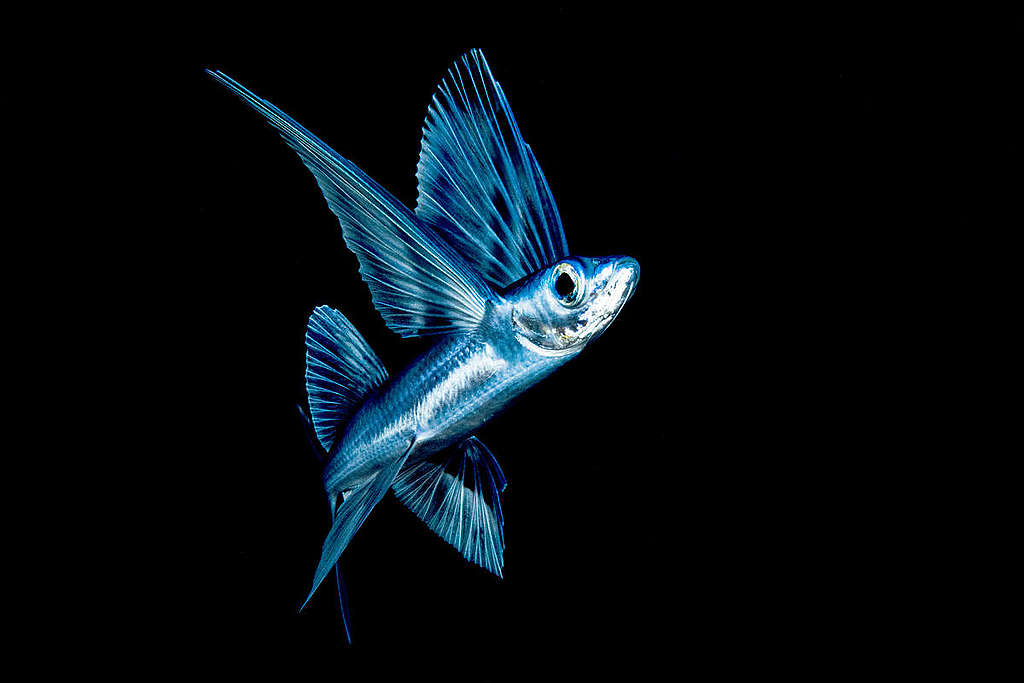
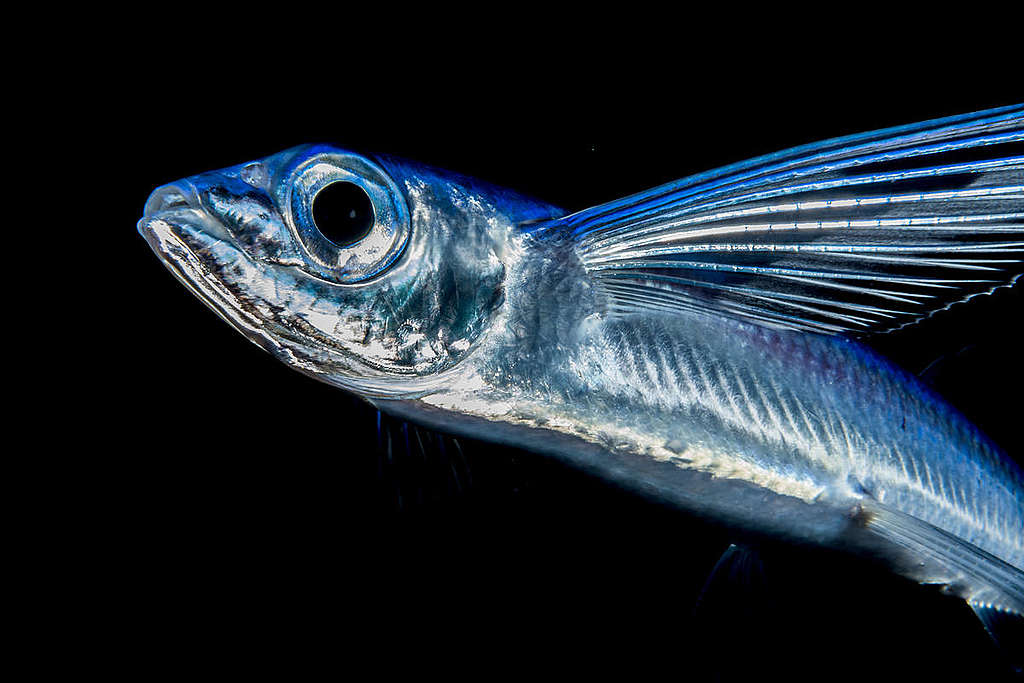
A flying fish at night near the surface in the Sargasso sea. 
Greenpeace is on an expedition in the Sargasso Sea, a unique region in the North Atlantic Ocean that is home to a diverse array of marine life, including loggerhead and green sea turtles.
The journey, part of the "Protect the Oceans" year long tour, will see Greenpeace and University of Florida researchers team up to study the impact of plastics and microplastics on marine life and the importance that the Sargasso's drifting Sargassum seaweed habitat has for the development of juvenile sea turtles.
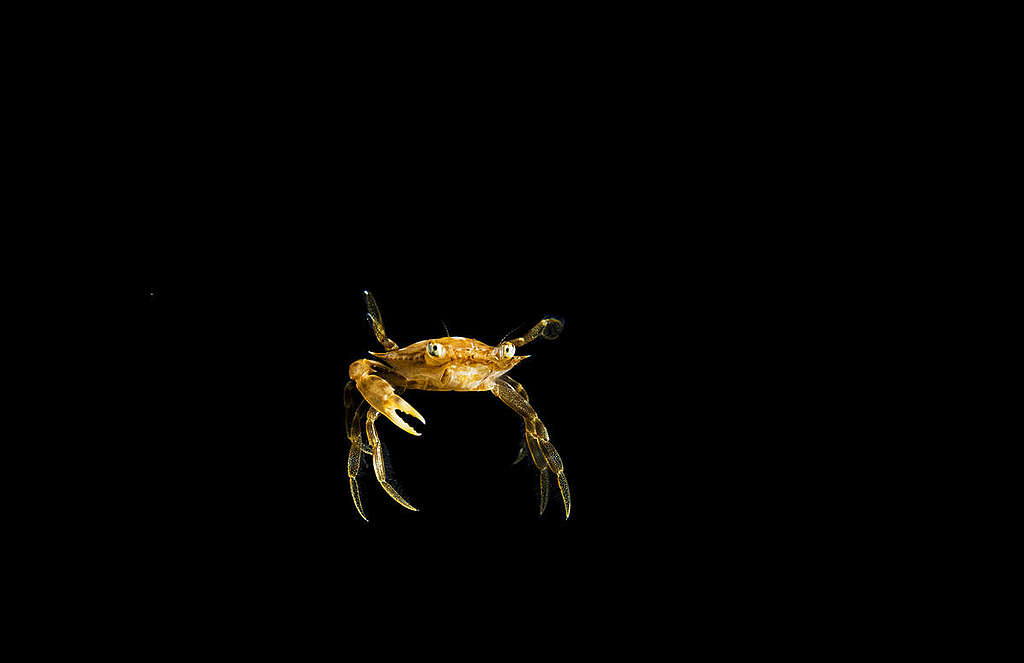
A Sargassum crab at 30 feet at night in the Sargasso Sea. 
Greenpeace is on an expedition in the Sargasso Sea, a unique region in the North Atlantic Ocean that is home to a diverse array of marine life, including loggerhead and green sea turtles.
The journey, part of the "Protect the Oceans" year long tour, will see Greenpeace and University of Florida researchers team up to study the impact of plastics and microplastics on marine life and the importance that the Sargasso's drifting Sargassum seaweed habitat has for the development of juvenile sea turtles.
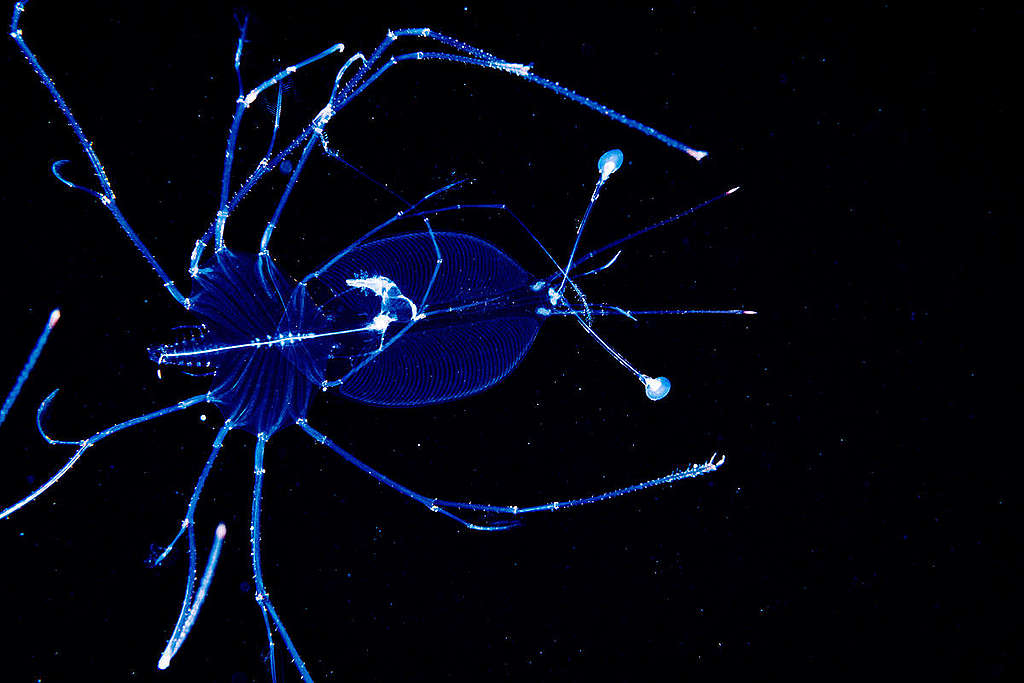
A larval stage lobster at 90 feet over 13,000 feet of water at night in the Sargasso Sea. 
Greenpeace is on an expedition in the Sargasso Sea, a unique region in the North Atlantic Ocean that is home to a diverse array of marine life, including loggerhead and green sea turtles.
The journey, part of the "Protect the Oceans" year long tour, will see Greenpeace and University of Florida researchers team up to study the impact of plastics and microplastics on marine life and the importance that the Sargasso's drifting Sargassum seaweed habitat has for the development of juvenile sea turtles.
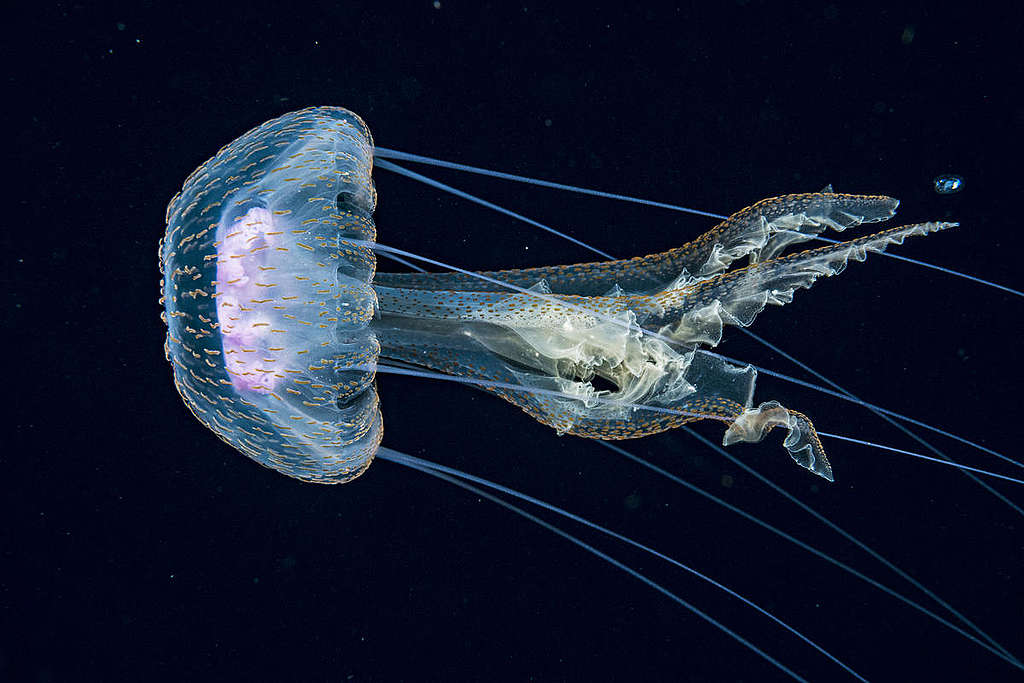
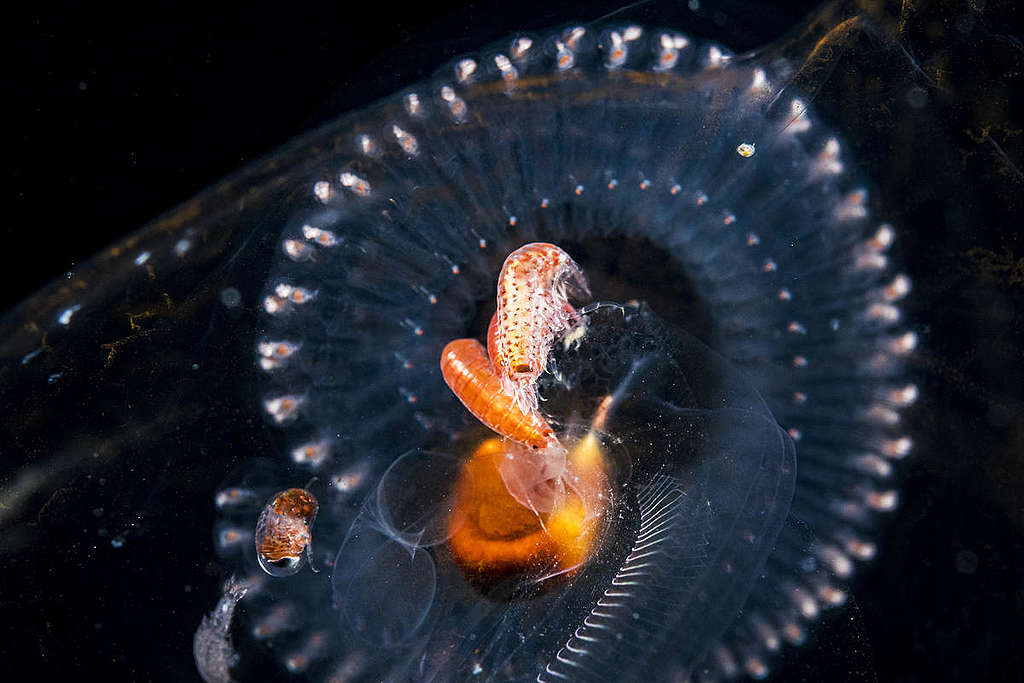
A blackwater image of a jellyfish in the Sargasso Sea. 
Greenpeace is on an expedition in the Sargasso Sea, a unique region in the North Atlantic Ocean that is home to a diverse array of marine life, including loggerhead and green sea turtles.
The journey, part of the "Protect the Oceans" year long tour, will see Greenpeace and University of Florida researchers team up to study the impact of plastics and microplastics on marine life and the importance that the Sargasso's drifting Sargassum seaweed habitat has for the development of juvenile sea turtles.
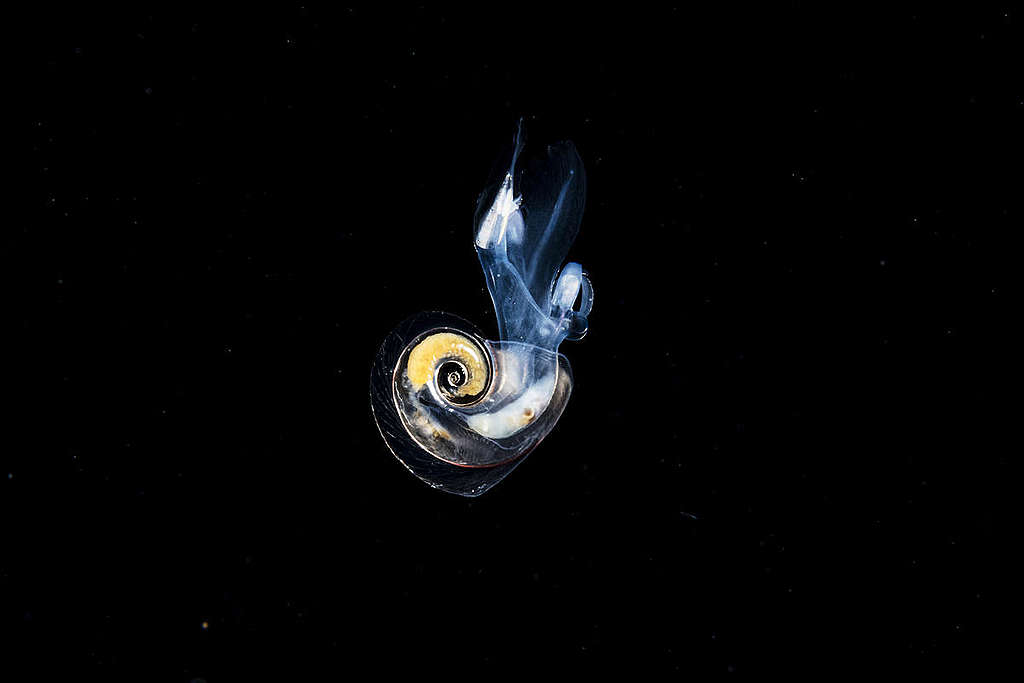
A pelagic marine gastropod mollusk shot at over 13,000 feet of water in the Sargasso Sea.
Greenpeace is on an expedition in the Sargasso Sea, a unique region in the North Atlantic Ocean that is home to a diverse array of marine life, including loggerhead and green sea turtles.
The journey, part of the "Protect the Oceans" year long tour, will see Greenpeace and University of Florida researchers team up to study the impact of plastics and microplastics on marine life and the importance that the Sargasso's drifting Sargassum seaweed habitat has for the development of juvenile sea turtles.
A blackwater image of amphipods in the Sargasso Sea.  
Greenpeace is on an expedition in the Sargasso Sea, a unique region in the North Atlantic Ocean that is home to a diverse array of marine life, including loggerhead and green sea turtles.
The journey, part of the "Protect the Oceans" year long tour, will see Greenpeace and University of Florida researchers team up to study the impact of plastics and microplastics on marine life and the importance that the Sargasso's drifting Sargassum seaweed habitat has for the development of juvenile sea turtles.
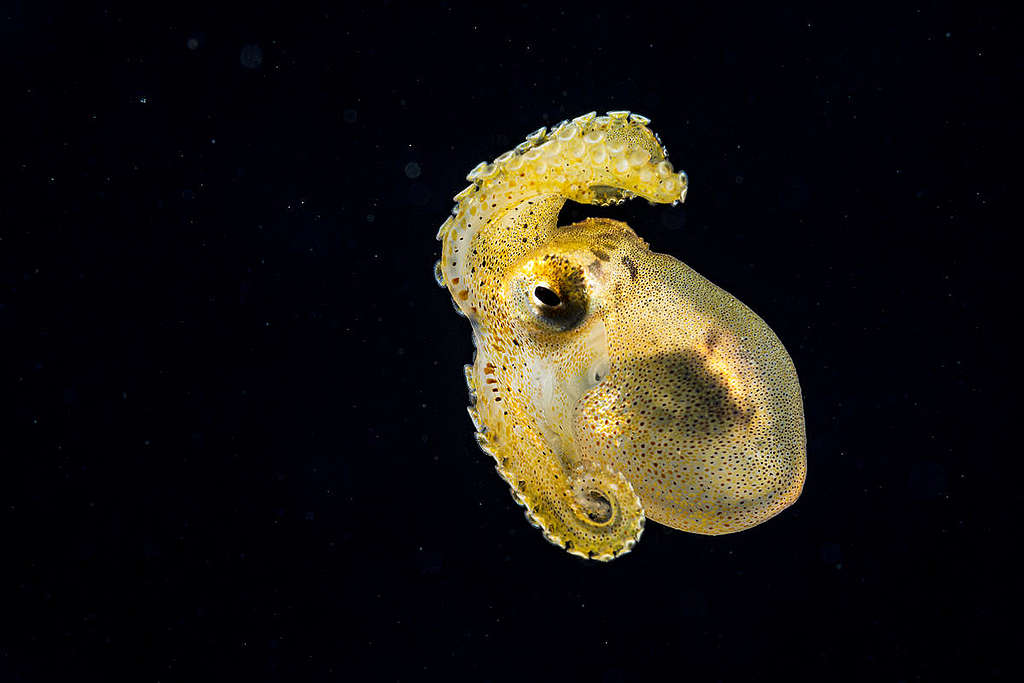
Октопод, сниман в дълбините на Саргасово море по време на експедиция на Greenpeace. Саргасово море е уникален с биоразнообразието си район в северната част на Атлантическия океан. То е дом на редица морски обитатели, включително карети и зелени морски костенурки. Експедицията, част от проекта за опазване на океаните, се провежда в рамките на година и дава възможност на изследователските екипи от Greenpeace и Университета на Флорида да проучат влиянието на микропластмасата върху морския живот. Не на последно място, експедицията доказа важността на плаващото обитание на саргасови водорасли за хабитата на морските костенурки.
A flying fish near the surface at night in the Sargasso Sea. 
Greenpeace is on an expedition in the Sargasso Sea, a unique region in the North Atlantic Ocean that is home to a diverse array of marine life, including loggerhead and green sea turtles.
The journey, part of the "Protect the Oceans" year long tour, will see Greenpeace and University of Florida researchers team up to study the impact of plastics and microplastics on marine life and the importance that the Sargasso's drifting Sargassum seaweed habitat has for the development of juvenile sea turtles.