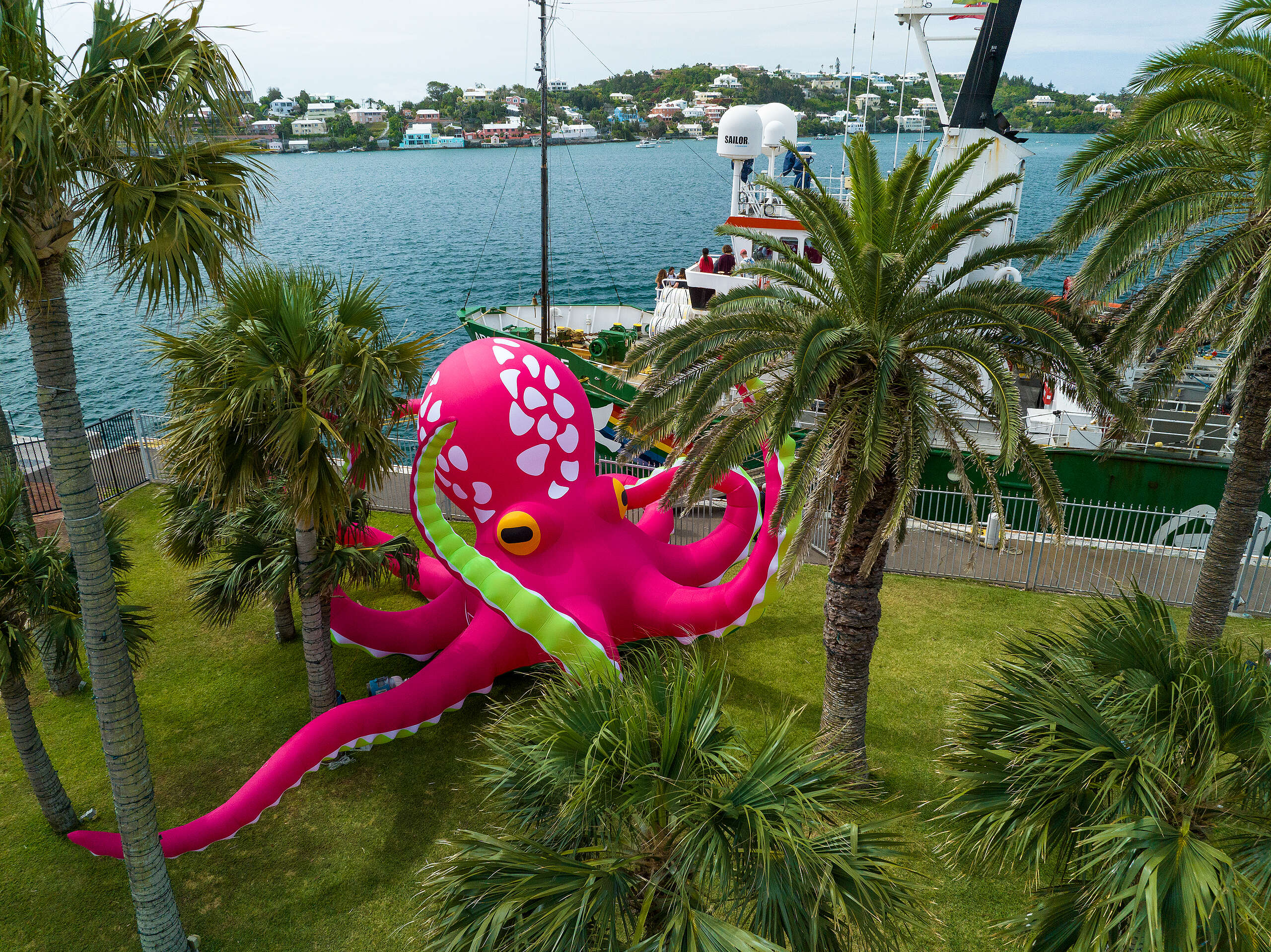

When it comes to effecting change, Greenpeace takes action in all sorts of ways. From sailing the oceans and urgent petitions, to powerful murals and bold protests. Across the movement, we’re combining our skills to raise awareness, demand stronger environmental policies, and hold those in power accountable.
In this month’s update, I want to share some stories from the Greenpeace network that have inspired me in recent weeks, in the hope that their creativity, passion, and determination will inspire you too.
Campaign Updates
Greenpeace Aotearoa (New Zealand) sued the world’s largest dairy exporter for greenwashing—and won!
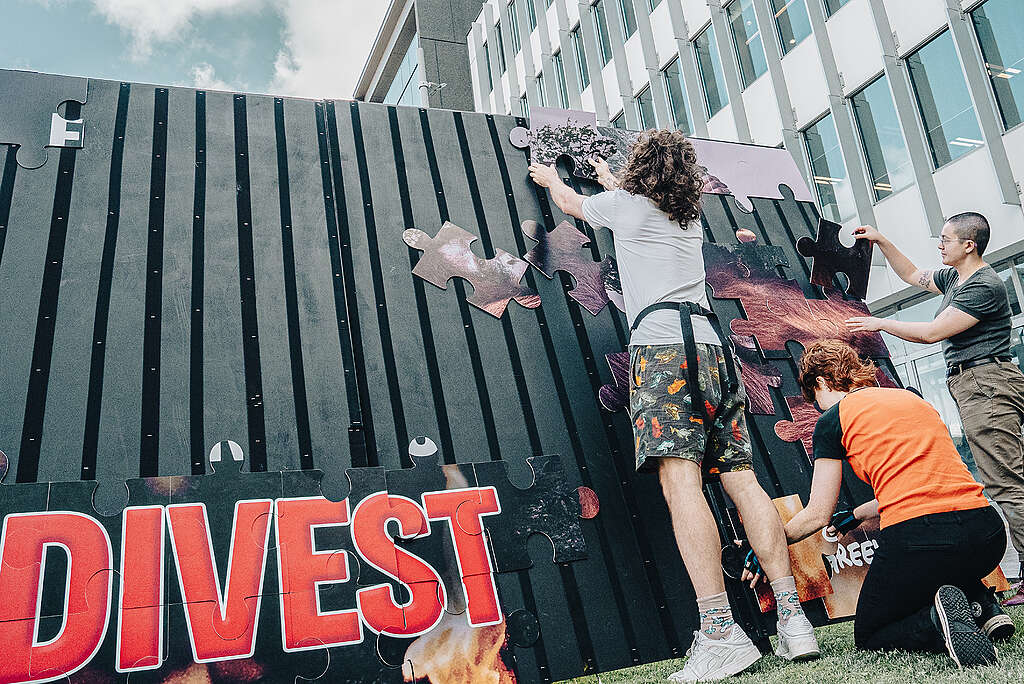
Greenpeace Aotearoa is celebrating an important win against intensive dairy greenwash.
In 2024, the organization took legal action against Fonterra, the New Zealand dairy giant, for misleading customers with false claims on its butter packaging. Fonterra claimed that its Anchor-brand butter was “100% New Zealand Grass-Fed.” In reality, cows were being fed palm kernel—an imported feed linked to rainforest destruction in Southeast Asia.
In April, the case settled out of court, with Fonterra publicly admitting that it broke the law. It’s a meaningful moment because greenwashing not only misleads people, but delays real climate action by making us think that progress is happening when it’s not. So, when we see a company make vague, deceptive, or even false claims about their environmental impact(s), it’s important that we call it out.
Onwards!
Greenpeace Africa secures a formal collaboration with South Africa’s Department of Water and Sanitation
© Greenpeace / Tumelo Mohlamonyane
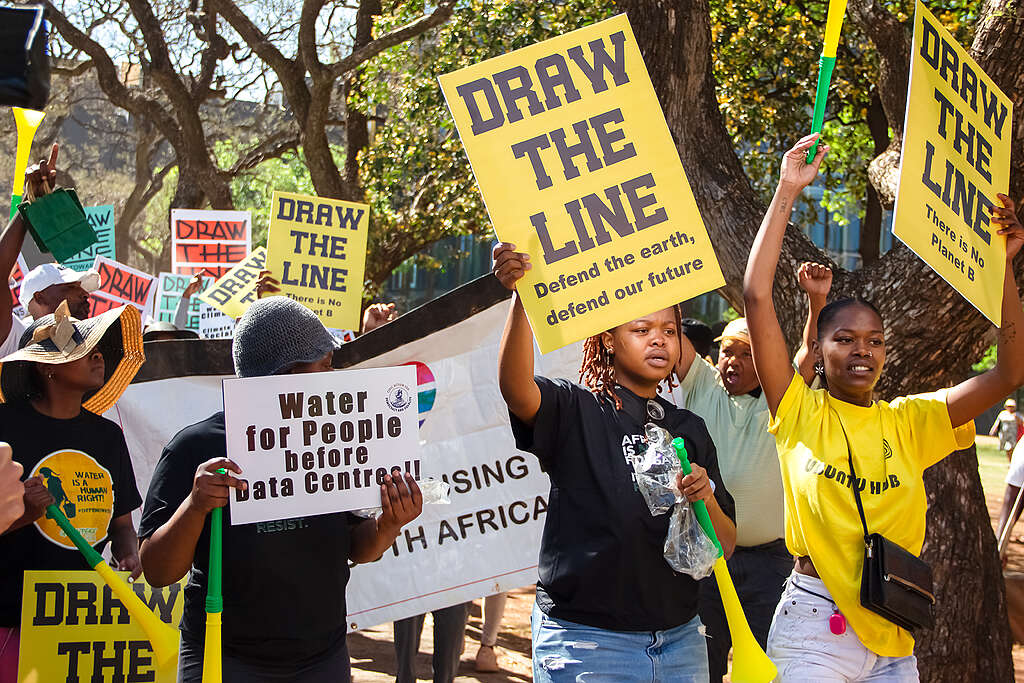
Greenpeace Africa is leading a bold, responsive campaign to highlight South Africa’s water crisis.
Taps are running dry in the country, even though the region experienced one of the worst floods in its recorded history a few months ago. As Angelo Louw, a Greenpeace staff member based in Johannesburg, writes: “South Africa’s water crises show what happens when climate stress meets aging systems.” In other words, the water shortage is driven by climate change, and compounded by infrastructure failures (like burst pipes) and poor management.
In response, Greenpeace Africa has been documenting frontline stories and supporting community protests to force action and accountability. In one striking action, volunteers delivered a glass of dirty water to a Minister’s office, asking a simple question: “would you drink this?”
Now, that pressure is opening doors.
The Department of Water and Sanitation has invited Greenpeace Africa to participate in the country’s national climate response and nominate a “Climate Change Champion” to collaborate directly with the government. Cynthia Moyo, a Greenpeace Climate and Energy Campaigner, will take on this important role.
This marks a major step forward for Greenpeace Africa’s ability to influence water and climate policy. It’s also a testament to what sustained engagement, strategic campaigning, and partnership-building between civil society and government can accomplish.
The focus remains clear: turning policy ambition into tangible climate action for communities.
Action Alert
From the desk of Pujarini Sen, Project Lead for the Greenpeace Arctic Sunrise ship:
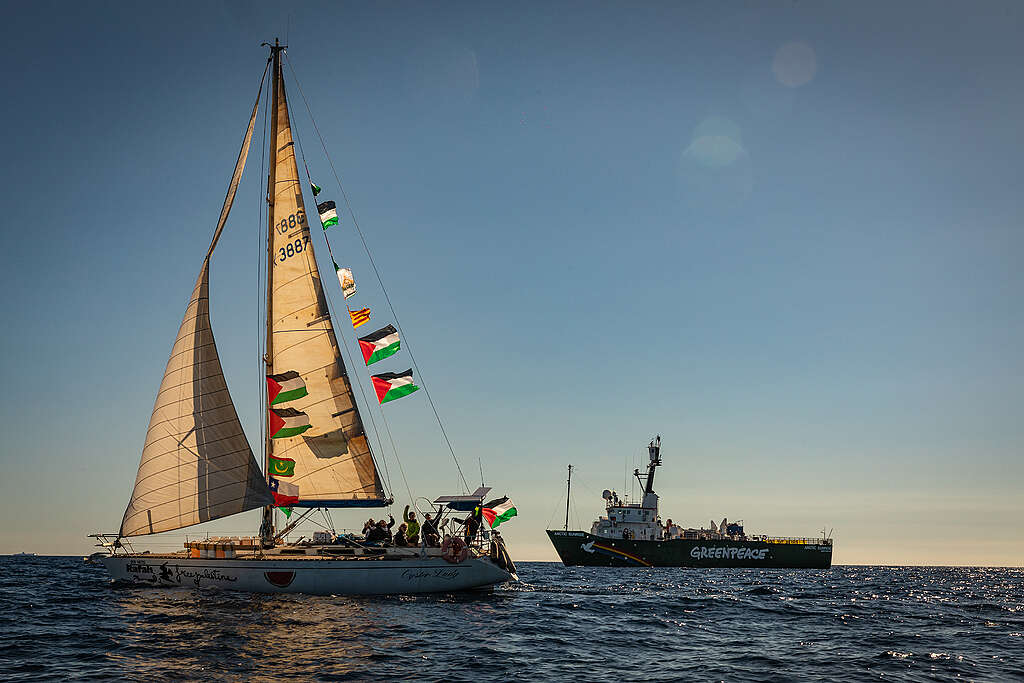
Greenpeace’s Arctic Sunrise is joining the Global Sumud Flotilla to support a peaceful civilian mission challenging the blockade on Gaza and demanding safe, unhindered humanitarian access.
The ship’s role is clear: to provide technical and operational maritime support to the people-led flotilla and assist the vessels in safely transiting across the Mediterranean before they complete the last 200 nautical miles onto Gaza’s shores.
This is an act of solidarity, practical support, and non-violent resistance, rooted in the belief that when governments fail to protect life and uphold international law, people will still come together to act.
Did you know that you can stay up to date on ship operations?
Hot Off the Press
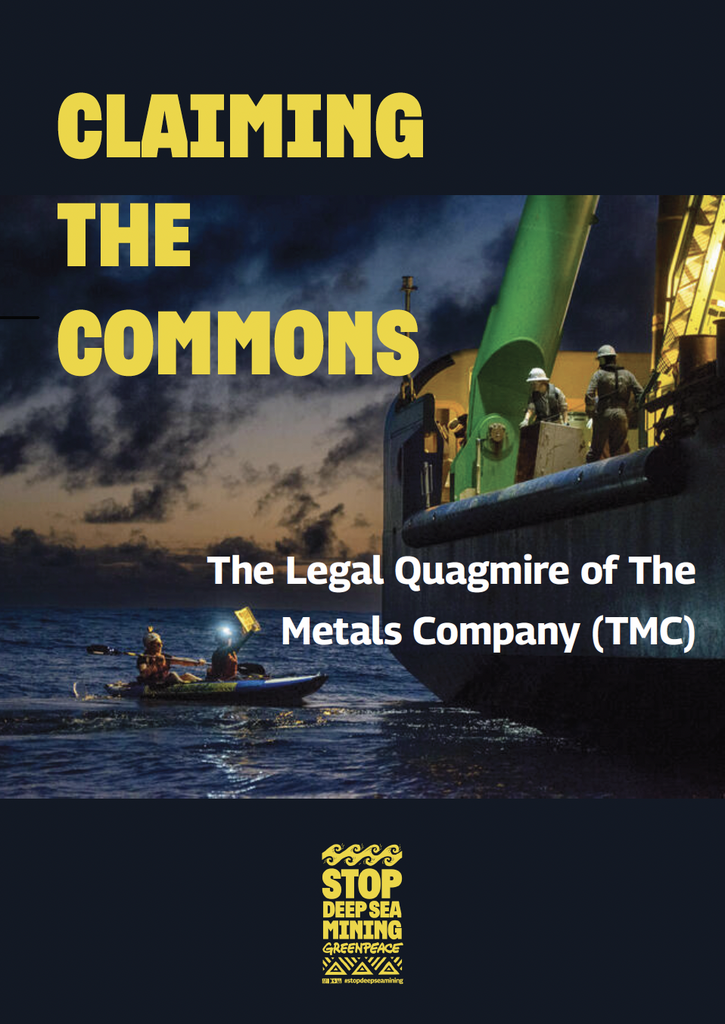
Greenpeace Canada recently published a report that sheds light on legal concerns regarding The Metals Company’s pursuit of deep sea mining. The report, Claiming the Commons: The Legal Quagmire of The Metals Company, reveals that the Vancouver-based deep sea mining firm is circumventing (and potentially violating) international law by using the United States permitting process to secure licenses and permits to engage in extractive activities in the deep seabed.
Picture of the Month
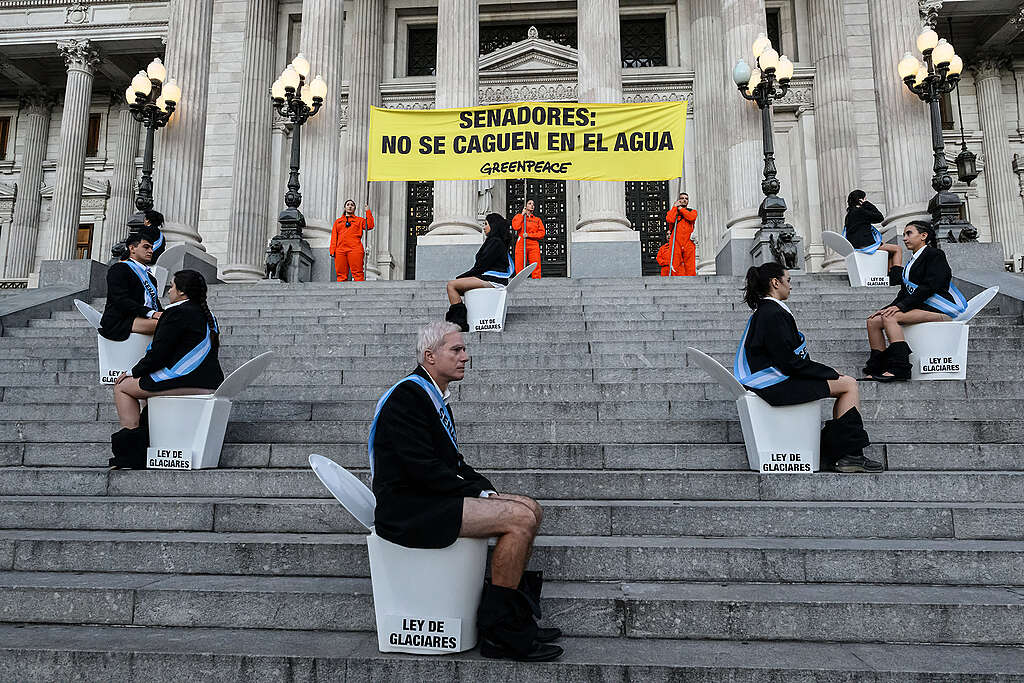
Greenpeace Andino activists staged a protest at the entrance to the National Congress in Buenos Aires, Argentina. Greenpeace’s creative confrontation drew attention to the Argentine government’s reform to the Glaciers Law, and the serious consequences it could have on Argentina’s water security. Essentially, the reforms would loosen environmental protections to allow for extractivist activities (primarily mining) in areas that were protected prior to the reform, including glacial and periglacial landscapes. In protest, the environmentalists sat on toilets, sending a clear message: “Senators, don’t defecate in the water.”