
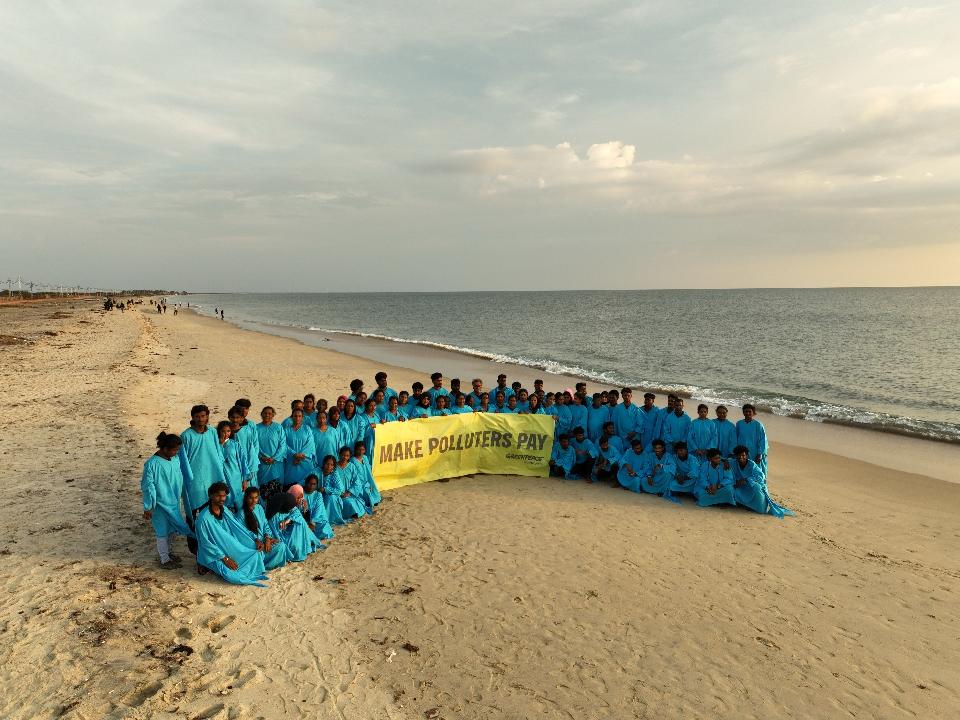
MAKE POLLUTERS PAY
The people paying the highest price for the climate crisis are the ones who did the least to cause it.
From deadly heatwaves in Delhi to devastating floods across the country, communities in India are increasingly living with the consequences of a changing climate.
Floods can destroy homes, crops and businesses in a matter of hours. Extreme heat can take away working days, damage health and threaten lives. For people already living with economic insecurity, recovering from these disasters can be almost impossible.
And yet, the people facing these impacts are rarely the ones responsible for driving the crisis.
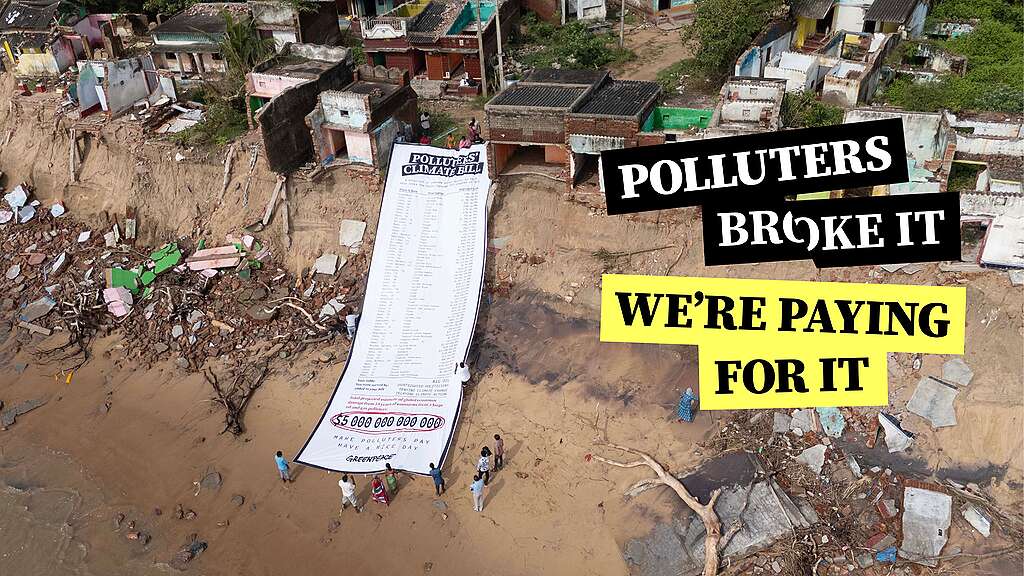
The fossil fuel companies whose products have powered the climate crisis must not be allowed to walk away from the costs.
Communities need resources to recover, adapt and build safer futures. Governments have a responsibility to make sure those resources are available, and to make the biggest polluters contribute their fair share.
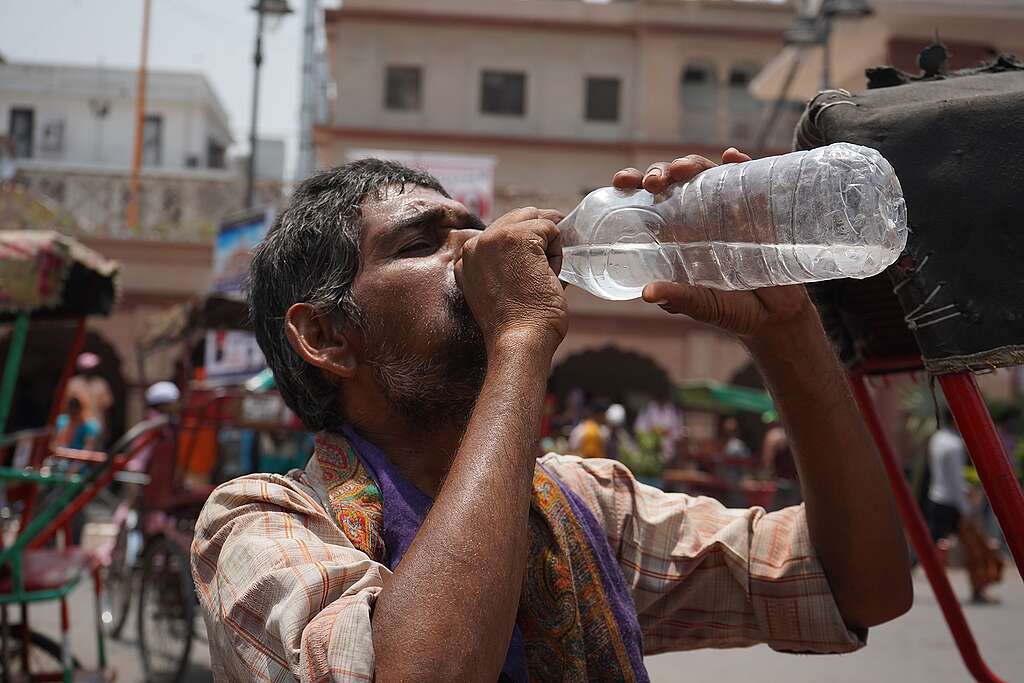
DELHI: LIVING THROUGH EXTREME HEAT
Every summer, extreme heat puts lives, livelihoods and everyday routines under enormous pressure. But the heat is not experienced equally.
For people who work outdoors or in informal jobs, there is often no option to simply stay indoors or work from home. Street vendors, domestic workers, delivery workers, construction workers and other informal workers have to keep working through dangerous heat to earn a living.
In Sundar Nagari, a community in northeast Delhi, residents have been documenting what extreme heat actually feels like in their everyday lives.
Through Delhi Rising, people are coming together to make their experiences visible, demand stronger protection from extreme heat and hold those responsible for the climate crisis accountable. Because the people who contribute the least to the problem should not have to bear the greatest cost of it.
THE HEAT DIARY
The climate crisis, one day at a time.
What does extreme heat do to a person’s life?
It can mean sleepless nights. Lost working hours. Health problems. Smaller incomes. Changes to school, work and family routines. And difficult choices about how to get through the day.
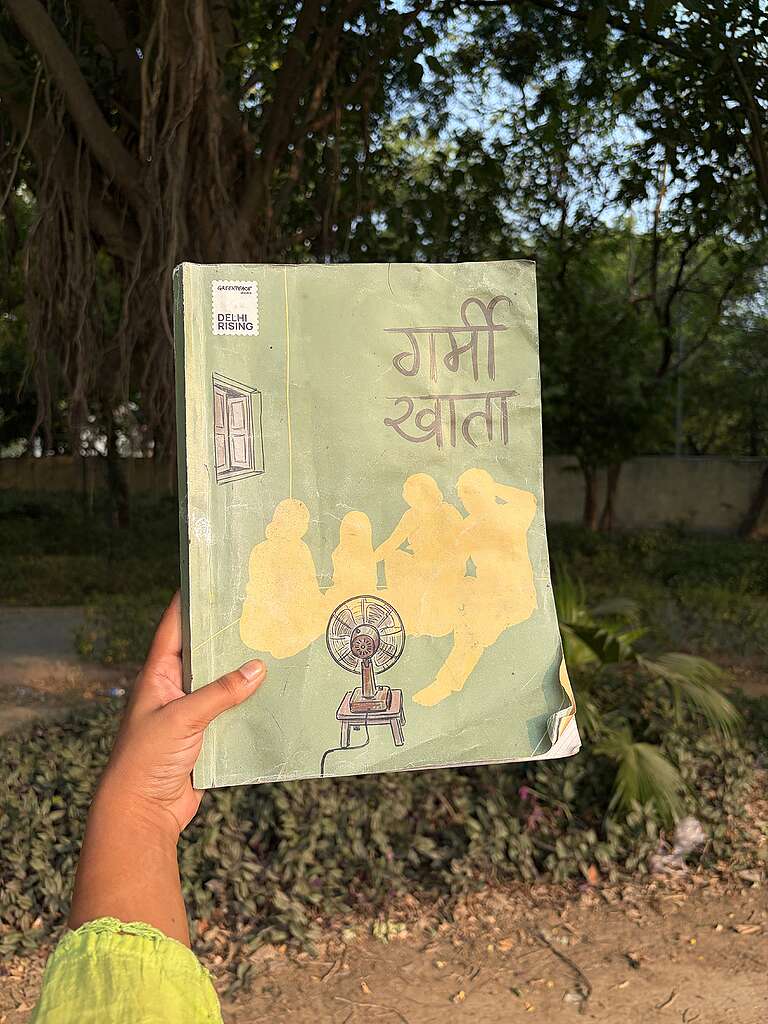
The Heat Diary gives people living through extreme heat a way to document those changes themselves. Across Delhi, people are recording their experiences through stories, photographs, videos and daily observations, creating a people-led record of how heat affects their health, work, income and everyday lives.
Together, these diaries show something that a temperature reading alone cannot: the human cost of extreme heat.
-

Witness 3.26 | A different future is possible
What if the future isn’t inevitable? This quarter, we explore the power of imagination, the people questioning existing systems and demanding change, and the collective action it takes to build different futures.
-
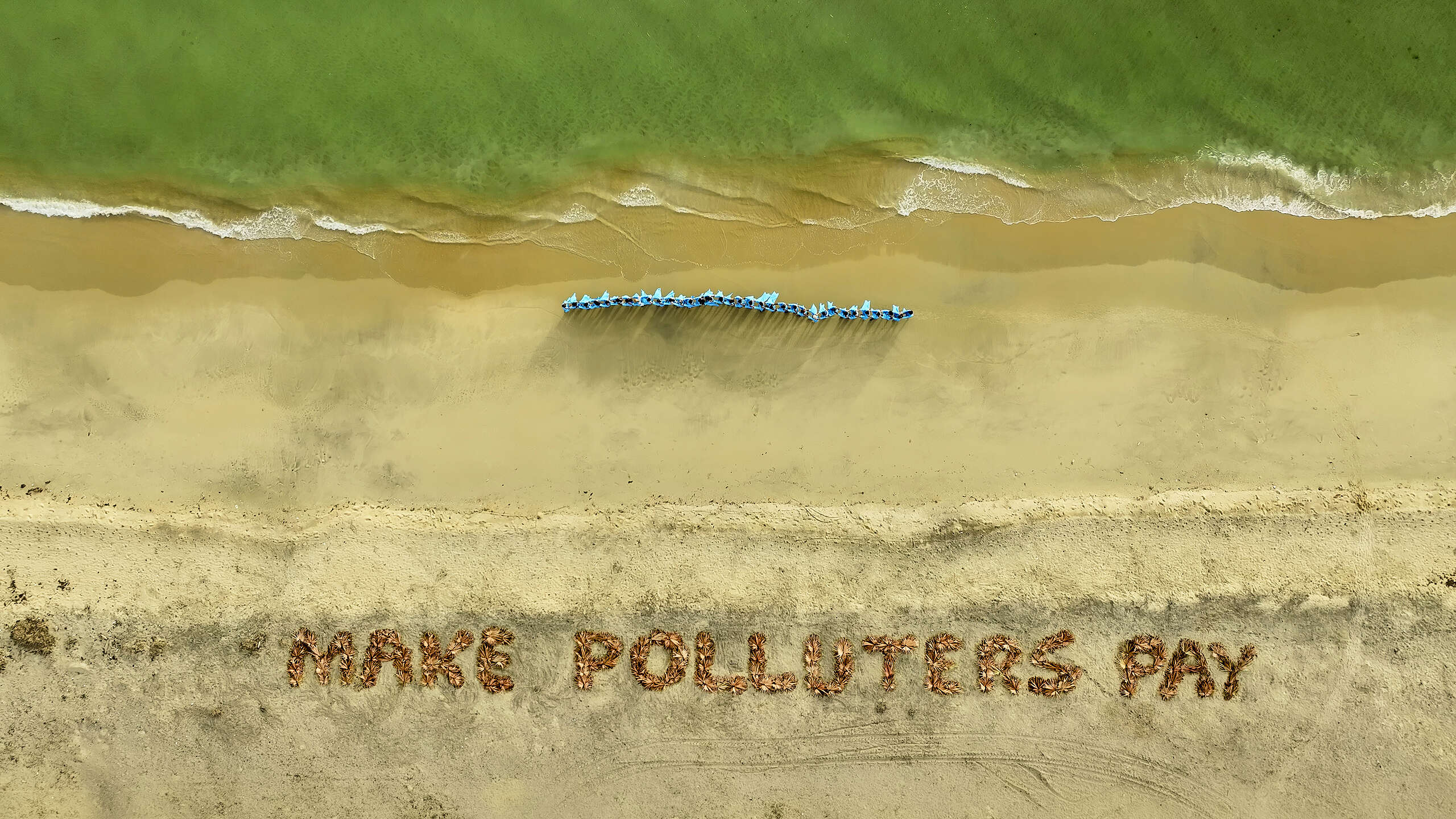
‘Don’t look away’: Global South Workers and Communities Demand Oil and Gas Giants Pay for Climate Damage Ahead of COP31
(Frontline workers and communities, representing over 2.5 lakhs people, release joint statement demanding climate accountability and a seat at the table)
-
Global Statement for Climate and Polluter Accountability
Issued by impacted communities, workers and workers groups, climate groups, experts, scientists, negotiators, the legal community and youth groups