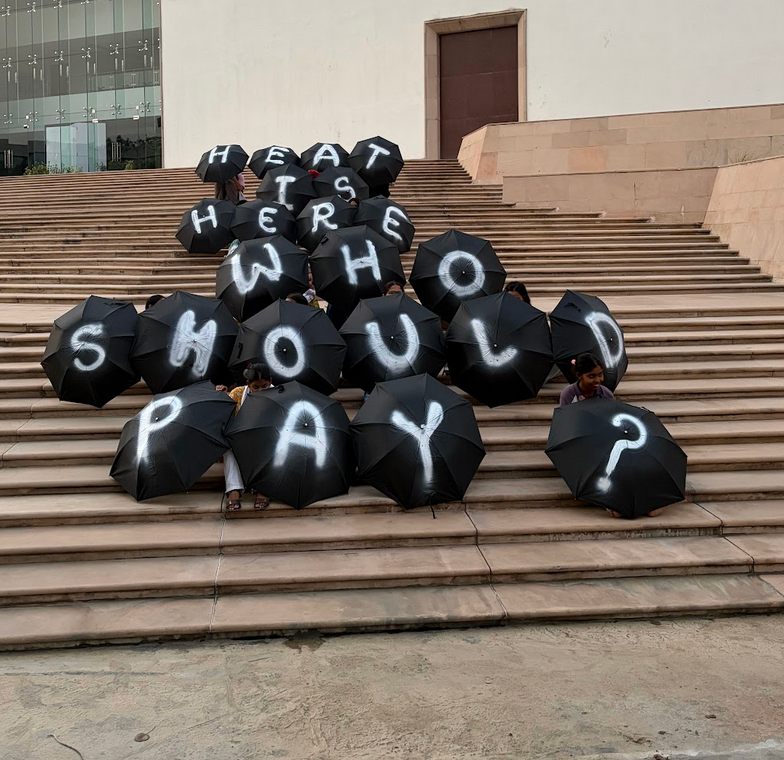
DELHI RISING
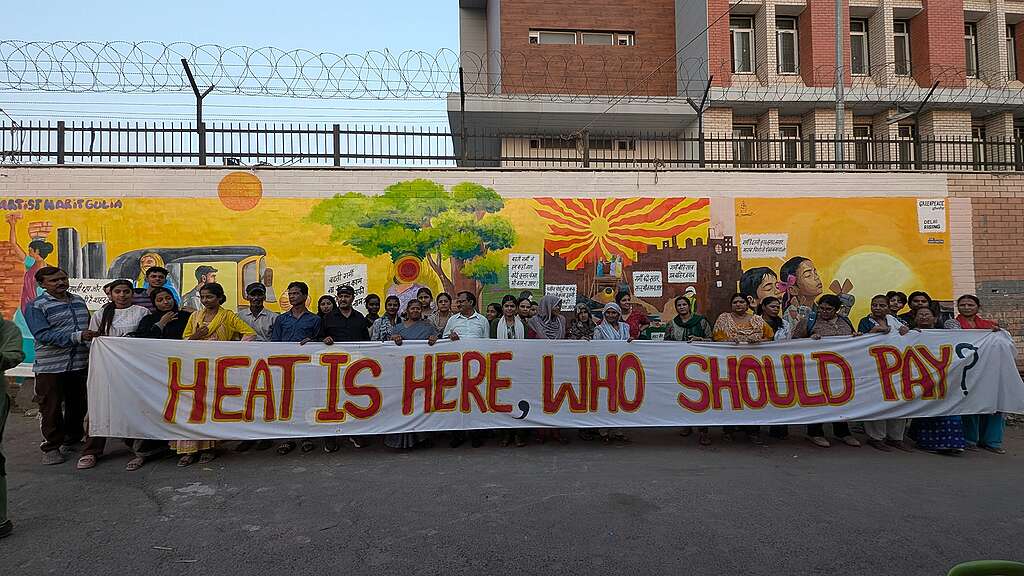
Delhi does not wait to be asked. It adapts, endures, and keeps moving through heat that would stop most cities, and Delhi Rising asks what it would look like if the city finally moved with its people.
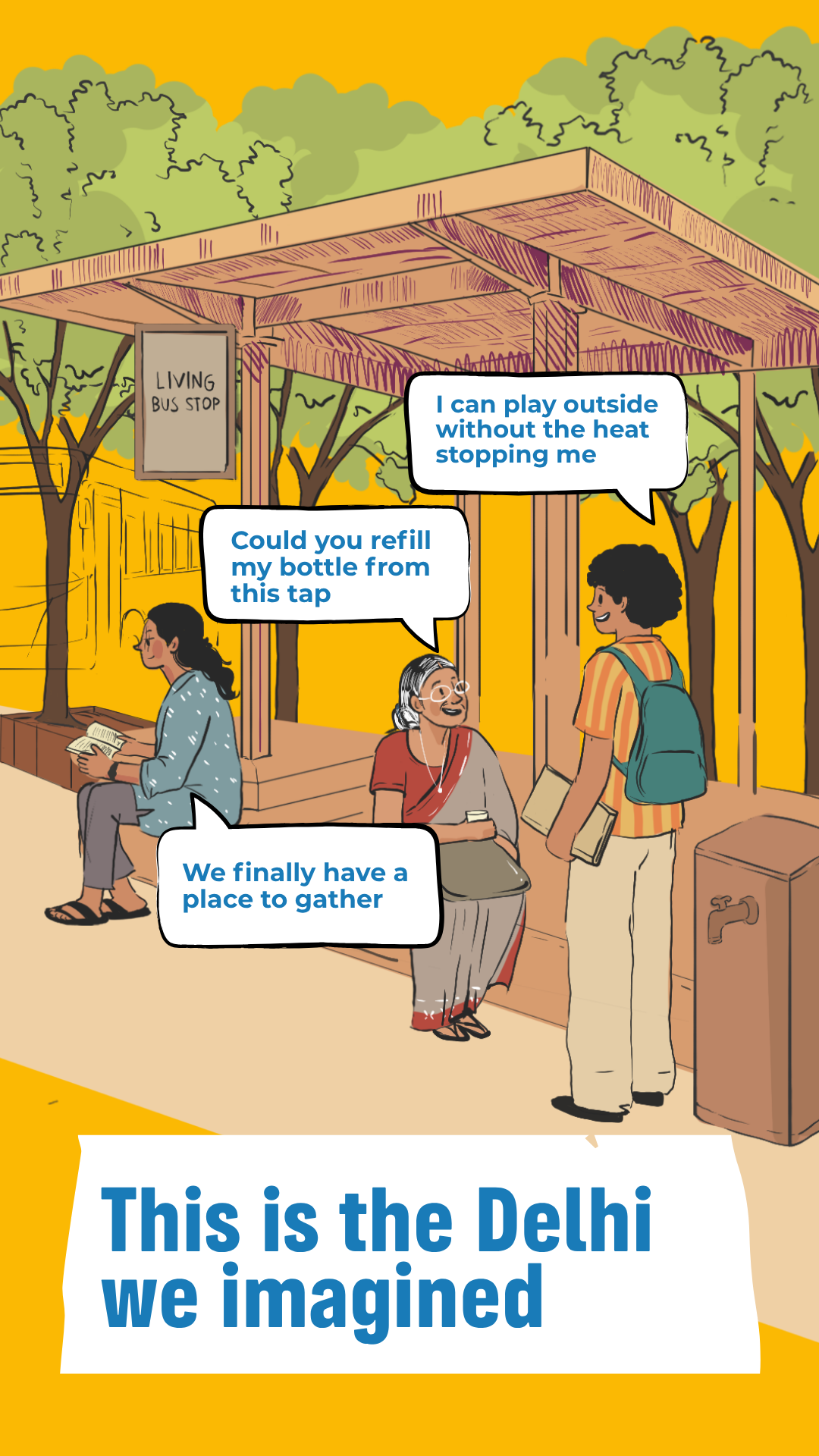
STAND WITH DELHI
Every summer is hotter than the last. But across Delhi, people are already building the city they deserve. Add your name to a movement turning heat into action.
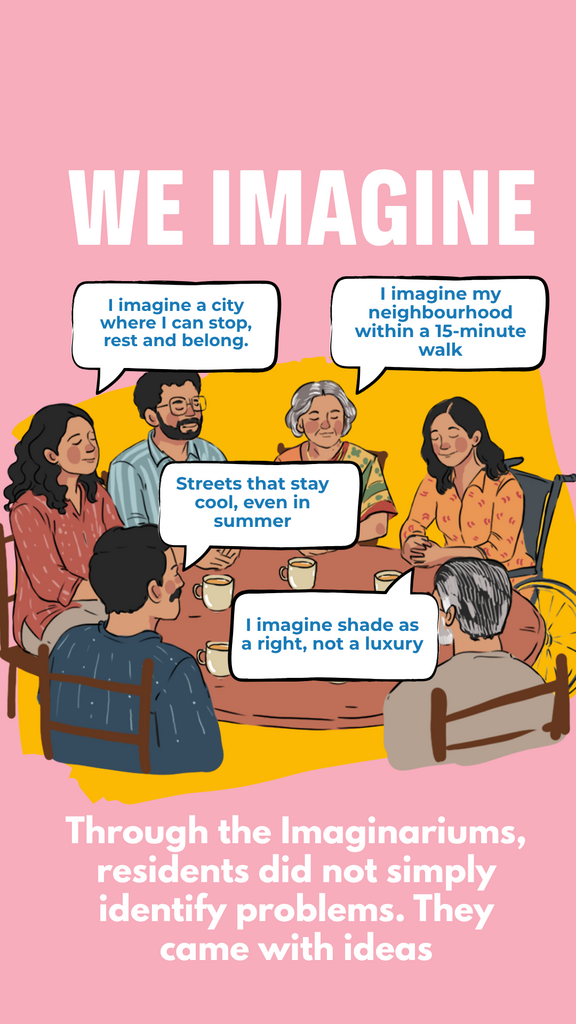
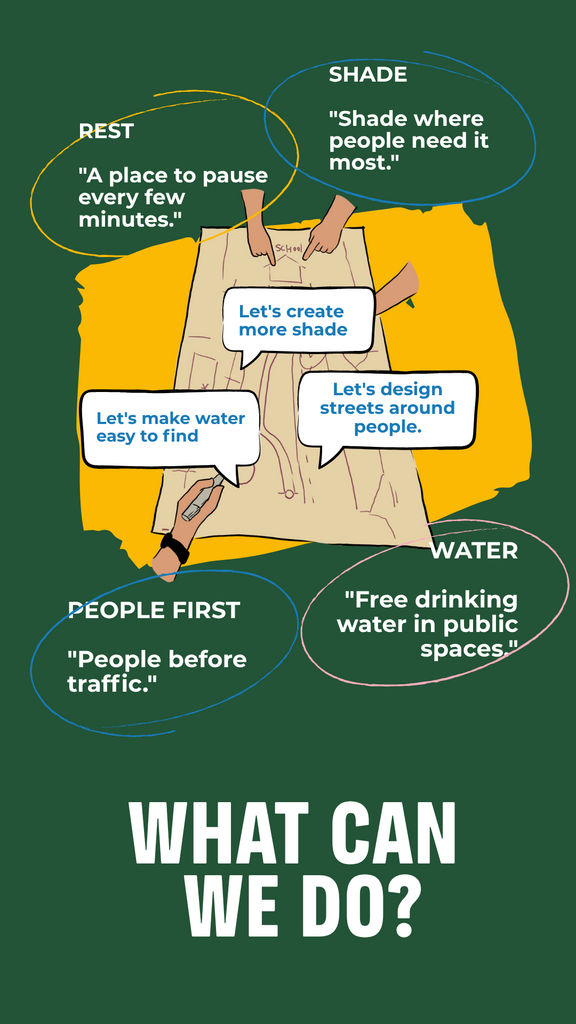
What people Imagined
IMAGINED LOUD. ACTING LOUDER.
The Heat Diaries

Forty households. Twenty from Sunder Nagri, ten from the middle class, ten street vendors. Each one documenting what extreme heat actually does to a body, a budget, and a day. Not statistics. Not projections. Real records, kept by real people, building the case that heat is not an act of nature but a consequence of decisions. And decisions can change.
The Common Space at Sunder Nagri

In one of Delhi’s most heat-exposed neighbourhoods, residents did not wait for a plan. They became one. A community-designed, ecologically built common space, shaped by local knowledge and local need. Shade, rest, water, community. What every neighbourhood deserves. What Sunder Nagri built first.
Delhi Rising in Pictures
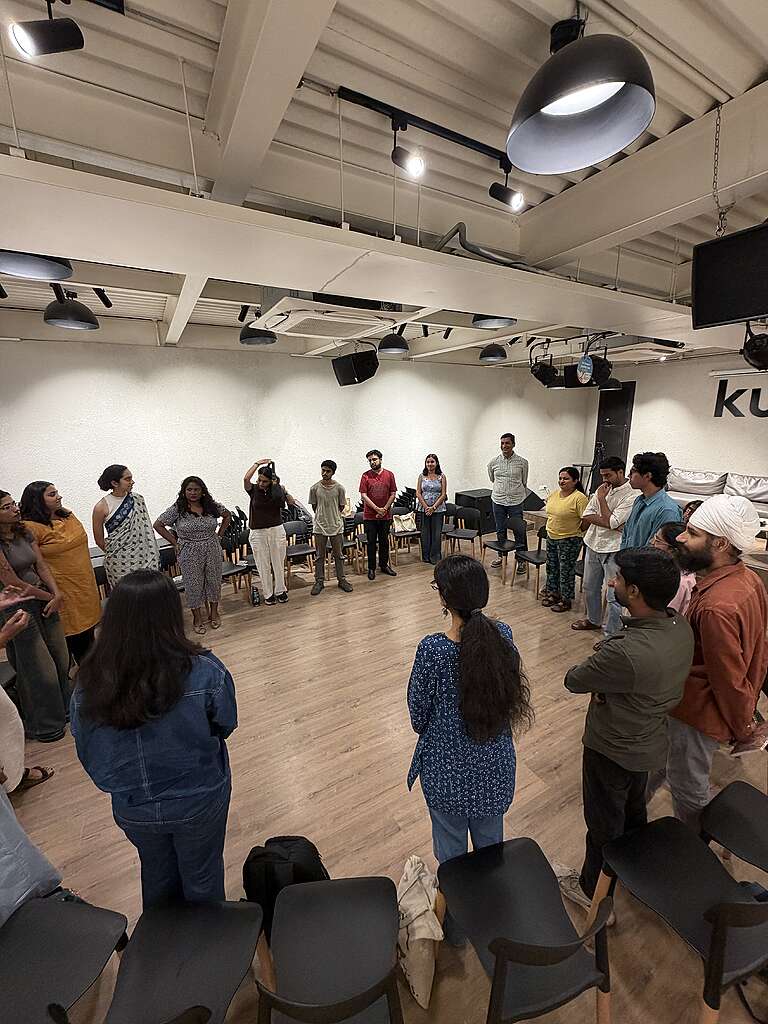
Neighbours circle up, imagination begins
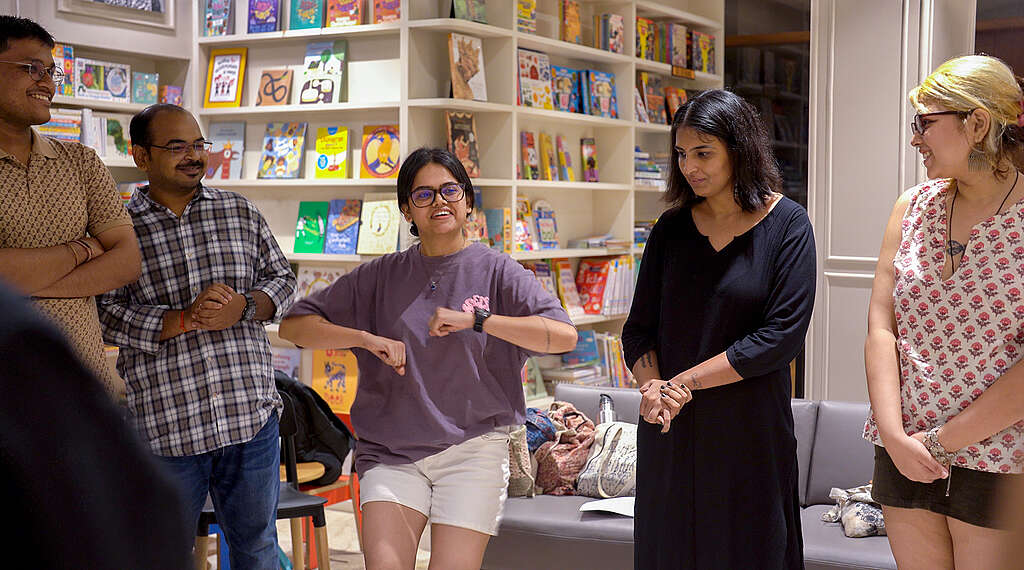
Bookshelves witness citizens dreaming aloud
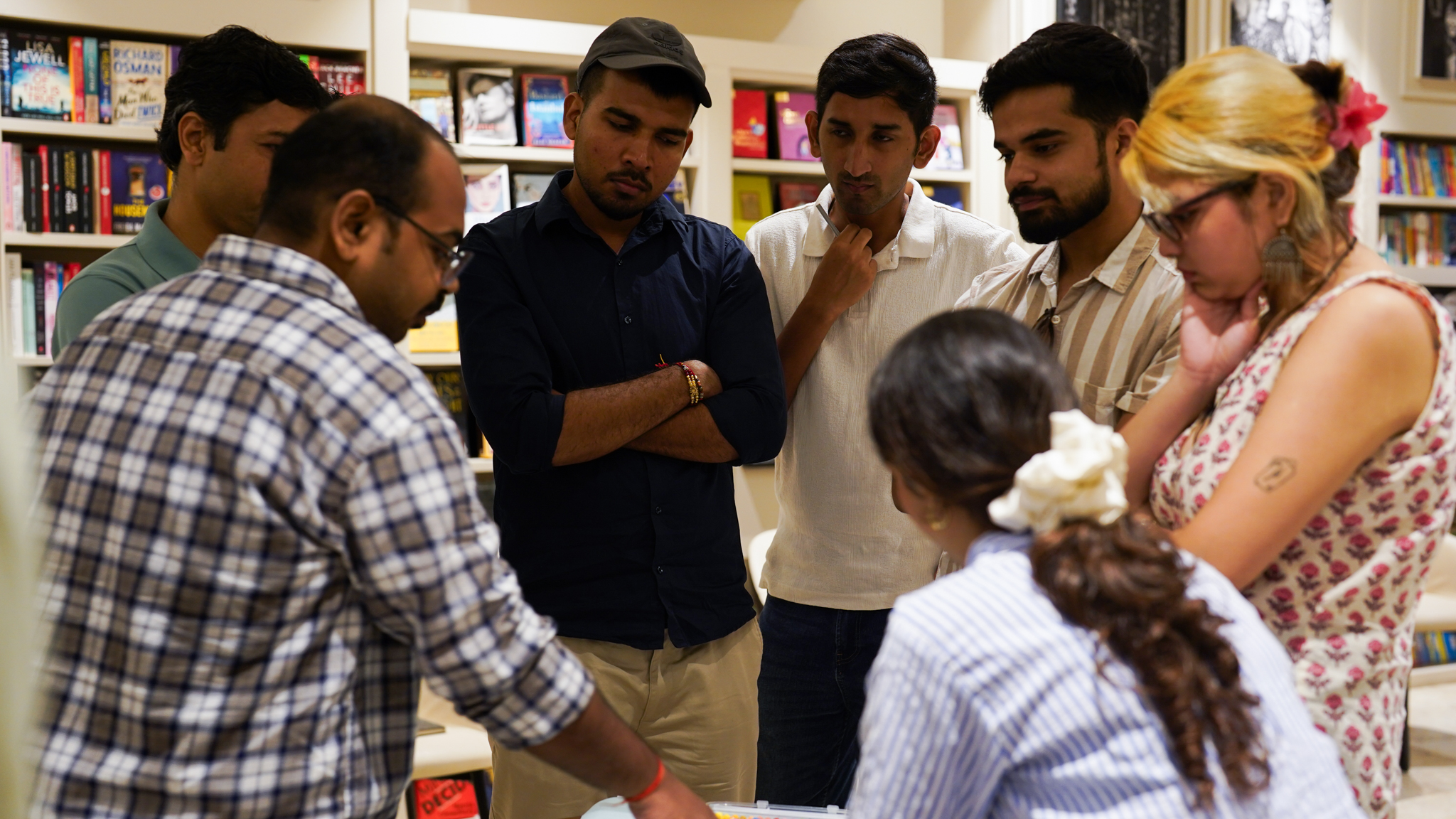
Heads bow together, ideas sharpen
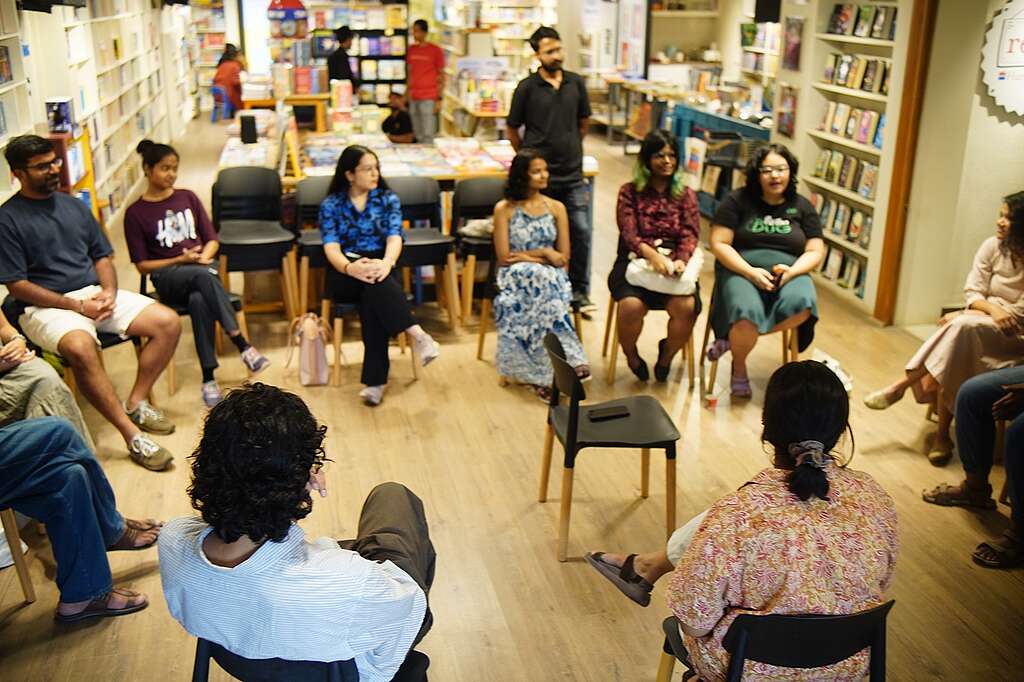
The circle grows, visions multiply
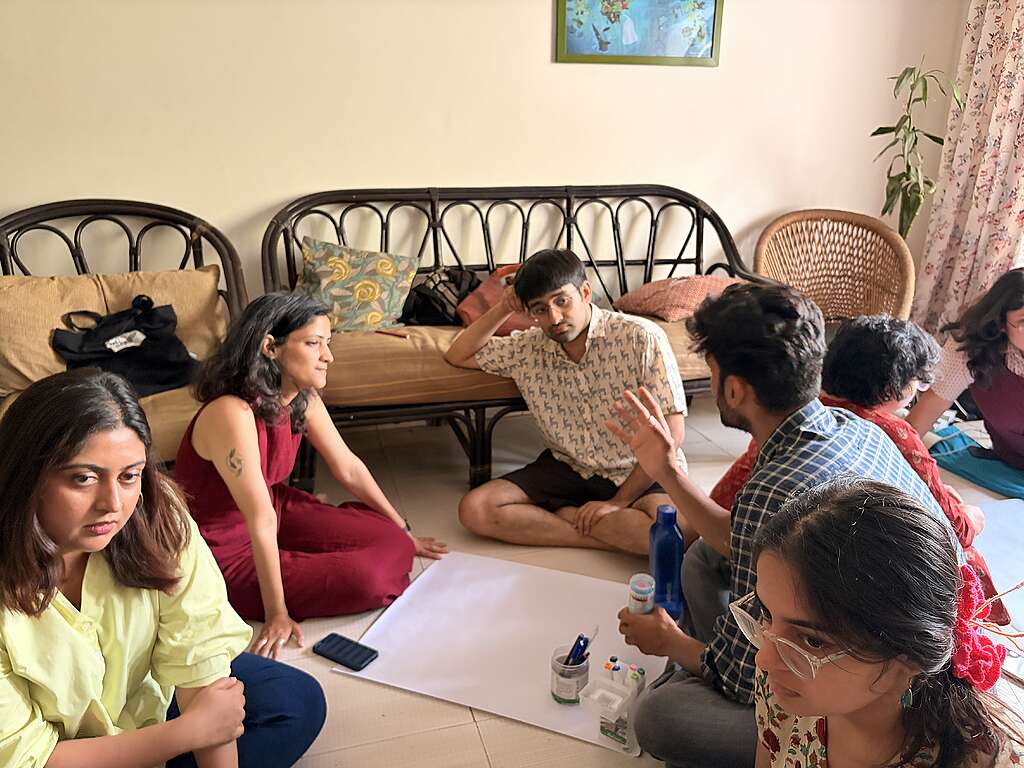
Living rooms turn into dream labs
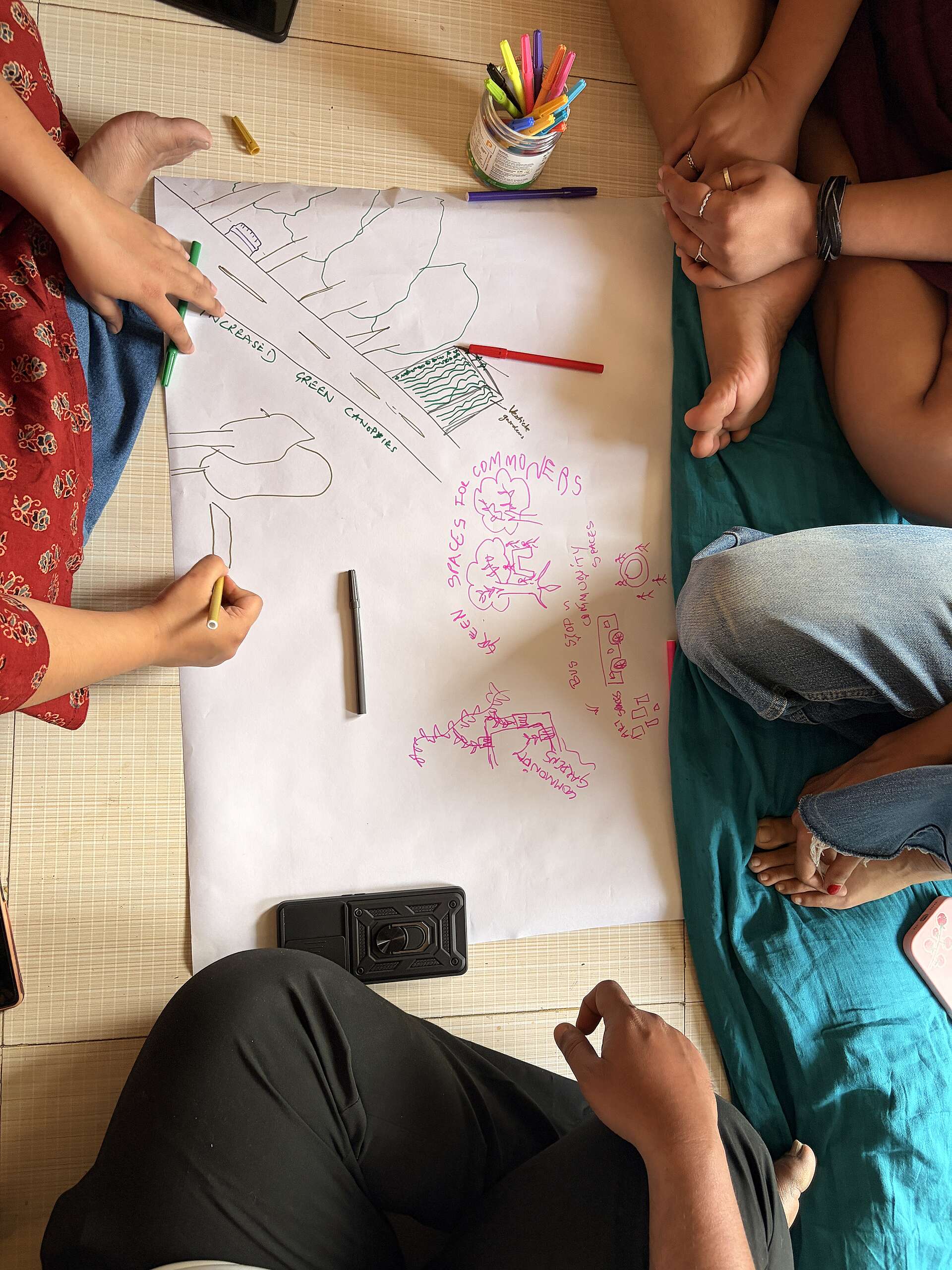
Colourful pens sketch a greener city
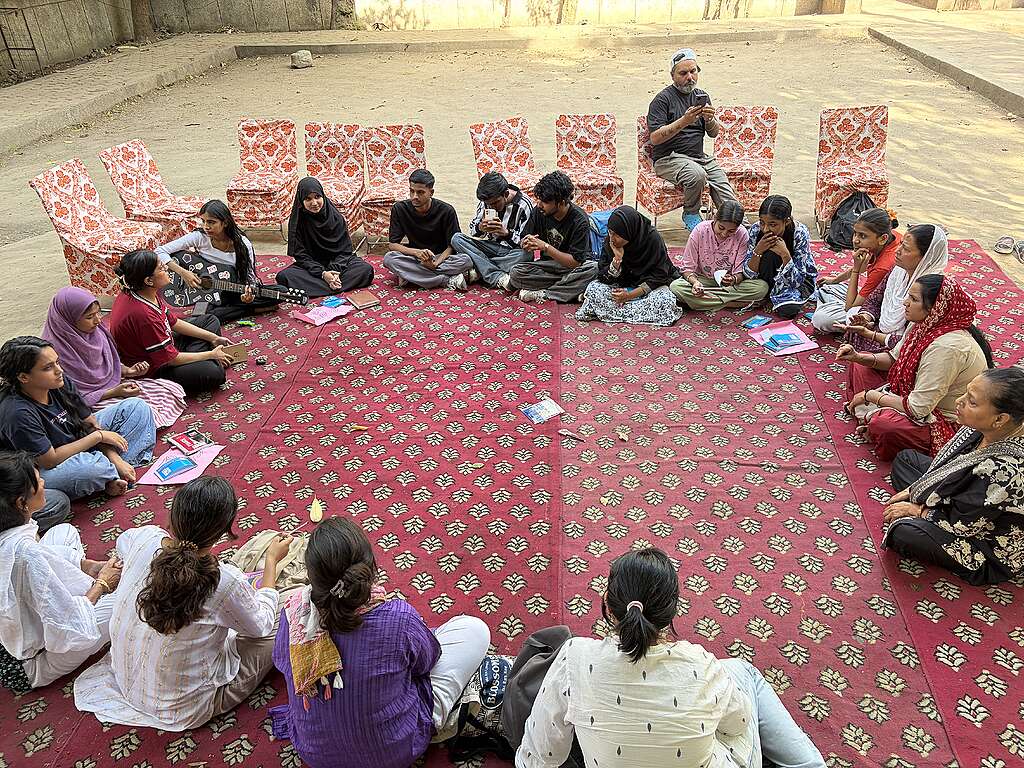
Courtyards fill with music and vision
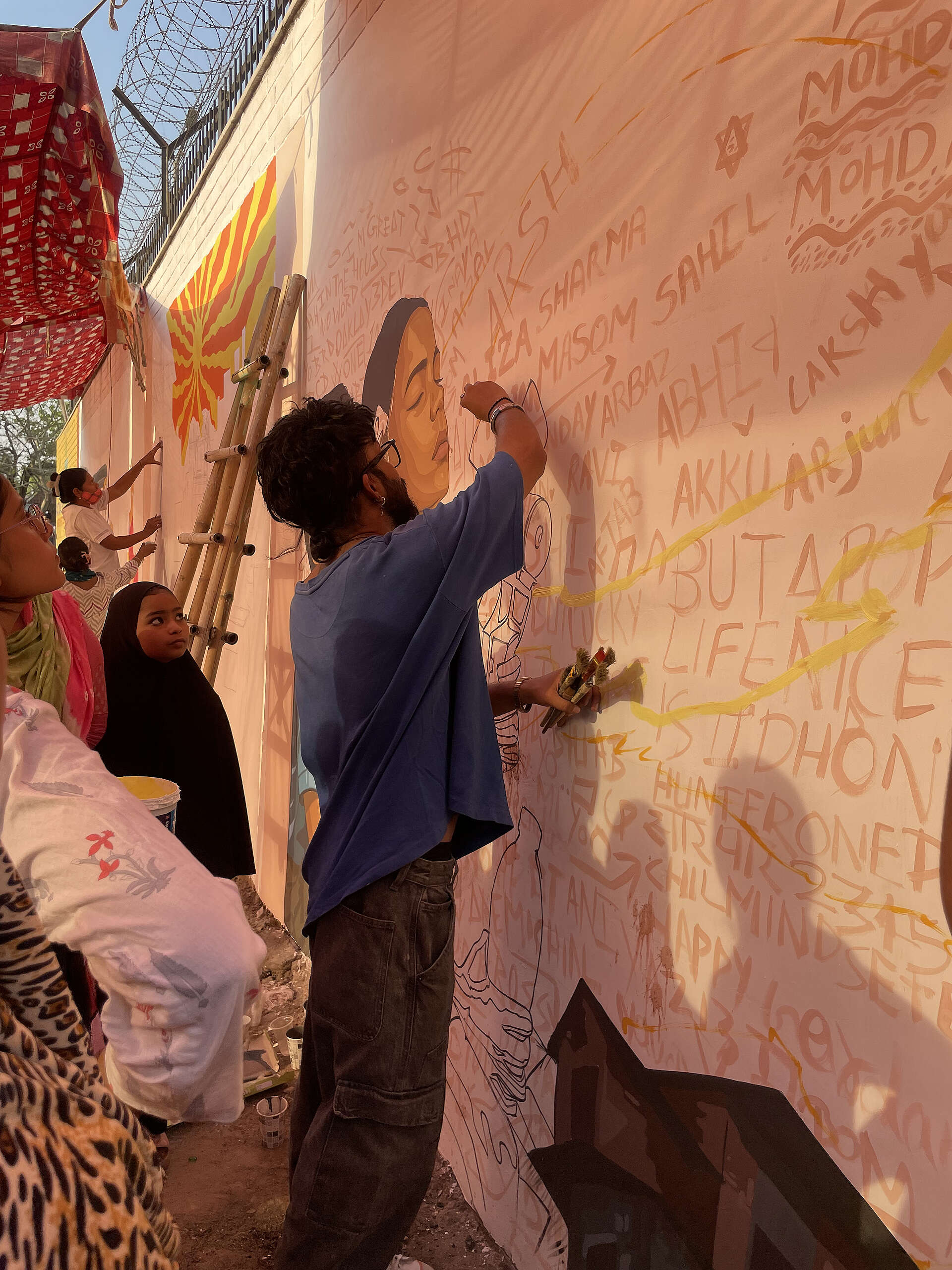
Citizens paint their dreams brick by brick
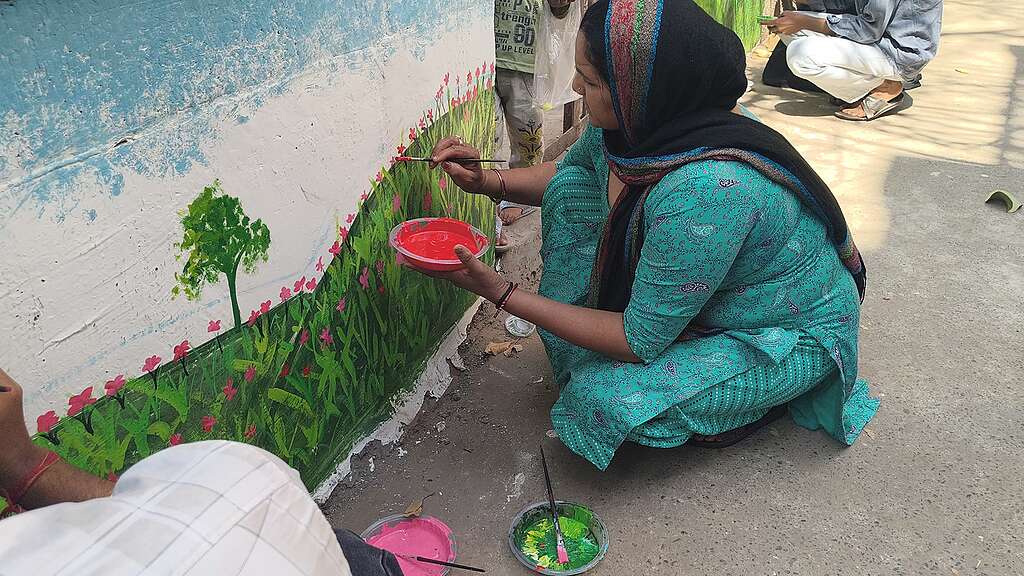
Blooms rise from a bare wall
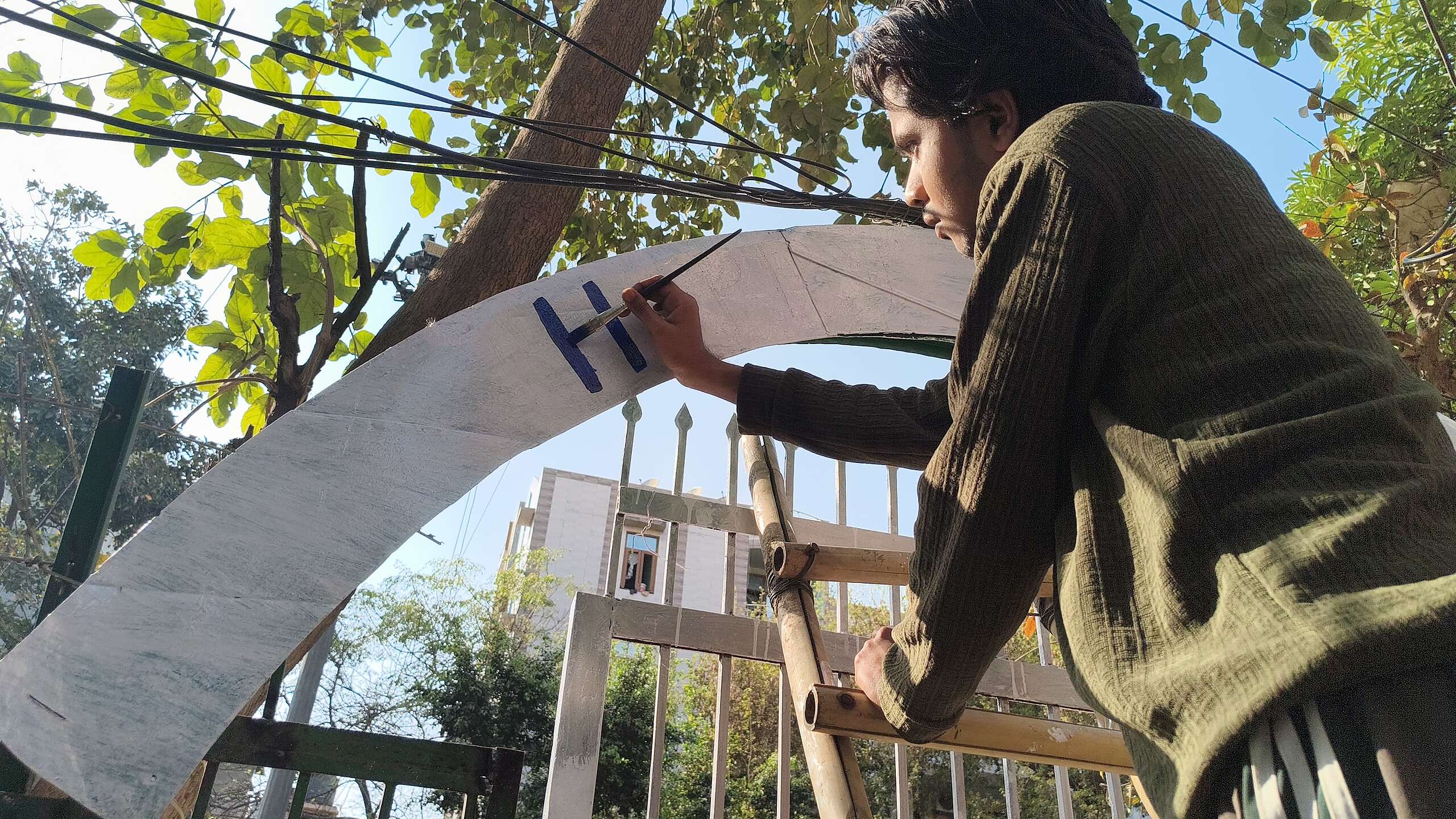
City’s arch rises, citizen’s hands guide it
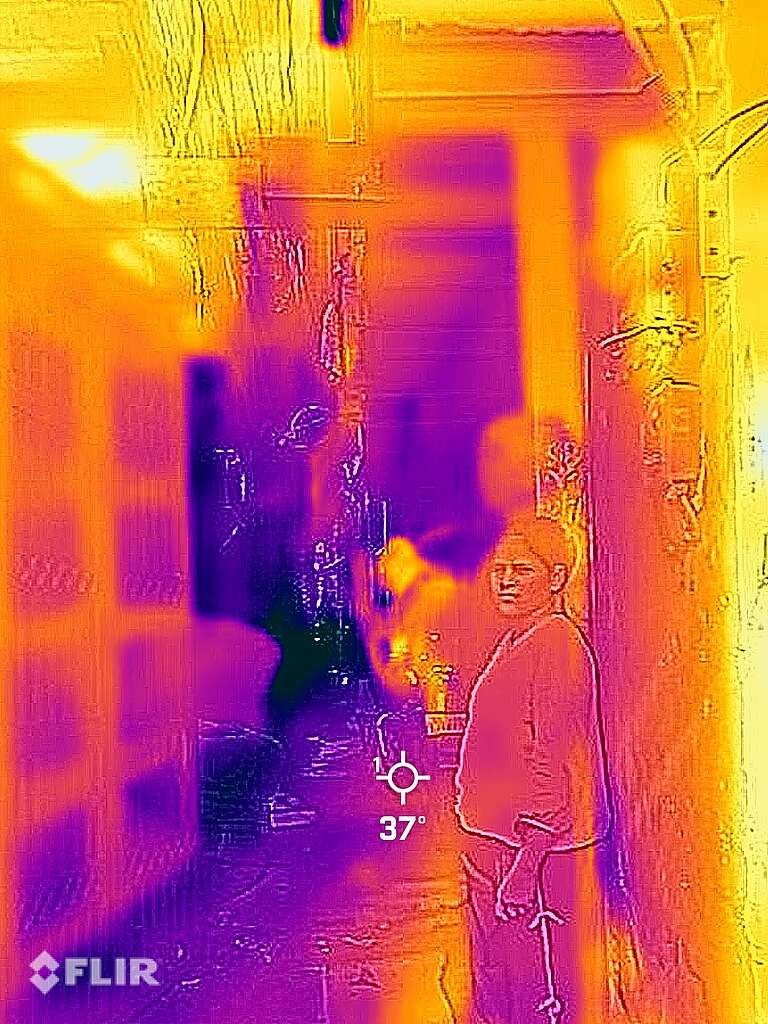
Citizens measure heat, block by block