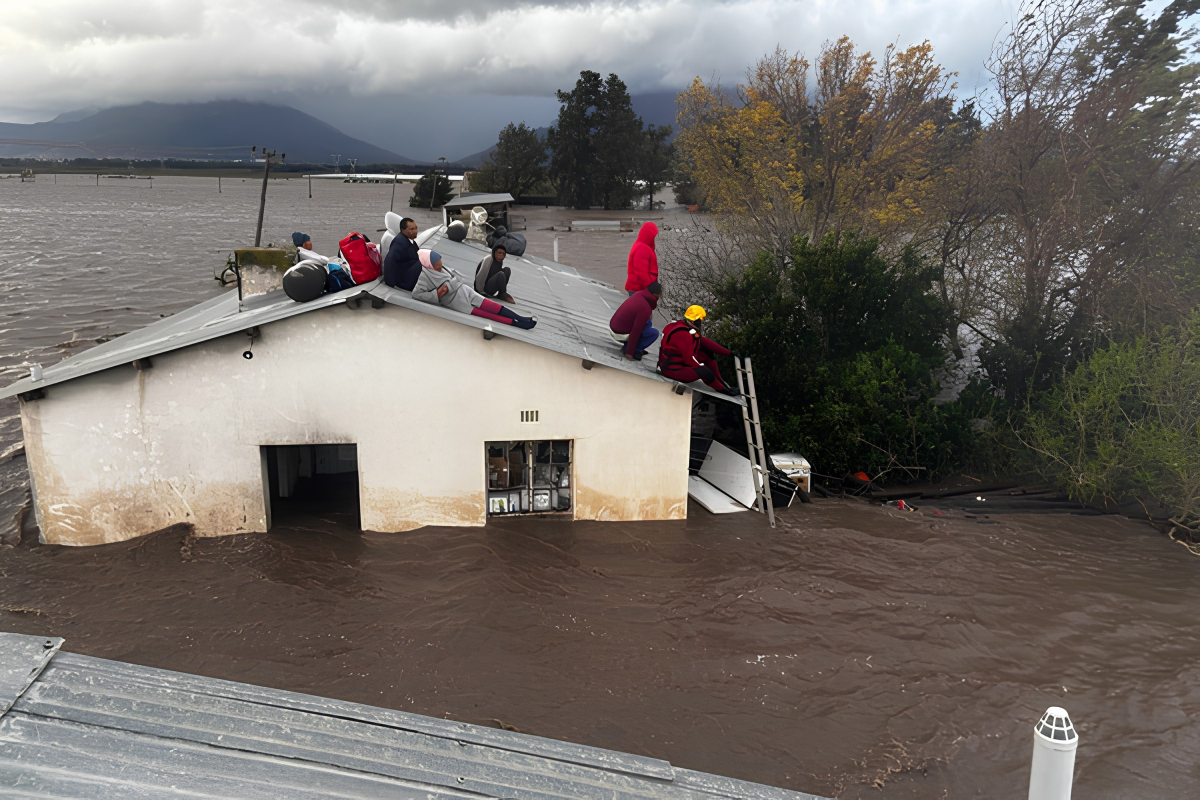
On May 1, the British House of Commons became the world’s first national parliament to declare a “climate emergency.” The motion is not binding and may have no effect on government policy, which appears reminiscent of the Paris emissions promises.
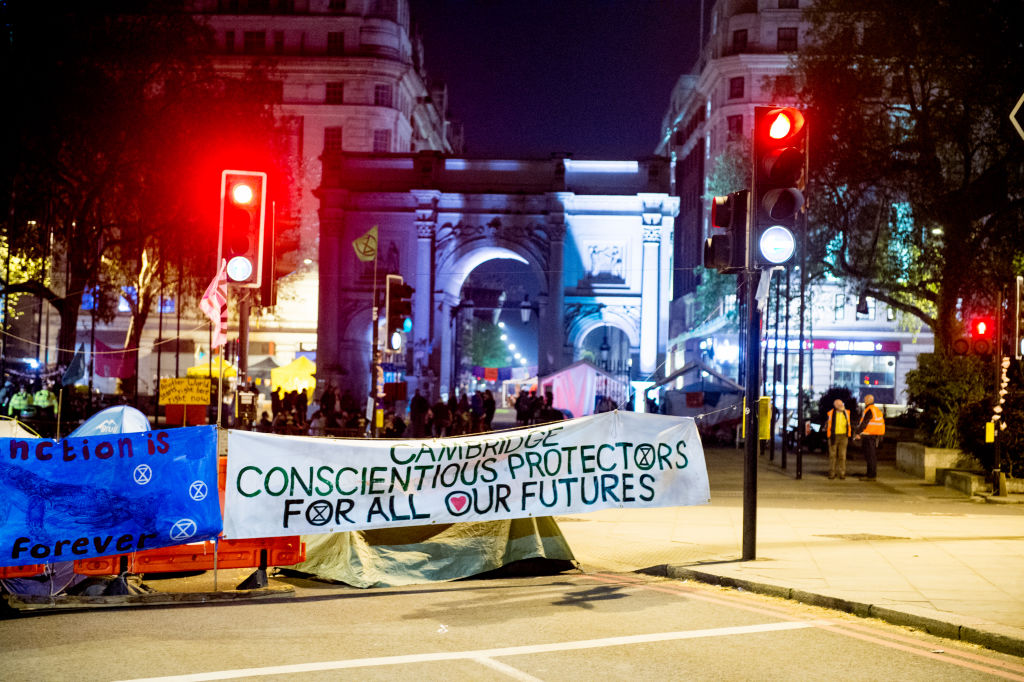
Nevertheless, the motion appears significant because the driving force behind this resolution was not an epiphany in the halls of British governance, but rather the Extinction Rebellion protests that closed bridges, occupied public landmarks, disrupted trains, and shut down Central London. Police had arrested over a 1,000 activists, some who had superglued themselves to Shell Oil headquarters and other buildings. The protesters gained international support and demanded a climate crisis response.
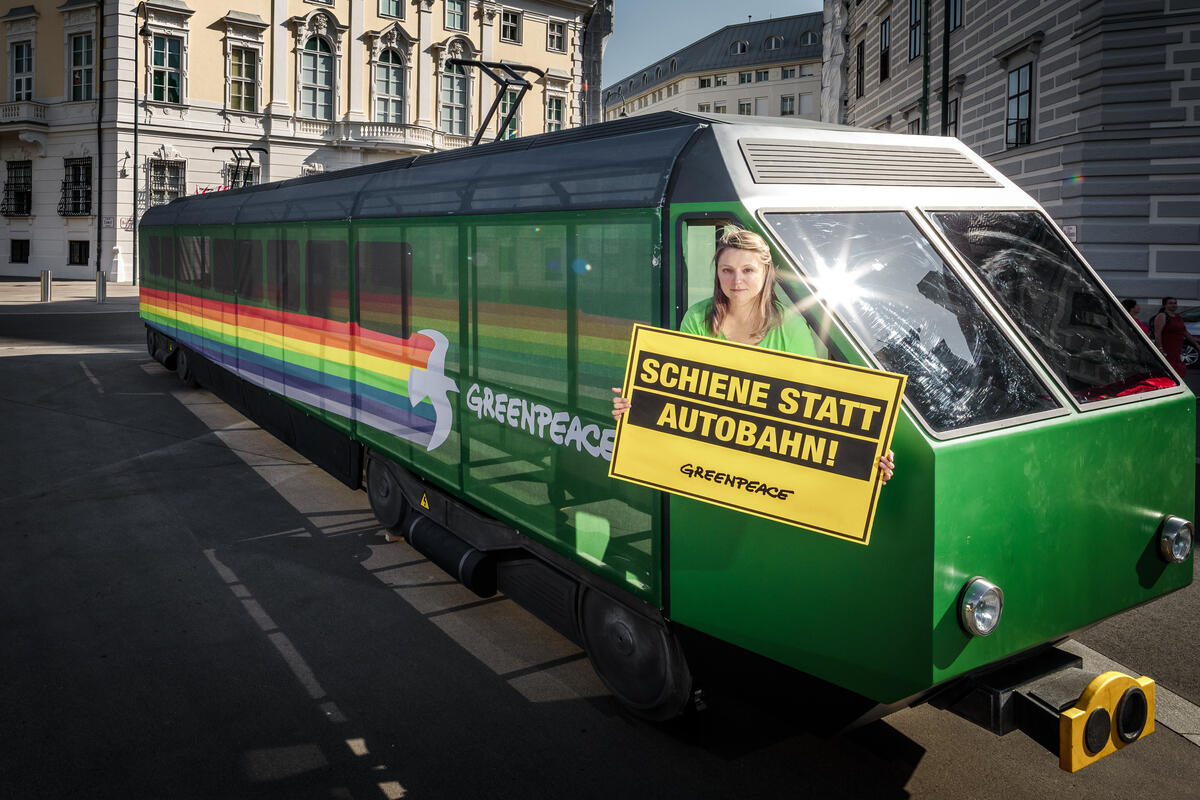
Greenpeace published polls showing widespread public support for the protesters and for climate action, even if it required public expense. “The best time to declare a climate emergency was 30 years ago,” said Greenpeace UK political spokesperson, Rebecca Newsom; “the second best time is now.” The Welsh and Scottish governments, the city of London, and other municipalities had already declared a climate emergency in response to the protests. Under such public pressure, the Conservative government approved the Labour Party opposition motion without a vote.
The rise of the Extinction Rebellion movement appears as a fresh escalation of public protest, driven by youth concerns for their future and made possible by the organizing power of electronic communications. The activists sound politically and scientifically sophisticated, armed with clear principles and strong research regarding the state of Earth’s ecosystems.
In October of last year, the non-violent coalition first assembled on Parliament Square in London, declaring a climate “rebellion” against the UK Government. They expected a few hundred people to attend. Almost 2,000 showed up. They announced a peaceful civil disobedience action a few days later, and 6,000 citizens blocked five major bridges across the Thames, planted trees in Parliament Square, and buried a coffin representing their threatened future. Extinction Rebellion groups quickly sprang up in Spain, Australia, Canada, Solomon Islands, South Africa, India, and in the US.
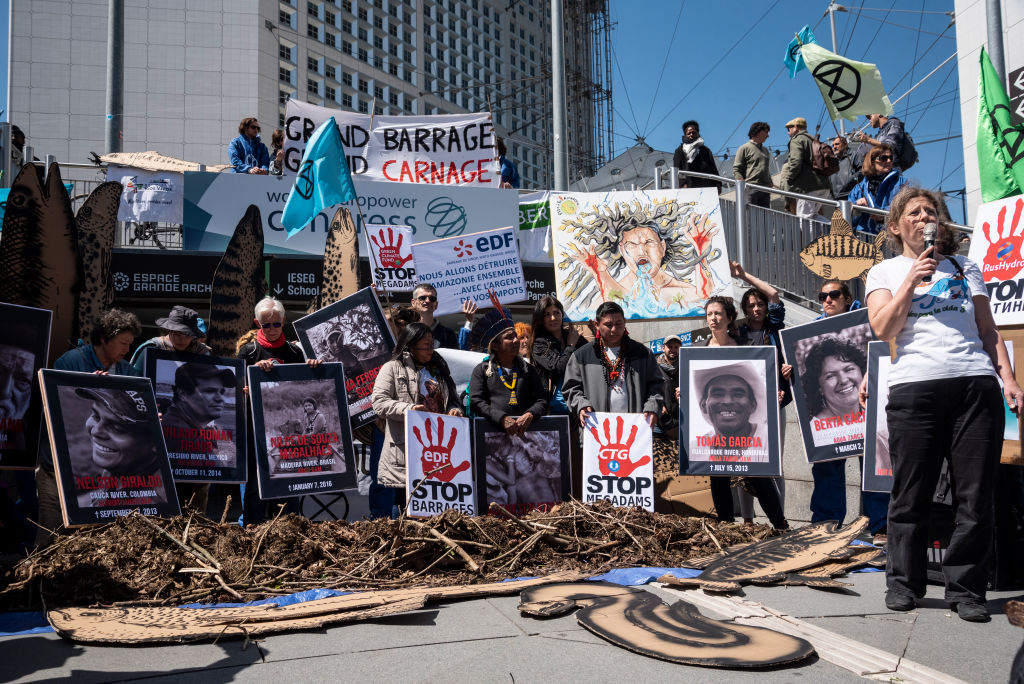
In London, the protests escalated as activists disrupted the stock exchange and super-glued themselves to the gates of Buckingham Palace, where Dr. Gail Bradbrook — molecular biophysics from the University of Manchester and co-founder of the movement — read a letter to the Queen:
“We have come to speak with you about the gravest of matters – the future existence of the realm and the lives of your subjects,” she read. “Ecological collapse is imminent … the biggest threat to our entire realm and way of life in 1000 years of our history. We … implore you .. to fulfil your sacred duty to protect the realm. If you do not protect us from these perils, the Social Contact between us shall be broken. It will become our sacred duty to rebel and replace our government with one which honours the first duty of any state: To protect its citizens … we are more serious about this than anything else in our lives.”
Facing Extinction
Even ten years ago, talk of human extinction and civilization collapse was only heard among a few concerned scientists and informed observers. That has swiftly changed. Swedish teenager Greta Thunberg, Ende Gelände in Germany, the US People’s Climate Movement, Extinction Rebellion, and other activists have now made “extinction” and “ecological collapse,” household words. As Thunberg said, addressing older generations, “We don’t want you to be hopeful. We want you to treat this as a crisis, which it is.”
Scientists and activists have been warning of a large scale ecological collapse and human population collapse, for decades. In 1972, when Greenpeace was still a fledgling, ad-hoc activist group, the Club of Rome published the “Limits to Growth” study that warned of the pending crisis. In 1992, the Union of Concerned Scientists issued a “World Scientists’ Warning to Humanity,” signed by 1,700 scientists, signalling “vast human misery” if we did not radically change society. Two years ago, they published a “Second Warning,” stating that the environmental challenges have not been addressed and “are getting far worse.”
In 2012, Nature published “Approaching a state shift in Earth’s biosphere,” by 22 international scientists, who concluded that an unprecedented human effort was necessary to avoid “a planetary-scale transition,” far beyond global heating. “Humans have not done anything really important to stave off the worst,” said Canadian biologist and co-author Arne Mooers; “My colleagues … are terrified.”
In February of this year, author and teacher Catherine Ingram wrote a long, stirring essay, “Facing Extinction,” discussing ways of dealing with the “dark knowledge” of our spiraling ecological predicament. Ingram details the threat of runaway global heating beyond human control, driven by methane releases and other feedbacks, potentially leading to a Hothouse Earth catastrophe. She recounts the biodiversity crisis, threats of mutating disease epidemics, food shortages aggravated by global heating and depleted soils, and the threat of multiple Fukushima-like nuclear meltdowns as social structures collapse due to resource decline and conflict.
For decades, environmentalists have attempted to remain positive, hopeful, and focused on solutions. The “dark knowledge,” however, weighs on our spirits. “Because the subject is so tragic,” writes Ingram, “this is not an essay I ever wanted to write; it is one I would have wanted to read along the way. … I offer no hope or solutions, only companionship and empathy .. What we now need to find is courage.”
Evolution: The cost of success
In “The Human Nature of Unsustainability,” Dr. William Rees, professor emeritus at the University of British Columbia, writes that with all other species, “Humans share two behavioral traits … that drive unsustainability: Unless or until constrained by negative feedback (disease, starvation, self-pollution) all species [1] Expand to occupy all accessible habitats. [And 2.] Use all available resources.”
Biologists will tell us that primates, including humans, are “K-strategists,” large, long-living, late-maturing mammals than include elephants and blue whales. The “K” stands for “Kapazitätsgren,” the carrying capacity of an ecosystem, which such mammals consume to the natural limit. “Given the intense competition for habitat and resources,” Rees points out, “natural selection favors those individuals who are most adept at satisfying their short-term selfish needs, whether by competitive or by cooperative means.”

Deep within our genetic code, we possess a short-term bias for immediate gratification, not necessarily for long-term restraint to avoid future threats. As a species, humanity has been successful, occupying every habitat on Earth. However, as Rees points out, “Success is now the problem.”
As all successful species do, we overshot the capacity of our habitat, in our case the entire Earth. Earth’s natural systems can no longer supply our demand for consumption or sinks for waste (such as CO2 and toxins). “Climate change,” says Rees, “is just one symptom of generalized human ecological dysfunction.” According to Rees, the fact that humanity is living beyond its ecological means is supported by “a virtual tsunami of evidence.” In February, at biodiversity conference in Dublin, Irish president Michael Higgins summed this up, saying, “If we were coal miners, we’d be up to our knees in dead canaries.”
Harvard psychologist Daniel Gilbert agrees with Rees’ analysis. Ingram points out in her essay that Gilbert attributes our short-sightedness to four evolutionary features of our brains: (1) We are social animals, who care more about what is going on around us than what dangers lurk in the future. (2) Our morals are immediate and sentimental, not prognostic. If global warming was killing kittens today, millions would be demanding change. (3) Our concerns are immediate: When most people hear about threats for 2100, they think “Whew, no problem.” And finally, (4) our sense apparatus focuses on immediate changes and threats. Scientists are trained to understand slow change over time, but for most people, slow change evades us.
Rees emphasizes that capitalist economics reinforces our short-term, selfish instincts by presuming endless growth on a finite planet. Many ecological economists have pointed out that such growth is a biophysical and thermodynamic impossibility.
Historic change
The youth movements, exemplified now by Extinction Rebellion, Greta Thunberg, and others, offer the potential for a deep change in our evolutionary programming. We are not prisoners or victims of our genetics. We can transcend both our biological and cultural programming. To survive, we must.
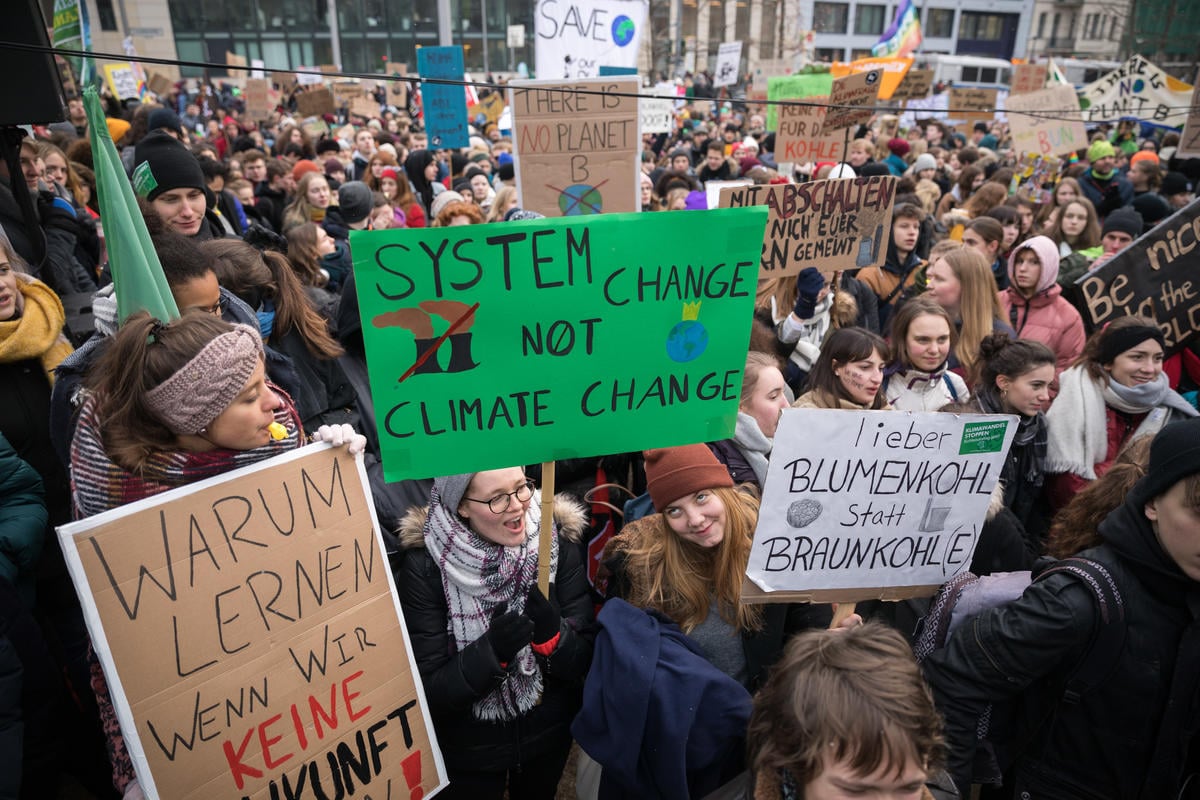
In the 1970s, in the early years of Greenpeace and other new ecology movements, we thought that the ecological change would be simple, that once people understood the threats, they would demand change. We probably underestimated the challenge of overcoming our deep, evolutionary bias for short-term thinking. We may have underestimated the status quo — corporate elite, bankers, politicians, and even common citizens dependent upon the economic system — attachment to the old patterns of consumption and growth.
The new social movements are blowing up these social logjams. The timeline of catastrophe has grown too short. People now feel the threat to their own lives, and appear willing to sacrifice for long-term survival. This is the essential evolutionary change that must occur for humanity to reverse climate change and general ecological collapse. Anger, resentment, or depression are natural, but won’t solve the crisis. It is time to overhaul human society.
One of the strengths of 1960s social rebellion was a union of art and politics. That spirit appears to be flowering again. After two weeks of occupying an urban square at Marble Arch in London, activists awoke on April 26 to find an image, apparently by renowned graffiti artist Banksy, stencilled on a concrete wall where they camped. A young girl is planting a flower that takes the shape of the Extinction Rebellion symbol. The text declares: “From this moment, despair ends and tactics begin.”
References and Links
“Facing Extinction,” by Catherine Ingram, catherineingram.com ..
“Why it’s time to think about human extinction,” Dr. David Suzuki interview with Kerwin Rae, Dec 16, 2018.
“UK Parliament First in World to Declare Climate Emergency, Olivia Rosane, EcoWatch, May 2, 2019
Extinction Rebellion message to the Queen, Rebellion.earth, November 24, 2018
Irish president Michael Higgins biodiversity conference, justmultimedia
Clive Hamilton, Climate Change Authority of Australia, Earth Masters: The Dawn of the Age of Climate Engineering.
Greenpeace report on carbon capture, sequestering, and storage.
Jem Bendell Deep Adaptation: A Map for Navigating Climate Strategy.
Living Planet Index 2018, WWF
“Michael Gove admits need for urgent action,” Fiona Harvey, Guardian, April 30,2019
“Extinction Rebellion and Momentum join forces on climate crisis,” Guardian, April 29, 2019
“The Extinction Rebellion scorecard,”: Matthew Taylor, 25 Apr 2019 Guardian
“A climate change-fueled switch away from fossil fuels means the worldwide economy will fundamentally need to change,” Nafeez Ahmed, Insurge Intelligence, 2018
Democracy Now interview with George Monbiot on U.K. Climate Emergency, “The Need for Rebellion to Prevent Ecological Apocalypse,” Democracy Now, May 2, 2019
“Only rebellion will prevent an ecological apocalypse.” George Monbiot, The Guardian, 15 April, 2019.