
All articles
-
Six ways the war on Iran exposed the real cost of plastics
The war on Iran exposed plastics’ dependence on volatile fossil fuel supply chains, driving up costs for everyday goods. A strong Global Plastics Treaty can help build a more stable, resilient future.
-
Multilateralism is alive: How global cooperation can help save us from plastic pollution and the climate crisis
Climate change and plastic pollution may look like separate issues. But they are, in fact, two sides of the same crisis.
-
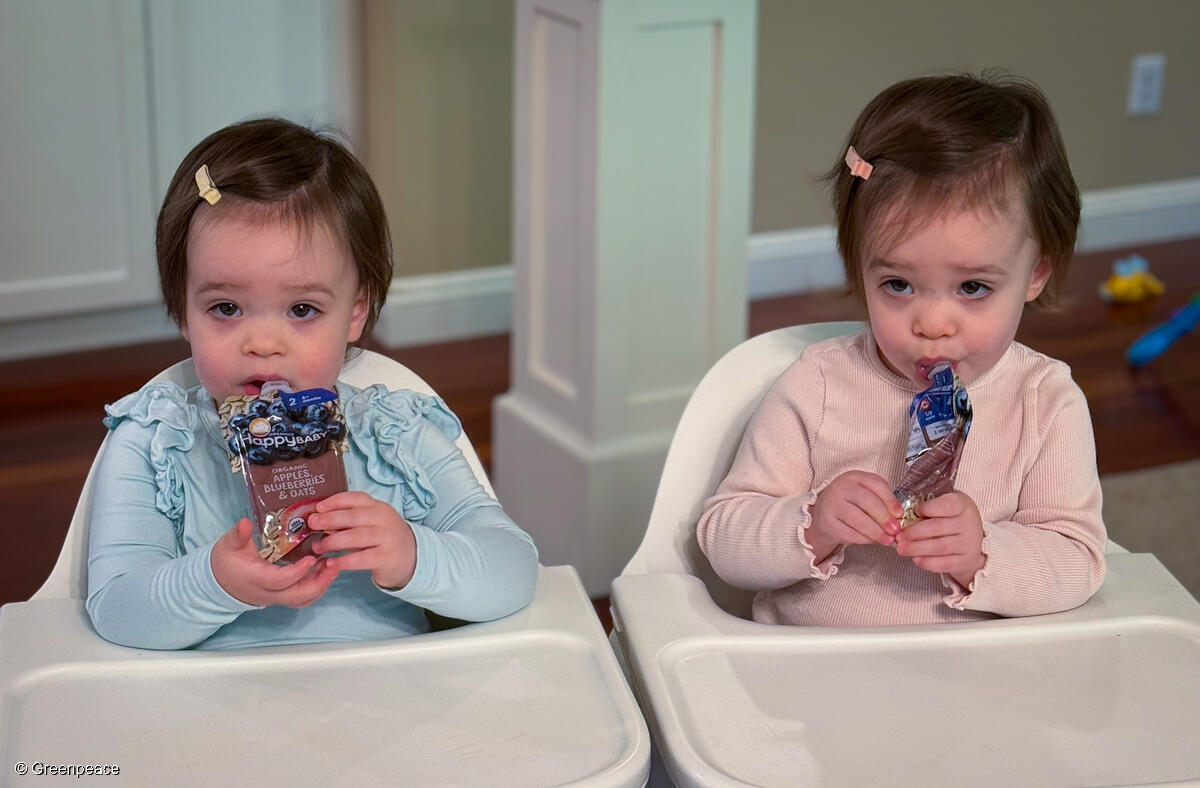
Babies, plastic pouches and microplastics: what parents should know about Nestlé and Danone’s baby food
A new Greenpeace International report presents evidence suggesting that Nestle’s Gerber brand and Danone’s Happy Baby Organics brand plastic pouches release microplastics and chemicals into baby food, and calls for plastic-free, safe options and a strong Global Plastics Treaty.
-
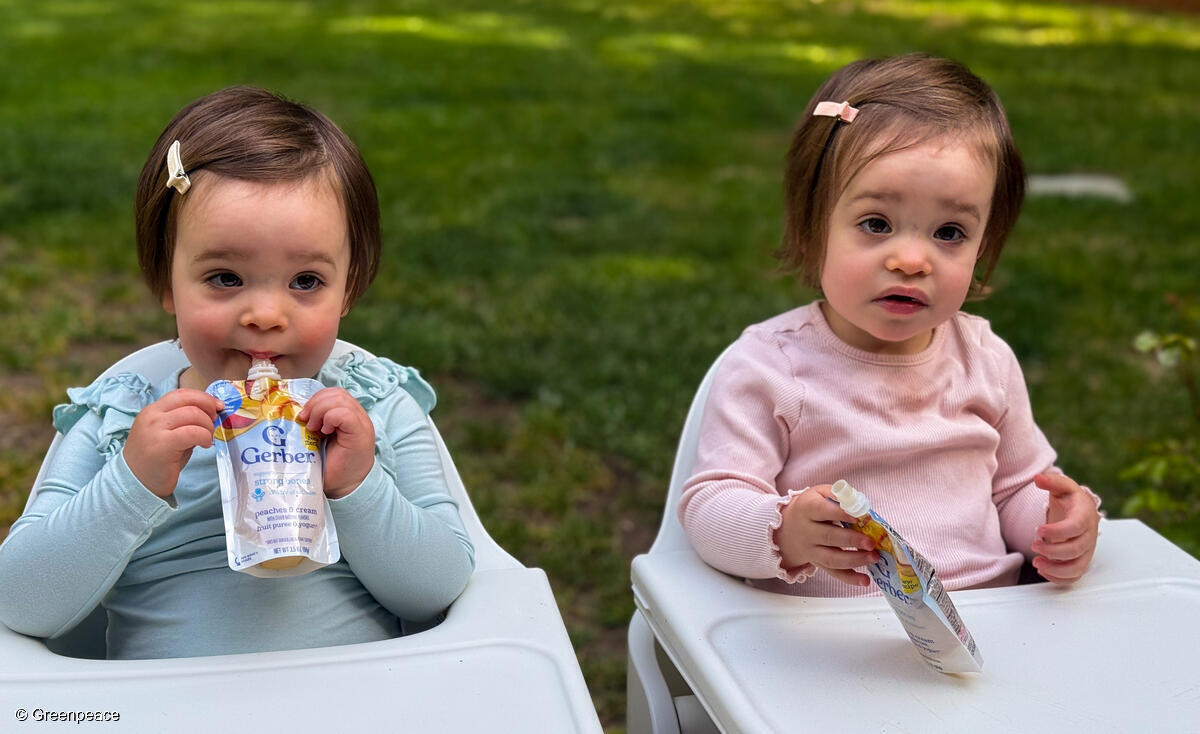
Greenpeace study finds microplastics in Nestlé, Danone baby food sold in plastic pouches, raising alarm for millions of babies
New research commissioned by Greenpeace International has found microplastics in baby food sold in plastic pouches by two of the world’s largest food companies, Nestlé and Danone.
-
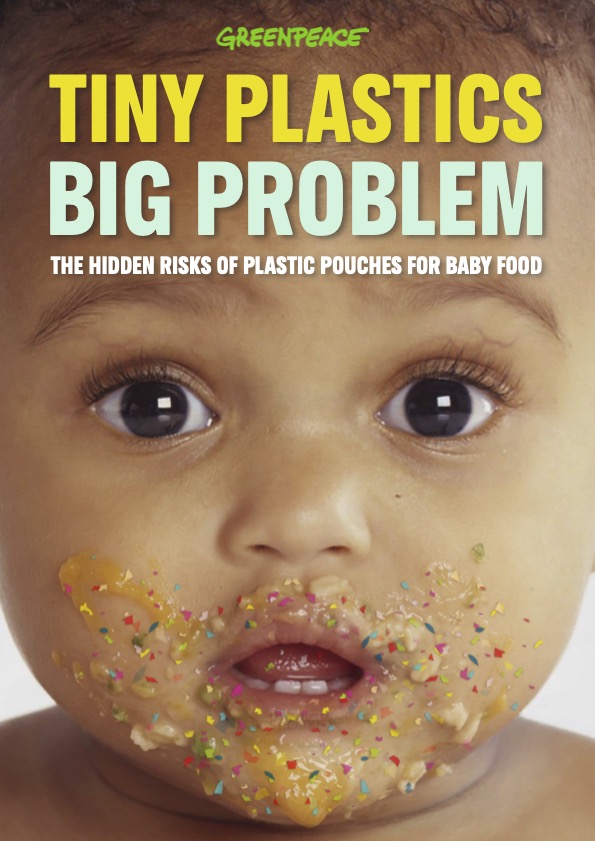
Tiny Plastics, Big Problem
Testing commissioned by Greenpeace International in 2025 found plastic particles in the baby food products of two global consumer goods companies - Danone and Nestlé.
-
How the war on Iran exposes the link between fossil fuels, plastics, and price shocks
The US-Israel war on Iran is a human and environmental crisis, but it also exposes how deeply plastics depend on fossil fuels. As oil and petrochemical supply chains are disrupted, prices rise and corporations push more extraction, making the case for reuse, renewables and a strong Global Plastics Treaty even clearer.
-
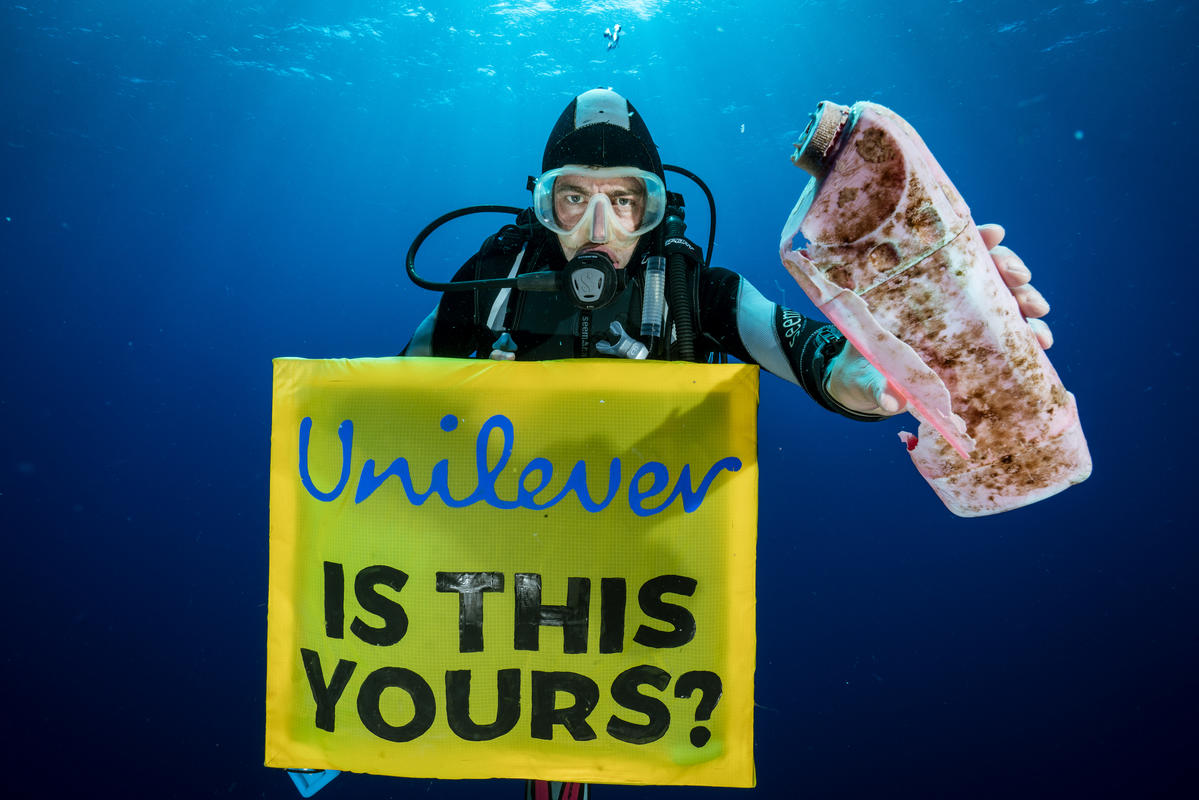
5 Big Takeaways from Unilever’s 2025 Annual Report
Is Unilever driving industry transformation or putting profit over people and planet? We’ve unpacked their report in these key takeaways.
-
Greenpeace reaction to the Unilever Annual Report 2025
Greenpeace comment on Unilever Annual Report and Accounts 2025 on progress on packaging sustainability.
-
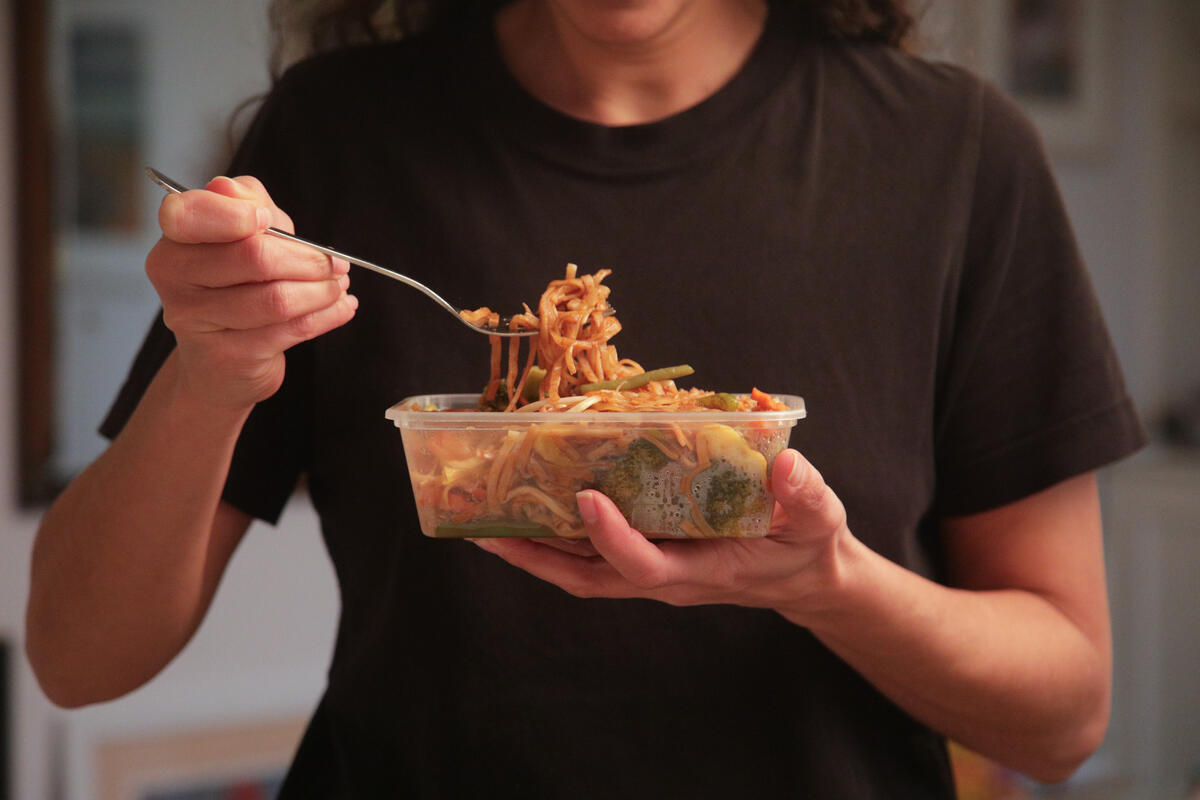
Reheating plastic food containers: what science says about microplastics and chemicals in ready meals
How often do you eat takeaway food? What about pre-prepared ready meals? Or maybe just microwaving some leftovers you had in the fridge? In any of these cases, there’s a pretty good chance the container was made out of plastic. Considering that they can be an extremely affordable option, are there any potential downsides we…
-
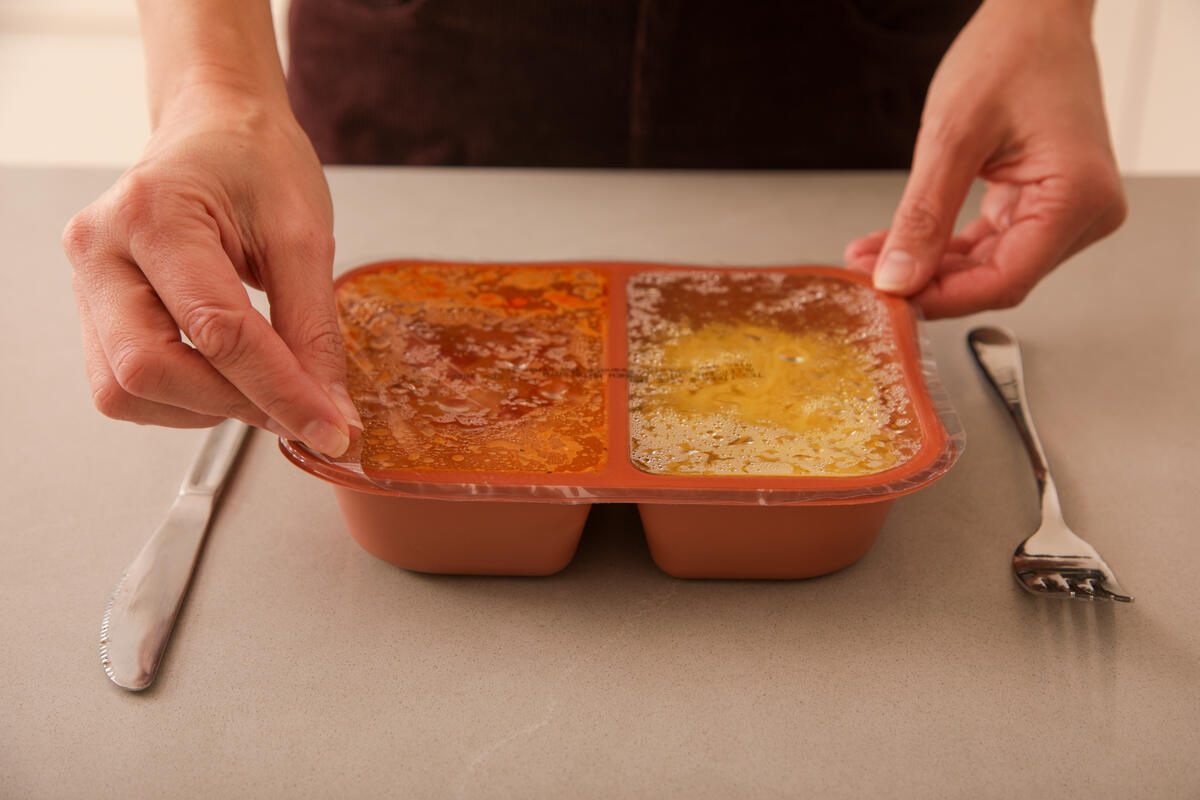
“Are We Cooked?”: New Greenpeace report warns of ready meals flooded with microplastics and toxic chemicals
Consumers worldwide are being misled by “microwave-safe” labels while regulators turn a blind eye, as plastics production surges and health risks mount.