Every day, the plastic pollution crisis worsens, especially in countries flooded with single-use sachets pushed by fast-moving consumer goods companies. But while the crisis grows, communities in Manila, Philippines are proving that a different future is not only possible but already operational. Reuse at scale isn’t a distant ambition. It’s happening right now, despite the companies still profiting from the status quo.
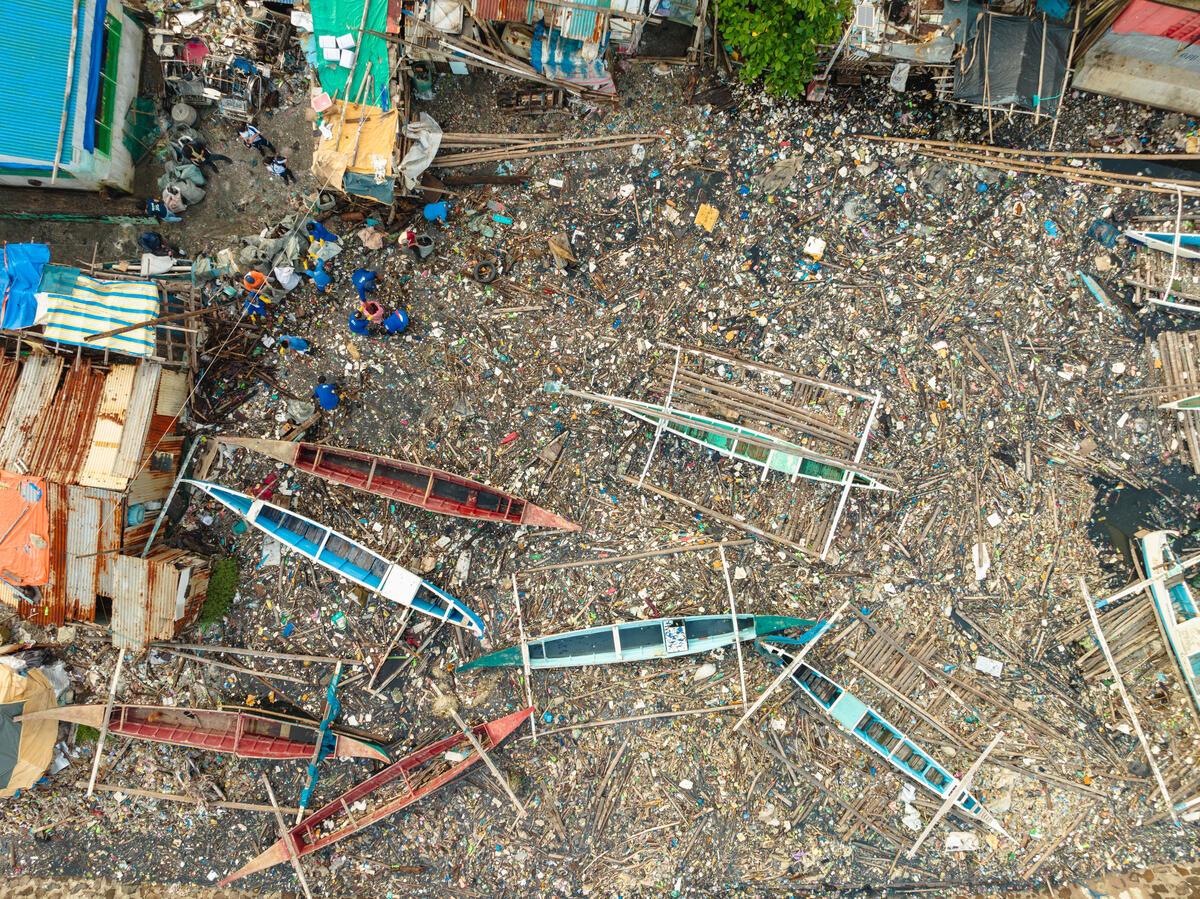
The Problem: Sachet Pollution Is a System Choice
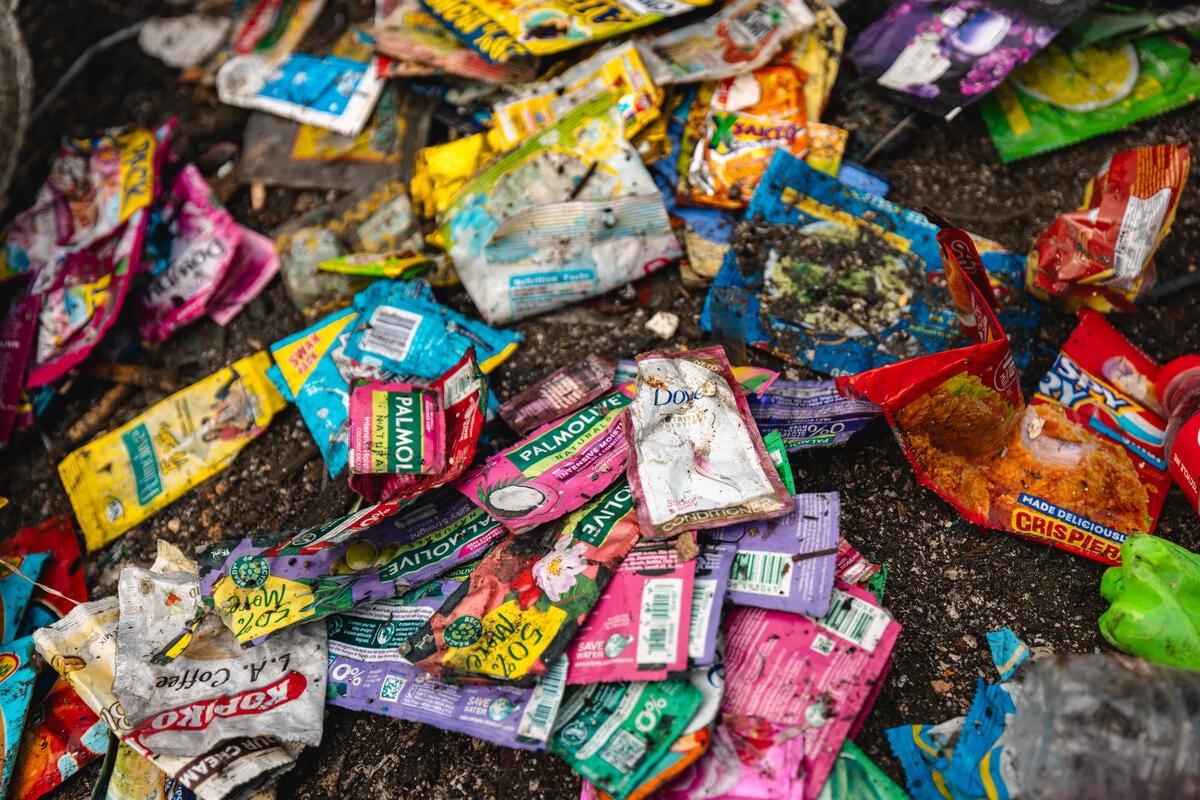
The plastics crisis didn’t arrive by accident. Sachets were designed, marketed, and aggressively expanded by multinationals like Unilever as a way to sell small volumes at huge margins. It’s a system built for profit, not sustainability.
Unilever alone sells an estimated 53 billion plastic sachets every year. That’s 1,700 pieces of single-use plastic every second, pushed into countries whose waste systems cannot handle them.
Sachets persist not because people love them, but because companies refuse to provide alternatives. That deliberate choice has consequences: mountains of waste, blocked waterways, toxic burning, and a rubbish system overwhelmed by volume.
Reuse is a system-wide solution to the sachet problem and communities in the Philippines are already showing how.
The Proof: Reuse in Action in Metro Manila
What the project is
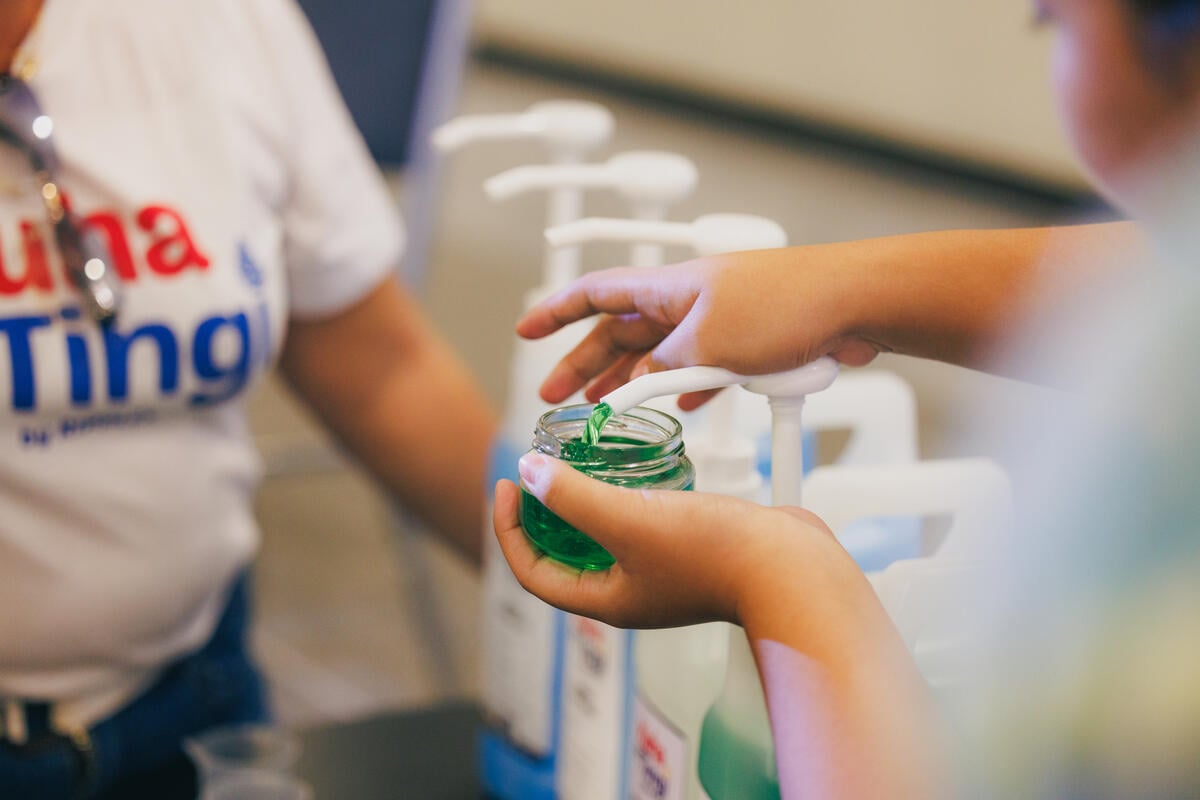
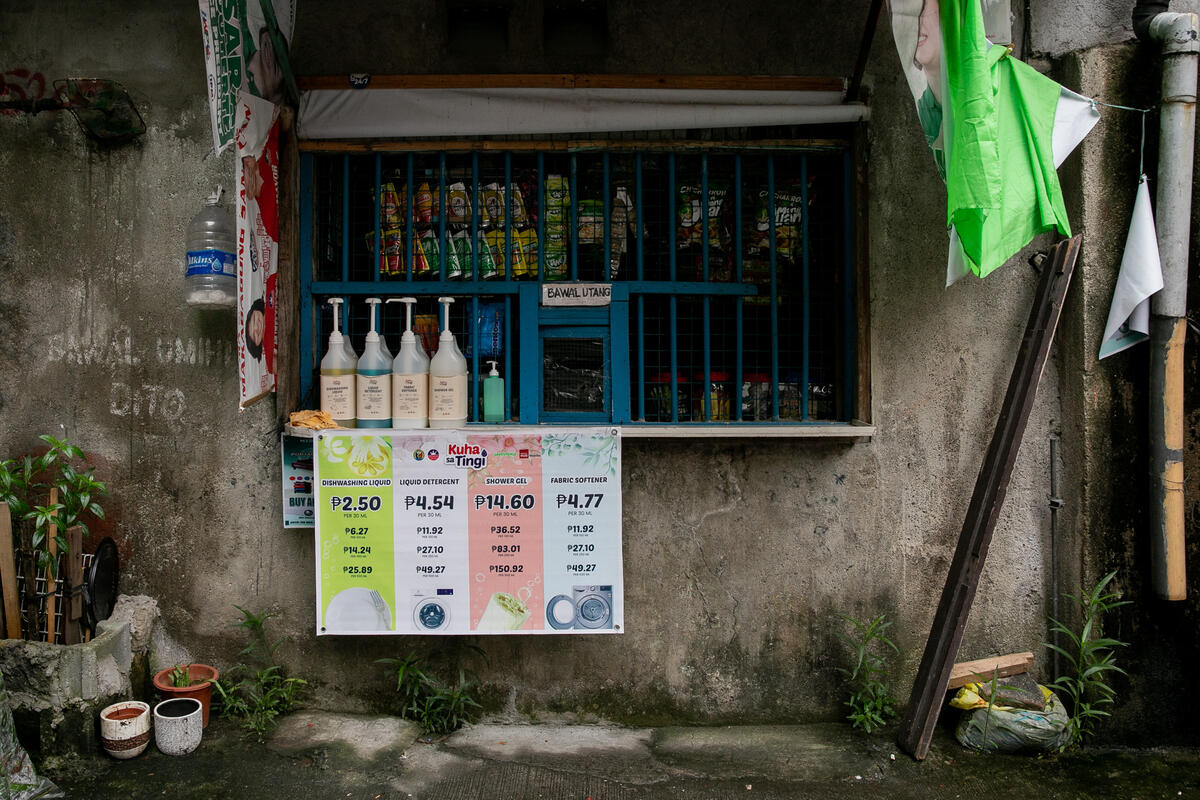
The Kuha sa Tingi initiative, built by Greenpeace Philippines with local governments and community partners, transforms neighbourhood sari-sari stores into refill hubs for everyday items like dishwashing liquid, detergent, and shampoo, eliminating the need for single-use sachets.
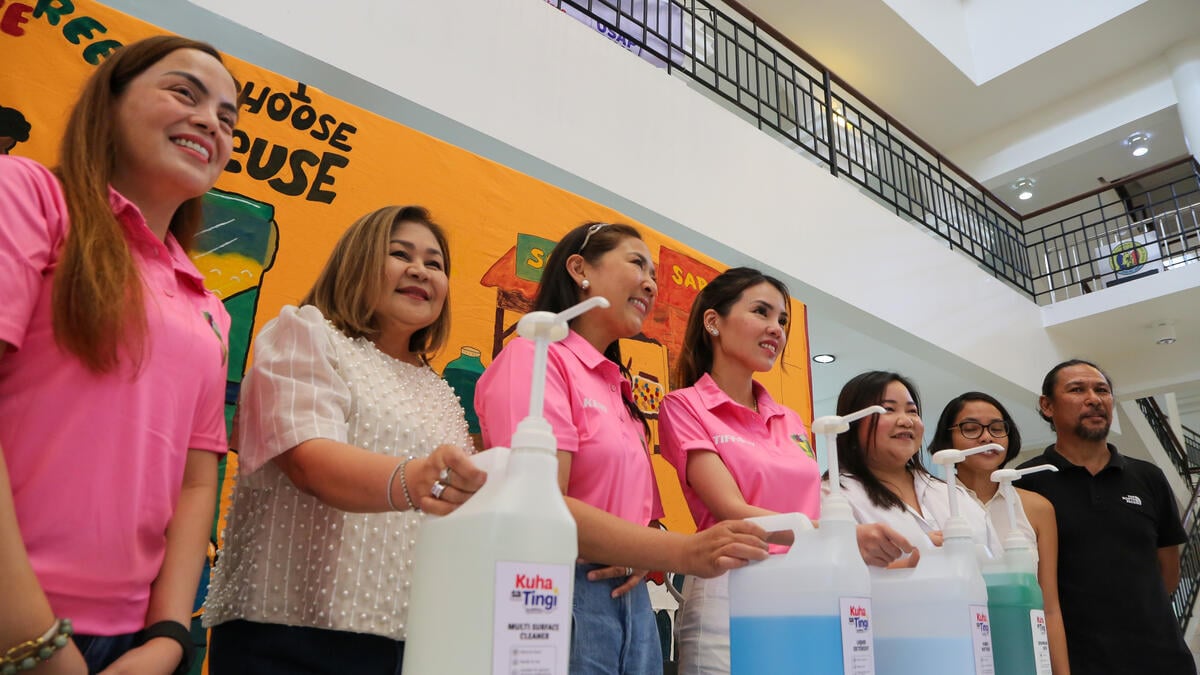
The Philippines uses an estimated 164 million sachets daily. Kuha sa Tingi offers a scalable alternative. Beginning in Quezon City and San Juan City, it is now expanding across the region through new partnerships.
Key outcomes
- 1,000+ sari-sari stores (small-scale neighborhood stores) engaged in Quezon City
- 47,000 sachets avoided in 8 weeks
- Up to 201% cost savings for consumers
- Higher store profitability
- Formal commitment to scale reuse across Metro Manila via the Metro Manila Mayors’ Spouses Foundation (MMMSF)
In Quezon City and San Juan City, these neighbourhood stores are quietly reshaping how everyday goods are sold. Kuha sa Tingi and enterprises across Asia and Africa are proving that reuse can outperform sachets economically, socially, and environmentally.
Why this matters for Unilever
This is the environment Unilever claims requires sachets for affordability and access. Yet the success of Kuha sa Tingi proves that argument is outdated and indefensible.
If sari-sari stores can run refill systems that benefit consumers and businesses alike, what excuse does a global corporation with Unilever’s resources have?
Reuse works in emerging markets, in dense urban settings, and in communities long targeted with sachet-heavy marketing. The only place it ‘doesn’t work’, it seems, is inside boardrooms clinging to a profitable but destructive model.
The Opportunity for Unilever
Unilever has the influence, distribution power and capital to make reuse mainstream. These models are ready for corporate investment.
A shift to reuse would:
- Future-proof the company ahead of Global Plastics Treaty regulations
- Deliver cost savings to customers and stability to local retailers
- Show real leadership, not PR-driven promises
- Reduce risk as scrutiny of single-use plastic intensifies
Yet Unilever continues pushing billions of sachets into the market while community-led solutions flourish. That’s more than a missed opportunity – it’s an active choice to sustain harm. No company can claim sustainability leadership while driving one of the world’s most polluting packaging formats.
Unilever Must Join the Movement
Cities, communities, consumers and small businesses are moving reuse forward. What’s missing is the commitment from the companies driving the sachet problem to phase out sachets and phase in reuse models.
Unilever should be:
- Funding and scaling existing refill hubs
- Supporting sari-sari store conversion across Metro Manila
- Redesigning products away from disposable packaging
- Aligning business strategy with a genuine reuse transition
- Reducing its reliance on plastic across its entire business
- Supporting policy that will level the playing field, driving a sector-wide transition
Innovation is not the limiting factor here. Corporate will is.
It’s time for Unilever to join it – and time to leave the sachet era behind.
Anna Diski is a Senior Campaigner from Greenpeace UK. Sarah King is a Senior Strategist for the Plastic Free Future campaign from Greenpeace Canada.