
News & Stories
Filter posts
Filtered results
-

Greenpeace exposes Amazon Cloud’s toxic partnerships and demands an end to Big Tech’s impunity
A new Greenpeace Germany study, Amazon’s Toxic Web Services, reveals that the world’s largest cloud provider acts as a critical technological backbone for climate chaos, human rights violations, or attacks on democratic institutions.
-

Iran war energy shock: 5 reasons renewables are ready to protect people from fossil fuel price spikes
Trump and Netanyahu’s war on Iran is driving up oil and gas prices and deepening the cost of living crisis, but this time the world has a way out. Renewables are already cheaper, faster to build and more stable than fossil fuels, and clean, homegrown energy can shield billions of people from future price shocks.
-
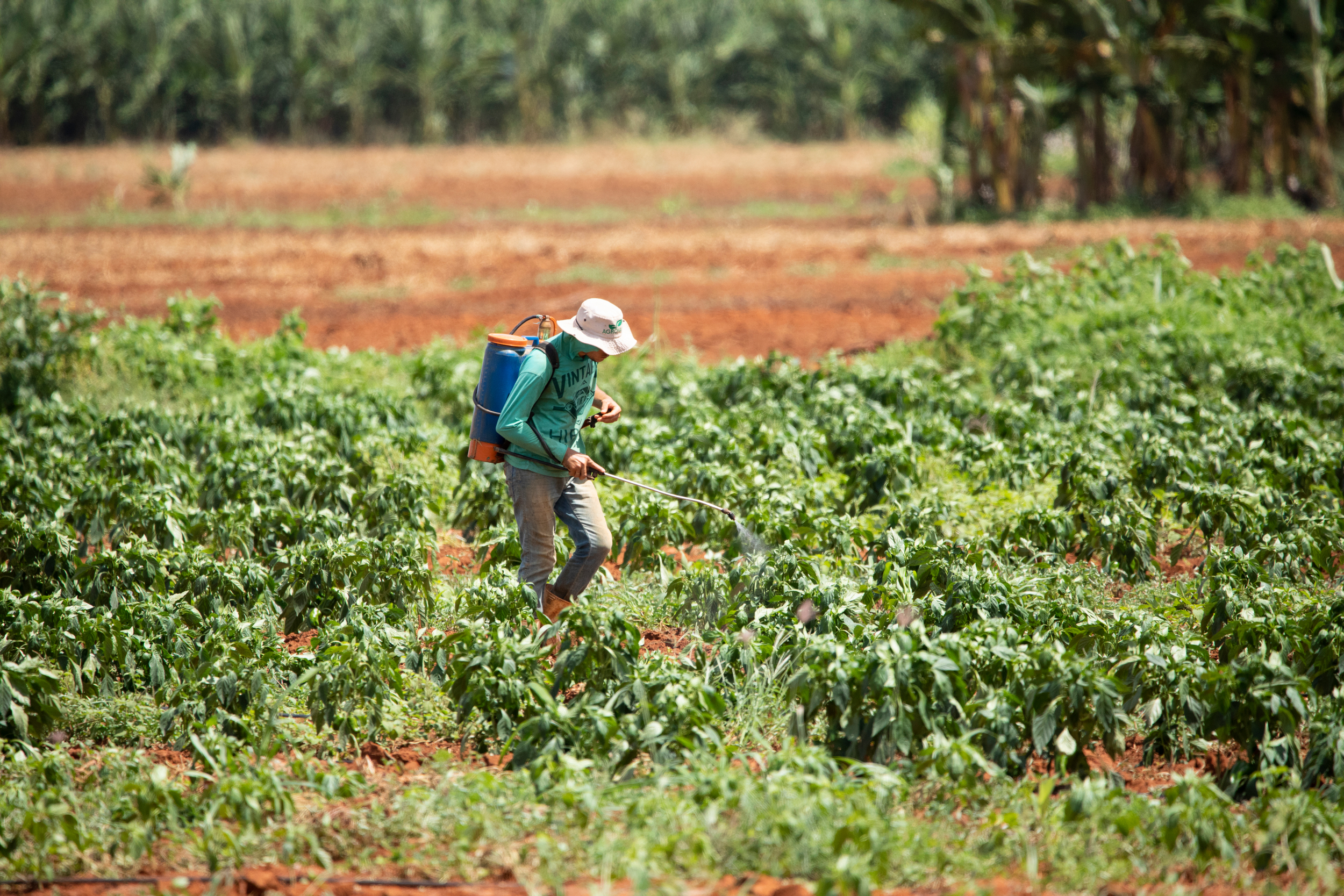
Greenpeace reacts as fertilizer firms report soaring profits from Iran war supply crisis
Greenpeace International reacts to the news that fertiliser producers have made windfall profits off the back of the war in the Middle East.
-
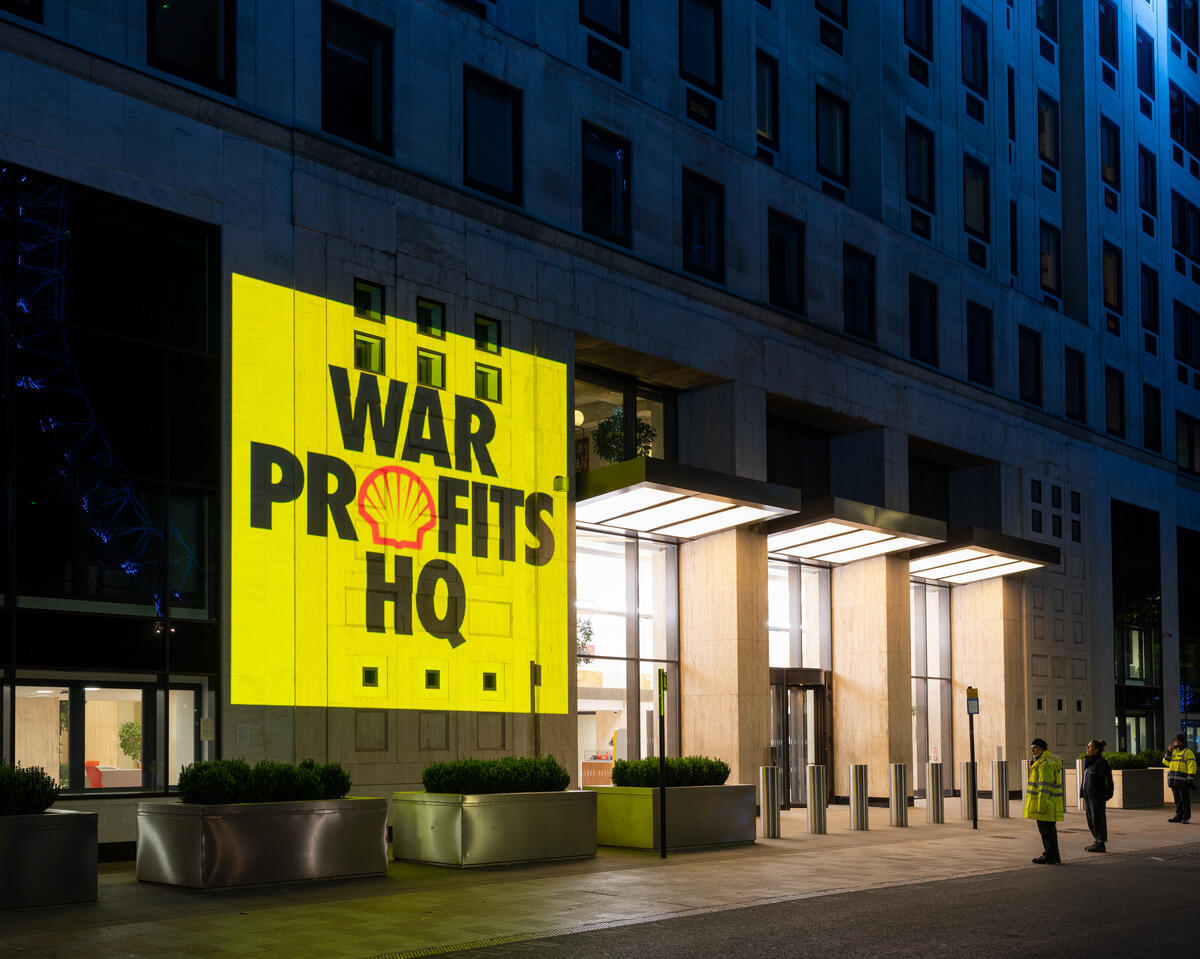
War on Iran delivers another bonanza for oil giants while families foot the bill
Shell made a US$6.9 billion first quarter profit, more than double last quarter’s, as the US-Israeli war on Iran drives oil prices above US$100 a barrel.
-
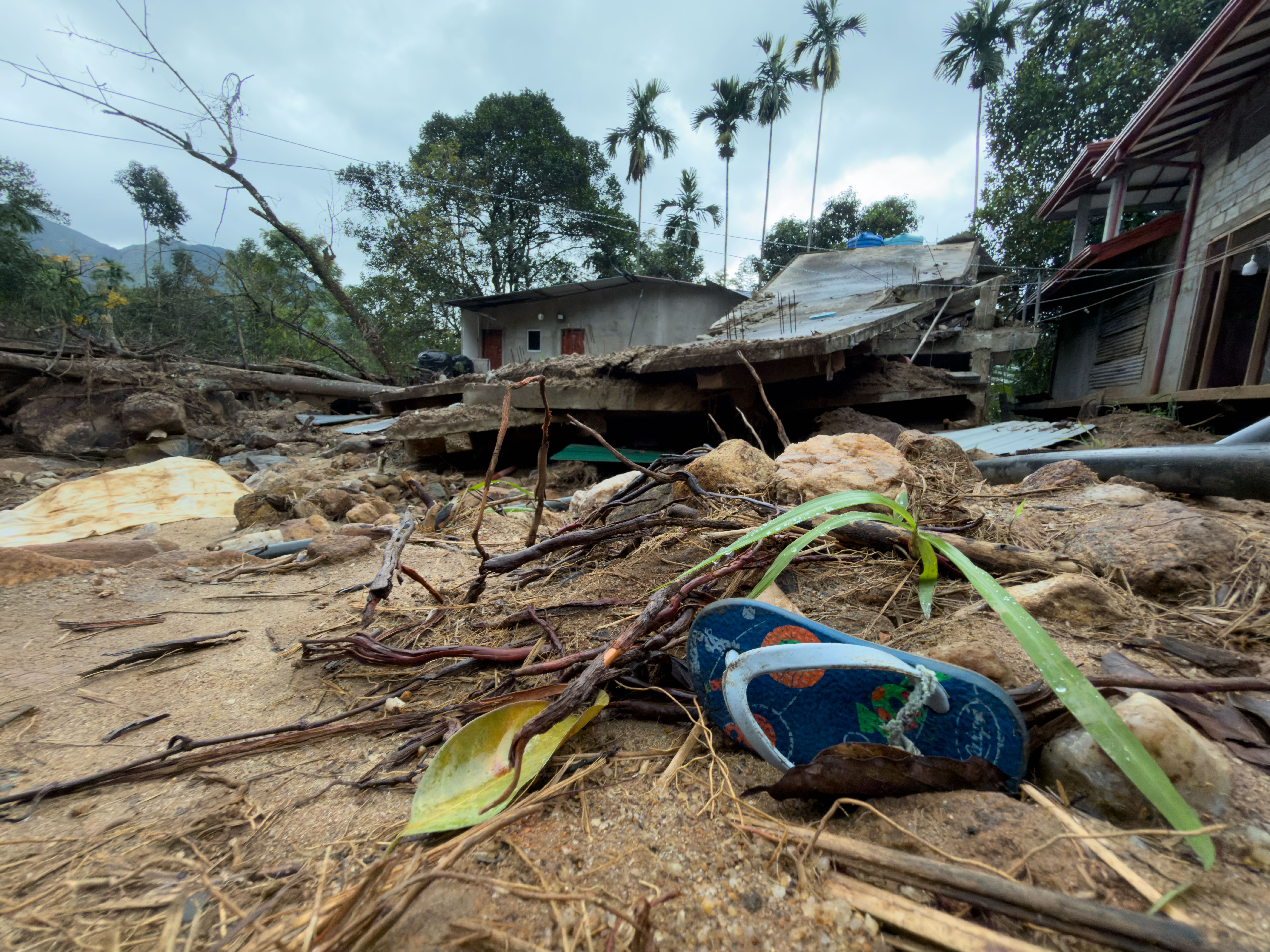
From crisis to collective: Turning cyclone Ditwah into a call for climate accountability
More than 600 people lost their lives. Over 300,000 were displaced. Homes, fishing boats, crops, and coastal ecosystems were destroyed. The damage crossed USD $4 billion dollars and entire communities had to rebuild from the ground up.
-
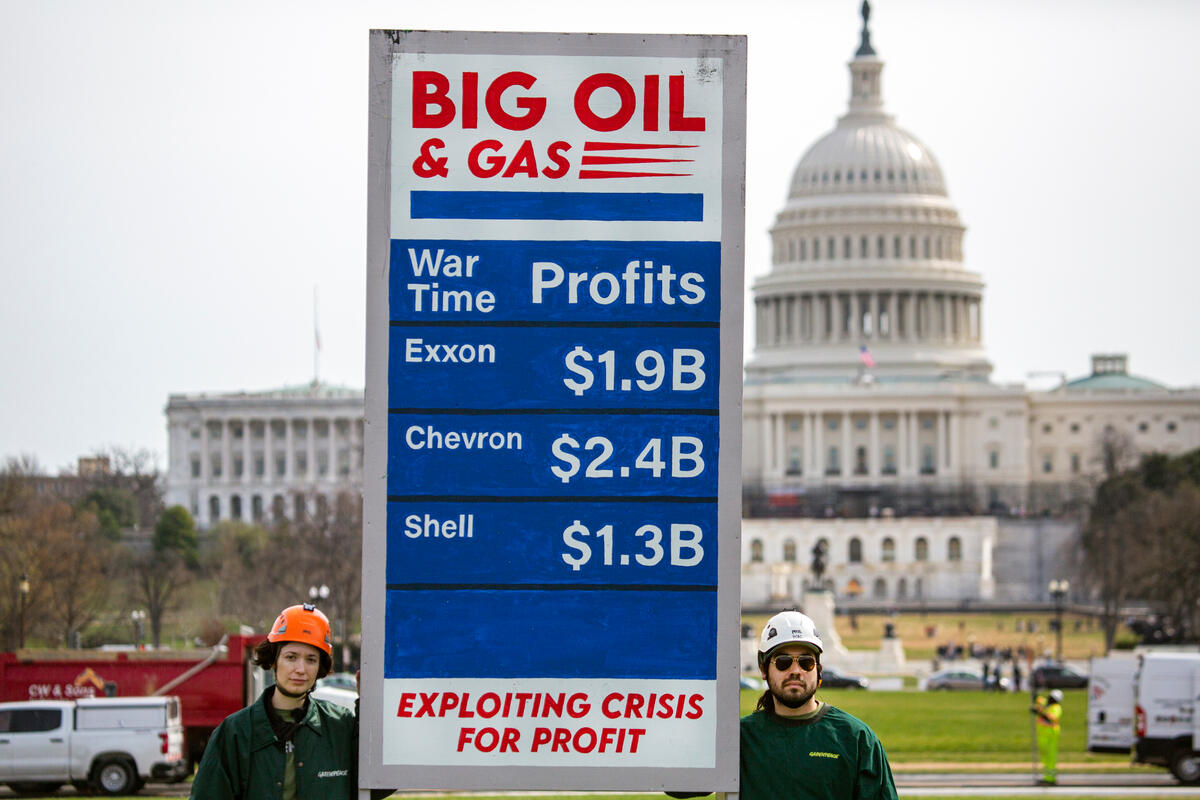
From Ukraine to Iran: how the fossil fuel war playbook makes people pay for crisis
The US and Israel’s war on Iran is not only a human tragedy. It is also a textbook example of the fossil fuel industry’s war playbook, turning oil and gas chaos into record profits while people face higher bills. Governments can either keep playing along, or break the cycle with renewables and justice‑based solutions.
-
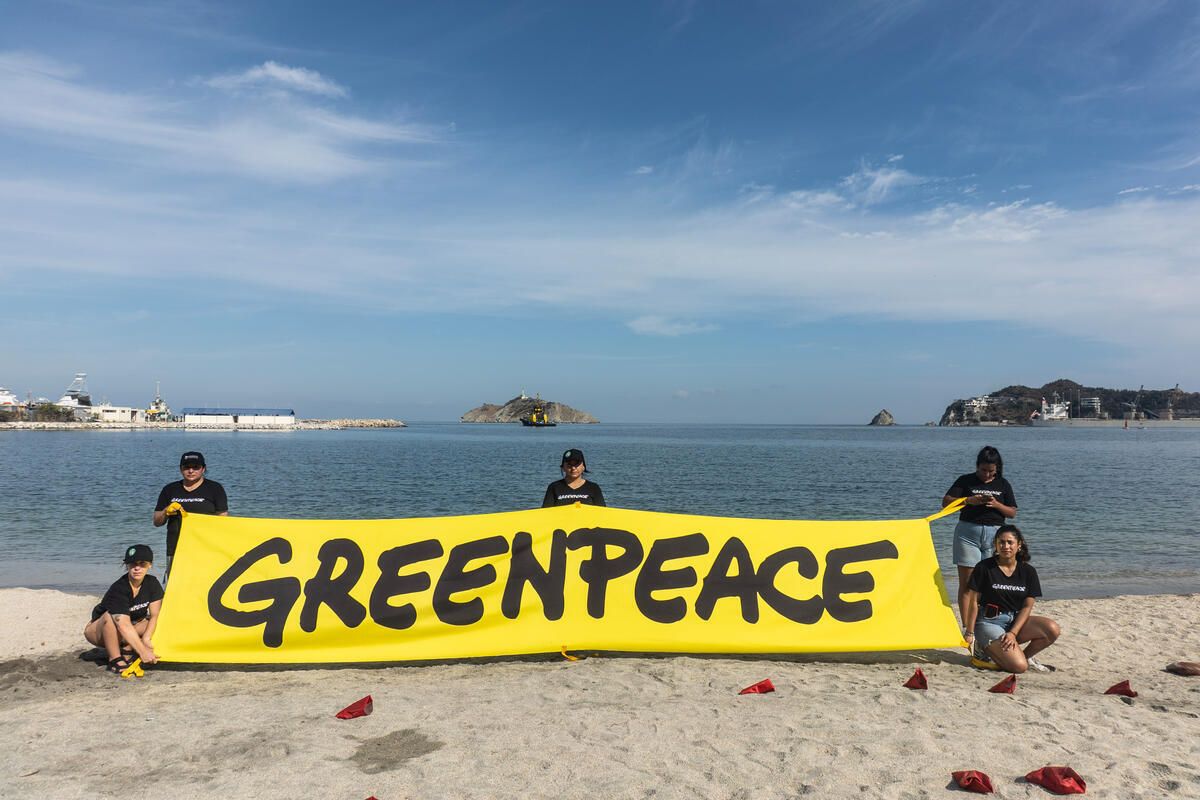
Santa Marta conference to end fossil fuels a landmark moment for climate and energy stability
The landmark Santa Marta conference for the transition away from fossil fuels represents an important milestone on the road to long-term climate and and energy stability.
-
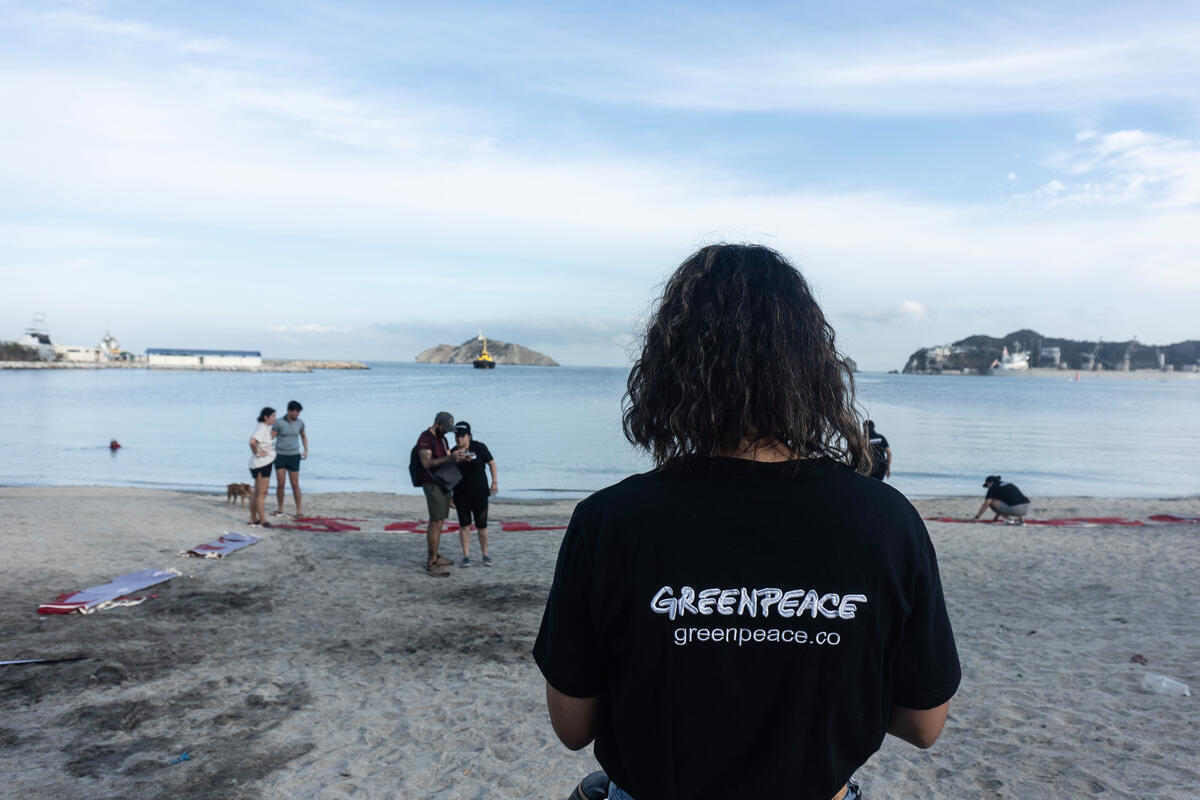
The Santa Marta Fossil Fuels Conference reminded me why we do this
Greenpeace Colombia campaigner reflects on experience at First International Conference on Transitioning Away From Fossil Fuels in Santa Marta, Colombia.
-
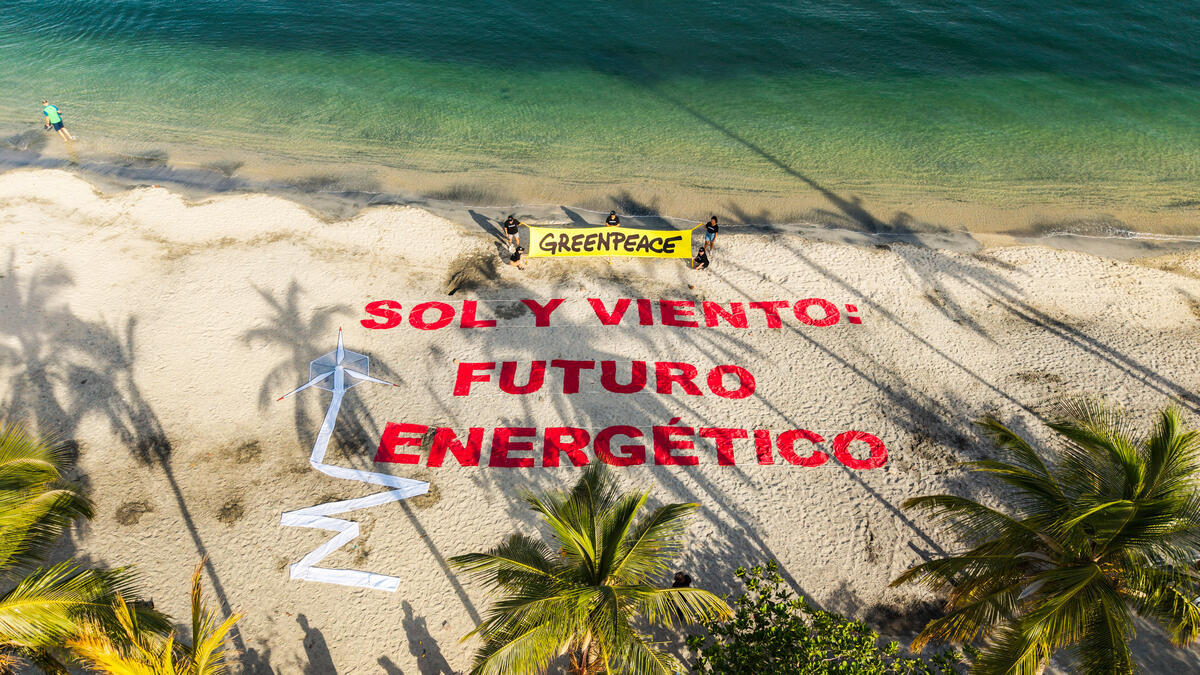
Global energy crisis front and centre at Santa Marta conference to end fossil fuels
Greenpeace is urging governments attending the Santa Marta conference to seize the current energy supply crisis.
-
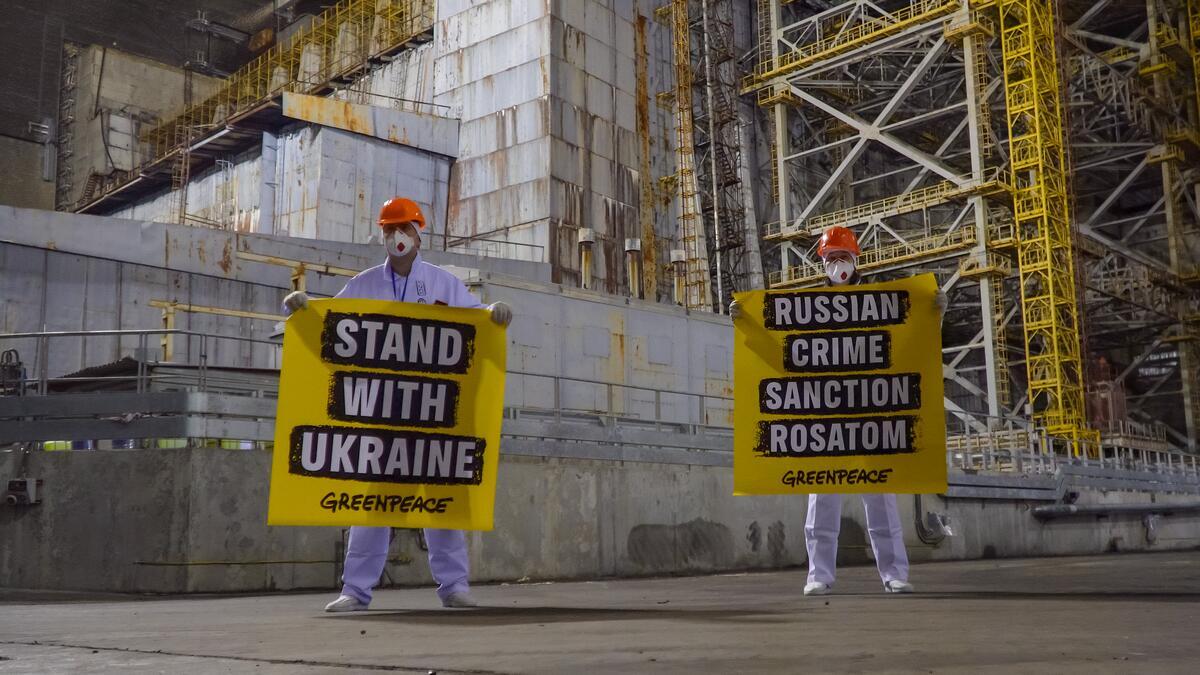
Greenpeace warns: 40 years after Chornobyl accident, war exposes ongoing risks of nuclear power
40 years after the Chornobyl disaster spread radioactive contamination across Europe, the risks it exposed have evolved in a world shaped by war, geopolitical tension and more frequent extreme weather.