
News & Stories
Filter posts
Filtered results
-
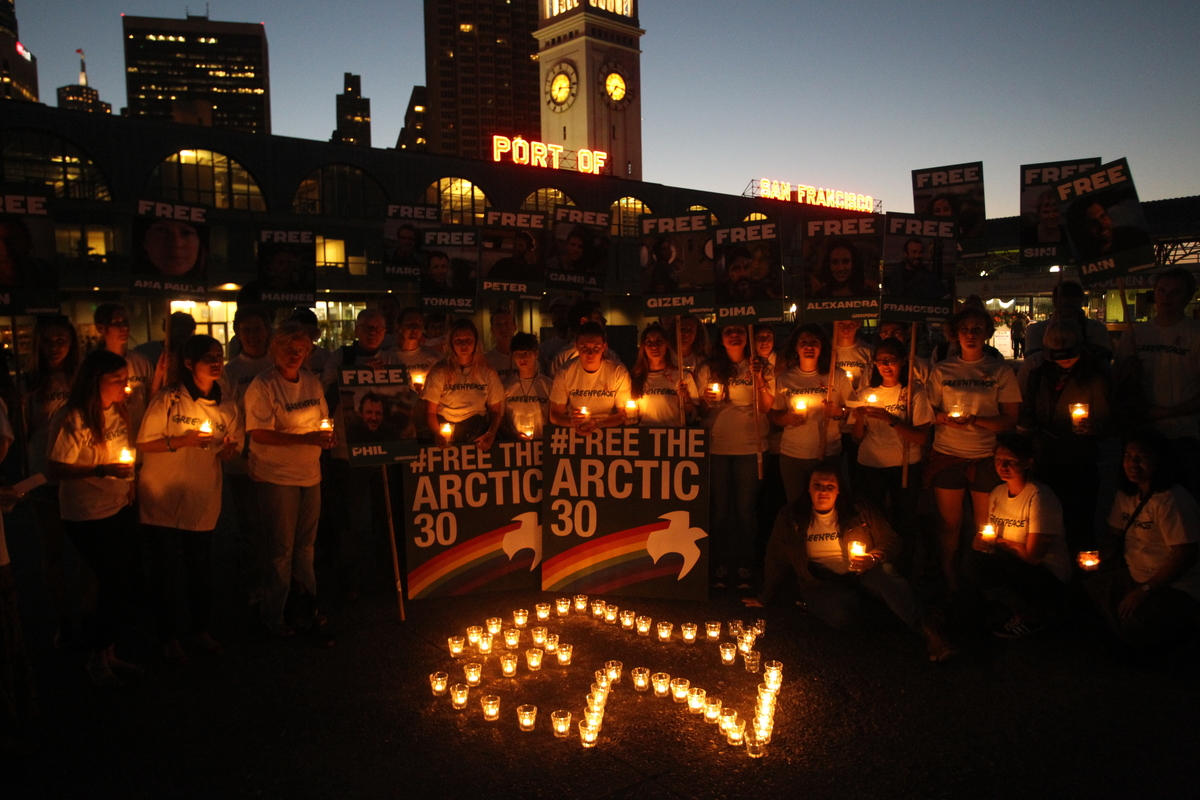
Murmansk court rejects appeal over arrest of ship Arctic Sunrise
Amsterdam, 21 November 2013 – The Murmansk Regional Court has today rejected an appeal against the arrest of the ship Arctic Sunrise by Russian authorities.
-
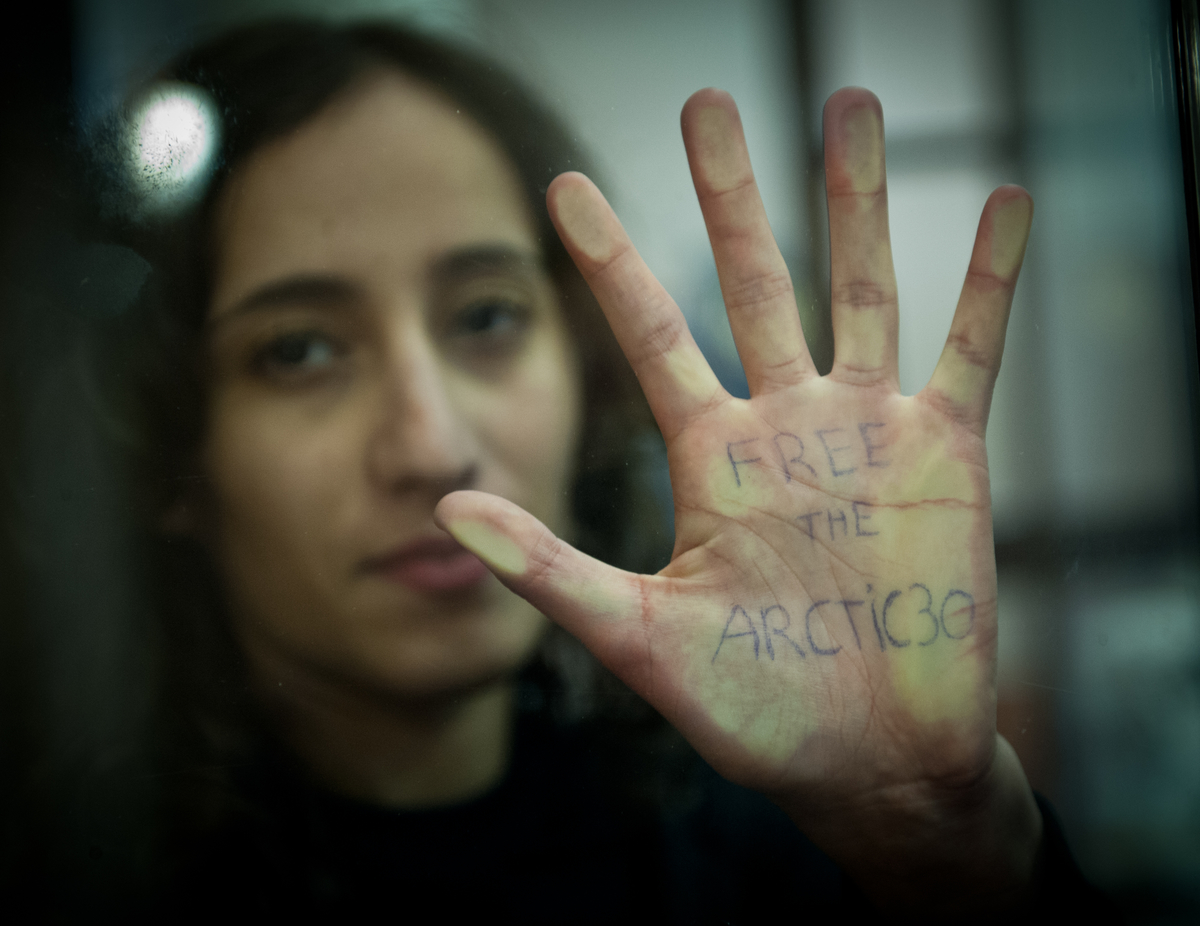
Gazprom vs. Greenpeace Arctic 30
Historically, overreaction by authorities — violence, arrests, jail — galvanises social movements, empowers individuals and strengthens organizations.
-
Golden Illusion
GE 'Golden' rice is a genetically engineered (GE, also called genetically modified, GM) rice variety developed by the biotech industry to produce pro-vitamin A (beta-carotene). Proponents portray GE 'Golden' rice as a technical, quick-fix solution to Vitamin A deficiency (VAD), a health problem in many developing countries.
-
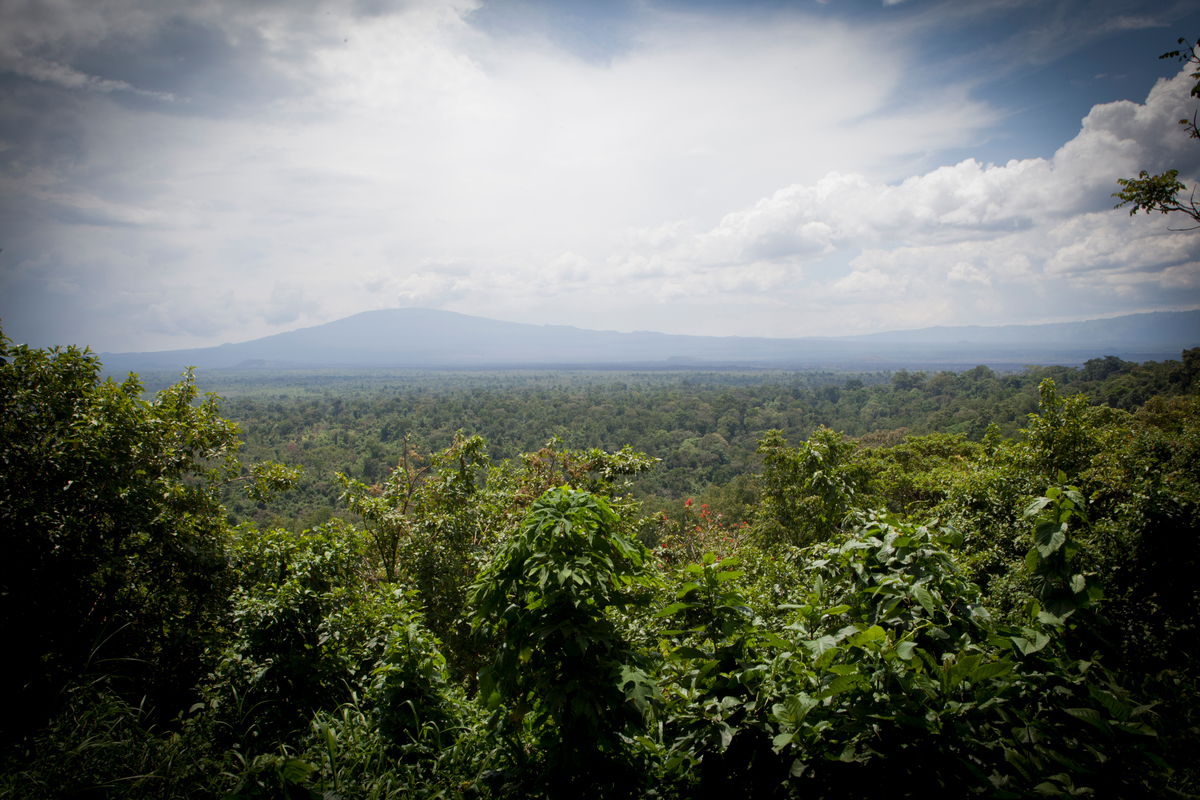
Cutting to the truth on Congo Basin deforestation
The Congo Basin is home to the second largest tropical rain-forested area on earth. New research publicised this week suggests that the rate of deforestation in the region is actually slowing.
-
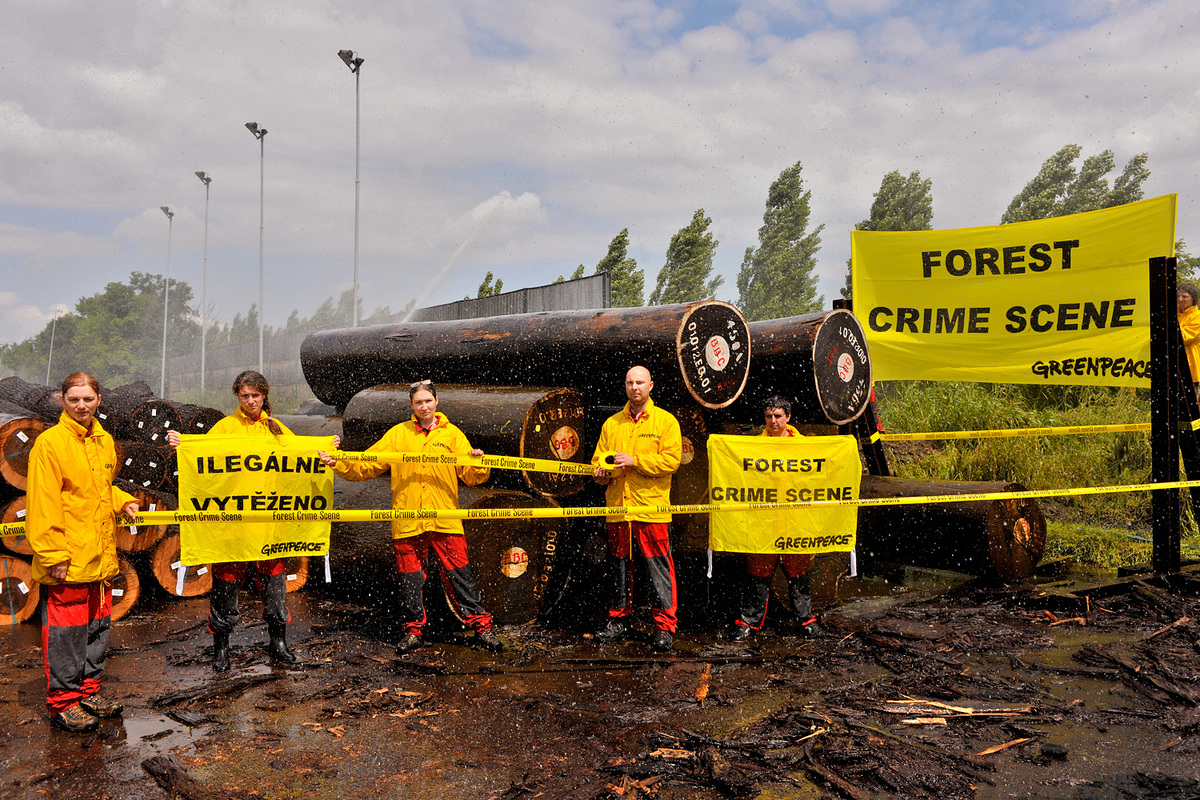
The lengths illegal wood will travel
Look around and check if you see any wood surfacing. It might be a cupboard in your kitchen, your chair, or the desk you are reading this on. Then chances are you see tropical veneer.
-
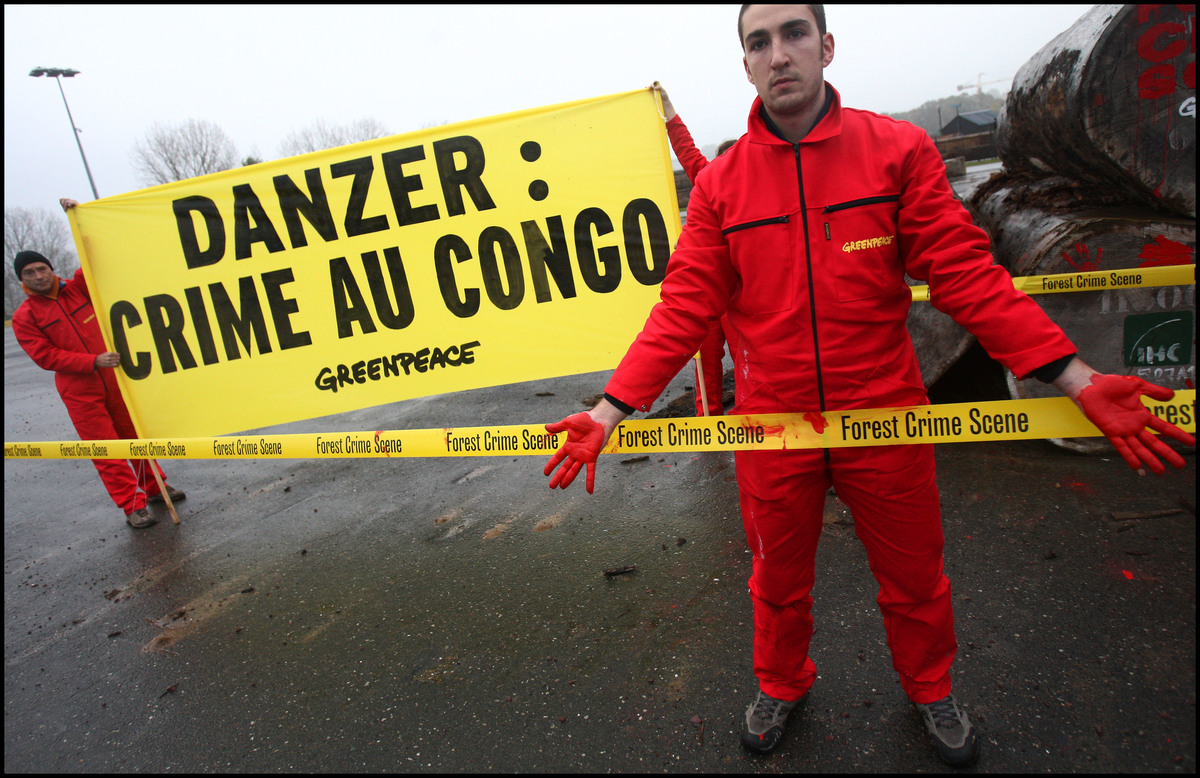
Danzer feels the bite as the FSC show its teeth
To the layperson the world of forest certification is often a technical one that does not seem to operate at what could be called a breakneck pace. However, the Forest Stewardship Council (FSC) has this week reached a landmark decision that fits the old adage that ‘good things come to those who wait’.
-
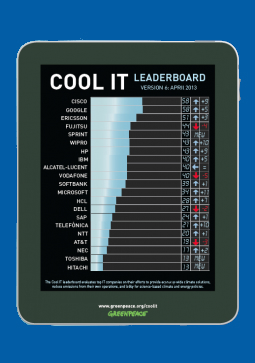
Cool IT Leaderboard
The Cool IT Leaderboard evaluates global IT companies on their leadership in the fight to stop climate change. The IT sector possesses the innovative spirit, technological know-how, and political influence to bring about a rapid clean energy revolution.
-
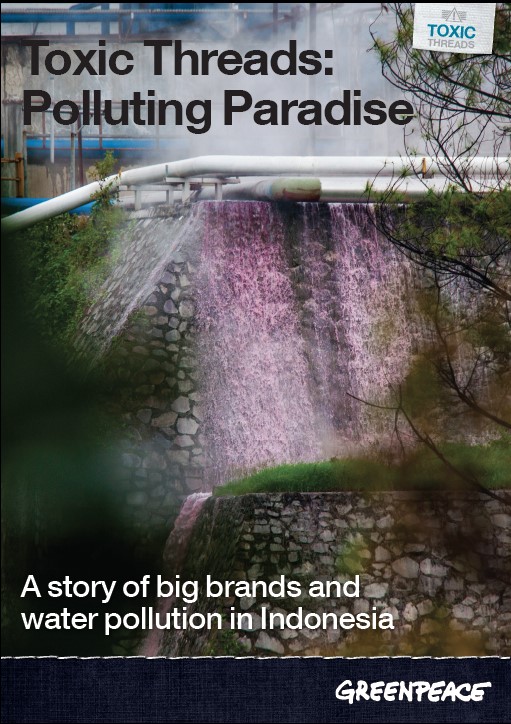
Toxic Threads: Polluting Paradise
Greenpeace International has commissioned a new investigation that delves even further into the hazardous chemicals used in the production of high street fashion, going beyond previous investigations in China and Mexico. This latest report builds on the Detox campaign’s work, which reveals how textile manufacturing is a major contributor to water pollution in the Global…
-

Greenpeace takes on Europe’s biggest carmaker… and wins!
The force is with you and together you made Volkswagen (VW) do a handbrake turn on improving the efficiency of its cars. Something they said they could not do until you cried BS to make VW turn away from the Dark Side!
-
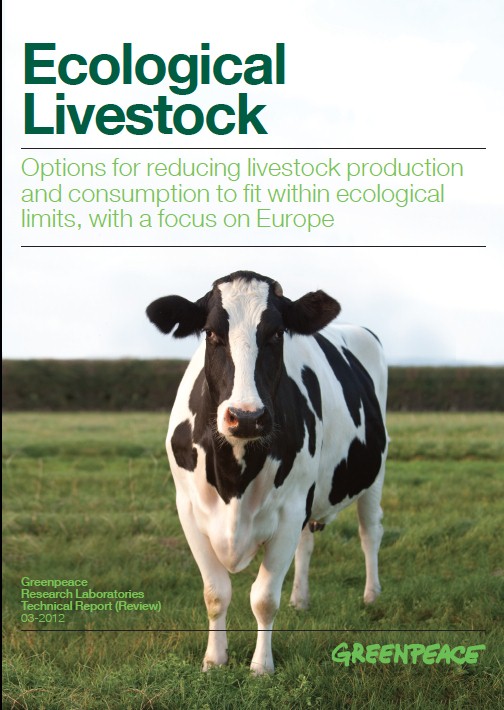
Ecological Livestock
Human pressure on the planet is reaching a scale that could compromise the stability of the Earth's systems. A group of influential scientists have recently identified nine planetary boundaries related to Earth-system processes and their associated thresholds, which – if crossed – could destabilise our living environment.