There’s something inherently eerie about the Antarctic – an largely unknown realm shrouded in silence and unsympathetic cold, with the lowest temperatures on planet Earth and no permanent human population. No wonder it’s been used as the backdrop for many horror movies, including The Thing and Alien vs. Predator.
This stark landscape harbours many rarities that spotlight its other-worldliness. These seven marvels might be frightening, but they will still inspire you to champion the Antarctic’s protection.
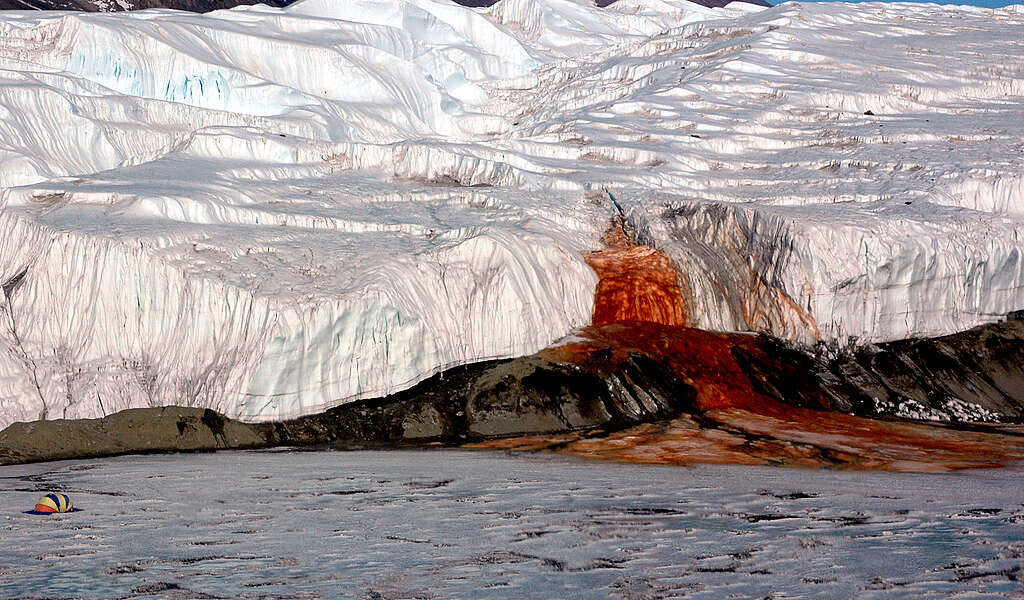
1. The Antarctic Blood Falls
White snow seeping with blood-red meltwater sounds horrific, but that’s exactly what you’ll find at the Taylor Glacier. Since its discovery in 1911, the colour of the falls has puzzled scientists. Researchers from the University of Alaska Fairbanks finally solved the mystery in 2017. The brine salt water flowing from the glacier contains iron and, when it comes into contact with oxygen, the iron oxidises, giving the water its deep crimson colour. It’s basically the same process that turns iron dark red when it rusts.
2. Ocean arachnids
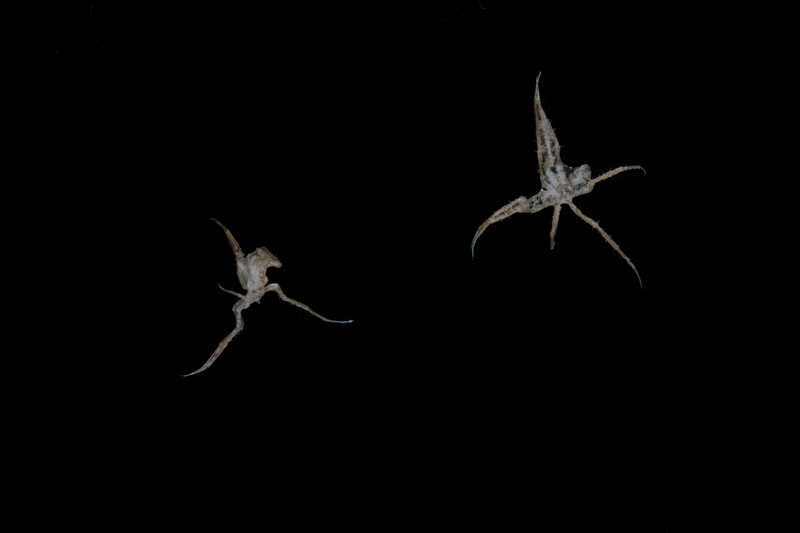
If you suffer from arachnophobia you might want to skip this part. It’s hard to believe, but skittering around in the dark on the Antarctic ocean floor, are sea spiders. They’re actually marine arthropods. In the Antarctic these creepy crawlies can grow up to 50 cm across. If they’re not yet strange enough, they also breathe through holes in their legs.
3. The ‘Pyramid’ of the Antarctic
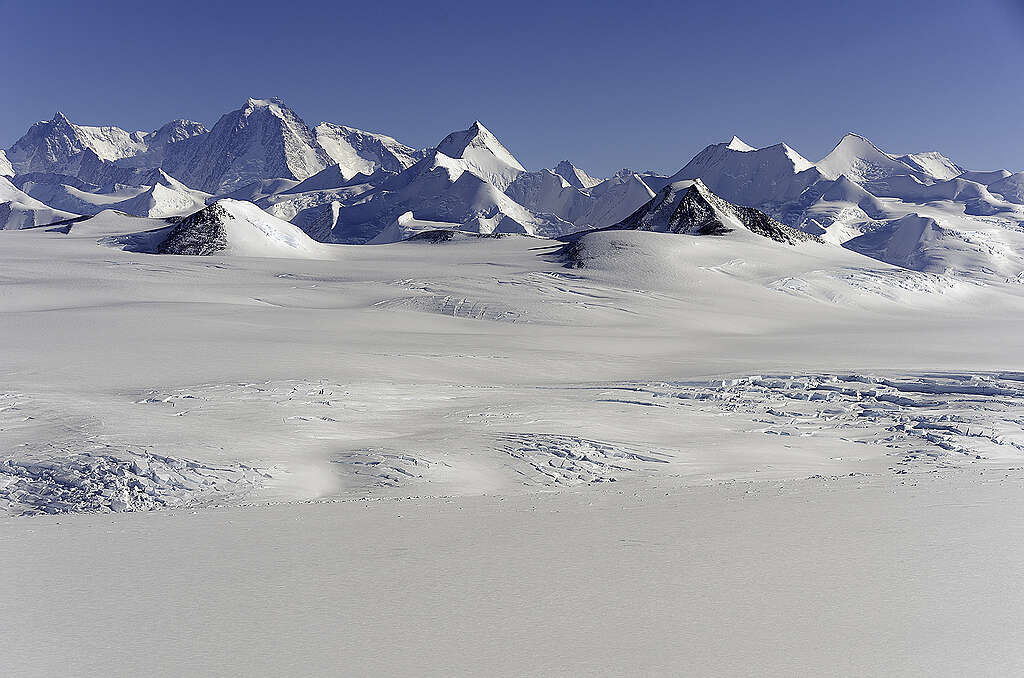
In 2016, a pyramid-shaped mountain located in the southern part of the Ellsworth mountains nearly broke the Internet. Some speculated that it was the remnants of an ancient civilization. Others believed it was constructed by aliens. The truth was much simpler: experts concluded that the architect was Mother Nature. Hundreds of millions of years of erosion created this beautiful monolith.
4. Watermelon snow
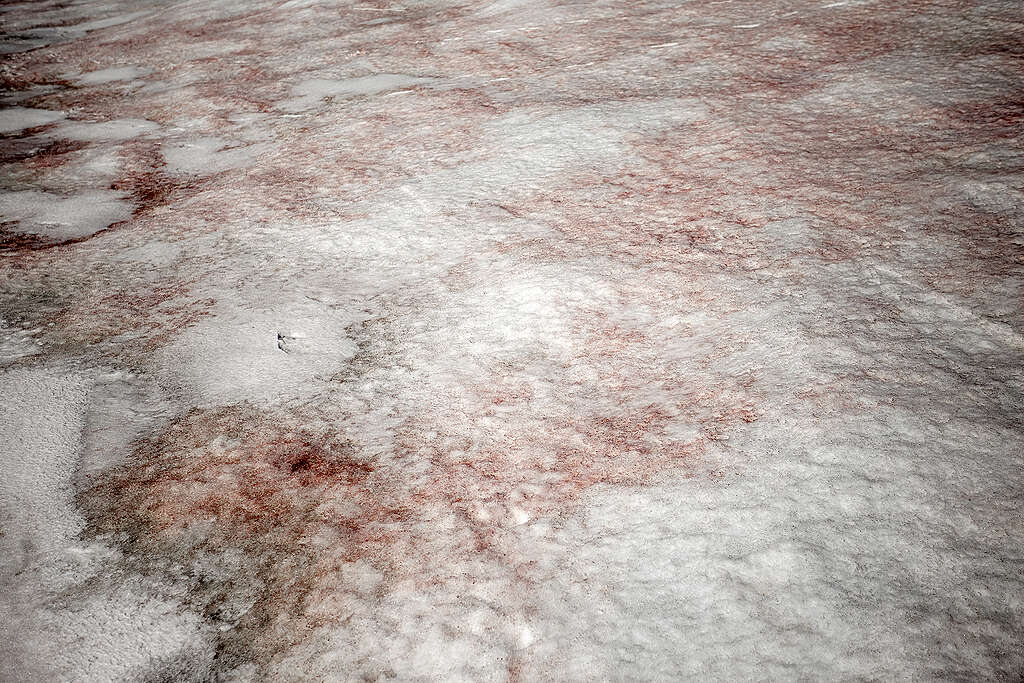
This phenomenon transforms parts of the Antarctic into life-sized, candy-coloured ice. Although it looks good enough to eat, you wouldn’t want to do that. The cold-resistant microscopic algae Chlamydomonas nivalis releases red and green spores as the ice warms during the Antarctic summer, resulting in an algal bloom that causes the snow’s unique appearance. It’s believed that this also makes the snow inedible and toxic to humans. So put away your ice cream cones.
5. Sea pigs
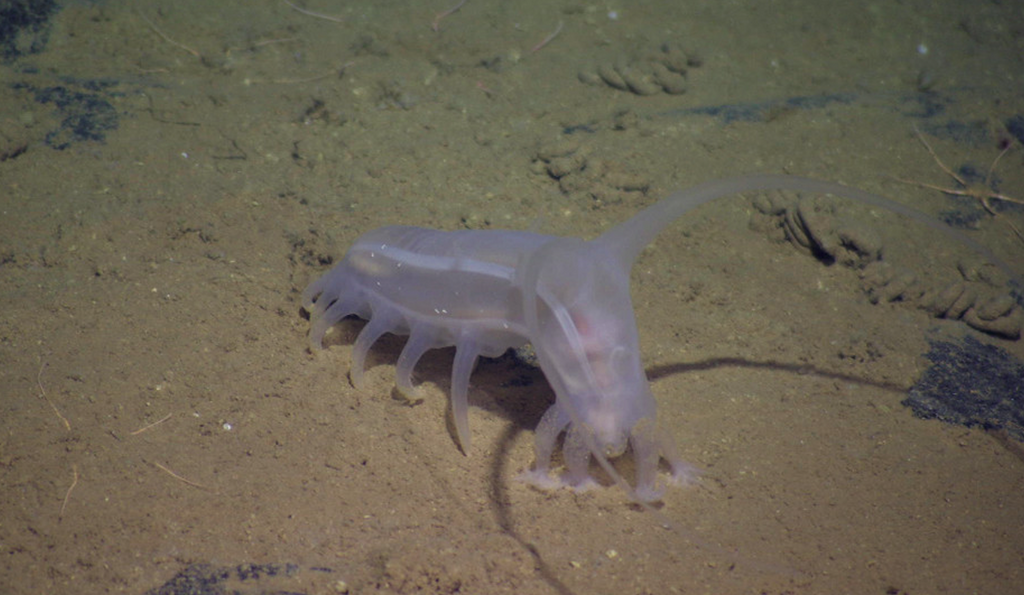
Somewhere between a Kraken and axolotl you get something resembling a sea pig. No one knows how long these scavengers live, we only know that they play a crucial role in the ocean ecosystem. They consume nutrients from decomposing organisms. When they get eaten they reintroduce those nutrients into the food chain. They’re bizarre but effective.
6. Antarctic graveyard
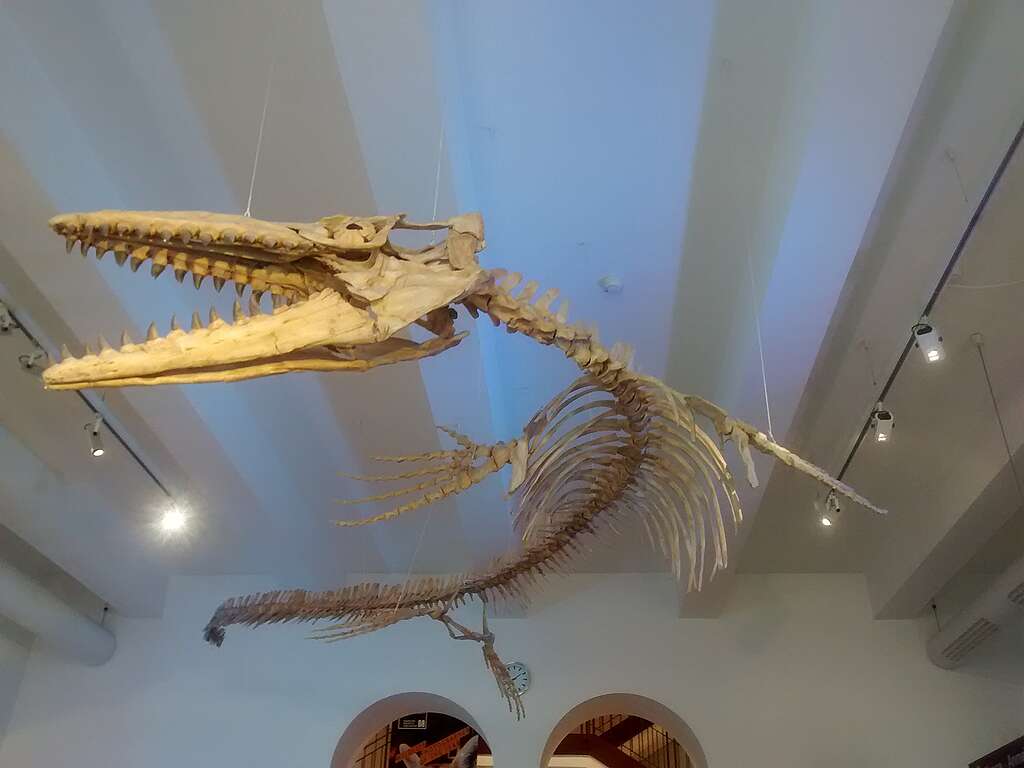
The Antarctic has more than a few skeletons in its closet. Hidden beneath the snow on James Ross Island, scientists discovered almost a tonne of fossils. They were the remains of ancient sea creatures, including those of a mosasaurus – a gigantic whale-like creature. Although this was an extraordinary discovery, it’s best to let sleeping bones lie; we don’t want these monsters to return and haunt us.
7. Singing ice
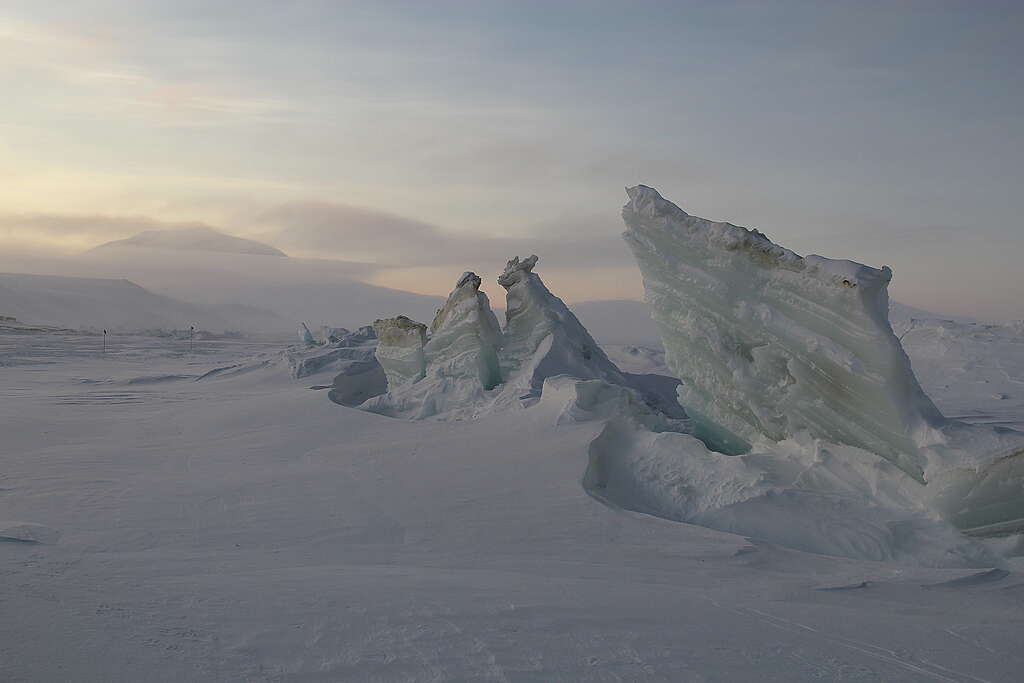
There is nothing creepier than the Antarctic singing ice. The ‘song’ was accidentally discovered when scientists used seismic sensors on the Ross Ice Shelf. The sound that’s inaudible to humans due to its frequency was detected in their recordings. Described as a doleful hum, the sound is created when the wind blows across the coarse surface of the ice shelf. The melody is enough to make your blood curdle.
All these spine-chilling rarities that the Antarctic harbours make it easier to understand why it’s such a well of inspiration for so many spooky stories. The Antarctic Ocean Commission has the power to protect this area by creating ocean sanctuaries in Antarctic waters immediately – by taking the first steps towards protecting at least 30% of our oceans by 2030. This is our best bet protecting some of the most unique Antarctic life forms in the face of the climate crisis or destructive fishing industries – the true horrors in the region.
Jeanette Meyer is a Global Digital Campaigner with Greenpeace’s Protect the Oceans campaign.