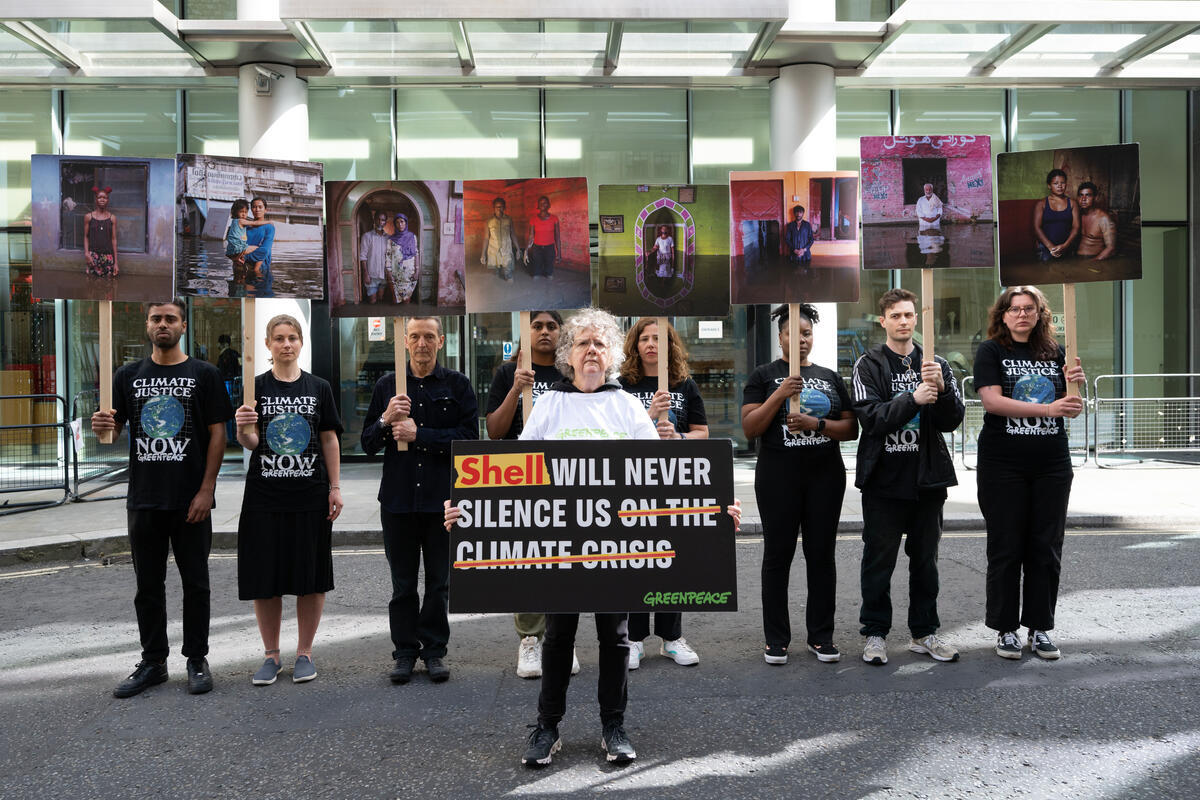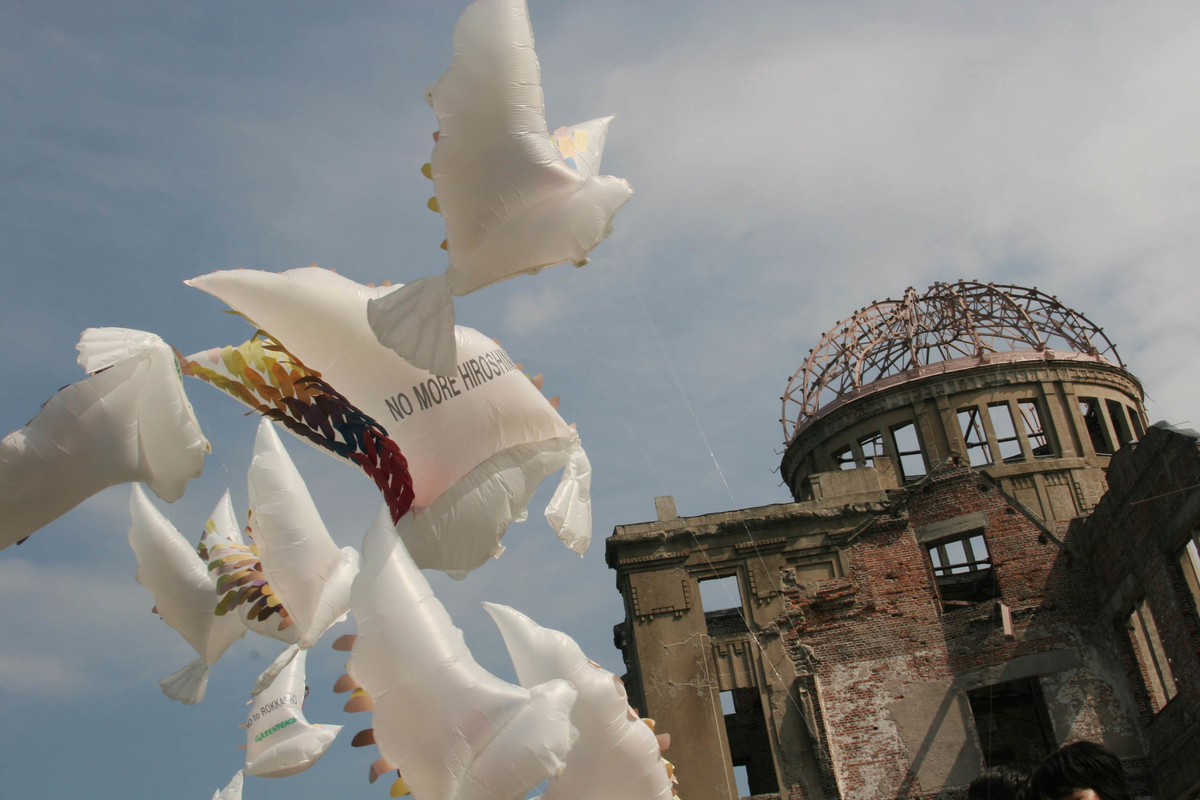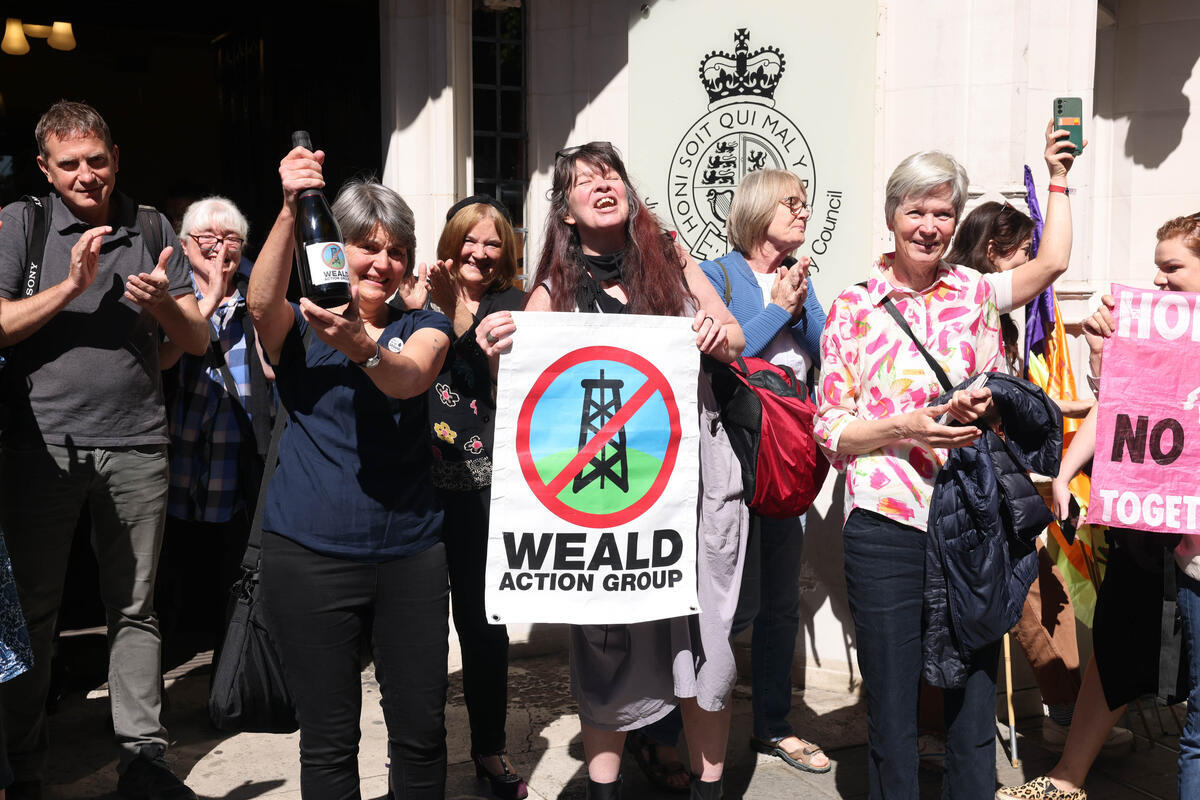
Notable wins in the climate and environmental justice space to inspire us in our fight for a better, greener, and fairer world for all.
South Korea. Top court ruled the country’s carbon neutrality law as unconstitutional
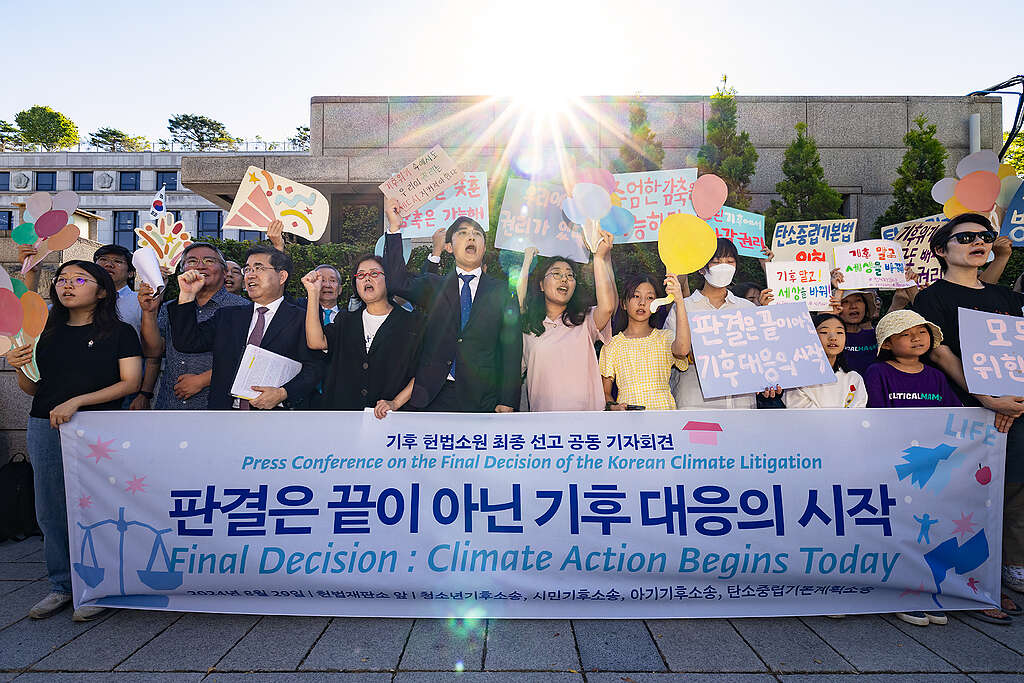
On 29 August 2024, South Korea’s Constitutional Court ruled the country’s carbon neutrality law as unconstitutional for violating citizen’s rights – making it the first ruling of its kind in Asia! The petition was filed in 2020 by over 200 plaintiffs, including young activists and even infants, and is Asia’s first climate court case targeting a country’s carbon neutrality commitments. This is a major climate win for future generations, and could potentially set a precedent in the region for other climate cases.
Europe. First European Commissioner for intergenerational fairness
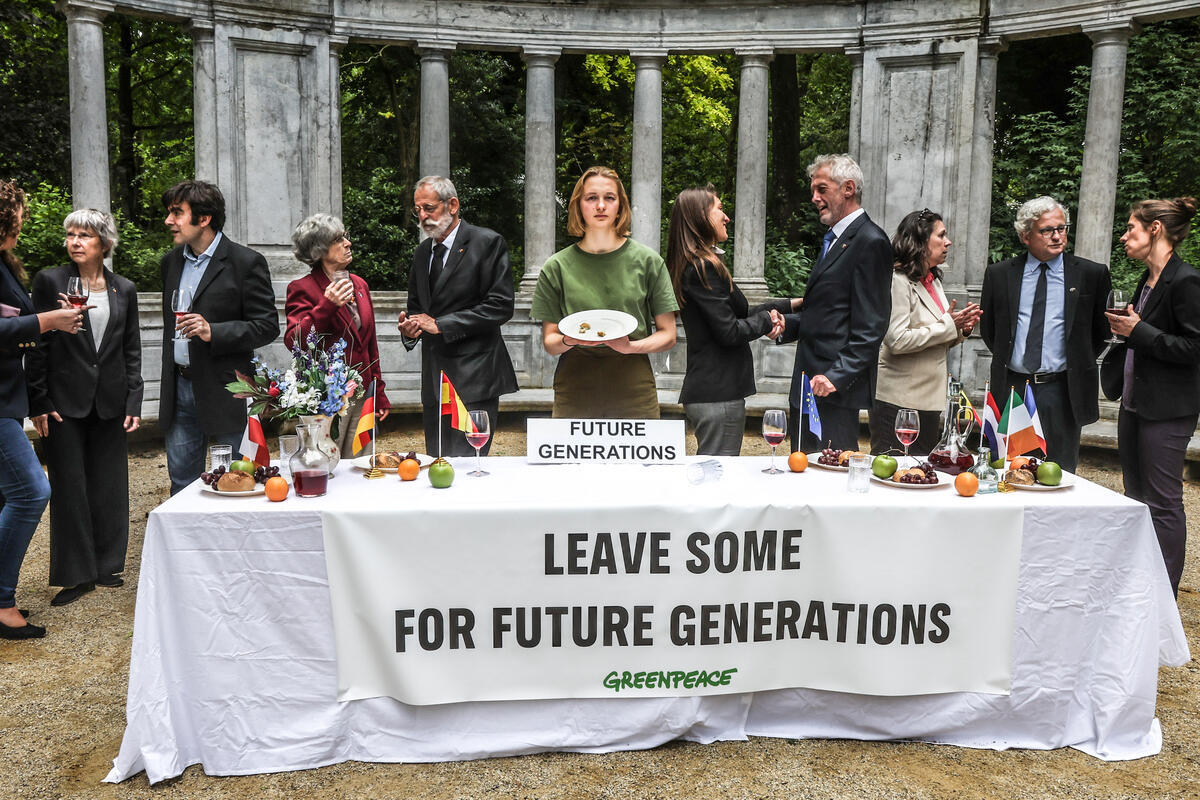
In a big victory for the people, for the first time ever there will be a European Commissioner for intergenerational fairness! Greenpeace European Union (EU) has been advocating for such a role together with the European Youth Forum, and are calling on EU leaders to protect the environmental rights and interests of youth and future generations. The new Commissioner has been tasked to develop a European intergenerational fairness strategy, so the stakes are high to make sure such process ends with clear recognition of the rights of youth and future generations in certain domains, including nature, health, social inclusion, (youth) employment, regulation of emerging technologies, public services, social rights and democracy.
Brazil. Sawré Muybu territory officially demarcated
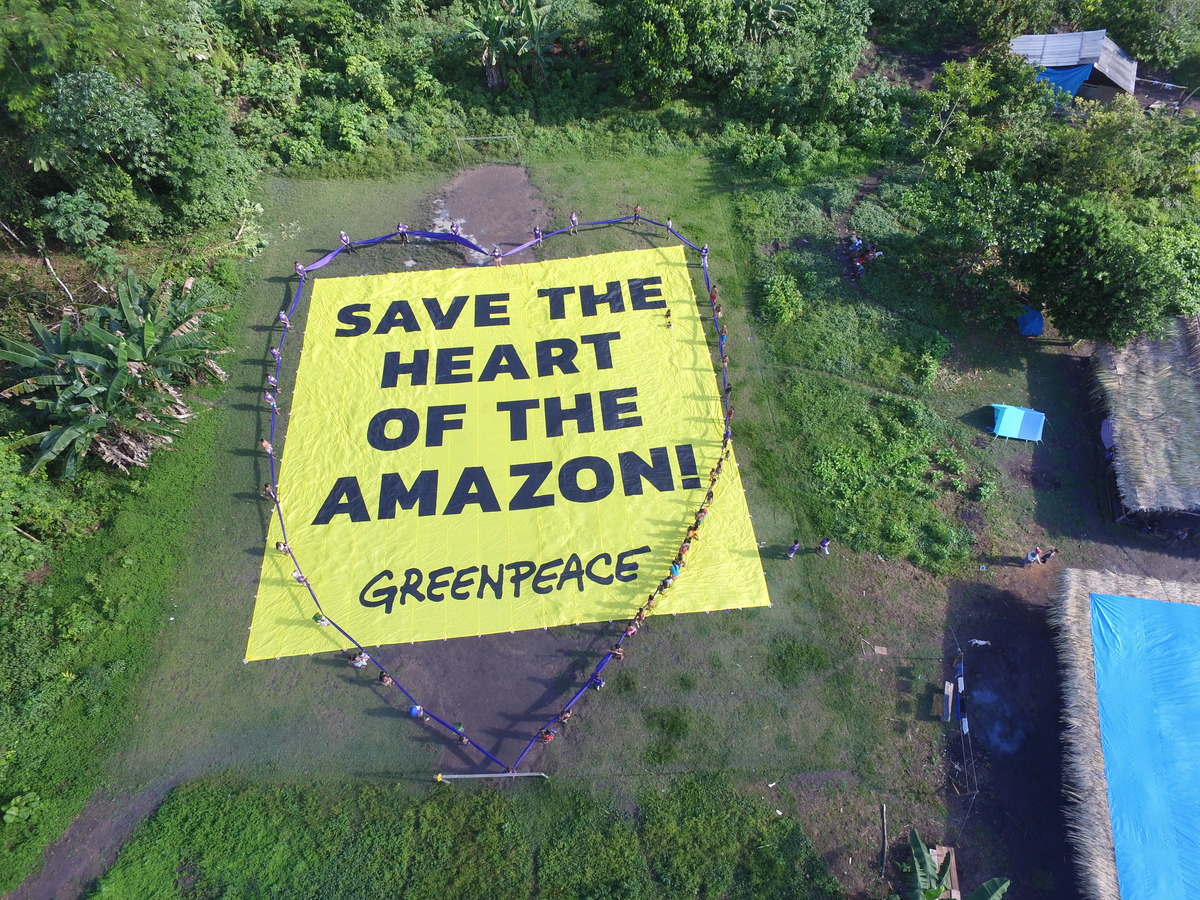
On 25 September 2024, the Sawré Muybu territory in the Tapajós River Basin in the heart of the Amazon rainforest was officially demarcated. The Munduruku People have been fighting for the rights to a land that has always belonged to them but is threatened by mining, illegal logging, and infrastructure projects. This is a historic and profoundly symbolic victory not only for the Munduruku, but for all Indigenous Peoples of the Amazon and Brazil.
UK. The last coal-fired power plant closes
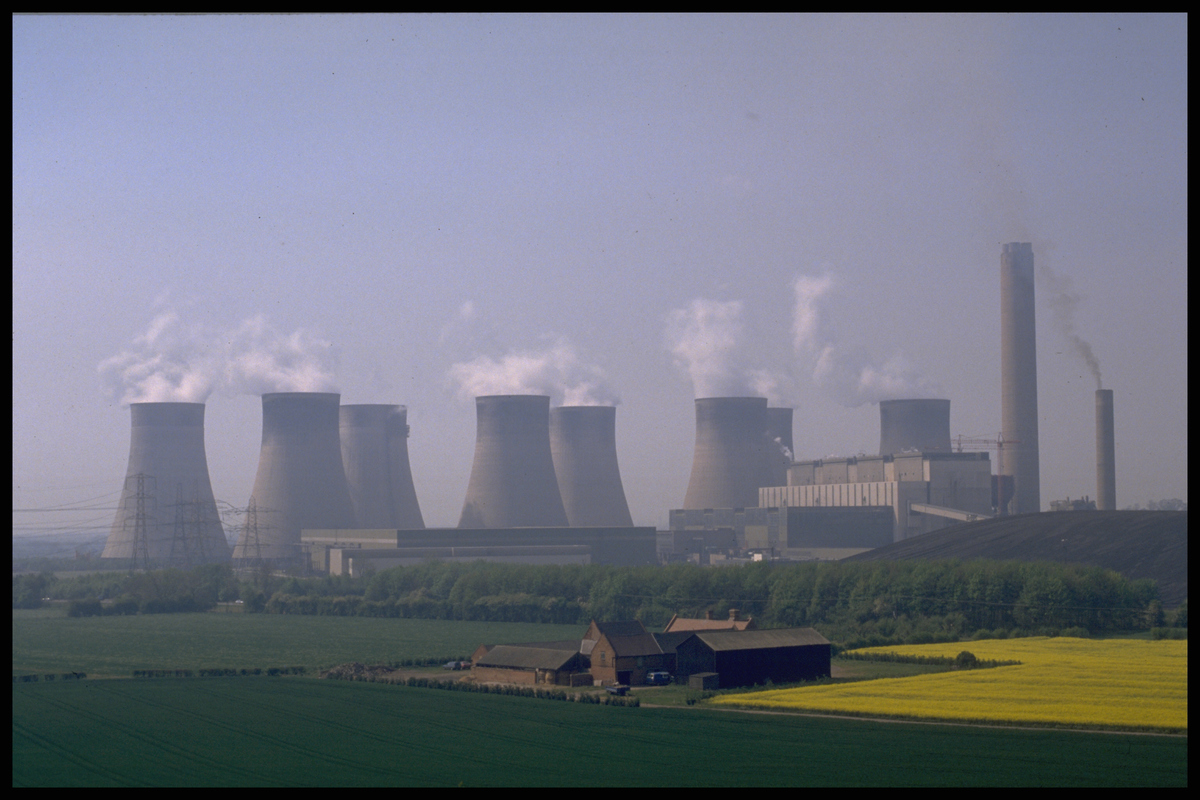
The UK has closed its last coal-fired power plant, becoming the fifth European nation to go beyond coal. The closure of the final coal plant in the UK is an important victory in the fight against climate change won over many decades.
Coal is the dirtiest, most polluting way of producing energy. It’s a serious threat to people’s health from air pollution and a major contributor to the climate crisis.
Australia. Woolworths and McDonald’s commit to going deforestation-free
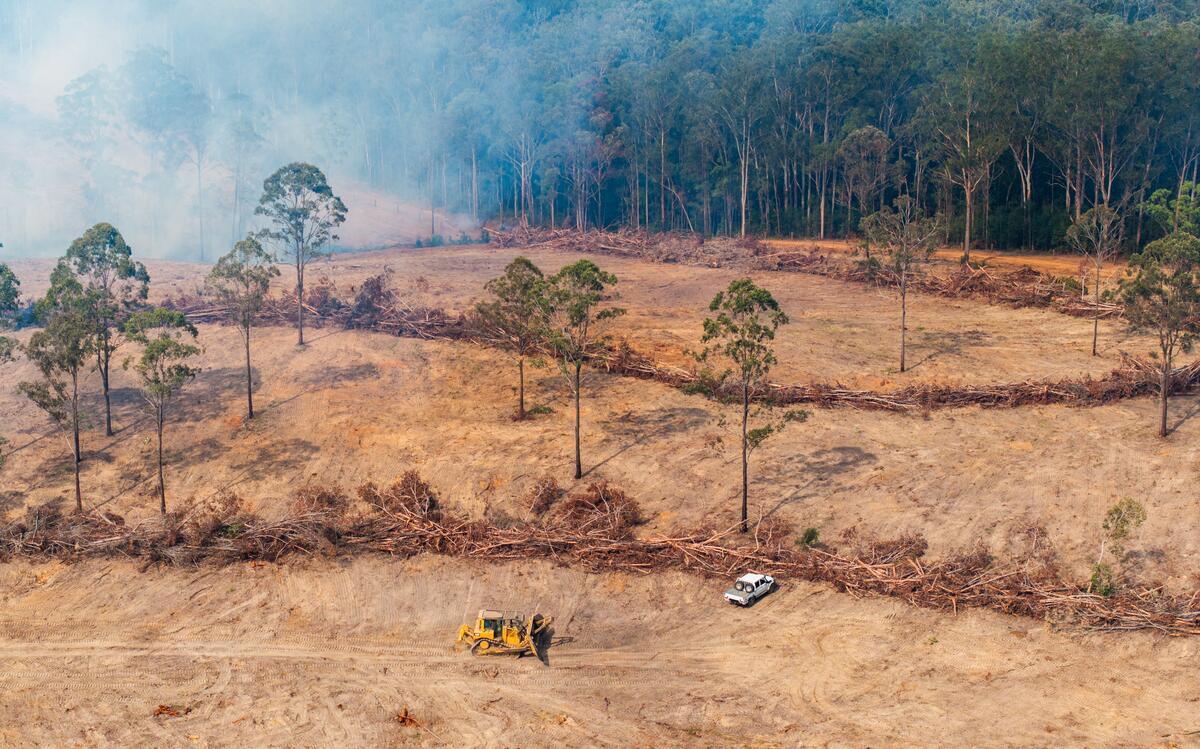
In the last two months, Woolworths and McDonald’s in Australia have announced their commitments to source deforestation-free beef. Woolworths will do so by the end of 2025 but McDonald’s will implement theirs by 2030.
This is a major example of people power as Greenpeace Australia Pacific supporters had sent the big corporations thousands of emails, demanding they go deforestation-free.
While McDonald’s is taking a step in the right direction, it is 5 years later than what is needed to protect the forests and biodiversity. Greenpeace Australia Pacific will continue to engage with McDonald’s to ensure they commit to taking deforestation off the menu – by 2025!
Malaysia. People’s right to a safe, clean and healthy environment recognised
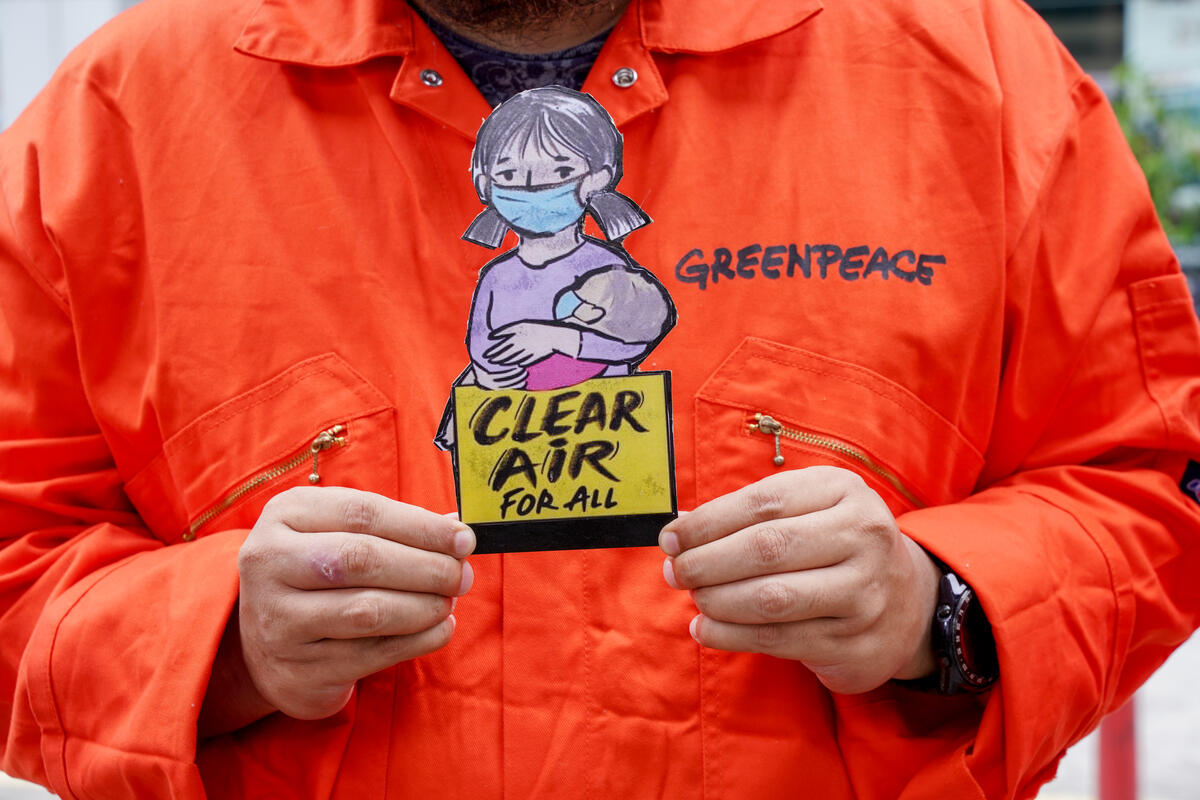
On 27 September 2024, the Malaysian Human Rights Commission (SUHAKAM) launched a report: “Silent Enemy: Report on Haze Pollution and the Right to Clean Air”, which adopts all the recommendations Greenpeace Malaysia and other civil society organisations had put forward in an air pollution complaint to SUHAKAM in 2021.
Transboundary haze and air pollution are one of the most prevalent environmental problems in Southeast Asia. The SUHAKAM Human Rights Report officially identified the gaps in the legal framework and environmental governance has laid the foundation to discuss the enactment of clean air law and amendment of the Federal Constitution to recognise the right to a safe, clean, healthy and sustainable environment.
Nigeria. Two Nigerian communities granted landmark appeal against Shell
In a landmark judgement for environmental claims, the UK Court of Appeal rules in favour of Nigerian communities over alleged pollution by oil giant Shell. The Bille and Ogale communities in southern Nigeria have been in a 10-year-old legal battle with Shell Nigeria, accusing the company of exposing them to oil spills that caused severe damage to their land, waterways and drinking water.
The appeal, which was granted on 11 October 2024, overturns a High Court ruling in March 2024, which would have made it practically impossible for people to bring environmental claims involving multiple incidents of pollution. The claims, which were started nearly 10 years ago, should now finally move forward to a full trial.
The Hague. World’s first city to pass law banning fossil fuel-related ads
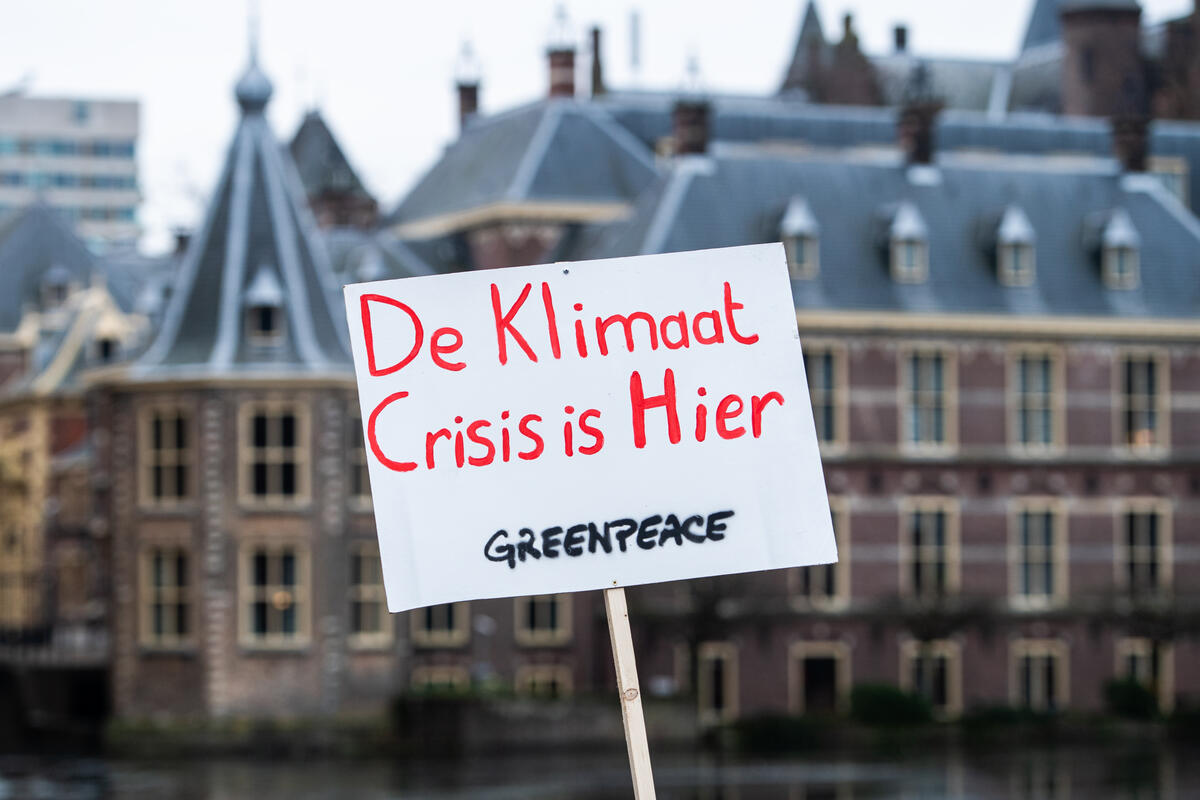
The Hague has become the first city in the world to pass a law specifically banning advertisements promoting fossil fuel products and services with a high carbon footprint. This spells the end of advertising campaigns for petrol and diesel, aviation and cruise ships in the streets of the Dutch city. It takes effect from the start of next year.
Global. Generali to limit insurance to oil and gas projects.
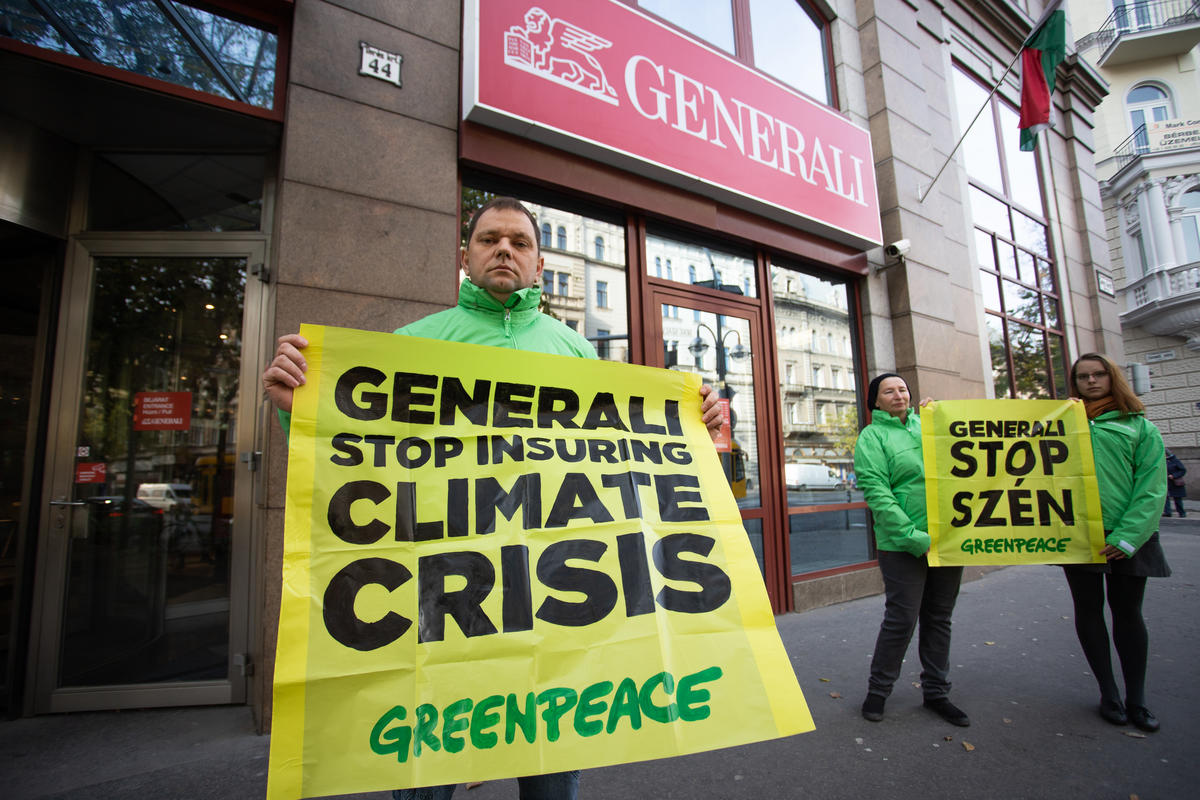
Generali, one of the world’s largest insurers, takes a major step forward in driving climate action. It announced on 22 October that it will no longer provide insurance for risks associated with oil and gas expansion.
The insurance industry is waking up to the fact that supporting new fossil fuel projects, which are supercharging the climate crisis, will only cost them more.