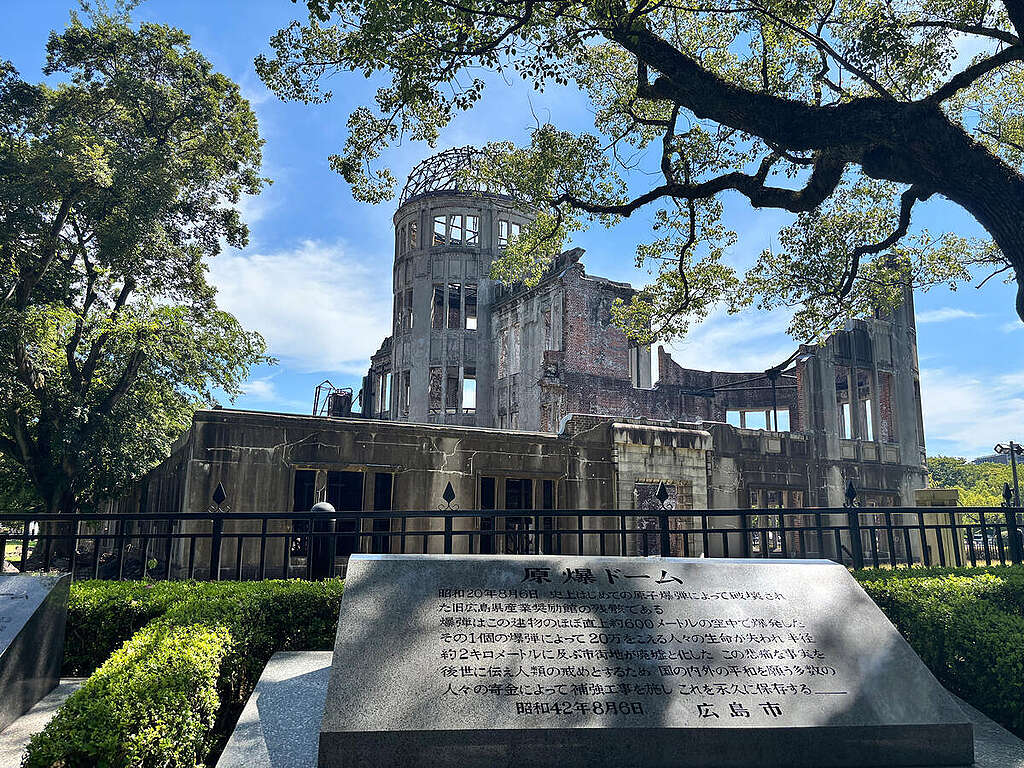
This year marks the 80th anniversary of the atomic bombings of Hiroshima and Nagasaki. First, I would like to express my deepest condolences to all those who lost their lives as a result of the atomic bombings, and to those who survived the ravages of war and still live with physical and mental scars, as well as to those around the world who are still in the midst of war and violence.
On August 6 and 9, 1945, atomic bombs were dropped on Hiroshima and Nagasaki, Japan, instantly claiming the lives of tens of thousands of people. Even after that, radiation-related disabilities, illnesses, and discrimination continued to have a huge impact on the lives of many people.
Survivors have worked for decades to expose the catastrophic consequences of nuclear warfare and promote the rights of all hibakusha (the term used in Japan for to designate the victims and survivors of these two tragedies). Their organisation Nihon Hidankyo received the Nobel Peace Prize in 2024 for continued efforts to achieve a world free of nuclear weapons.
Nuclear threats loom large
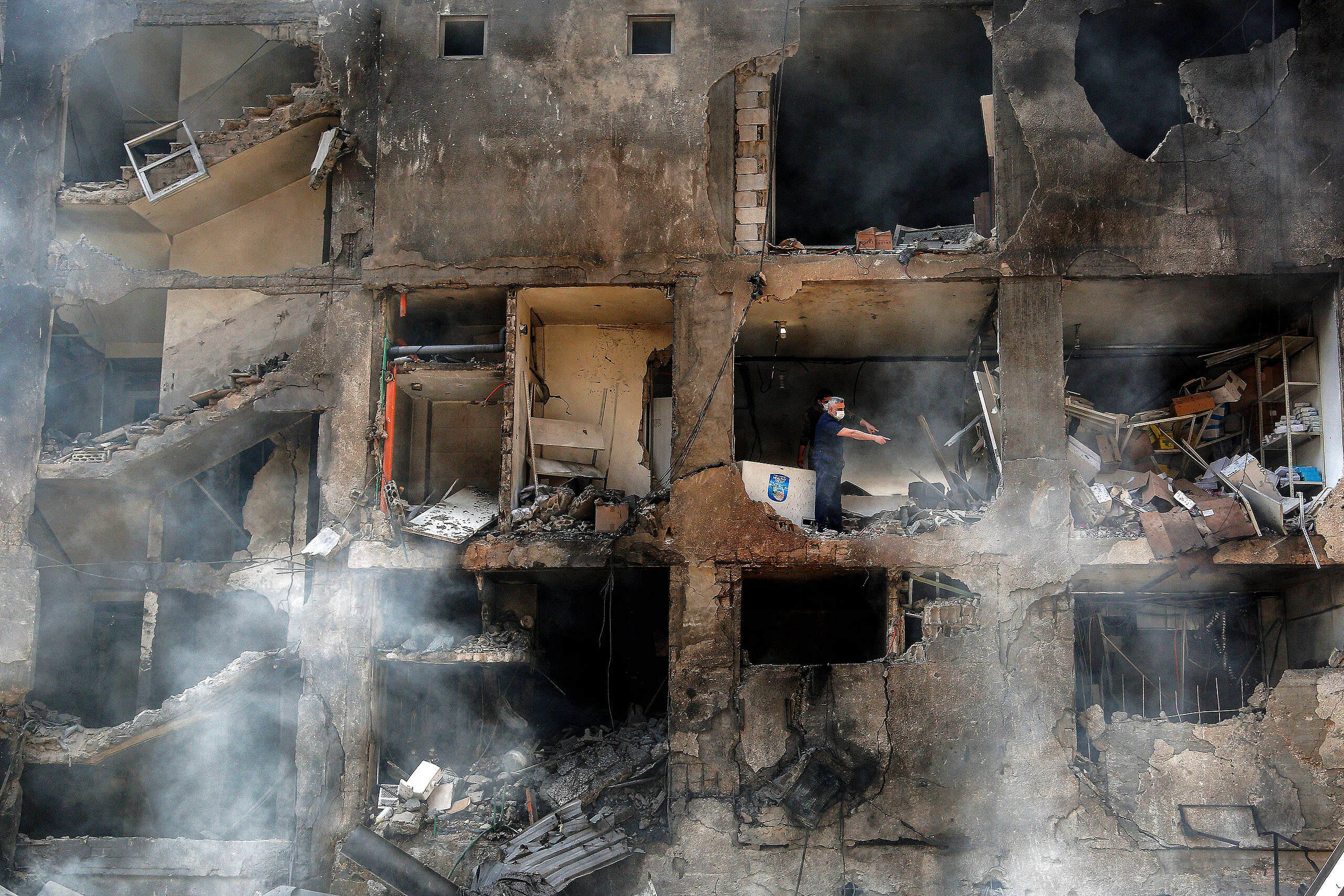
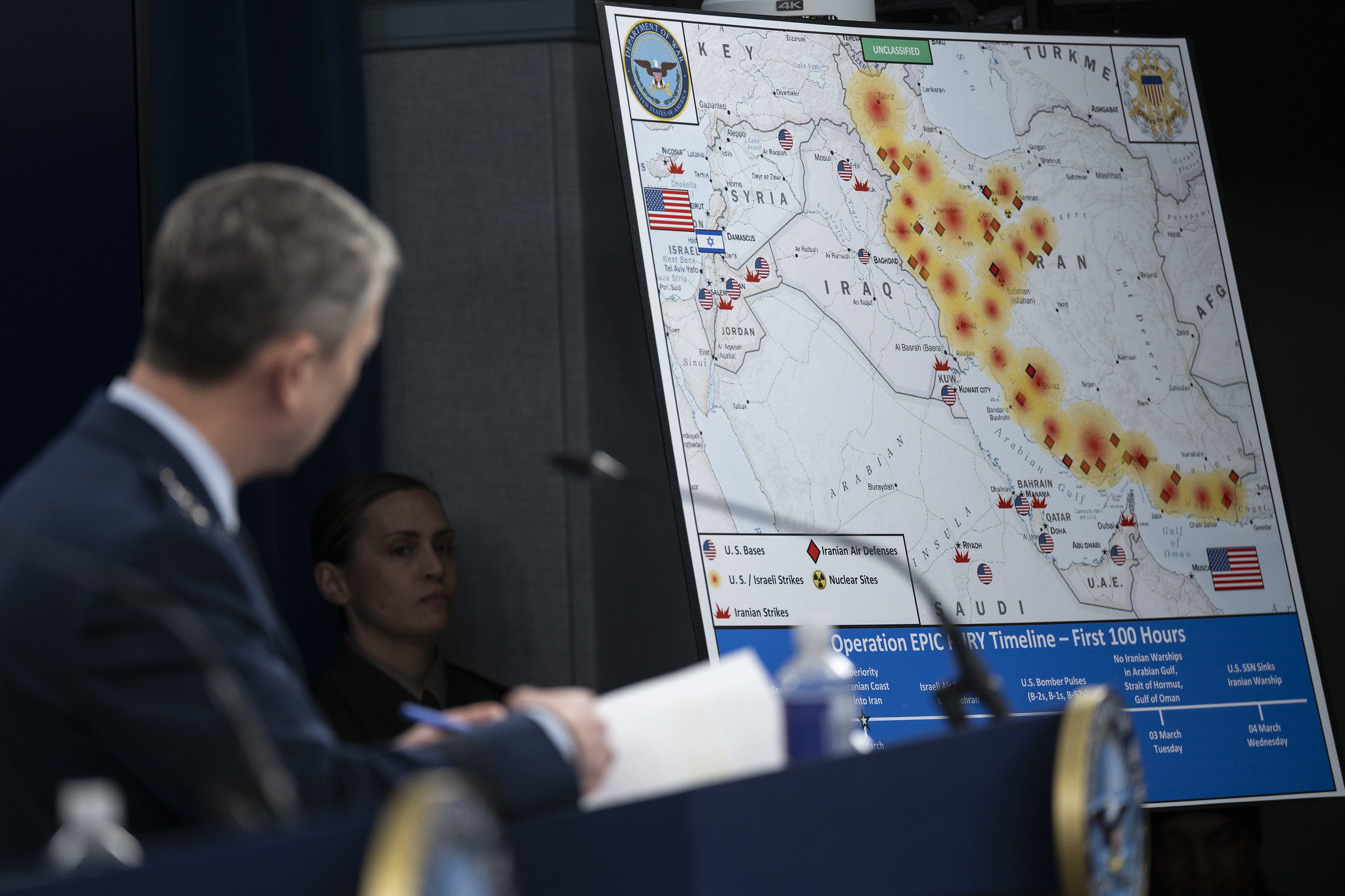
However, even 80 years later, the threat of nuclear weapons has not disappeared from the world. In fact, the development of nuclear weapons and missiles by certain nations – Russia’s invasion of Ukraine and nuclear threats, and recent airstrikes by the United States and Israel on Iran’s nuclear facilities – all pose nuclear threats that endanger countless lives, lurking just beyond our daily lives. However, the international community at large, lacks the power to strongly deter such threats and faces an extremely serious crisis.
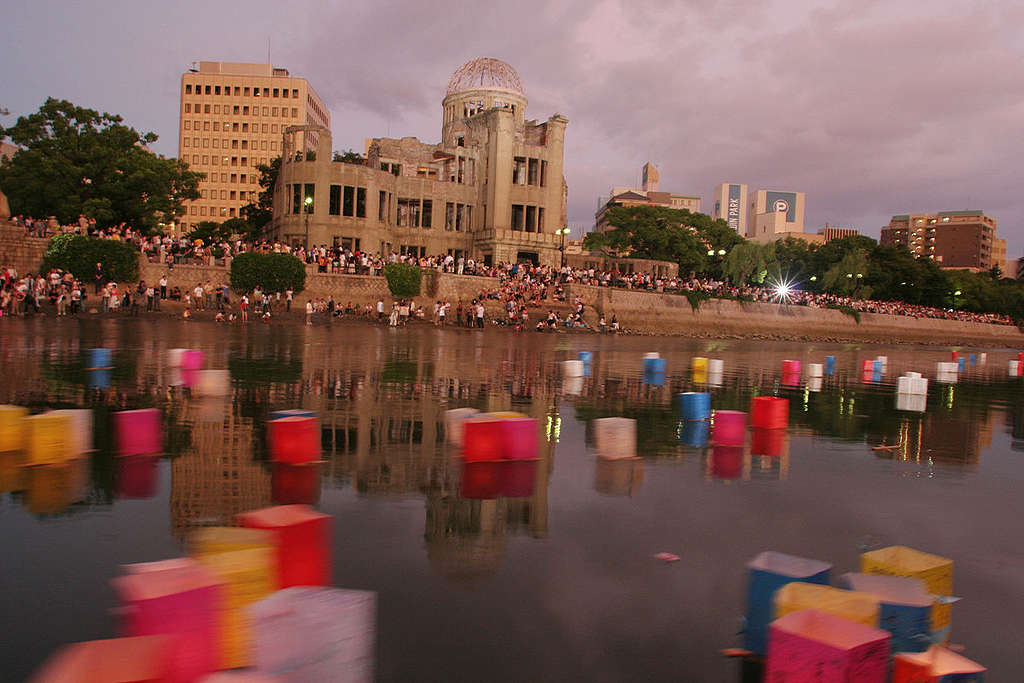
If nuclear weapons were ever used again, the damages would be unimaginably devastating. Japan experienced this firsthand. As the only country in the world to have experienced the devastation of nuclear weapons in war, Japan has already witnessed the inhumane consequences of such weapons in Hiroshima and Nagasaki 80 years ago. And as a nation that has personally experienced the horrors of war and nuclear weapons, Japan has a responsibility to firmly oppose any act of war and to clearly demonstrate its commitment to achieving peace.
Protect the environment, protect peace
Greenpeace was founded in 1971 to oppose nuclear testing by the U.S. military in Alaska, and has since taken numerous actions to protect human life and the environment, including rescuing and transporting residents of Rongelap Island in the Marshall Islands who had been exposed to U.S. nuclear testing.
In 1991, during the Gulf War, Greenpeace, in cooperation with other organisations, investigated the environmental pollution caused by oil intentionally released into the Persian Gulf by the Iraqi military, and found that the oil had caused serious damage to the marine ecosystem.
We are convinced that protecting the environment goes hand in hand with protecting peace for all.
A world free from war and nuclear weapons

During wars, oil spills, fires and bombings may all happen and even individually release massive amounts of greenhouse gases and toxic chemicals that seriously contaminate water, air, soil and ecosystems. War is not only the greatest form of human destruction, but also of environmental destruction. The use of nuclear weapons, which carry the risk of exposure to radiation and radioactive contamination, seriously affects the environment and people’s lives and health. That is why it is essential to aim for a world free from war and nuclear weapons.
2021 marked the entry into force of the Treaty on the Prohibition of Nuclear Weapons (TPNW). However, Japan, the only country in the world to have suffered atomic bombings during wartime, has yet to ratify the treaty. Greenpeace will continue to urge Japan and all nuclear-armed states to join. We believe that passing on the determination to never start war to the next generation is a vital step toward protecting all lives and building a green and peaceful society. We will persist in our efforts to make this vision a reality.
Sam Annesley is Executive Director at Greenpeace Japan.
Support the treaty to end nuclear weapons for good.
Note: this post was edited August 19, 2025 to add images, links, and notes on hibakusha.