
In 2025, journalist Saabira Chaudhuri released Consumed: How Big Brands Got Us Hooked on Plastic, an investigation into how global consumer goods companies built entire business models around disposability. One chapter in particular stands out: how Unilever helped turn the single-use sachet into a dominant packaging format and how that decision continues to fuel plastic pollution on a global scale.
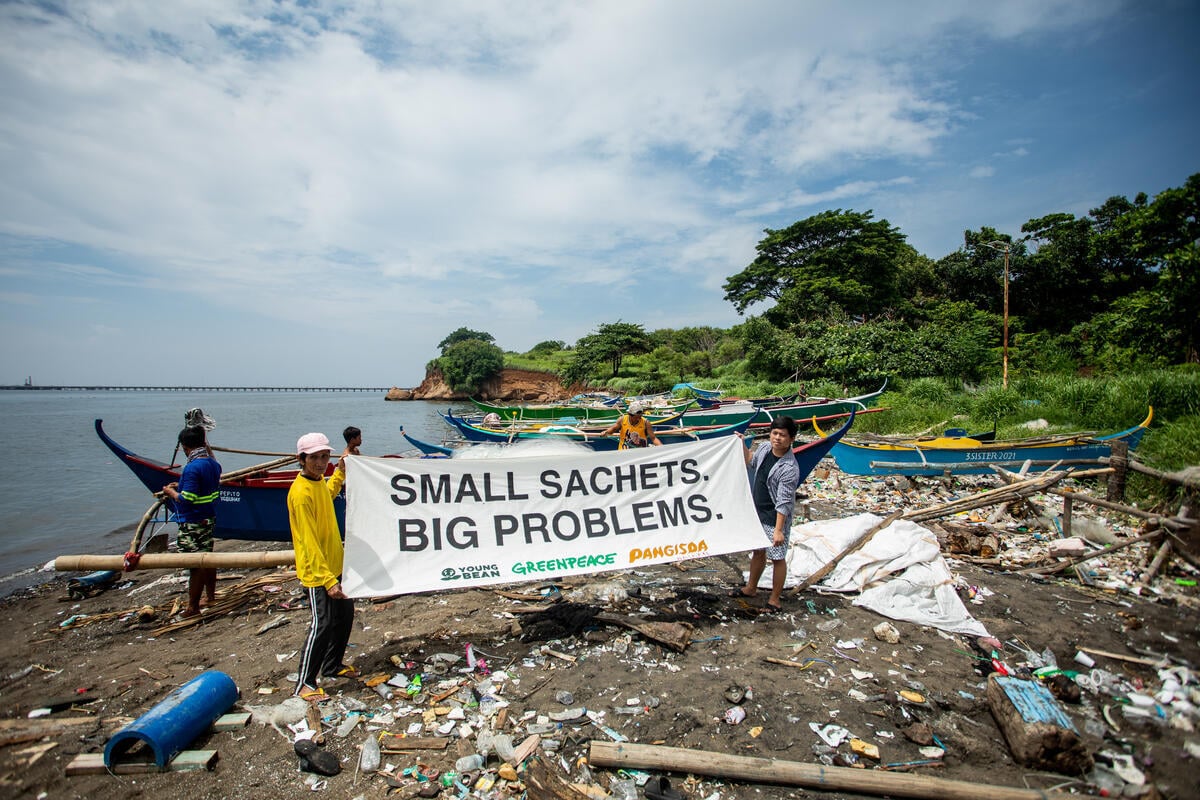
As negotiations toward a Global Plastics Treaty intensify, the insights in Consumed remain urgently relevant, and increasingly uncomfortable for Unilever.
How Unilever drove the sachet crisis
A business model engineered around disposability
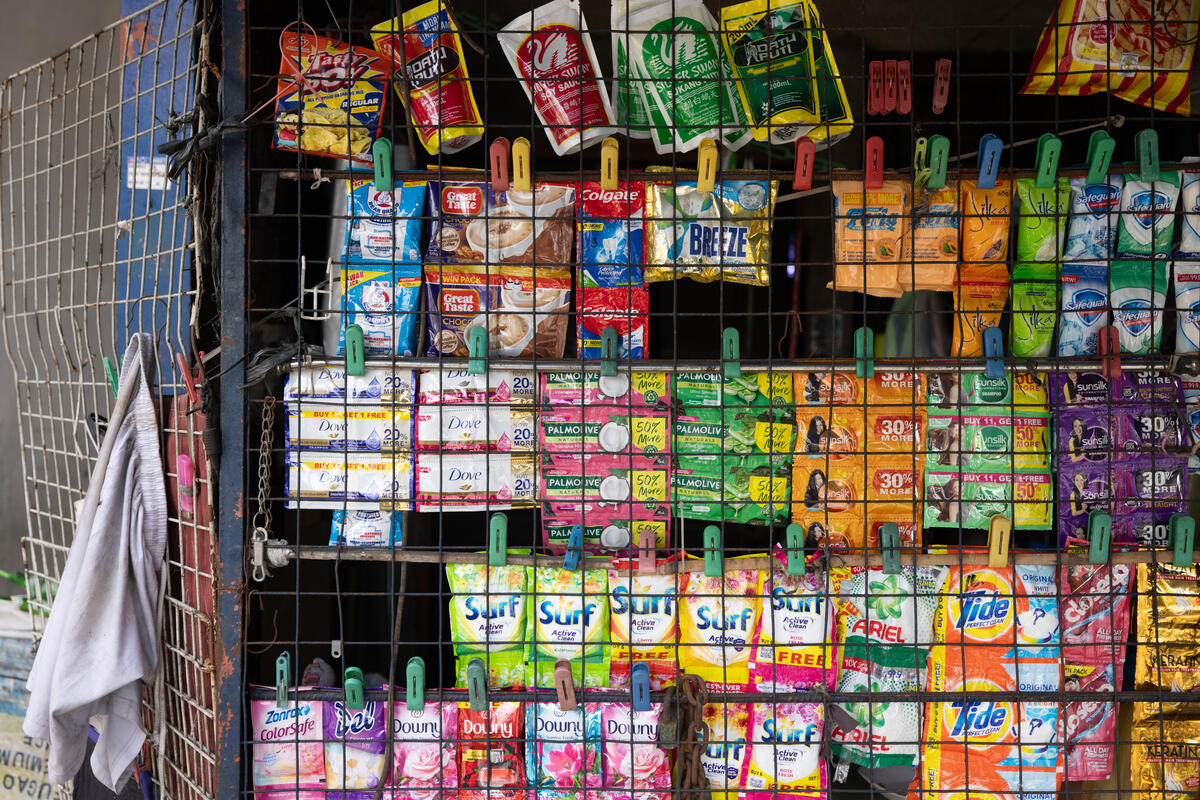
Chaudhuri shows how Unilever’s India arm industrialised the sachet, transforming a small local innovation into a global mass-market strategy. Sachets unlocked ‘previously unreachable’ low-income markets by enabling small, frequent purchases — turning low-cost items into a multi-billion-unit sales engine.
This wasn’t primarily about meeting consumer demand. It was about creating a profitable disposable business model.
Marketing that reshaped behaviour
Unilever’s push didn’t stop with packaging. The company invested heavily in rural outreach: mobile cinema vans, in-home demos, and campaigns presenting branded shampoo as ‘modern’ and aspirational. Traditional low-waste practices were displaced by single-use products designed to be thrown away after use. The company invested heavily in marketing tactics, and unfortunately they worked.
The fallout: billions of sachets with nowhere to go
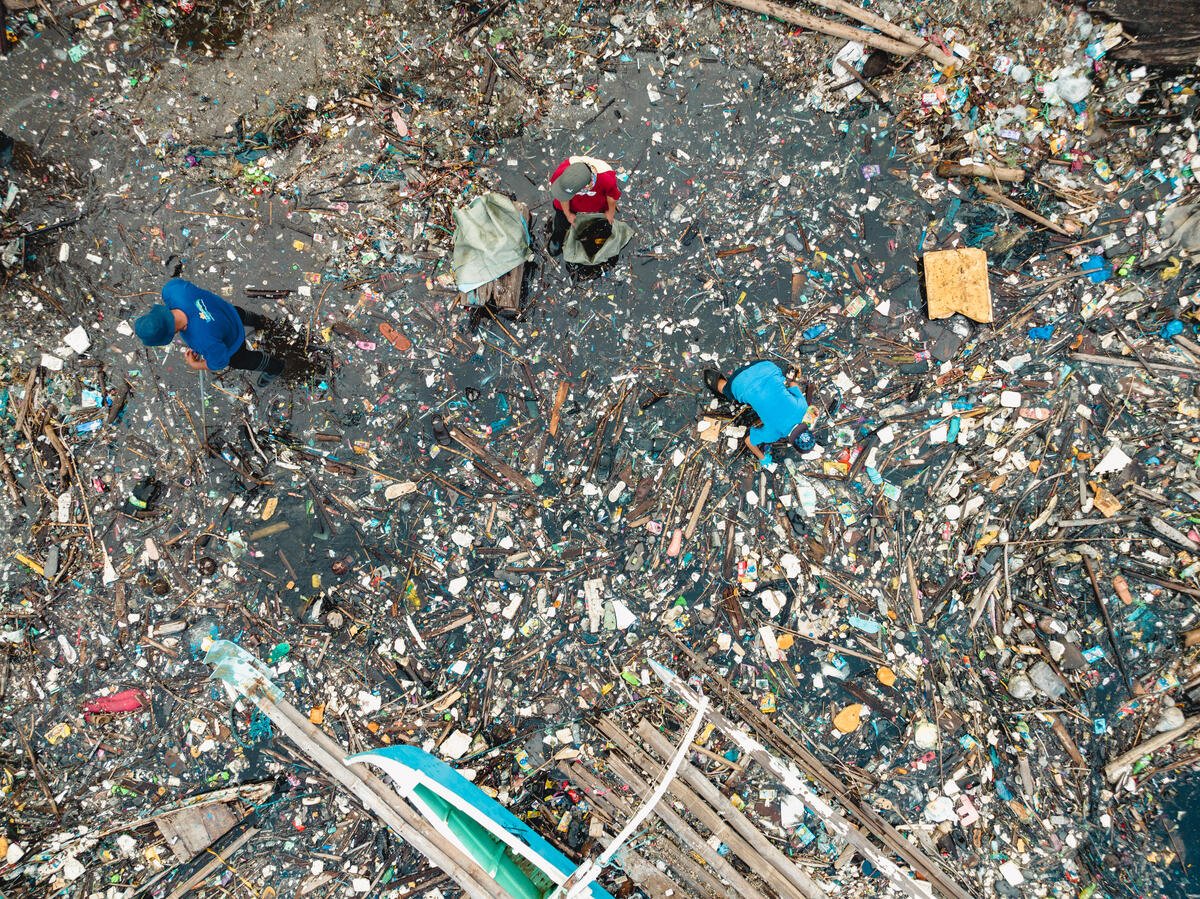
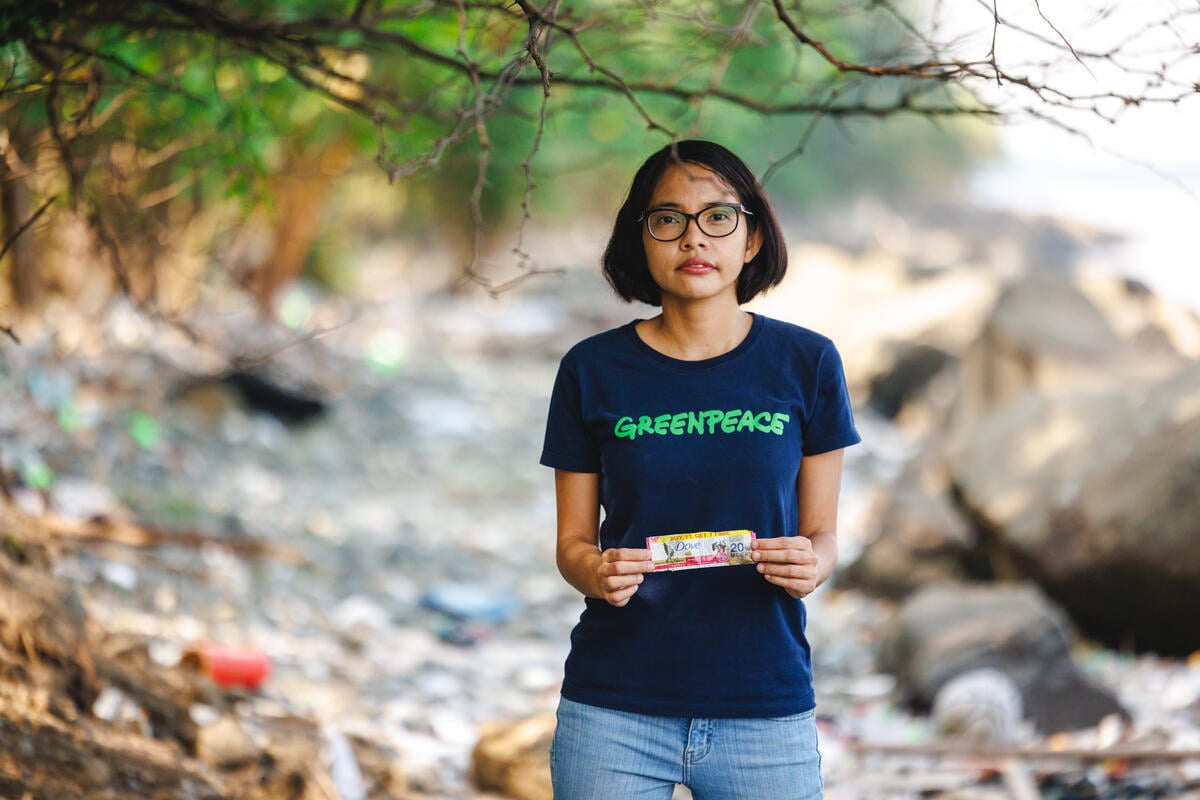
Once sachets took off, the environmental consequences were immediate and severe. Tens of billions of sachets are used annually in India alone – almost none recycled, because they were never designed to be. Waste accumulates in waterways, drainage systems, and informal dumps, disproportionately affecting communities without formal waste services.
Corporate dependence on sachets
Chaudhuri argues that brands like Unilever are now locked into disposability. Despite sustainability promises, the company continues to rely on sachets for volume and margins, even as the pollution becomes impossible to ignore.
Greenpeace International’s 2023 Unilever Uncovered report found the company was on track to sell around 53 billion sachets in 2023 – 1,700 every second – making it the world’s biggest corporate seller of plastic sachets. What’s more: less than 0.2% of Unilever’s plastic packaging is reusable, demonstrating how far its business remains from a genuinely circular model.
So where is Unilever in its sachet journey, now?
The company has so far…
✅ Scaled a packaging system it knew lacked any viable end-of-life solution
✅ Normalised sachets through aggressive marketing and behavioural engineering
✅ Exported that model to markets across Asia and beyond
✅ Lobbied against government policy like sachet bans
✅ Continued to rely heavily on sachets, despite public pressure
✅ Acknowledged that sachets need addressing, dating back over a decade
✅ Made some bold statements about seeking solutions
✅ Invested in pilot reuse and refill projects and R&D to test alternatives
🆇 Mapped out its path to transition away from sachets
🆇 Shown true accountability for the widespread harm it has caused to communities and ecosystems
For a company that positions itself as a sustainability leader, the pace of progress towards real solutions to this massive social, environmental and reputational disaster needs to be faster. Sachet and single-use plastic packaging pollution is not a new problem. Unilever s customers, impacted communities, and the public have waited long enough for something better.
The real alternative: Reuse is already working
While Consumed explains how the world ended up awash in sachets, communities are demonstrating what genuine solutions look like.
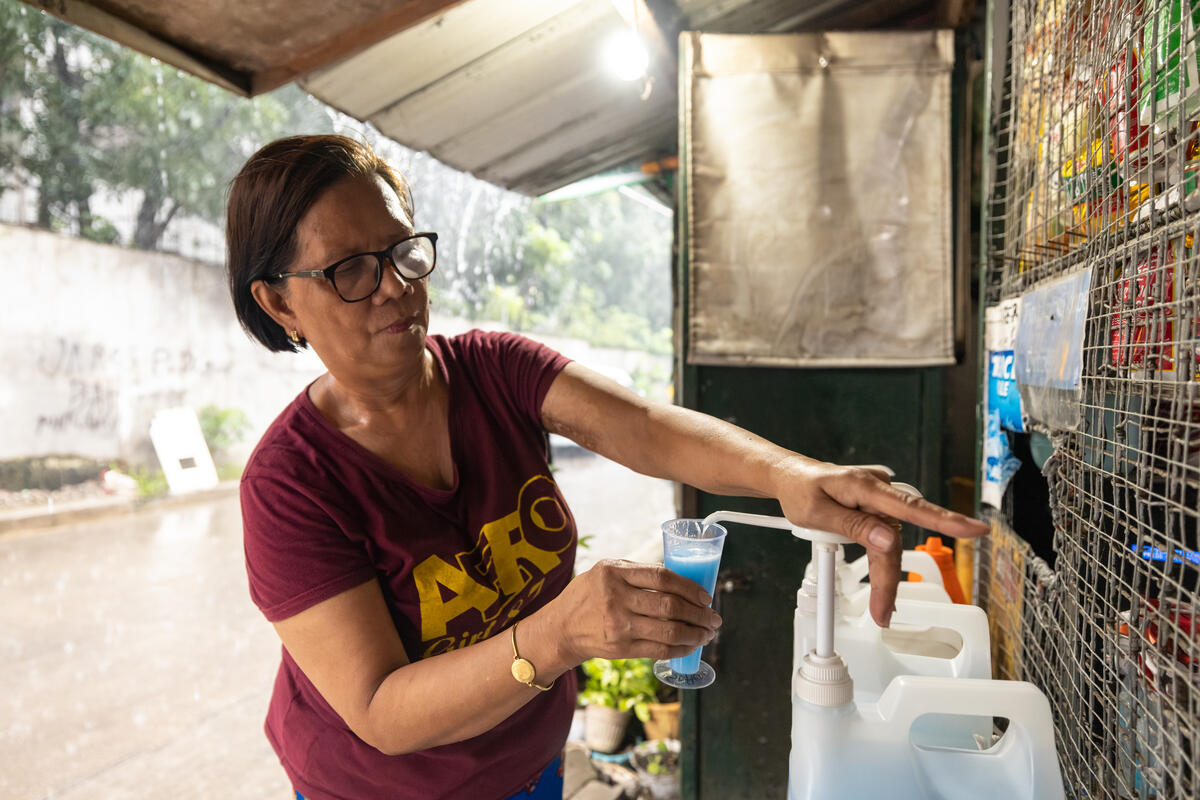
In Manila, Philippines, neighbourhood stores are already operating as reuse and refill hubs, offering affordable and accessible alternatives to sachets. These systems deliver consumer savings and retailer benefits while dramatically reducing waste. A pilot project in India called Beat The Sachet yielded similar results replacing sachets with refillable shampoo bottles allowing access to refill services. This successful and replicable initiative, that prevented over 5,000 sachets from entering the waste stream, will launch a larger project in the first half of 2026 with the support of the REUSE Foundation, and is being rolled out in other countries. Reuse pilots have existed and popped up all around the world. The reason they aren’t expanding further or thriving in certain contexts isn’t because there is a lack of interest or because the model flawed, but because corporations hadn’t set them up to succeed and haven’t invested meaningfully and across sectors to support the policy change and concerted effort needed to properly support the reuse revolution.
Unilever must change course
Successful reuse and refill models show that sachets aren’t a necessity. They’re a corporate choice — one with deeply inequitable impacts. Saabira Chaudhuri’s Consumed exposes how Unilever helped build a throwaway system that communities worldwide are now forced to live with. Shifting off sachets could very well take just as much intention as convincing people to shift to them, but if Unilever has proven anything, it’s that it’s capable of shifting a market.
The next chapter is up to Unilever’s leadership. To align with public expectations, environmental responsibility, and the direction of the Global Plastics Treaty, Unilever must:
- Commit to a global, time-bound phase-out of sachets
- Invest in reuse and refill systems at a scale matching its plastic footprint
- Support the reduction of out of control plastic production
- Shift innovation, design and marketing away from disposability
- Support a strong Global Plastics Treaty that prioritises reduction and reuse
Continuing the status quo is no longer credible or acceptable.
Anna Diski is a Senior Campaigner from Greenpeace UK. Sarah King is a Senior Strategist for the Plastic Free Future campaign from Greenpeace Canada.
Note: This blog was updated on 26 January 2025 to include details about REUSE Foundation’s Beat the Sachet project.
Discussion
Thanks Anna and Sarah for mentioning our project in India. Would it be possible to name the project? It was called Beat The Sachet. We are currently seeking funds to help us extend the project to many more villages. It includes an initiative that provides new employment opportunities for women in lower-income communities. You can read more about Beat The Sachet here: https://beatthesachet.org. For more about the extended project and our funding work: https://www.reusefoundation.org/sponsor-a-village
Thank you Roger! We have updated the blog to mention the Beat the Sachet project.