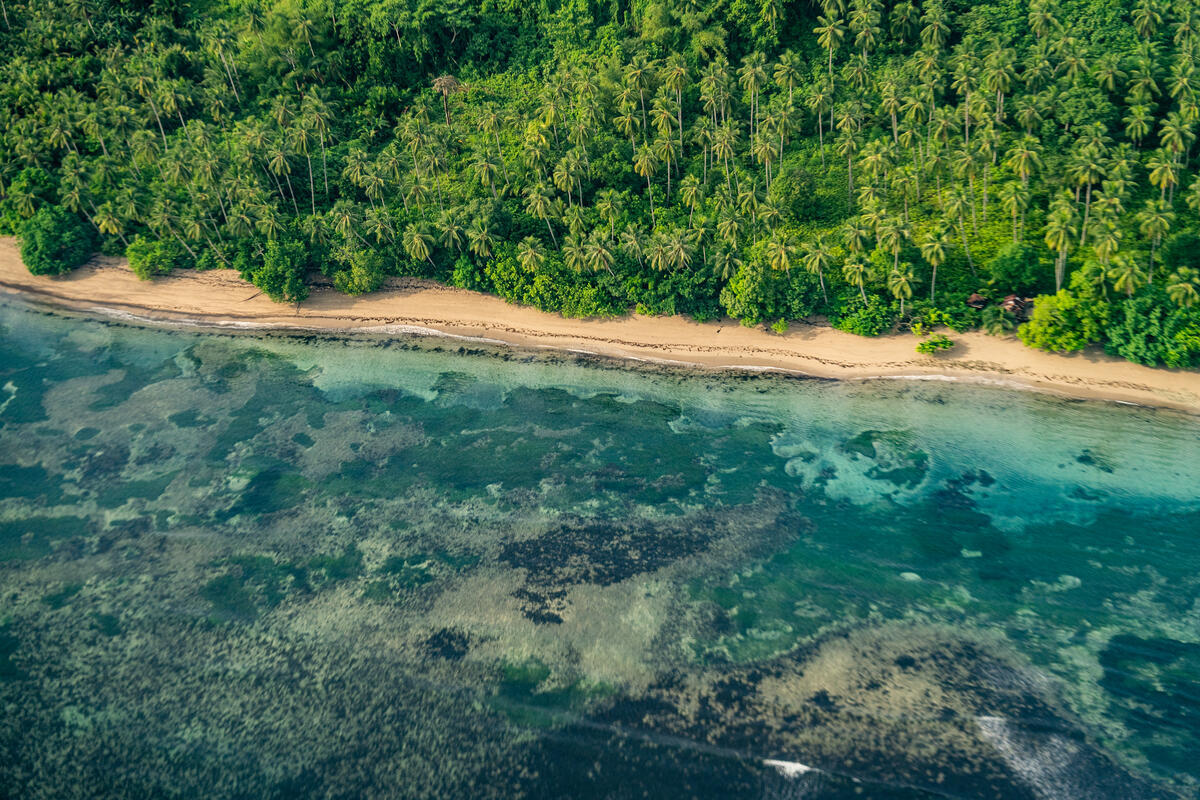
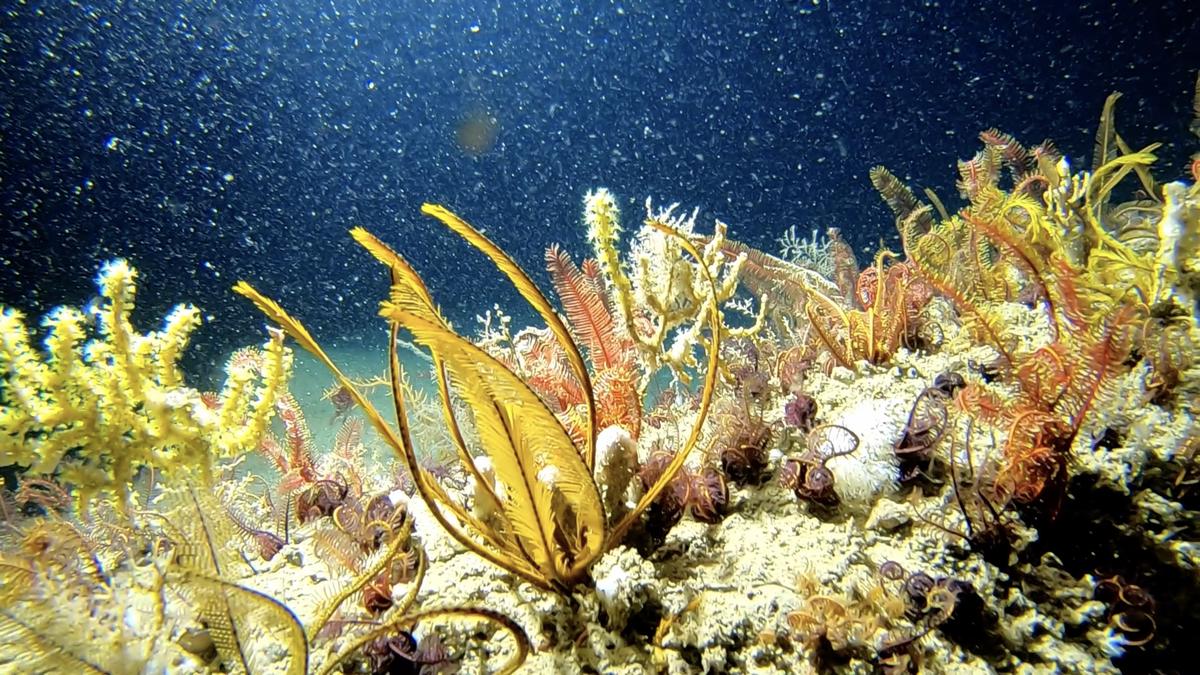
Only a few days into 2026, around 15 thousand cubic meters of drilling fluid leaked out of the well where Brazilian oil company Petrobrás has been drilling, near the Amazon River Basin. This area is well known for having an almost completely pristine ecosystem, that is still considered unexplored and home to the Great Amazon Reef.
According to the company, the leak was identified on 4 January 2026, at more than 9 thousand feet deep in the sea. Petrobrás announced a plan to halt activities for 15 days and stated that the fluid is composed of a mixture of solids, liquids and chemicals.
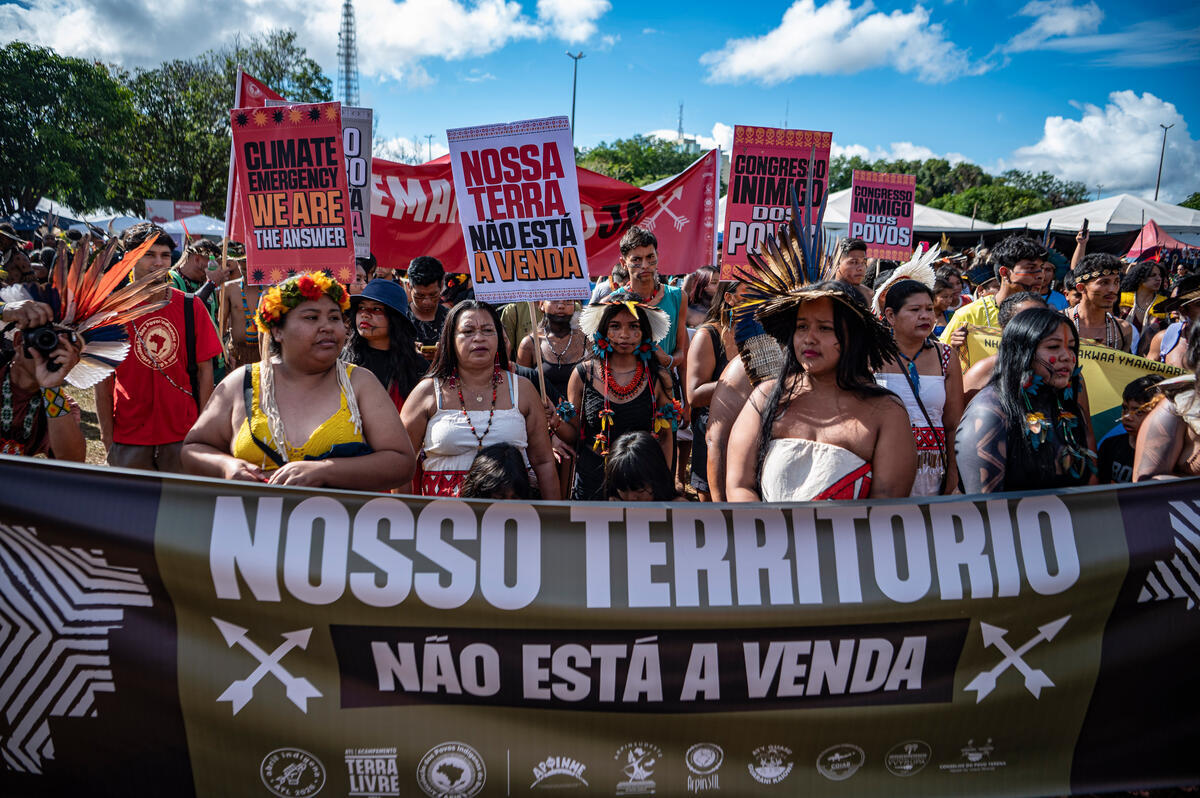
This is not an isolated incident but an alert, having been warned about in 2025 by a delegation formed by Greenpeace Brazil, local NGOs, Quilombolas, Indigenous movements and fishermen communities, in a filed lawsuit in the Federal Court against Brazilian Environmental Agency IBAMA, Petrobrás and the Brazilian State. The delegation requested the immediate suspension of activities and the cancellation of the operating license granted to Petrobras for exploration.
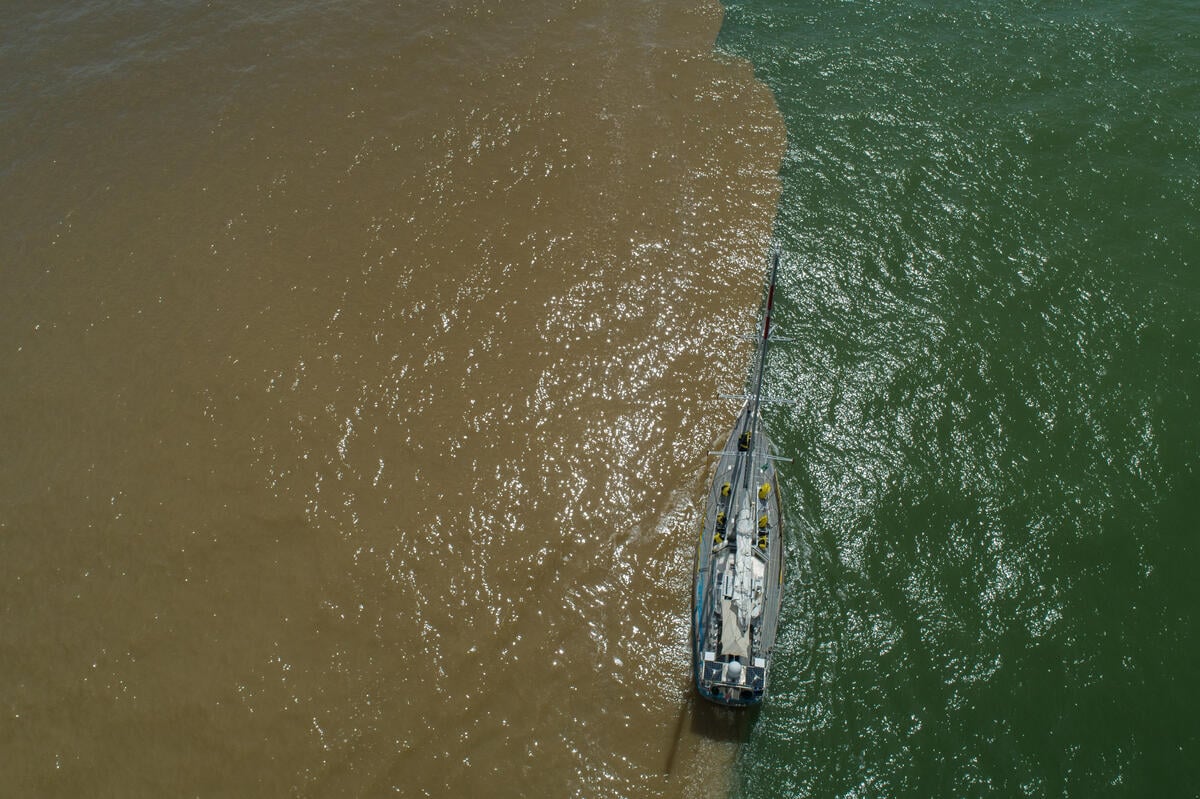
The Greenpeace sailboat Witness is conducting the Protect The Amazon Coast Expedition with the aim of documenting the potential impacts of oil exploration on the Amazon coast.
This latest leak has a direct relationship with the environmental risks pointed out during the licensing process. An oil spill near the Amazon River Basin can be devastating to the delicate ecosystem of the region, and to the local communities who depend on a healthy ocean for their livelihoods. Information about the leak was taken to the lawsuit, in which the authors reiterate the urgency of an immediate action by the Federal Court in suspending the operating license.
According to a lawyer from Greenpeace Brazil, between 1975 and 2014, operations of this type were responsible for 95.22% of the accidents recorded on drilling platforms and production in deep water. The impacts and risks are obvious, so the judicial measure of suspension of activities is necessary, based on the principles of prevention and precaution.
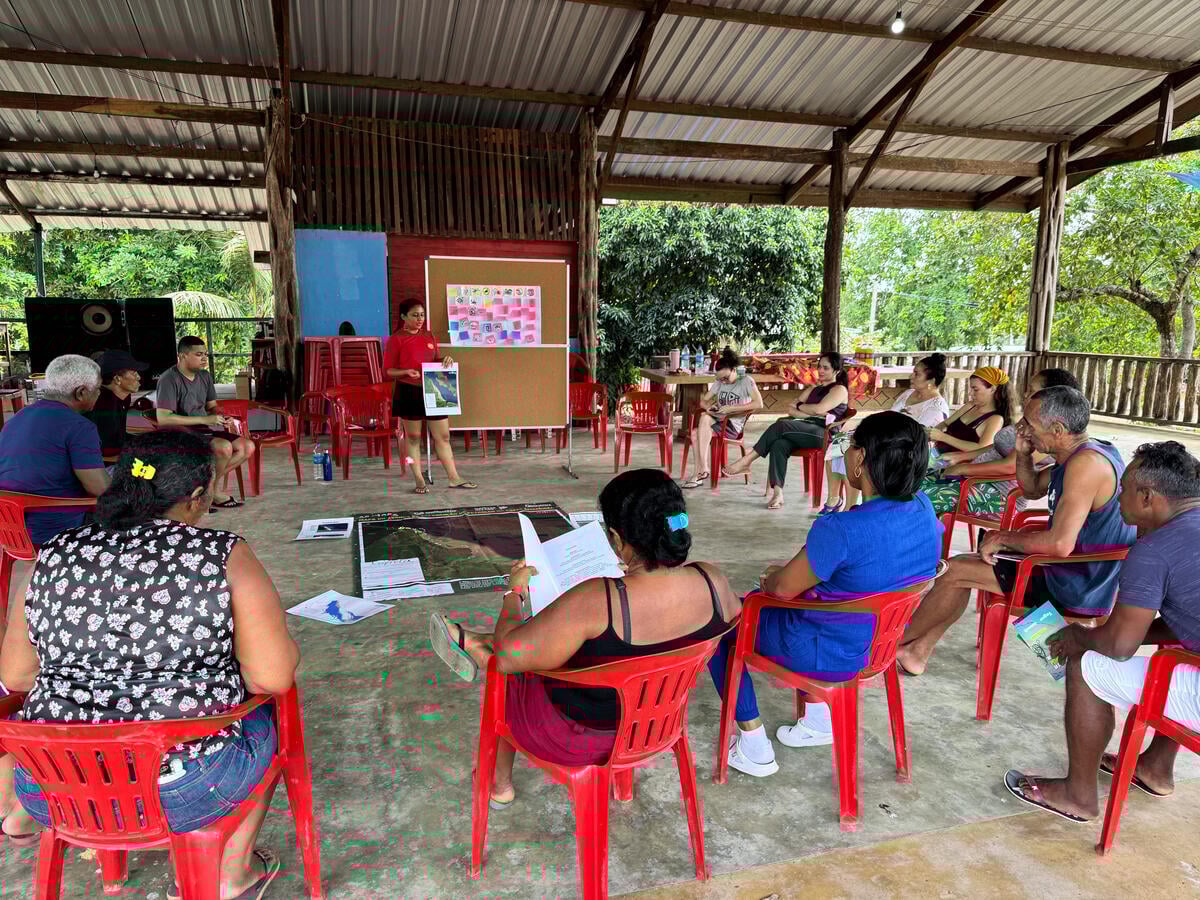
Oil exploration in the Amazon is a real, predictable and an avoidable risk. Still, drilling continues, even with insufficient environmental impact studies, without consultation with impacted communities and without assessment of climate impacts. It’s time for fossil fuel phaseout and a just transition that puts people, dignity, and a fossil-free future first.
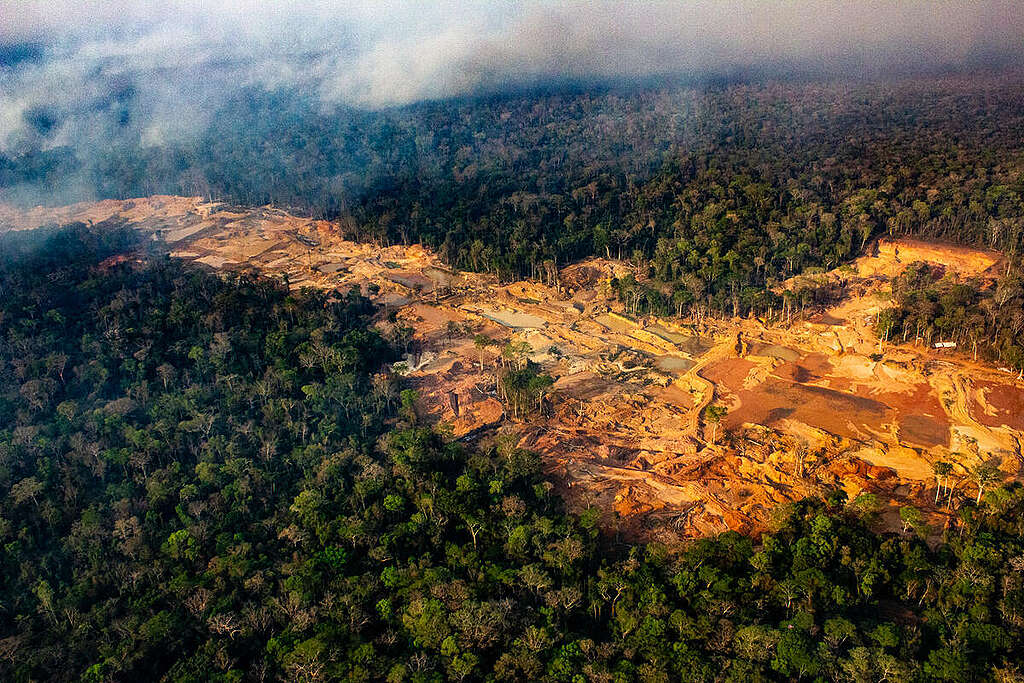
Ask political leaders to act on their promises to stop Amazon destruction.
Join the MovementMarlon Marinho is a Multimedia Editor with Greenpeace International.