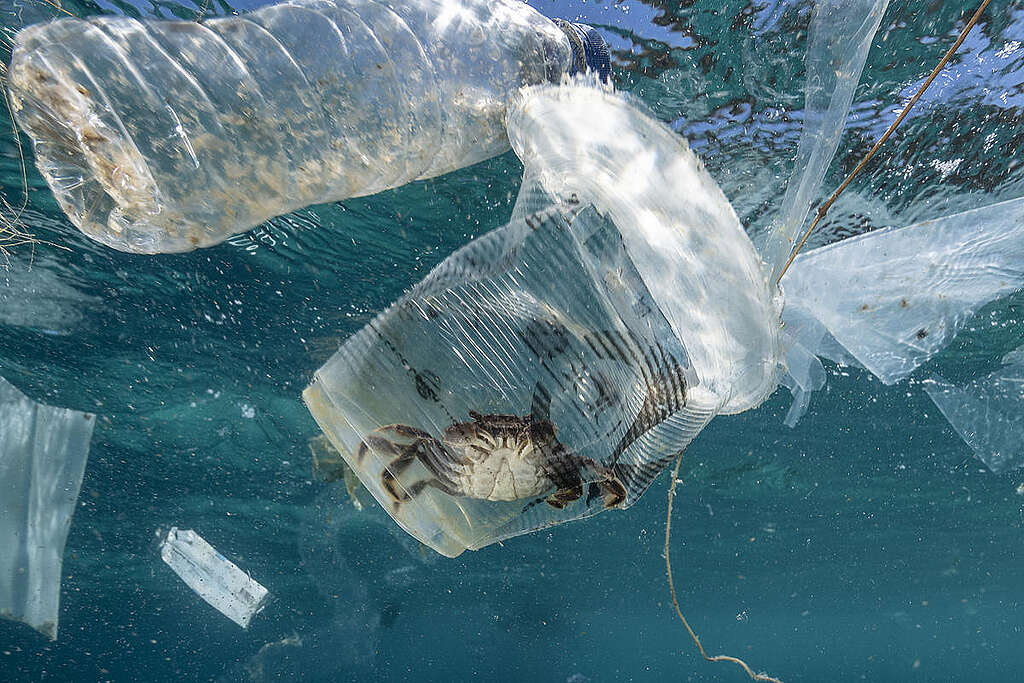
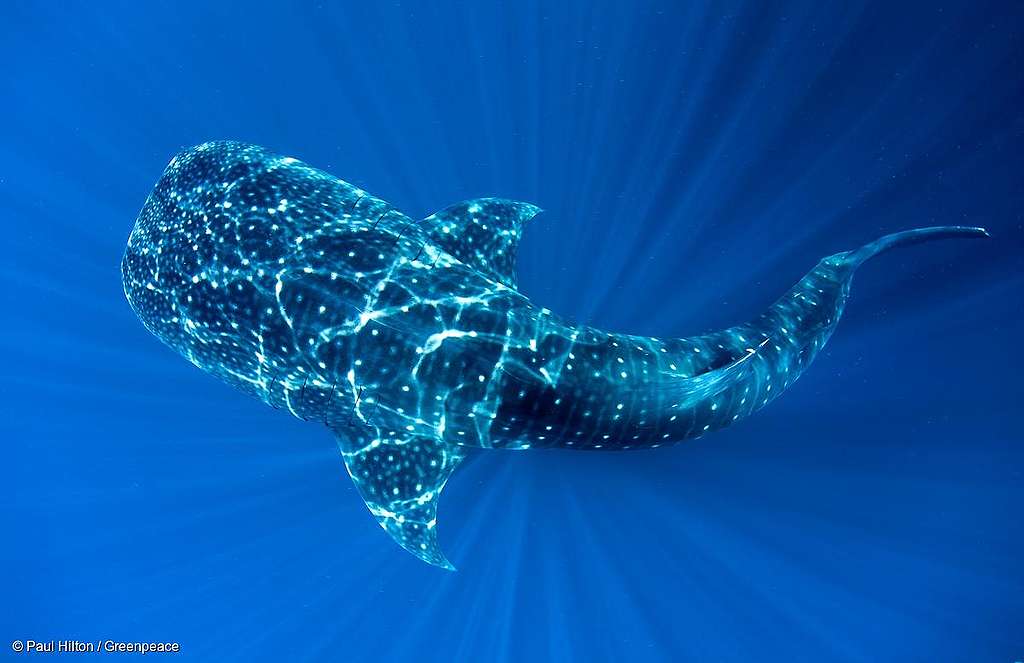
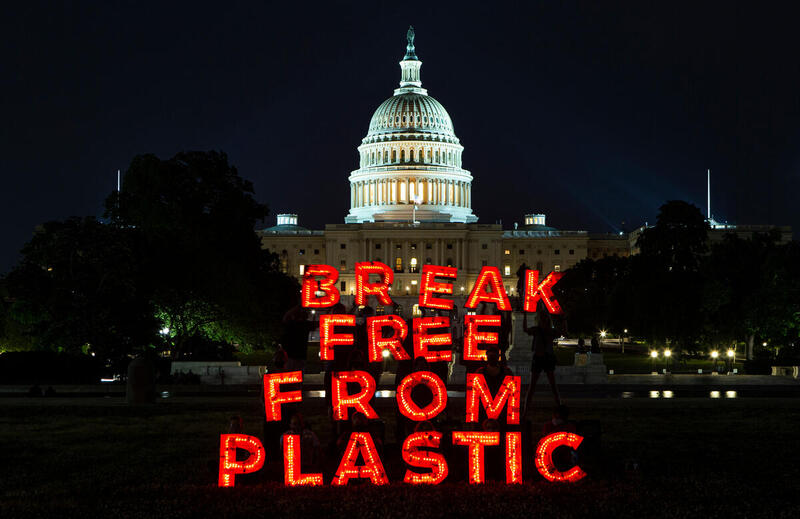
We’ve all seen plastic bottles, food wrappers, and plastic bags choking the oceans and the beaches. We’ve all been horrified by stories of seabirds and whales starving to death with stomachs full of plastic. But did you know the true scale of this crisis lies hidden beneath the waves?
So how does plastic get in the ocean in the first place? And why is plastic pollution in the ocean so deadly to marine life?
On this page
Take the Plastics Quiz
Before we look at the answers to these questions, test your knowledge! Do you know which marine animals are most at risk from plastic pollution or what the ocean might look like in 2050?
The deadly cost of plastic pollution in the ocean
The impact of plastic waste is devastating. Today, there are an estimated 170 trillion plastic particles afloat in the world’s oceans, creating a toxic “plastic smog” that threatens every level of the marine food web.
The cost to wildlife is staggering:
- It is estimated that 100,000 marine mammals die each year from ingesting plastic or getting tangled in ghost gear like nylon fishing lines, nets, and ropes.
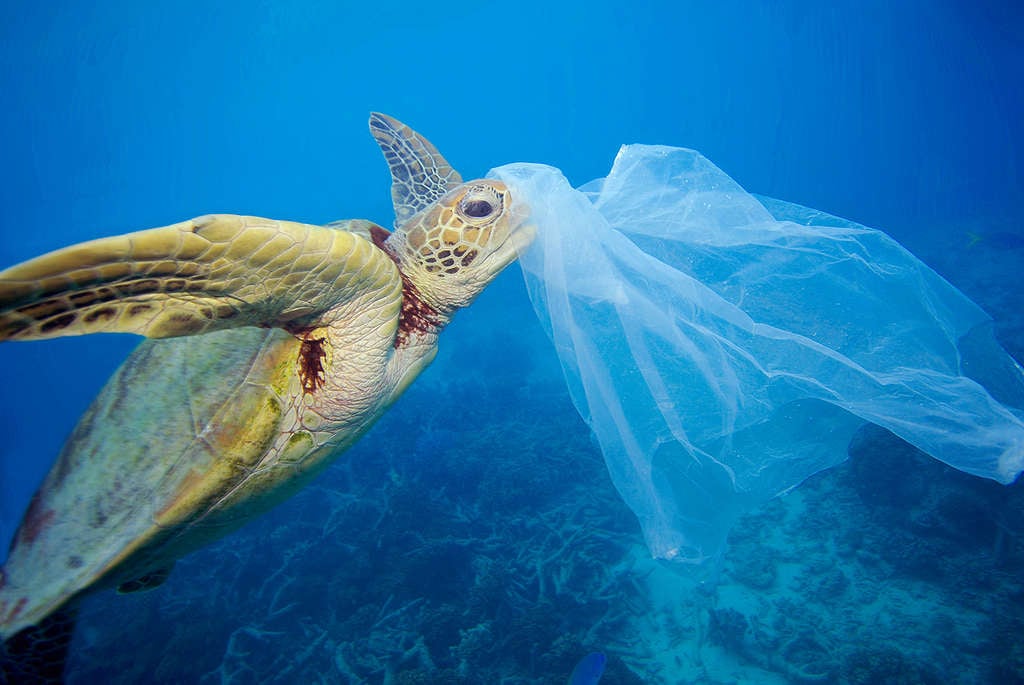
- Research suggests that 52% of all sea turtles have ingested plastic. The danger is often a case of mistaken identity. In the murky waters, a floating plastic shopping bag looks remarkably similar to a jellyfish, a leatherback turtles favourite food.
- Studies have found that up to 9 out of 10 seabirds, and more than half of all whale and dolphin species, have swallowed plastic.
How does plastic get in the ocean?
Historically, the golden rule of marine conservation was that 80% of marine litter comes from land. This widely cited figure originated from a 1990 UN-affiliated report (GESAMP). While it served as an important wake-up call for decades, modern science suggests the reality is more nuanced.
Down the drain
Many people were horrified to discover that tiny pieces of plastic known as microbeads have been added to all sorts of personal care and cosmetic products that are washed directly down the drain – from face scrubs to shower gels to toothpaste.
As many of these microbeads are too small to be filtered out by wastewater plants, these plastic pieces are remaining in water that may end up flowing into the ocean.
That public outrage at these microbeads polluting our oceans combined with concerted campaigning has led to governments across the world banning products from containing microbeads, including NZ, the UK, US and Canada.
But plastic in cotton buds, facewipes or sanitary products that are flushed down the loo, and even plastic fibres in clothing that shed in the washing machines still pose a risk for plastic entering the ocean.
Industrial leakage
Finally, lax standards in industrial processes are responsible for some plastic getting into the environment, either when products containing plastic aren’t disposed of properly, or escaping during the production and or transporting of products.
For example, thousands of the tiny plastic pellets used to make plastic products, known as nurdles or mermaid’s tears, are washed up on UK shorelines every year, polluting nearly three quarters of UK beaches at a count in February this year.
Ghost gear
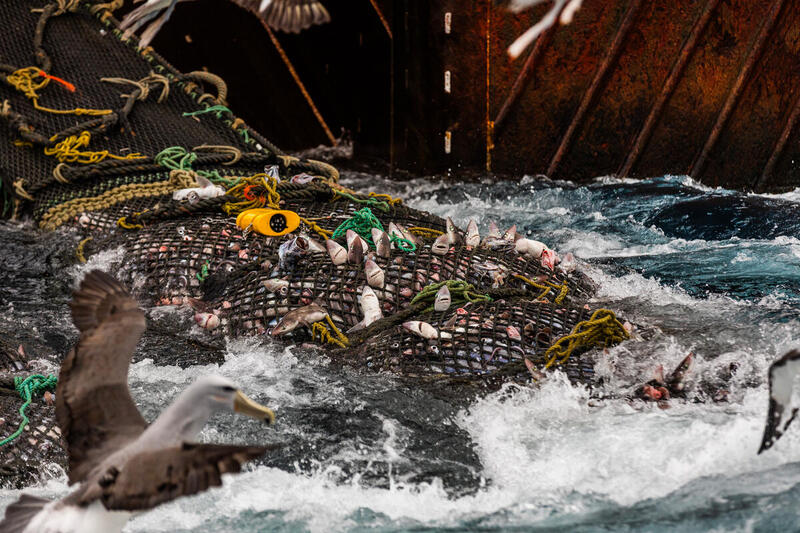
Recent studies of the Great Pacific Garbage Patch reveal that in the open ocean, the vast majority of floating mass (up to 86%) is actually “ghost gear” such as nets, ropes, and traps from the fishing industry rather than land-based consumer waste.
However, this doesn’t let other polluters off the hook. For coastal waters, the science is clear: the biggest culprit is still land-based waste generated by corporate polluters.
Research confirms that millions of tonnes of mismanaged plastic enter the ocean every year. This waste is often blown from landfills or washed into drains by rain, traveling through our waterways before finally reaching the sea.
The corporate source: Turning off the tap
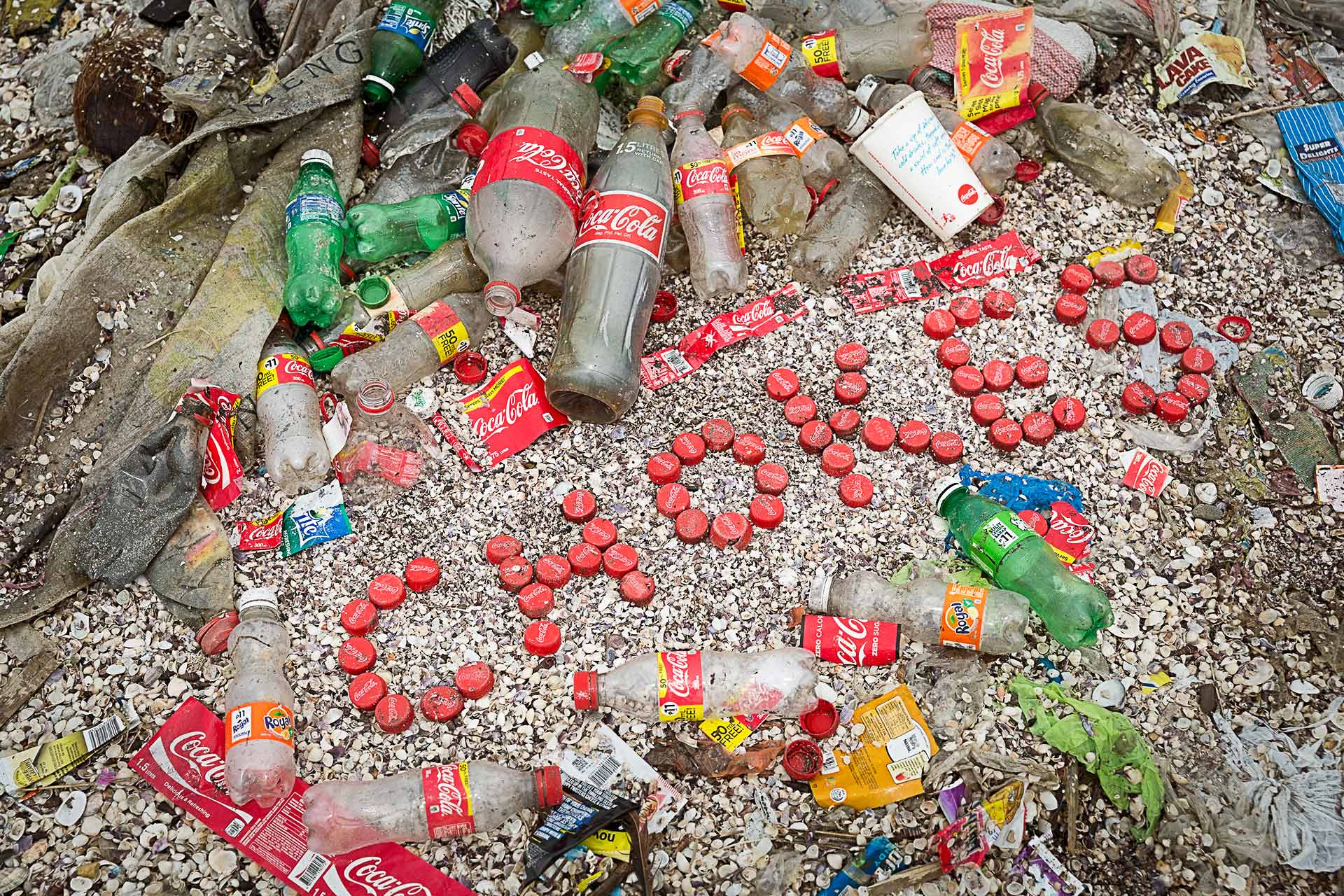
While waste mismanagement is a major factor, the root of the problem lies with the corporations that produce this plastic in the first place. The reality is that companies like Coca-Cola and Unilever are simply making too much plastic.
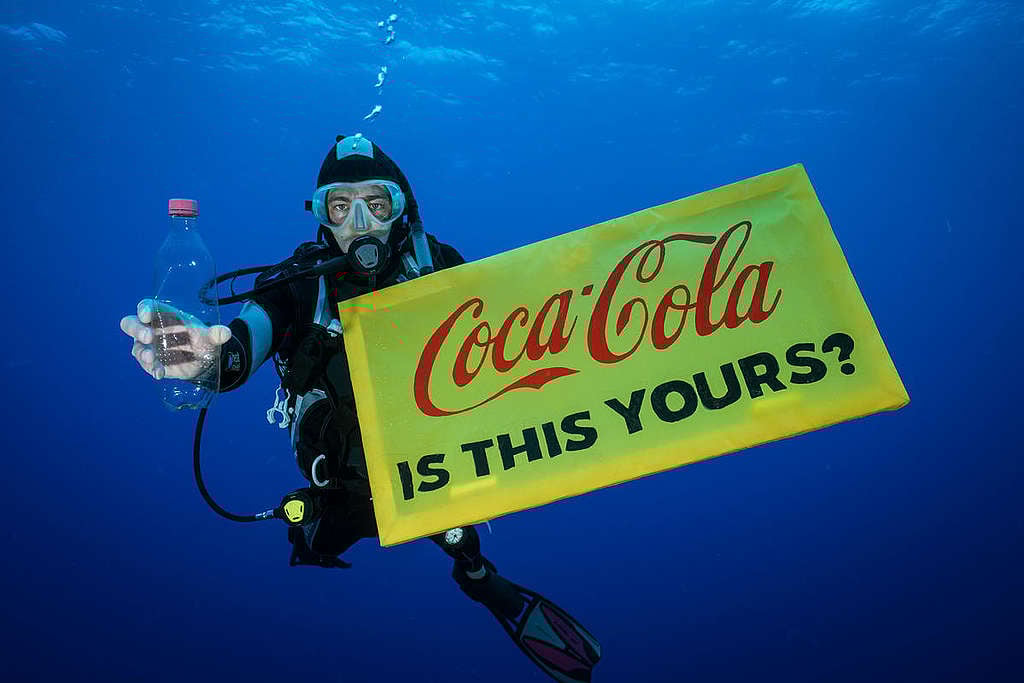
Despite years of promising to “do better,” these corporate giants continue to pump out single-use plastic at alarming rates. In late 2025, reports confirmed that Coca-Cola had actually increased its plastic use by 4.6% in a single year, churning out nearly 8 billion pounds of plastic packaging annually.
Similarly, Unilever remains one of the world’s biggest polluters, selling billions of non-recyclable multi-layer sachets every year. It is estimated that they make over 1,700 sachets every single second.
Instead of switching to renewable materials or scaling up reusable packaging, these companies are backing away from their own targets. By 2026, both Coca-Cola and other major beverage giants had quietly abandoned or watered down their commitments to increase reusable packaging.
The recycling myth
To distract from this overproduction, these companies rely heavily on greenwashing. They market their products as “100% recyclable” or “ocean-bound plastic” to make consumers feel their choice is sustainable.
This is often misleading. For instance, while a bottle might be theoretically recyclable, the vast majority of the world lacks the infrastructure to actually process it.
With global recycling rates stuck at just 9%, the “recyclable” label is often meaningless in practice. It shifts the blame onto the consumer while the companies continue to profit from cheap, fossil-fuel-based plastic that is designed to be thrown away.
A warning for 2050
If we don’t act now, the future looks grim. Projections suggest that if current production and waste trends continue, by the year 2050, there will be more plastic in the seas (by weight) than fish.
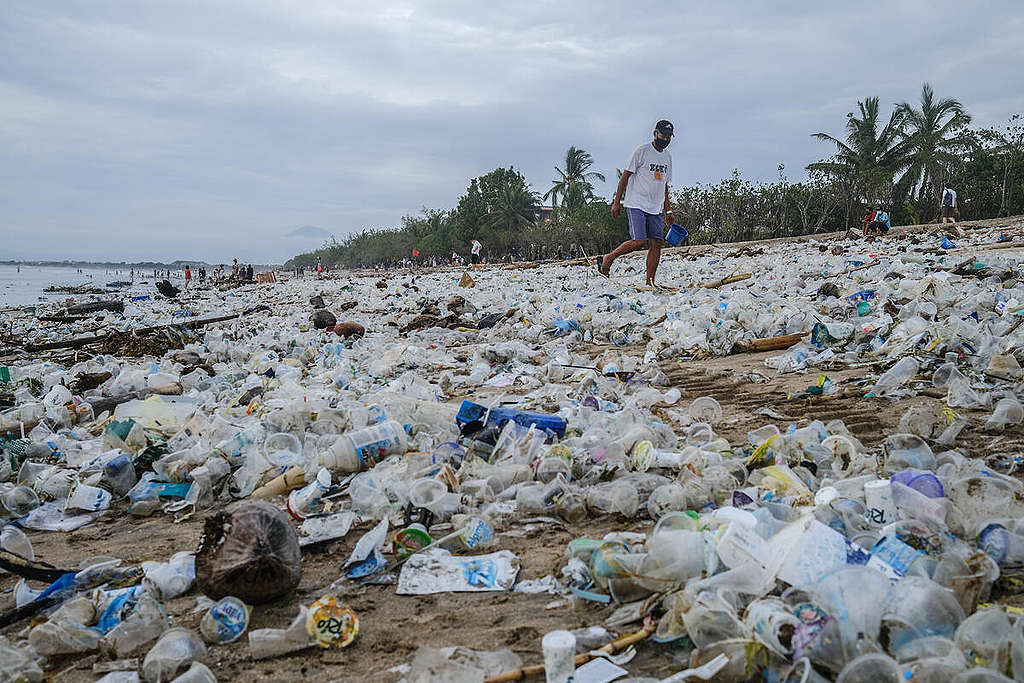
This isn’t just about unsightly beaches; it’s about the survival of our oceans.
How do we stop plastic waste in the ocean?
Once plastic is in the oceans, it flows on currents all across the world. That’s why we have to tackle the problem at the source. We need corporations to stop producing single-use plastic and governments to champion reusable alternatives.
We need to close the loop on plastic, ensuring it stops escaping into our environment and flowing into the oceans. Marine life simply cannot stomach any more plastic. And we can do that by working together.