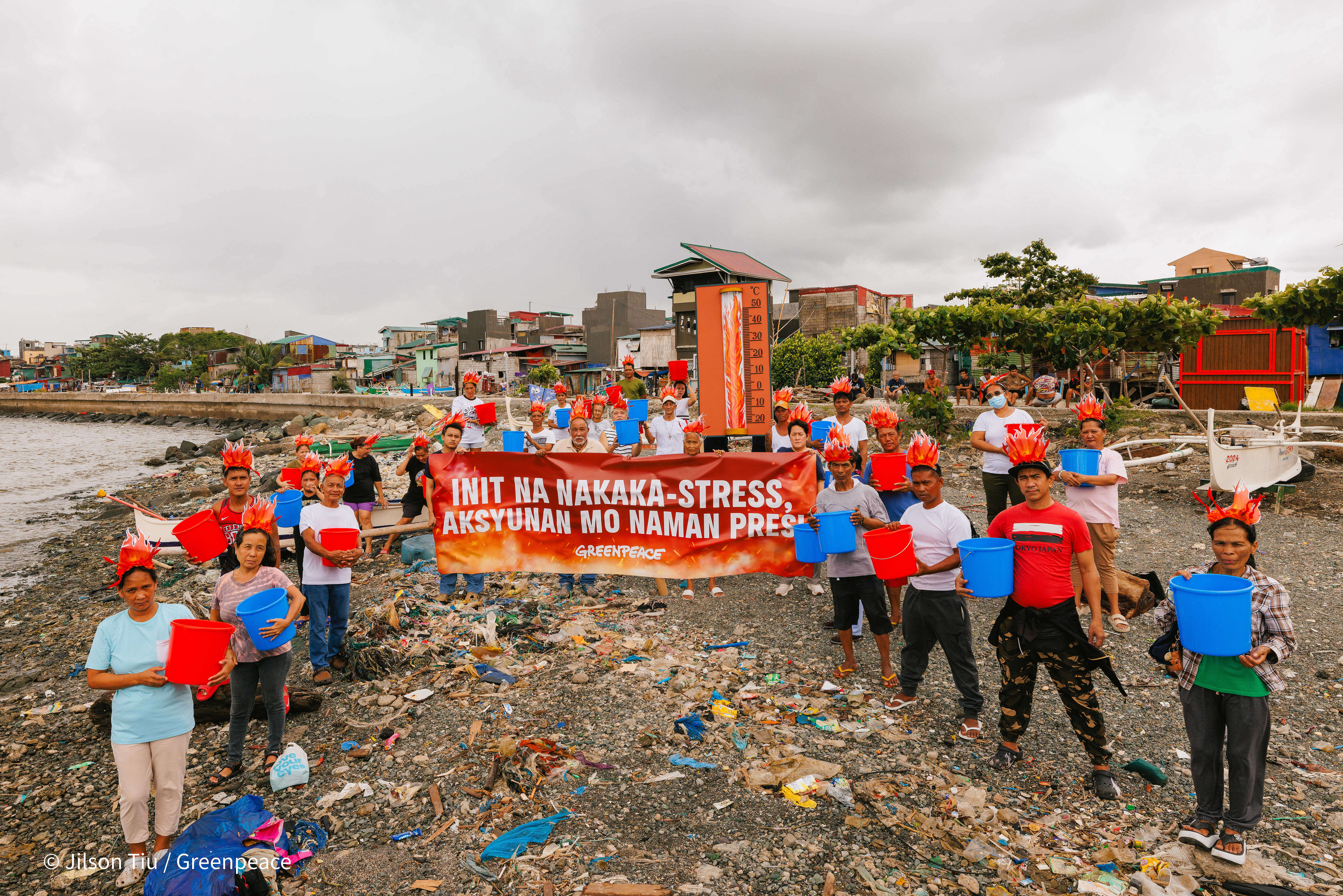
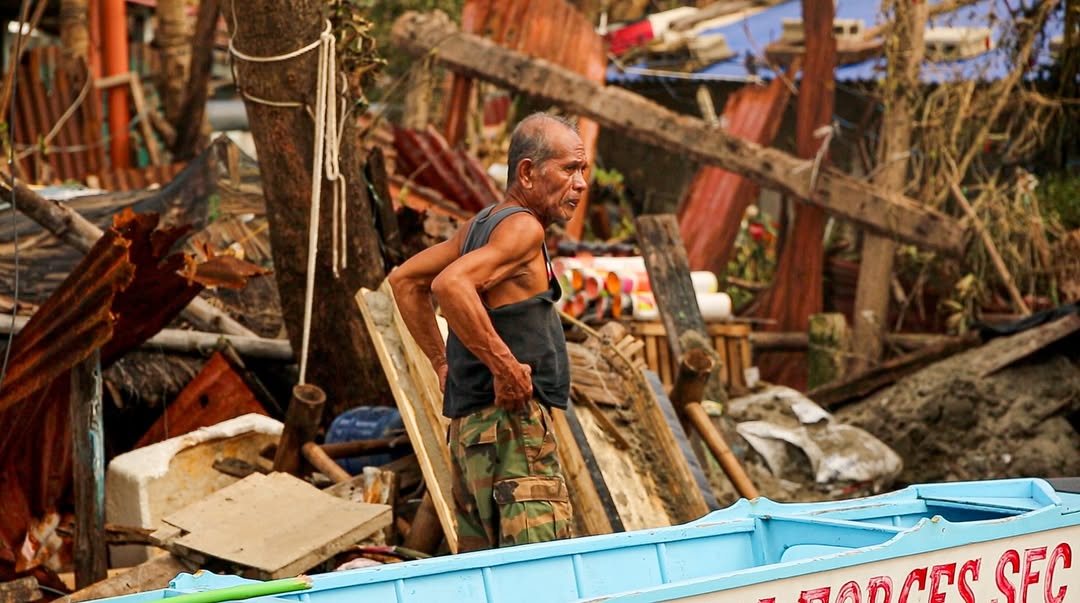
I also often find myself asking the same question, especially when the enclosing dates would collide with days already claimed by deadlines or personal plans. Going out there is rarely something I can accomplish in a day or two. Usually, it would require devoting, give or take, a week—and then, in some cases, going back several times just to make sure I fulfill what I was supposed to do or understand why I was sent there in the first place. The whole thing is an unglamorous and arduous quest that can sometimes even become tumultuous. “Hindi ka tatagal sa trabahong ‘to kung wala ang puso mo rito,” I remember someone telling me while hiking a mountain up in Sanchez Mira, Cagayan, after it had been devastated by Super Typhoon Egay in 2023.
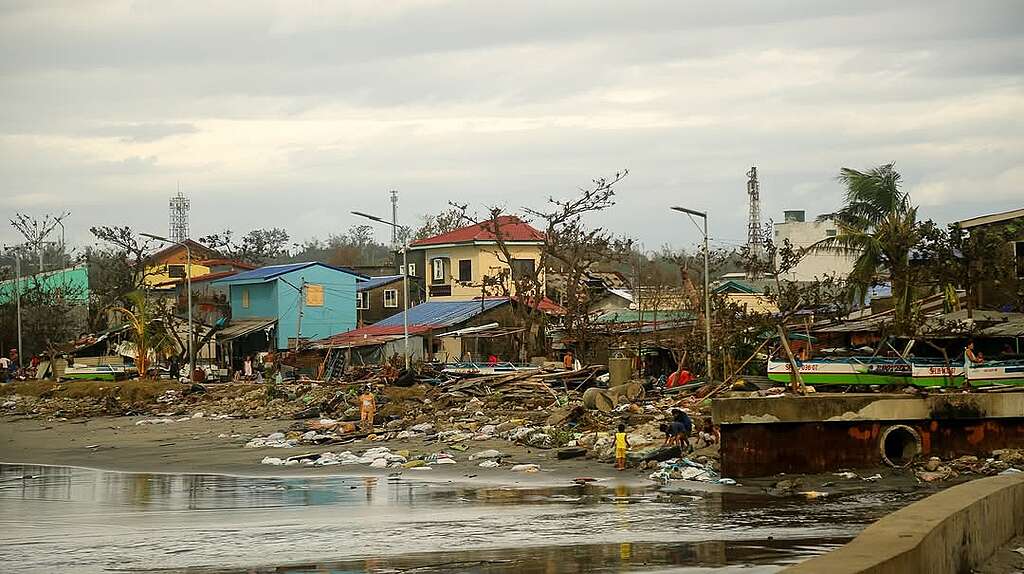
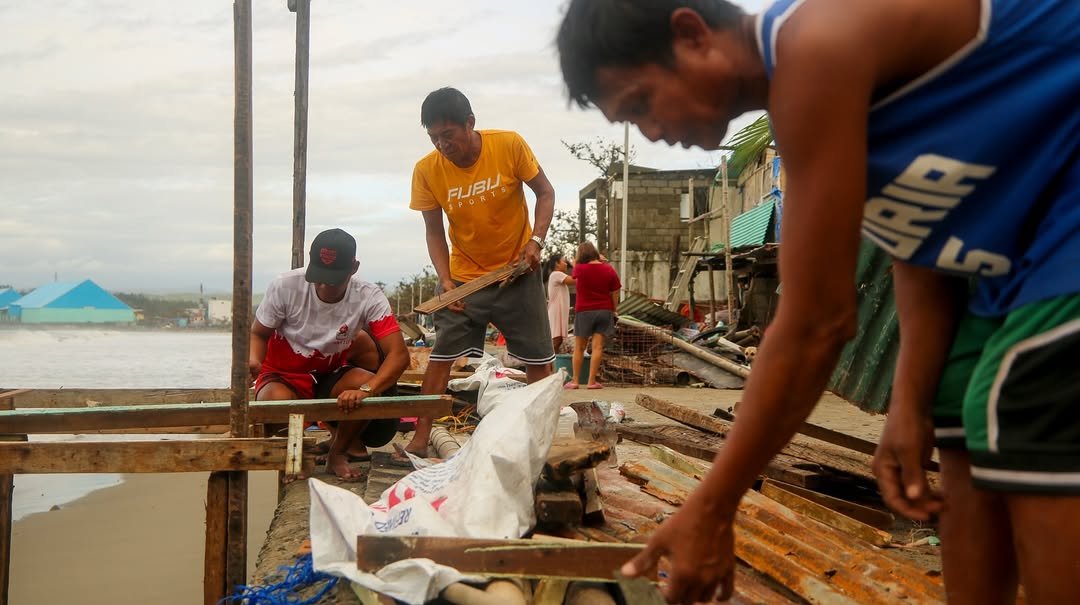
I begin this piece by telling you, albeit in the most superficial way possible, the effort it takes to go out there. I do this as an attempt at a long and winding answer when members of the public ask why some people need to go up the mountains, to far-flung communities, or to conflicted areas to do research. I am, however, nothing like the martyrs slain in Toboso. Their pursuit of liberating communities from violent and oppressive feudal systems is a far more noble undertaking than what I do. My case is limited to the kind of storytelling I am allowed to have and, if nothing else, because every job that I have had since I started working in 2019 said I had to. At first, the only motivation to show up at work were unpaid bills, sheer juvenile recklessness, and bravado. It’s not lost on me that had I not been in this line of work, my exposure to the brutality of the real world would have been limited to my online news consumption and little else.
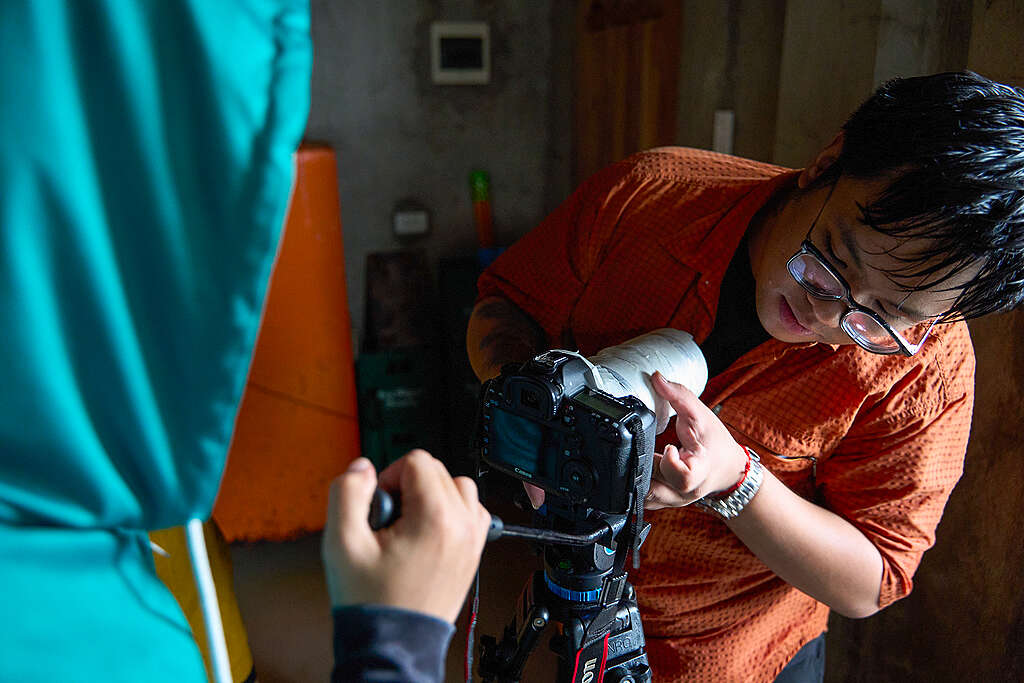
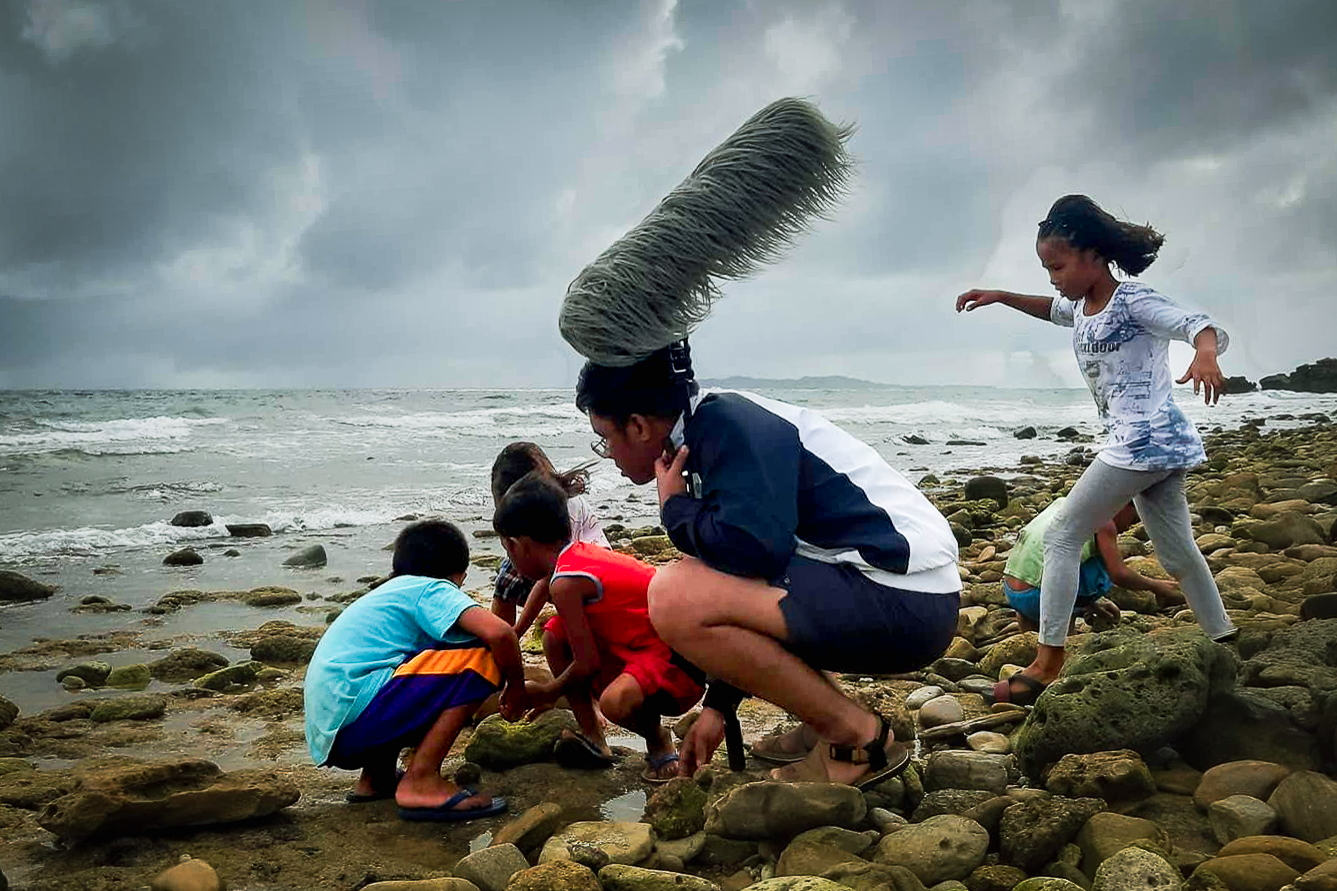
But I am in this line of work. Several times a year, I pack my bags and go out in the field along with other colleagues and volunteers. I hop on a boat, attach the lapel to the collar of the woman’s shirt, set up my camera by the shore, focus the lens, hit record, and then ask the questions. “Kumusta po kayo,” I would begin.
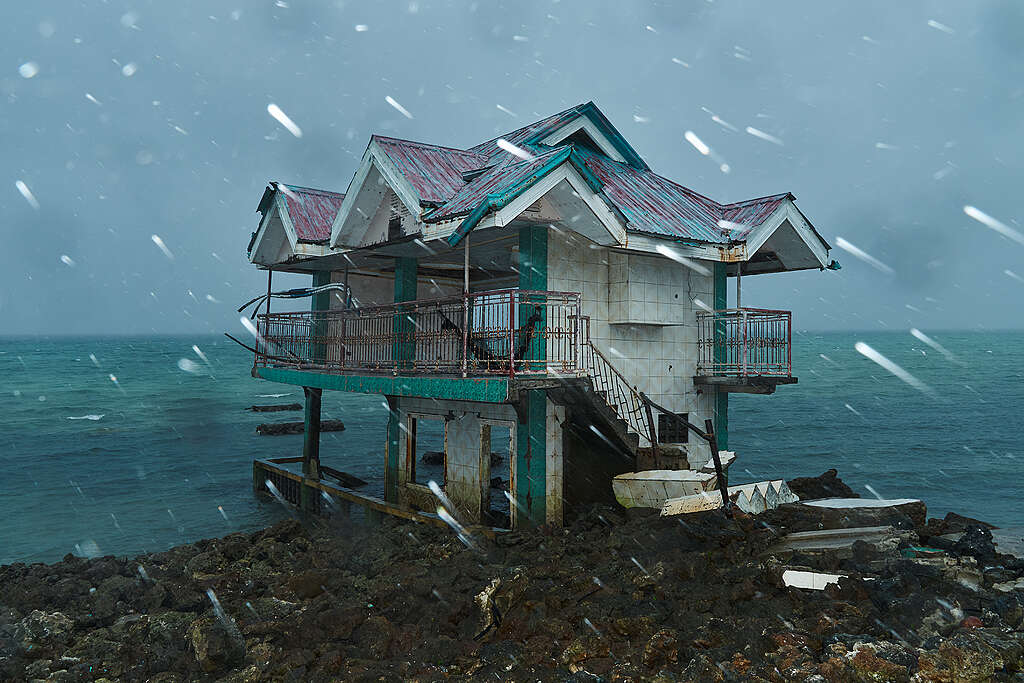
Ate Annie in Tubigon, Bohol would tell me they are well, and then a single word would usually signal the turning point where she admits to the woefulness of living in an island slowly being stolen by the waters—as if that word was a key to some unseen room where only the memory of black skies and howling winds played on loop. I would, for the most part, nod in understanding, as if it was possible to understand how it feels to be punched by raging sea water while grappling in the dark, searching for your family.
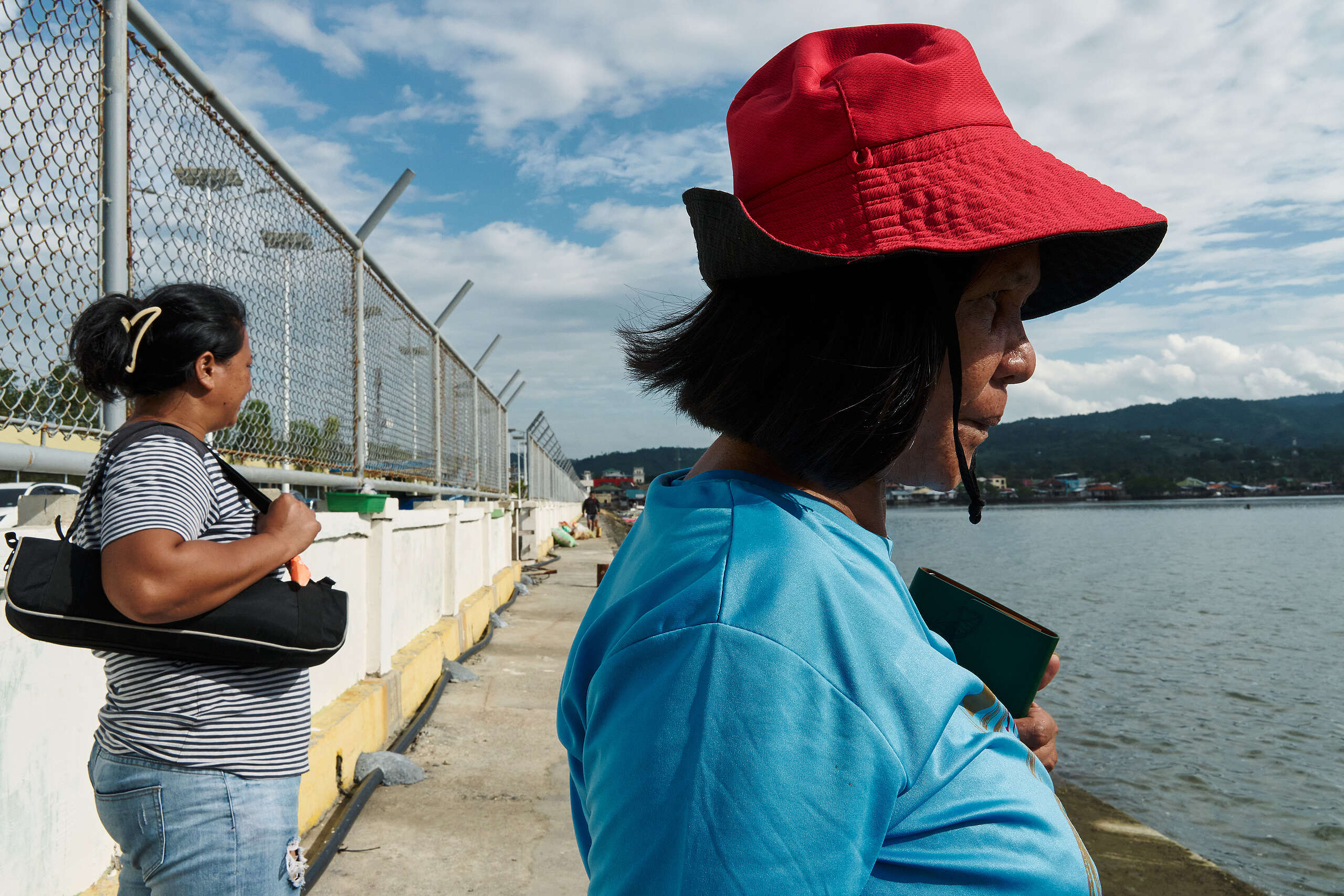
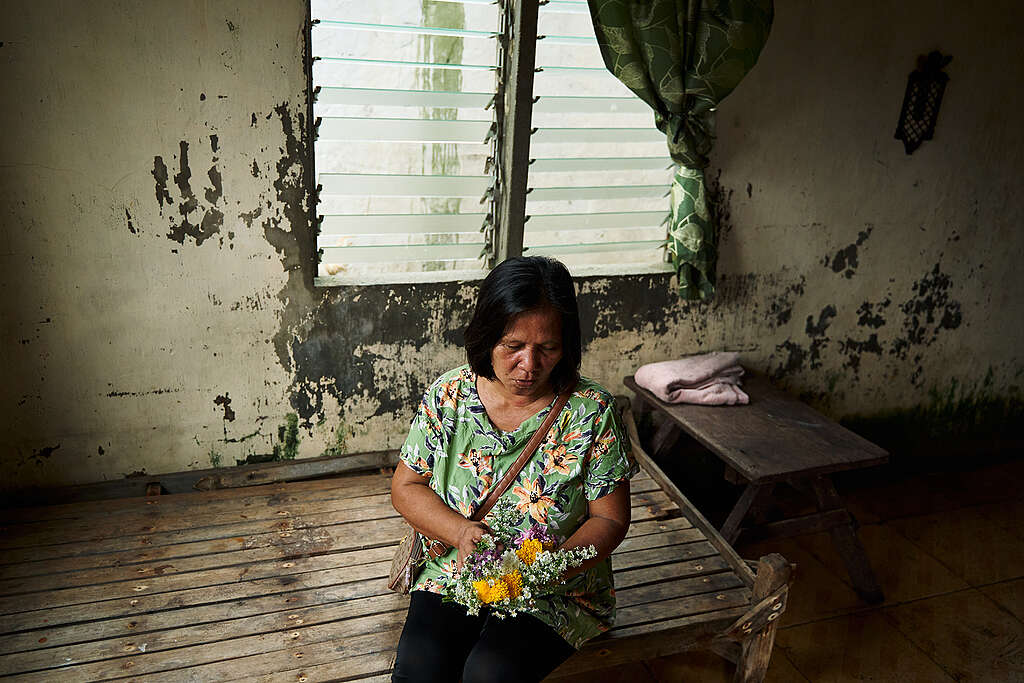
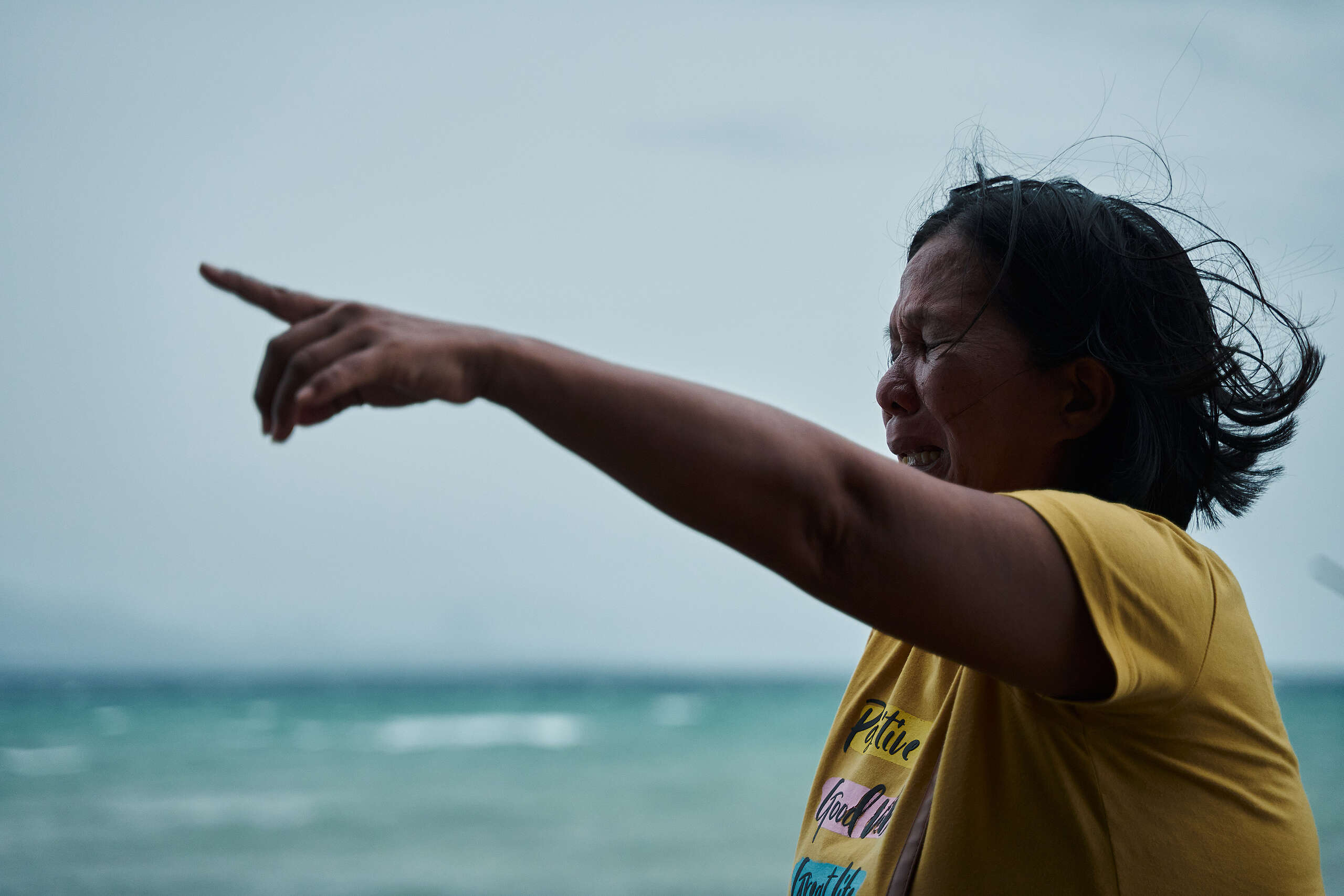
I have visited Ate Annie a number of times already since I first met her two years ago that I could, for example, tell you the story of how she fell in love with her husband, how she wept over shattered plates and glasses after a 7.2 magnitude earthquake struck Bohol in 2013, or how they managed to survive that night Super Typhoon Odette reduced their island to rubble in 2021. The non-profit organization that I work for allows me to engage with community partners like Ate Annie at a level where I often do not have to worry whether I could do follow up interviews or not. I am confident that I can choose not to write the story of why the place where Ate Annie lives is called Batasan because I know I will see her again sometime in the next few months. And when I do, she will tell me the story, possibly already for the fourth time, while helping me crack open a crab leg during lunch.
When I first decided to do this kind of work in the late summer of 2021, it was as a Media and Communications Officer for a non-government organization that focused on providing free legal services to underserved communities in Metro Manila, Mindoro, and the Bangsamoro Region. They sent me to the warren of twisting alleys down in Caloocan City to visit the houses of grieving women and children whose husbands, sons, and fathers had been killed in Rodrigo Duterte’s so-called war on drugs. Once, after they had started exhuming bodies of the victims because the lease on the apartment tombs they were leasing started to expire one by one, I sat behind a camera in front of a woman who told me she sometimes visits the grave of her two sons to ask them to take her with them. “Sobrang hirap na wala sila,” Nanay Sarah said, “sana isama na lang nila ako.”
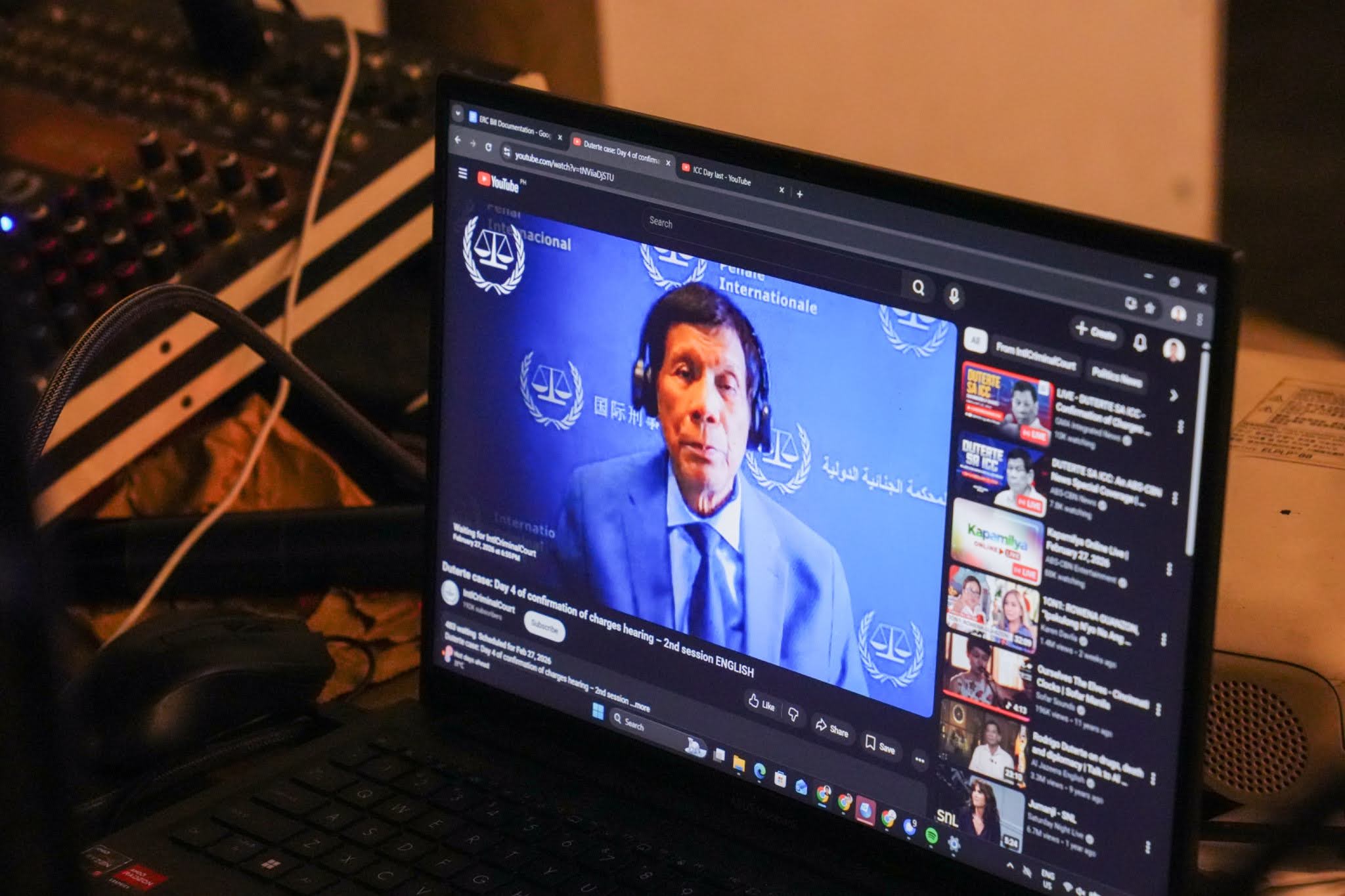
I saw her again, just a little over a month ago, at a viewing party for Duterte’s confirmation of charges at the International Criminal Court (ICC). “Sir,” Nanay Sarah called out as she offered her arms for a hug, “binati kita no’ng birthday mo. Hindi mo ako ni-replyan.” I was about to ask her if she remembers me. But, as it turns out, she does remember me and has been greeting me a happy birthday since I met her five years ago. It was just that she’d been sending the greetings to my defunct work account.
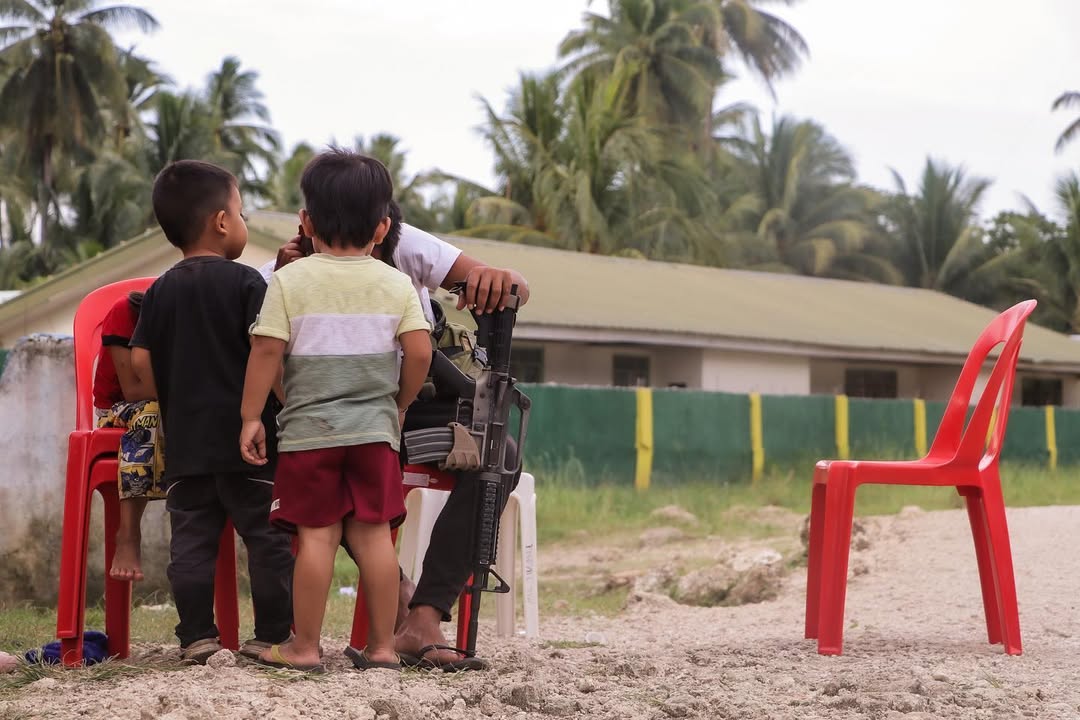
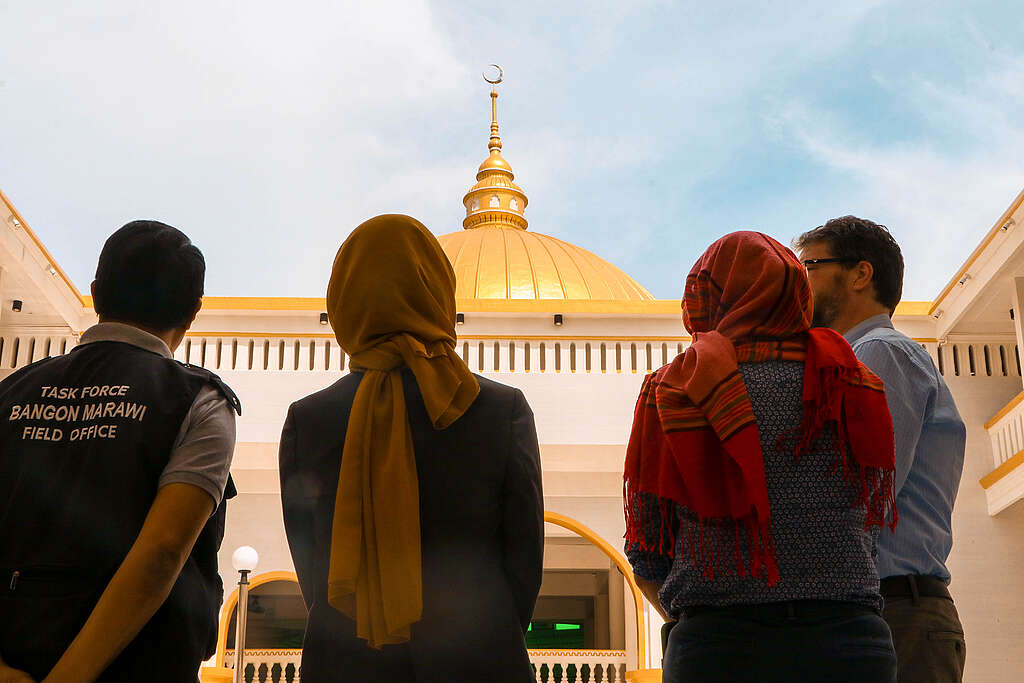
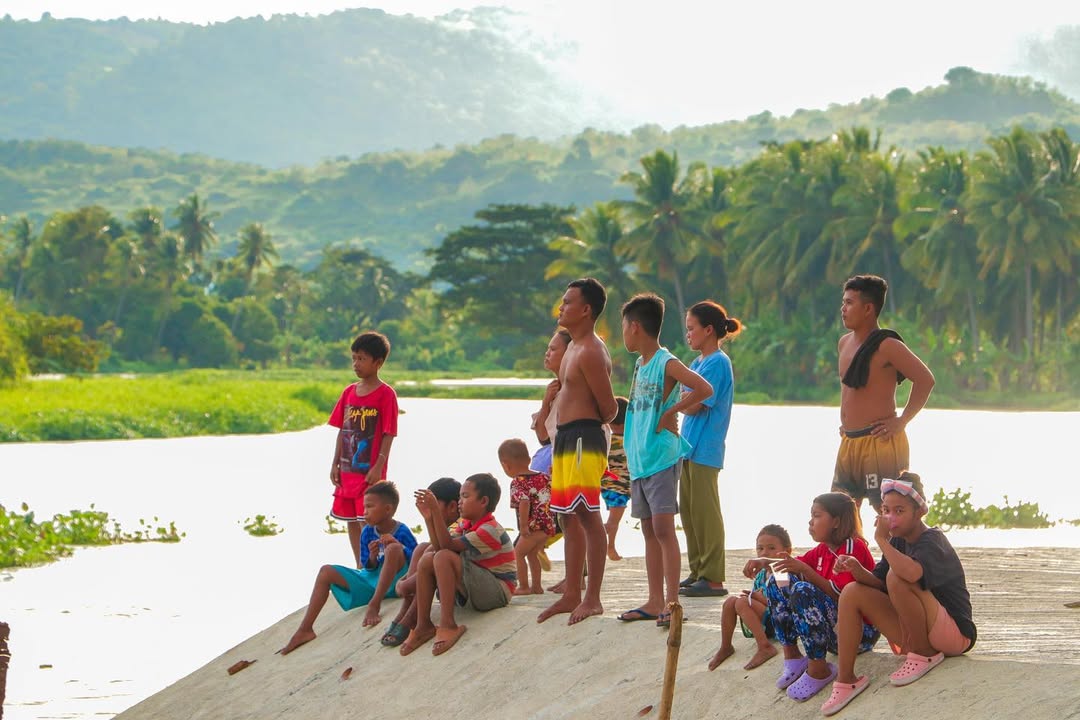
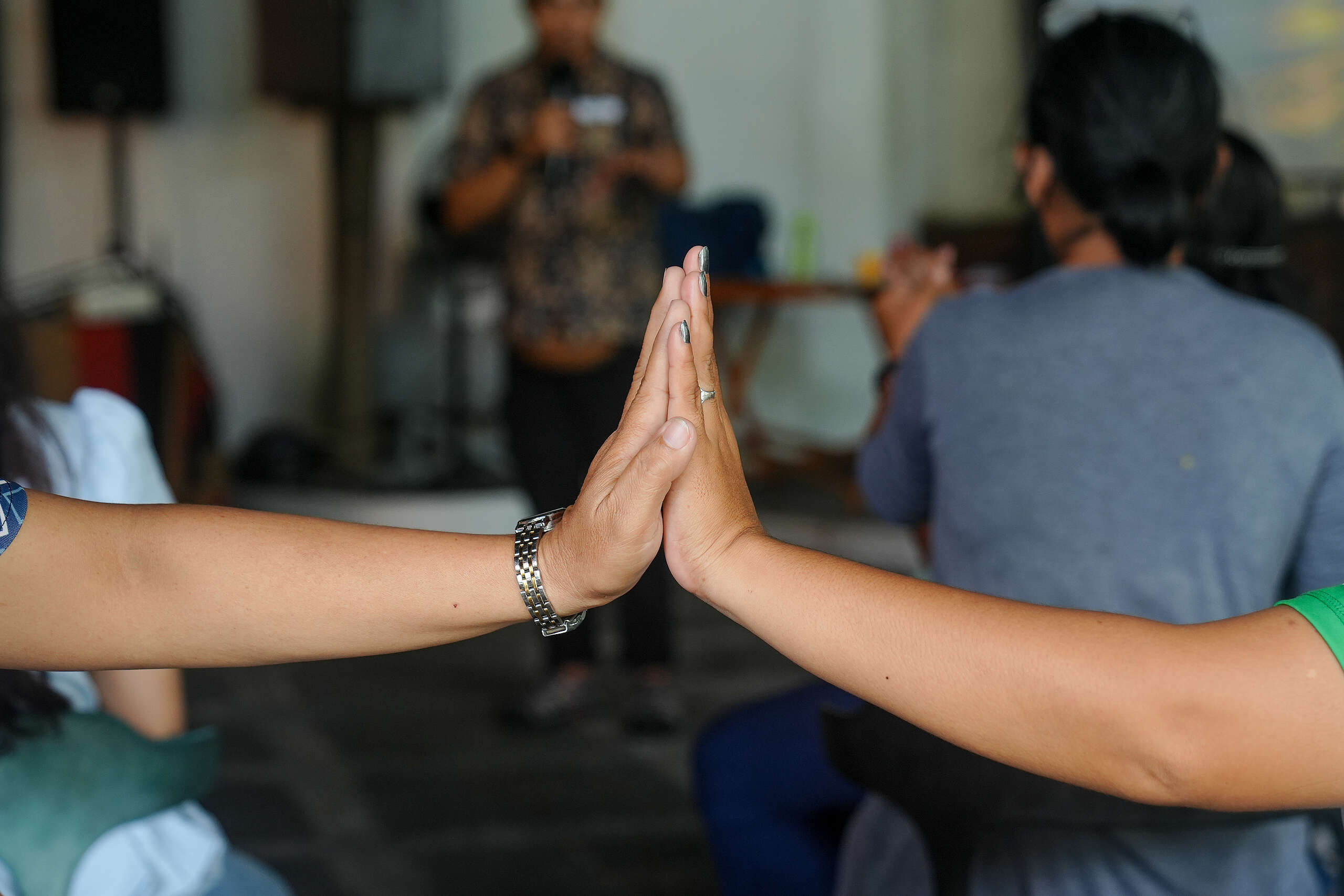
None of these familiarities—or, dare I say, relationships— were formed over a single interview. And I doubt they were because I sat behind a camera in front of them, working through the chronology of the questions written on my notebook. They were, I like to believe, forged while Ate Annie and I walked the singular road that cuts through Batasan Island as she showed me the skeletal remains of what were once houses, or while Nanay Sarah went through her phone’s gallery to show me photos of her sons. It was on one of the many days I spent out in a Moro Islamic Liberation Front (MILF) camp, about three years ago, that sometimes, after the conduct of a legal mission, a decommissioned combatant would call out my name and wave his hand goodbye, as we prepared to leave their area. None of these moments make it to the final cut of the videos I produce. None of them gets recorded by my camera. But it is this kind of interaction that allows for a dignified and nuanced portrayal. They are more than a survivor, an anguished mother, or an armed rebel. The quiet moments spent with them where they belong are what bring forth the humanity in the storytelling.
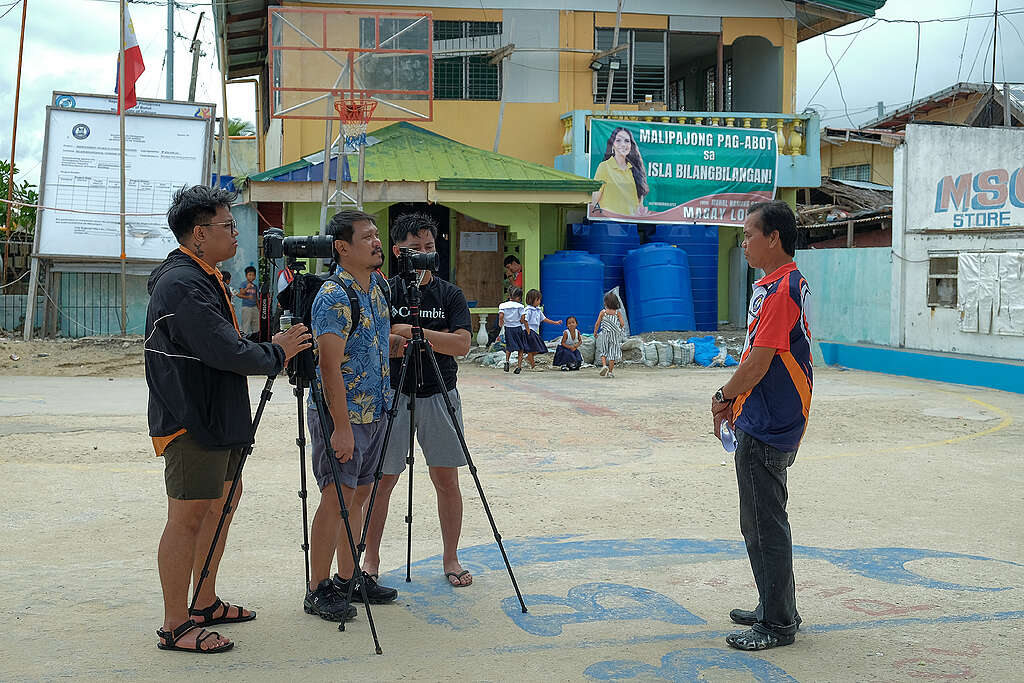
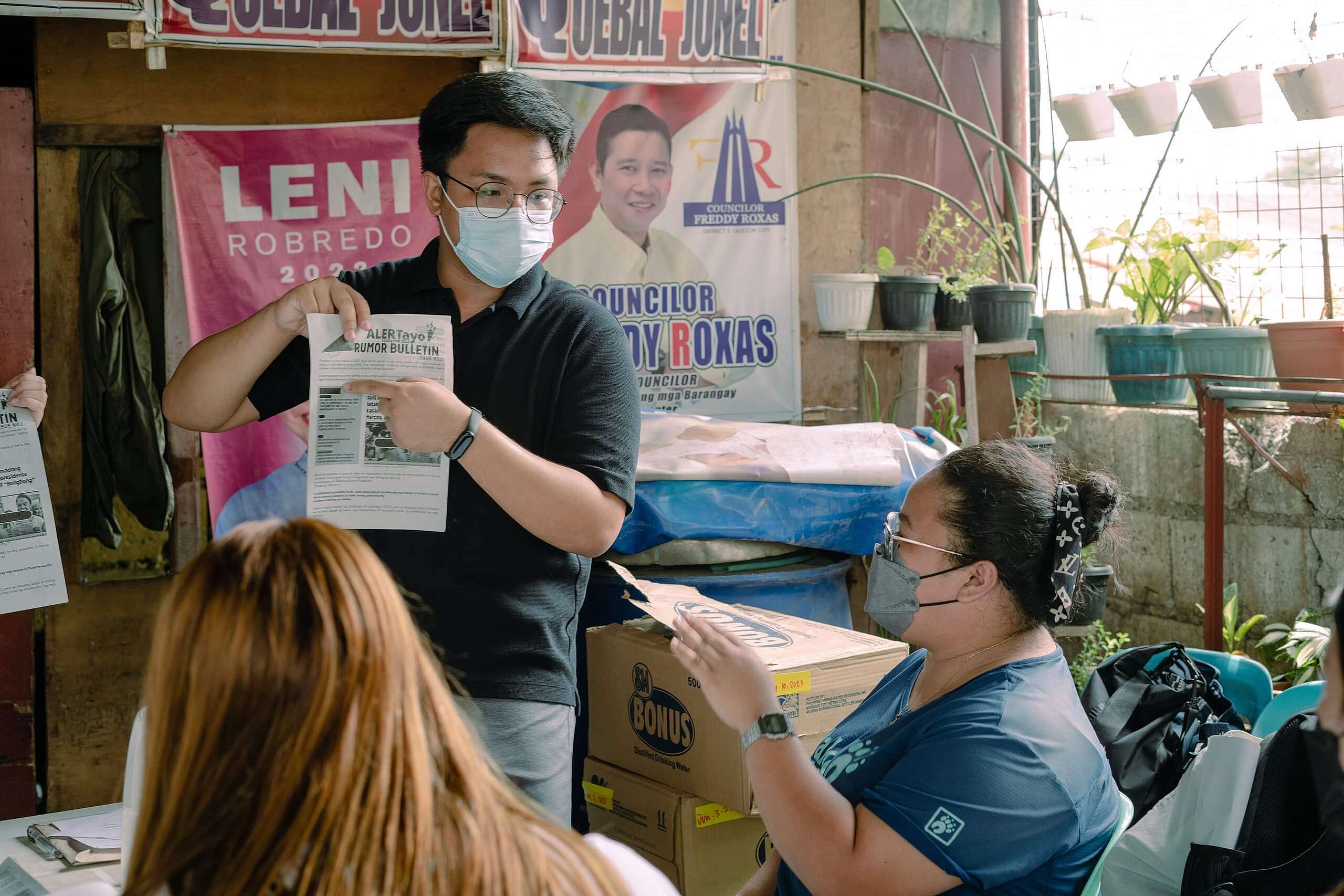
Being out there is what allows you to see beyond the gentle stream of tears when asked what they missed most about their son, or the way they used to live before the storm, the bullets, the armed men, before anything terrible came. This is what makes you hesitate to press the record button until you’re so sure you’ve done your best to frame the fisherfolk, or the farmer, or the child orphaned by the war, with dignity. It’s why you rearrange the clips in your Premiere Pro timeline, trying to find the perfect rhythm, trying to make the right cuts, trying to search for that thread that will weave everything together because it has to make some kind of sense so that the people who will watch it will, hopefully, be moved into action. It’s what makes you pause in the middle of writing a sentence to look up the meaning of a word, never mind that you’ve deployed it in your many other sentences or used it so casually in conversations you’ve had before, you need to look it up on Google because you don’t want to offend or misrepresent, only want to find the exact word that would convey the right emotion. It’s the least you can do for the story that was entrusted to you, for the human who bared heart and soul telling you that story, and for bearing witness. And this is why you are—why I am, always—afraid of not doing justice to the story. It’s not that you believe your kind of storytelling will do that. It’s never because of that because the whole affair is also rarely romantic. It’s just really the least you can do—this attempt at a kind of care, albeit only in language or in sequences, no matter how insufficient it might be—for what you do, for what you are. And maybe, just maybe, that is why it is necessary for you to be out there. I cannot write with certainty that this is true for all of us who do this job. But I know, deep in my bones, this is why I go out there.
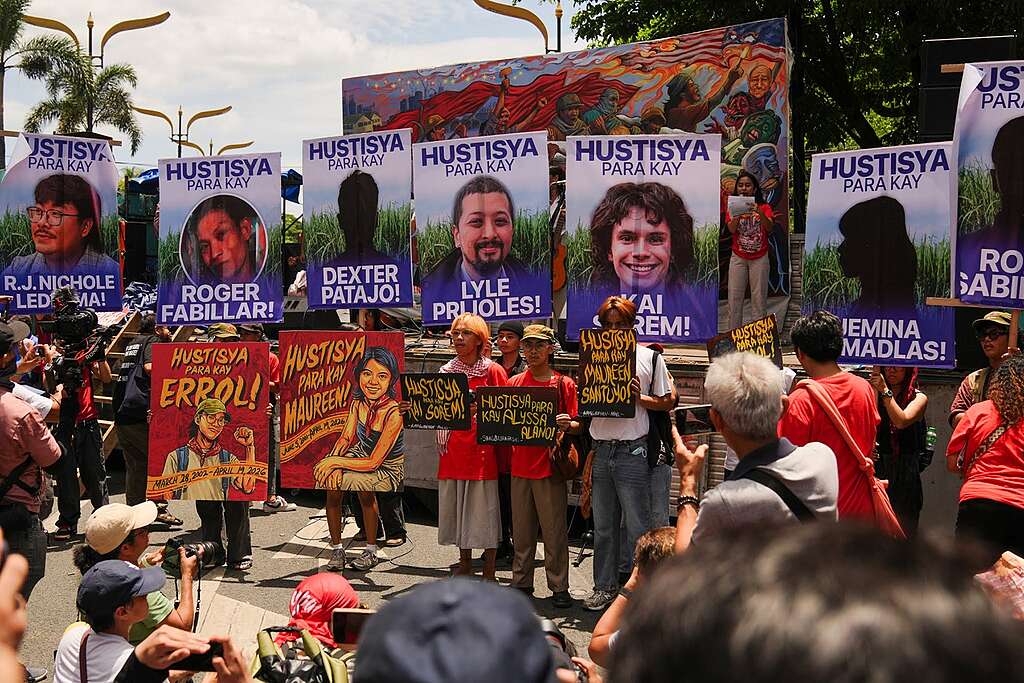
I write this as protest against the violent military operation in Toboso, Negros Oriental last 19 April 2026 that resulted in the displacement of around 800 residents and the gruesome death of 19 people including civilians Alyssa Alano, RJ Ledesma, Lyle Prijoles, Roel Sabillo, Maureen Santuyo, Kai Sorem, Errol Wendel, and two minors. I share in the call, together with other groups and individuals, for an independent investigation into what transpired that day in those fields. I echo the sentiment that we cannot keep creating a culture of violence and impunity where bloodshed becomes a thing of the ordinary, or where the loss of life becomes something like a meme.
I suspect I also write this because I am afraid. Understand that for more than a decade, the Philippines has consistently ranked as the deadliest country in Asia for environmental defenders. Since 2012, a total of 306 activists have been killed or disappeared, excluding attacks that go underreported. I do not intend for Toboso 19 to become a cautionary tale as their stories deserve better than be reduced to such, though I can’t help but think that any one of the 19, or the 306, could have been me, or a colleague who was assisting in operating the second camera, or a volunteer who was translating for us in the conduct of the interview. Equally troubling, it could be any of our community partners who dares speak about accountability and social injustices. And the fact that there are certain people out there who justify these killings means that it is not at all an impossibility. Their existence transposes the if to a when. And it is unsettling to think that the only thing that might be preventing us from having bullets pierce our bodies is a logo brandished somewhere in the shirt we wear.
I do not claim to live in fear everyday. What I’ve seen is nothing compared to what many others have seen. It is still perfectly possible for me to walk in and out of the many communities we visit unscathed because there are protocols, including some 11 kinds of documents and steps that must be accomplished before one is officially cleared to be deployed. I remember, once, when I was reprimanded for demanding to document, without going through the necessary security checkpoints, a landslide in Antipolo City that claimed the lives of an entire family of five members, save for one, in the onslaught of Typhoon Enteng in 2024. I relocated to Mindanao when I was 23, was caught in a crossfire, got held up by armed men at a village checkpoint, documented the aftermath of the drug war, and wrote stories about deaths that happened here and there. I did not understand how such coverage could be so detrimental to me or the organization. Now, I gathered it was ignorant of me to think a patch of mushy earth could be kind to me, when humans can kill their own in broad daylight.
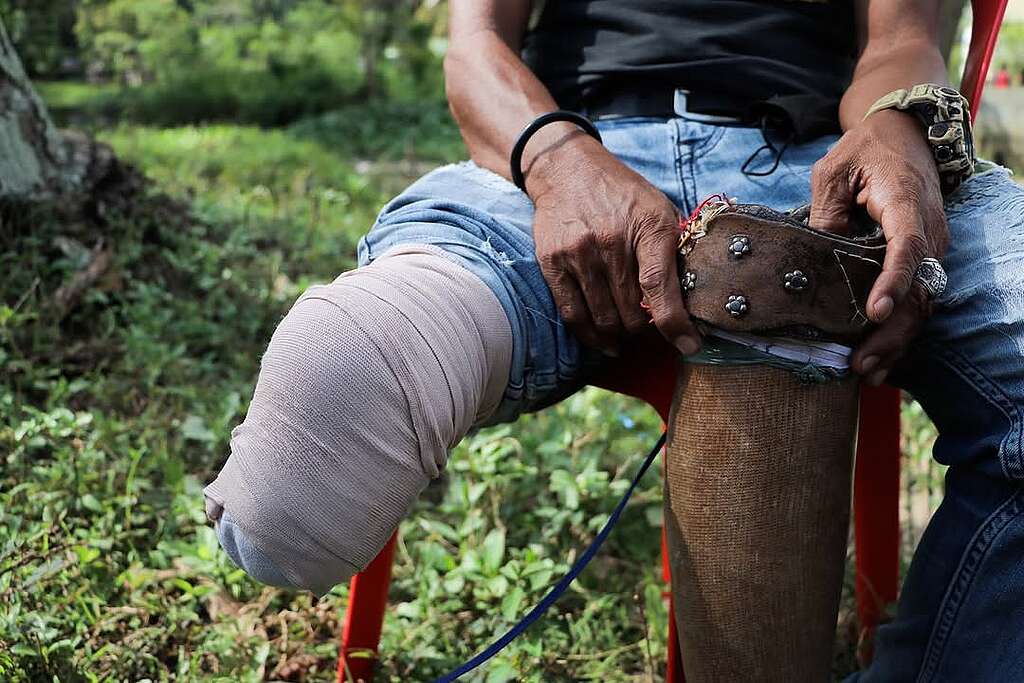
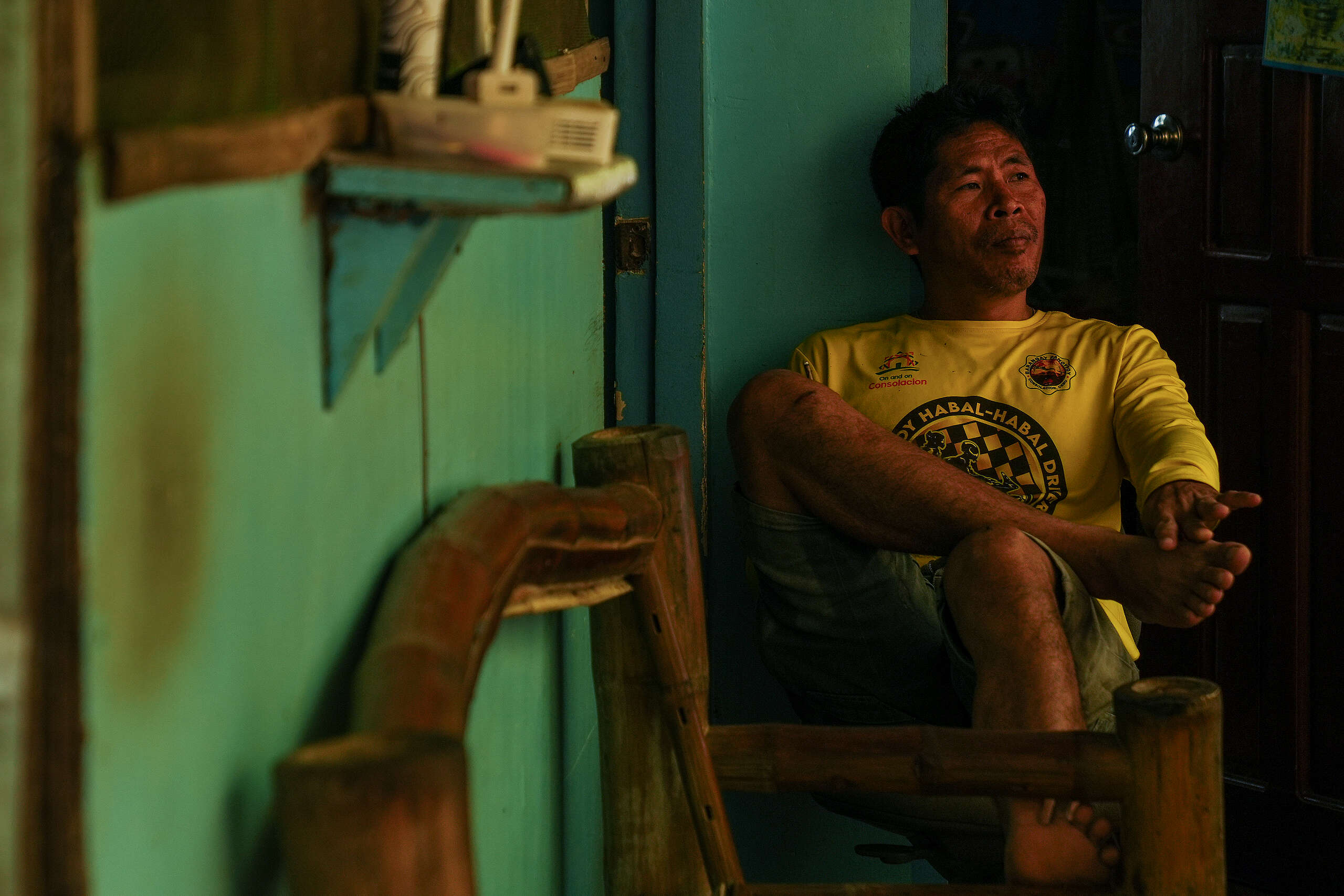
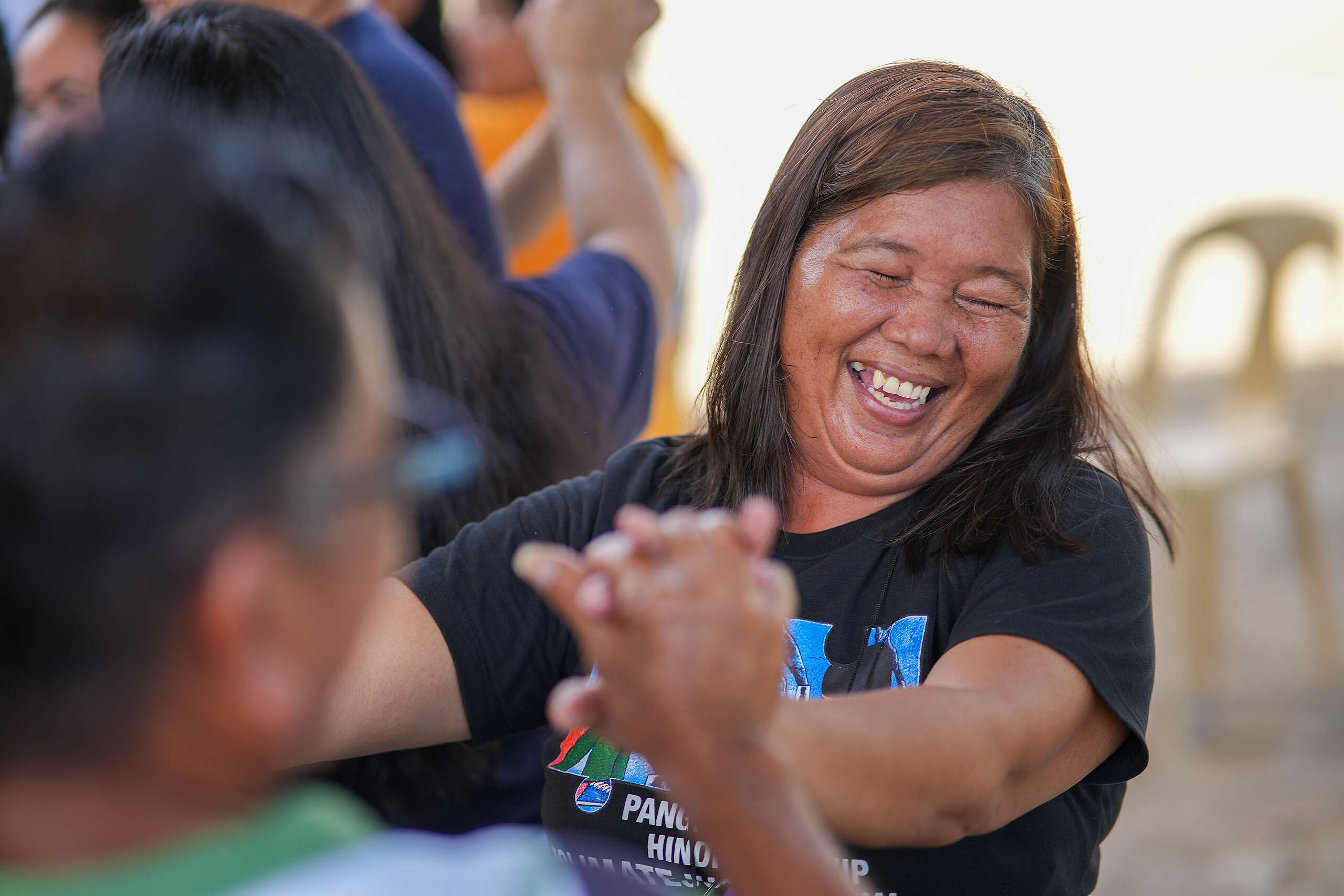
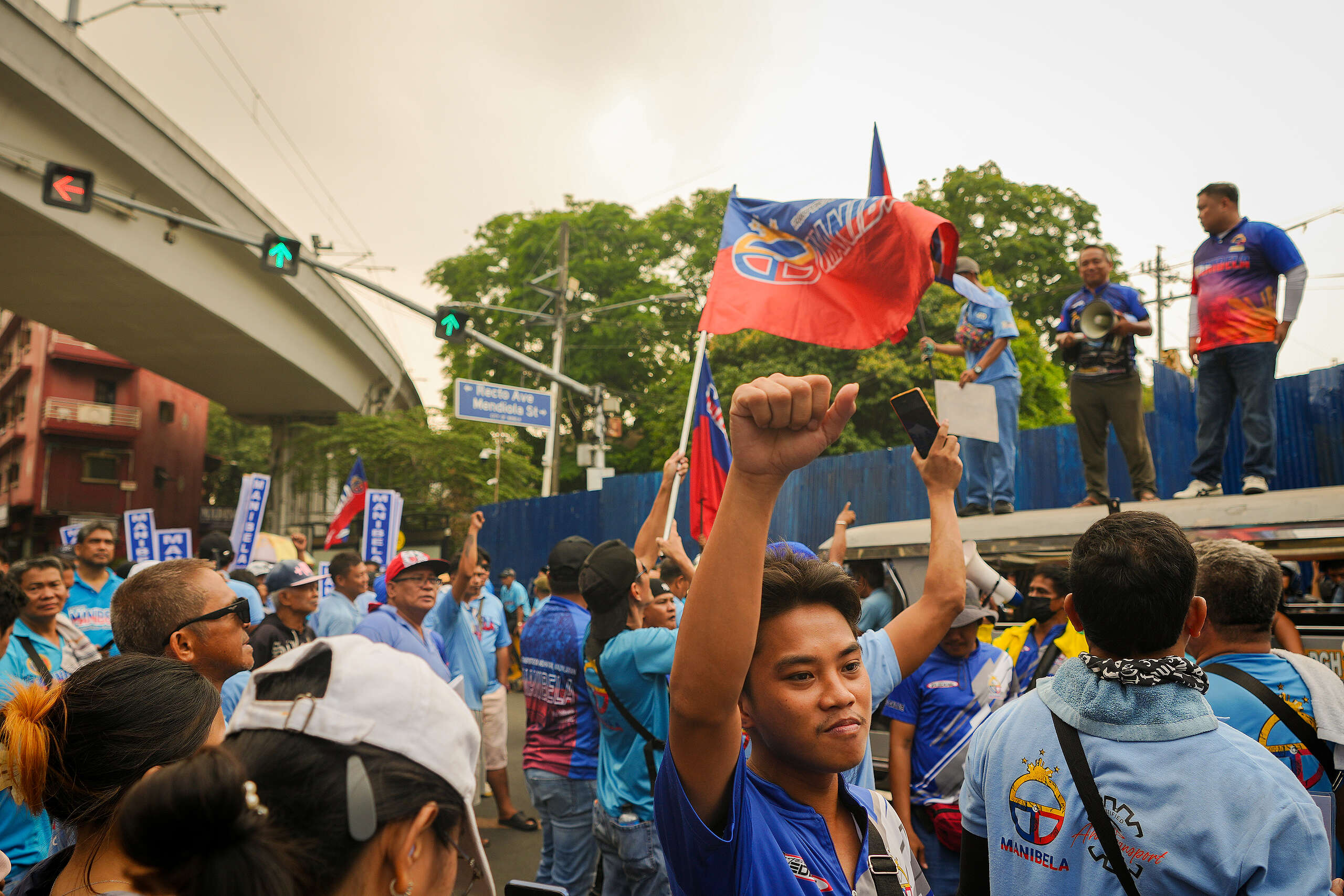
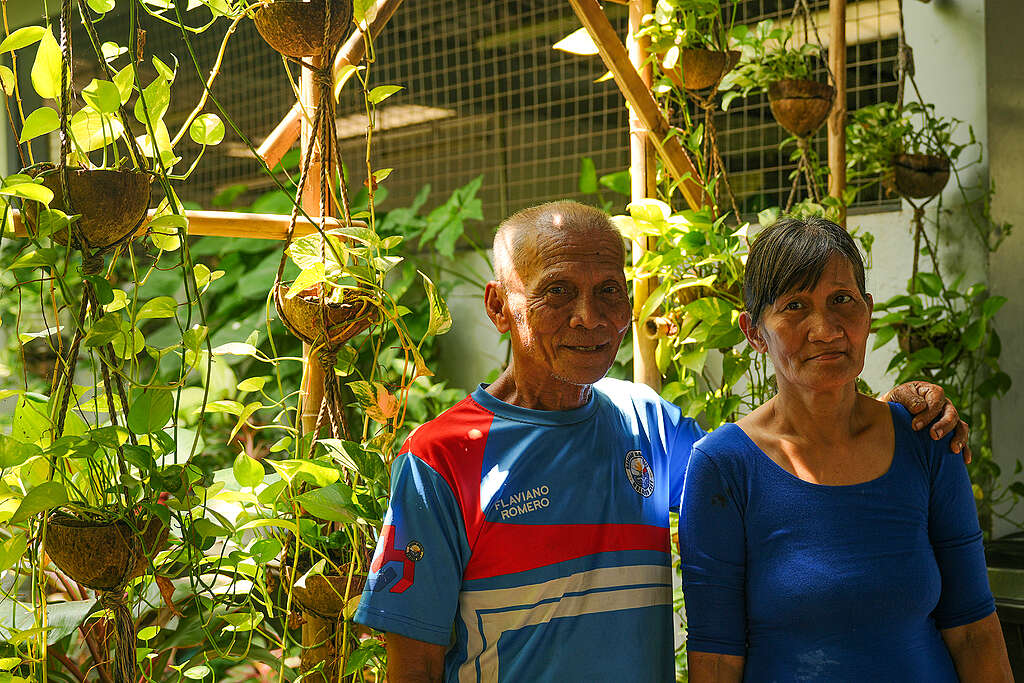
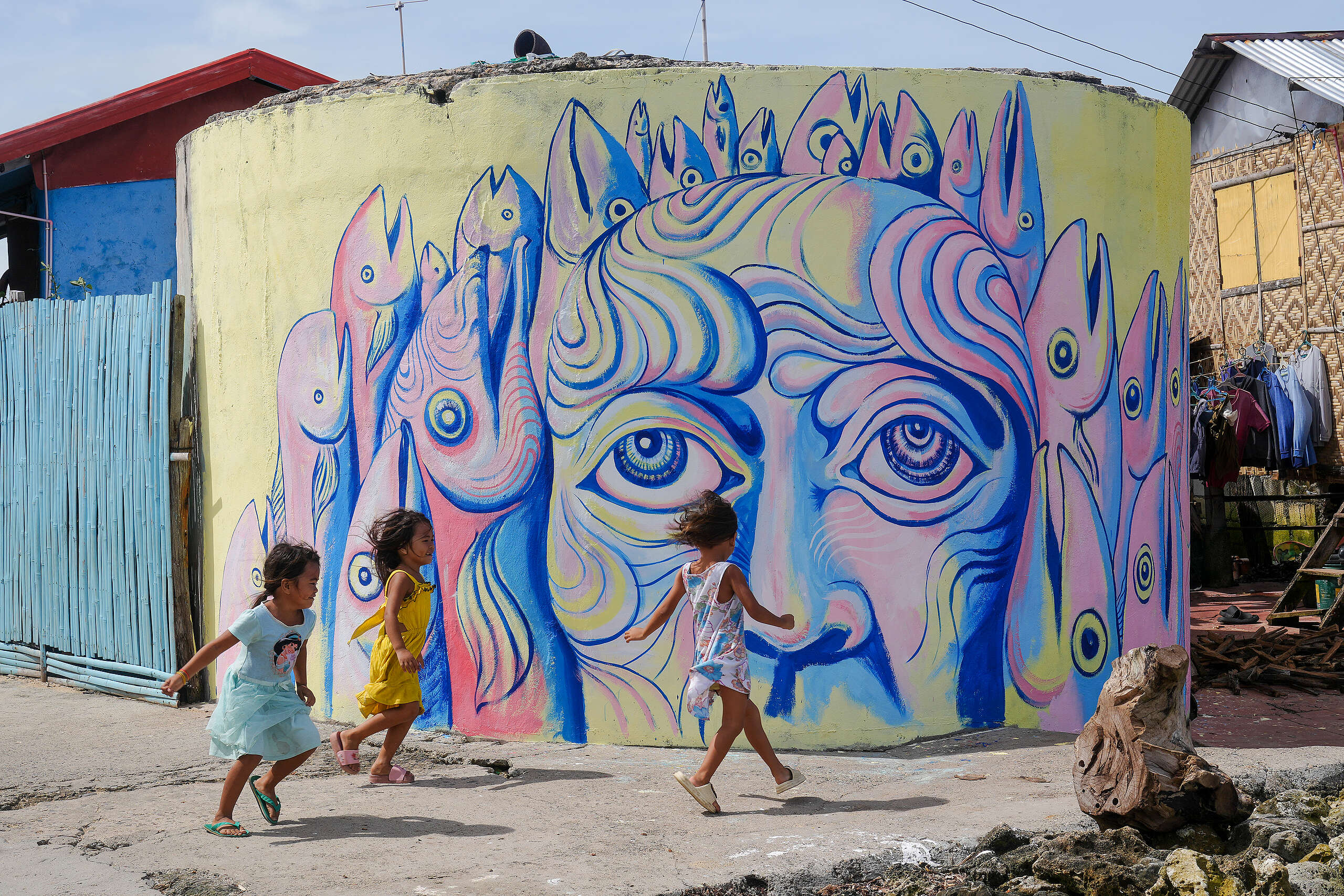
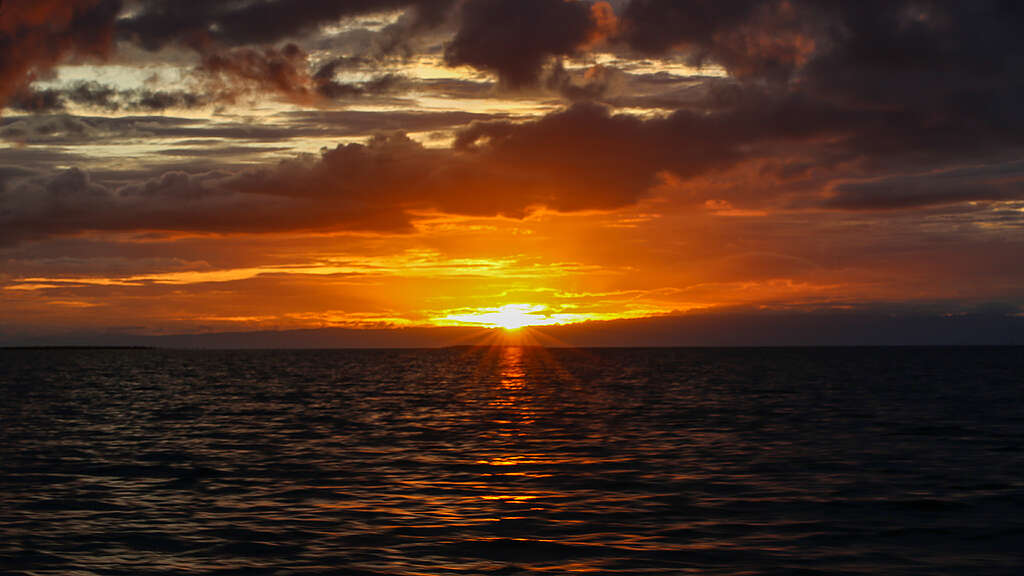
Here is the man who lost his right leg during an encounter with the military one early morning in September 1974. Here is the man who recognized the body of his wife under the rubble of the Binaliw Landfill collapse because of the shoes she was wearing. Here is the old couple who built a leafy green paradise by a materials recovery facility somewhere in Malabon City. Here are the jeepney drivers demanding an oil price rollback, the striking workers, the community taking one of the world’s biggest oil companies to court, and the grandmother who does the hard work now so her grandchildren will have the chance to live in a better world someday. Here is the sunset as the roaring pump boat takes us back to the mainland.
Let it be known it’s been an honor to be in the frontlines and bear witness to all of it. Let it be known there is worry now. Still, let it be known, the work will proceed.
Miguel Louie de Guzman is a development worker based in Quezon City. He is currently working with Greenpeace Philippines as a Multimedia Content Specialist and is a graduate student at UP Diliman. He likes pineapples on pizza and long walks. He is @pumifieldwork on Instagram.