Quezon City — On the anniversary of the historic Welgang Bayan[1] against the Bataan Nuclear Power Plant (BNPP), civil society organizations, environmental defenders, and community groups renewed their opposition to reviving the facility and expanding nuclear energy development in the Philippines.
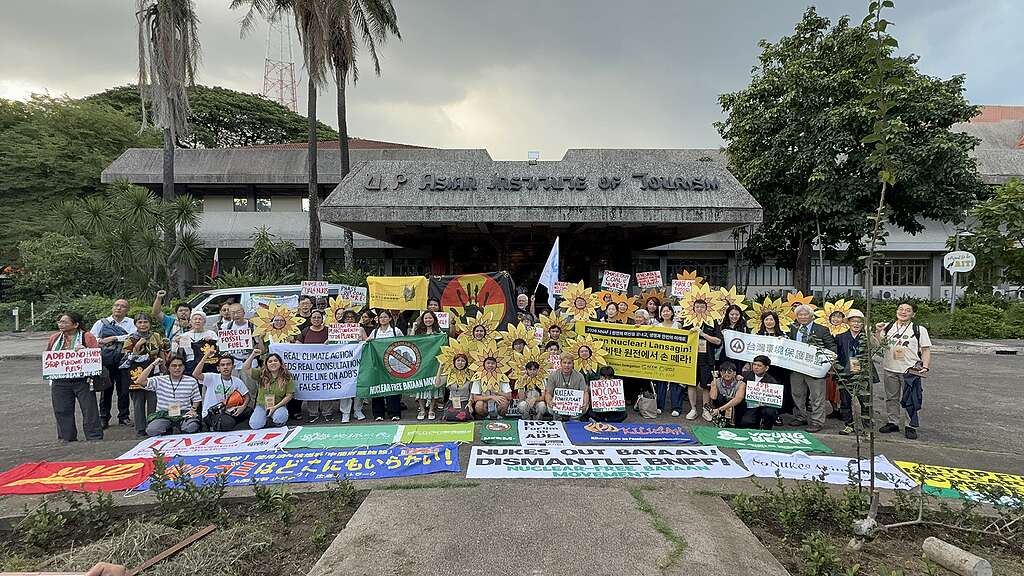
The commemoration comes as Mark Cojuangco, one of the most prominent advocates for the rehabilitation of the BNPP, is scheduled to visit the facility on the 19th, coinciding with the historic Welgang Bayan Laban sa BNPP. The media sortie is part of increasingly aggressive efforts of pro-nuclear lobbyists to manufacture consent for these problematic energy projects.
For groups opposing nuclear energy, the coincidence underscores the relevance of the calls that drove the public resistance of over 33,000 people in 1985: safety, accountability, environmental protection, and democratic participation in energy decision-making.
This year likewise marks the 33rd year of the No Nukes Asia Forum, with activities running from June 17 to 21, with the main objective of securing a nuclear-free future for Asia. Aside from marking the victory against the BNPP, NNAF returns to the Philippines this week as a serious resurgence towards the nuclear option is being pushed by government and corporate actors as a solution to the energy crisis.
As the Philippines faces worsening climate impacts, organizations emphasized the urgent need to transition away from fossil fuels. However, they warned against pursuing nuclear energy as it is too expensive, too slow to deploy, and too risky for a country highly vulnerable to earthquakes, volcanic activity, typhoons, and other climate-related disasters.
Groups pointed to the lessons of Chernobyl and Fukushima, warning that the consequences of a nuclear accident in the Philippines could be severe and long-lasting. They also stressed that nuclear projects typically require massive public investment and many years of construction, diverting resources from renewable energy technologies such as solar and wind that can be deployed more quickly and at lower cost.
Advocates further raised concerns over the environmental impacts of uranium extraction, the unresolved issue of radioactive waste, and the risks posed by weak governance, regulatory capture, and political interference in large-scale infrastructure projects. Furthermore, they cautioned against allowing the country’s energy future to become tied to the geopolitical interests of foreign powers and multinational corporations promoting nuclear technology.
The history of the BNPP itself remains a powerful warning. Despite costing billions of dollars, the facility never generated electricity and left Filipino taxpayers burdened with debt for decades. Organizations warned against repeating the same mistake at a time when renewable energy has become increasingly accessible, affordable, and capable of meeting the country’s energy needs.
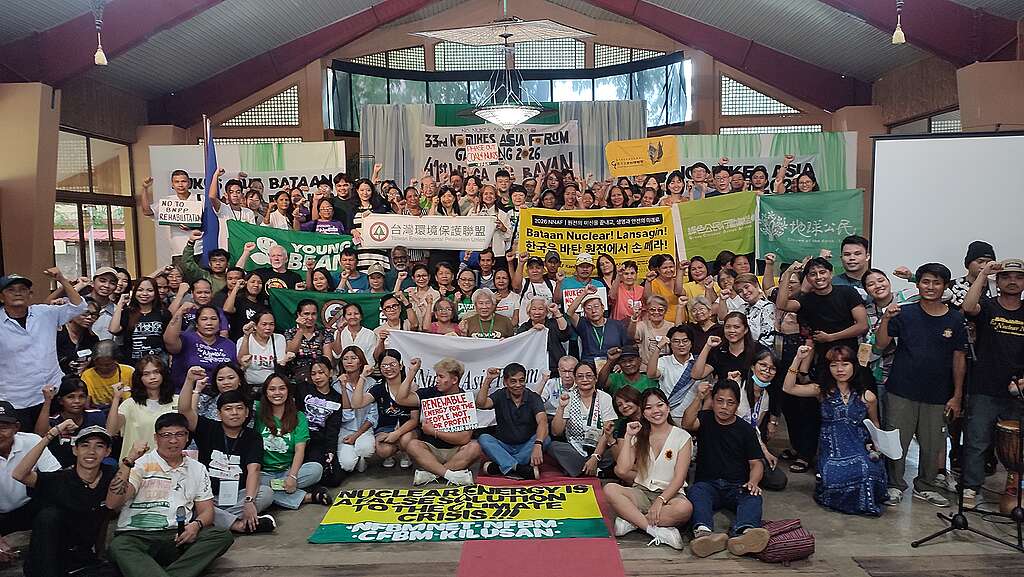
Groups challenged President Ferdinand Marcos Jr. to abandon all plans to rehabilitate the BNPP and halt the development of new nuclear projects, including Small Modular Reactors. Instead, they urged policymakers to prioritize renewable energy, energy efficiency, climate resilience, and community-based energy solutions that can deliver affordable, reliable, and sustainable power while protecting people and the environment.
Notes to the editor:
[1] How battle vs Bataan nuke plant was won
[2] Greenpeace denounces PNRI-Valar Atomics nuclear deal: ‘Filipinos are not guinea pigs’
QUOTES FROM ANTI-NUCLEAR ORGANIZATIONS HERE:
- “A safe future and a healthy planet are not luxuries—they are fundamental rights that must never be treated as an afterthought. It is alarming that the government is doubling down on dangerous, false solutions like nuclear power while ignoring the abundant, clean, and safe energy sources already available across the Philippines. If the goal is stable electricity, we already have proven, safer options in renewables, storage, efficiency, and distributed systems. We must redirect resources toward solutions that protect communities, create local jobs, and deliver sustainable, resilient power—instead of chasing risky technologies like nuclear energy that undermine our future.” — Derek Cabe, Nuclear-Free Bataan Movement Coordinator
- “This historic day of resistance against the BNPP must not simply end with a commemoration, but with an open invitation for all to keep the Philippines nuclear-free. Our country is no place to consider nuclear power as a reliable path forward. Last week’s 7.8 magnitude earthquake in Mindanao is a testament to how unfit this type of energy source is for the Philippines as we remain one of the most vulnerable countries in the world. Wherever we put these reactors, seeing that we’re in the Pacific Ring of Fire, it would inevitably place already vulnerable communities at more risk. President Marcos, heed the call of the Filipino people: reject false solutions and commit to a rapid, just, and decisive transition to renewable energy. Our future depends on real climate action—not costly distractions masquerading as an alternative to fossil fuels.” — Jefferson Chua, Greenpeace Philippines Climate Campaigner
- “I learned about the massive struggle against the Bataan Nuclear Power Plant. I discovered that back in the 1980s, our elders—our grandfathers, our grandmothers, ordinary citizens—organized a historic *Welga ng Bayan* (People’s Strike). Over 38,000 Bataeños marched out of their homes, risked everything, and stood as a human wall to oppose that nuclear plant. They defended our land. Every time I see young people in our communities opening their eyes, learning the history, and deciding to stand with us, my hope is renewed. My dream is to see every young Bataeño united in this campaign. We only have one Earth. We only have one home. If it is destroyed by the false promises of nuclear energy, we all suffer.” — Enrique Beren, Young Bataeno for Advocacy Network (YoungBEAN)
For more information and interview requests, please contact:
James Relativo, Greenpeace Communications Campaigner
[email protected] | +63 919 069 3424
Nazareth del Pilar, NGO Forum on ADB Just Transitions Advocacy Officer
[email protected] | +63 928 900 7647
Pecier Decierdo, tala storytelling collective Narrative Research Director
[email protected] | +63 995 585 2073
DJ Janier, Kilusan para sa Pambansang Demokrasya, NFBM Network Coordinator
[email protected] |+63 933 641 2694
Derek Cabe, Coordinator, Nuclear-Free Bataan Movement
[email protected] I +639237298769