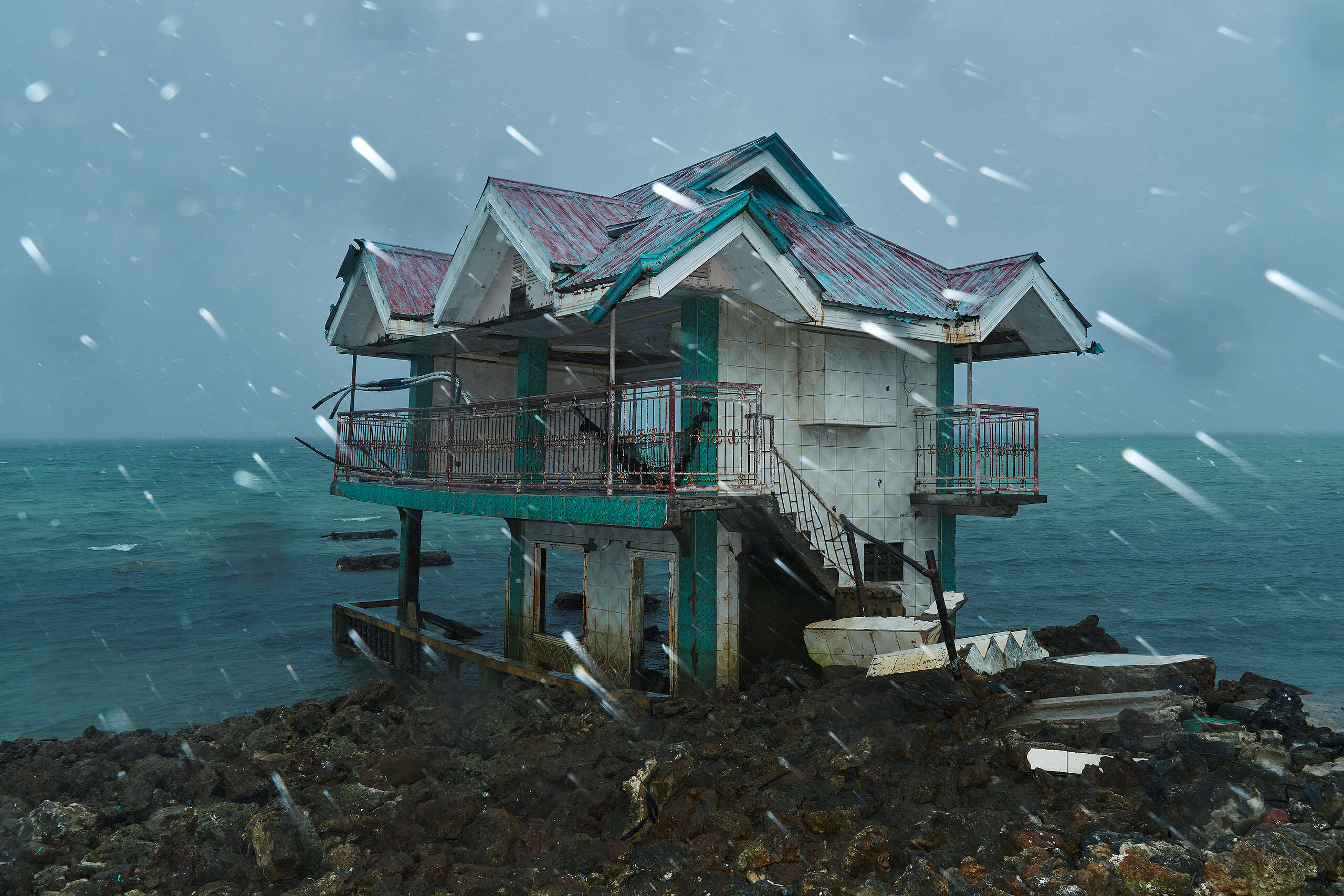
20 years is truly a milestone worth commemorating and provides the perfect moment to say a big thank you to all our dedicated and very special staff, supporters, donors and partners – people like you, who have helped to create the diverse and thriving Greenpeace Southeast Asia that we are today.
There is no doubt that all the blood, sweat and tears of the last two decades have helped to make real positive change happen right across the region. Thanks to you, our GPSEA family and friends, we have, at times, achieved the impossible.
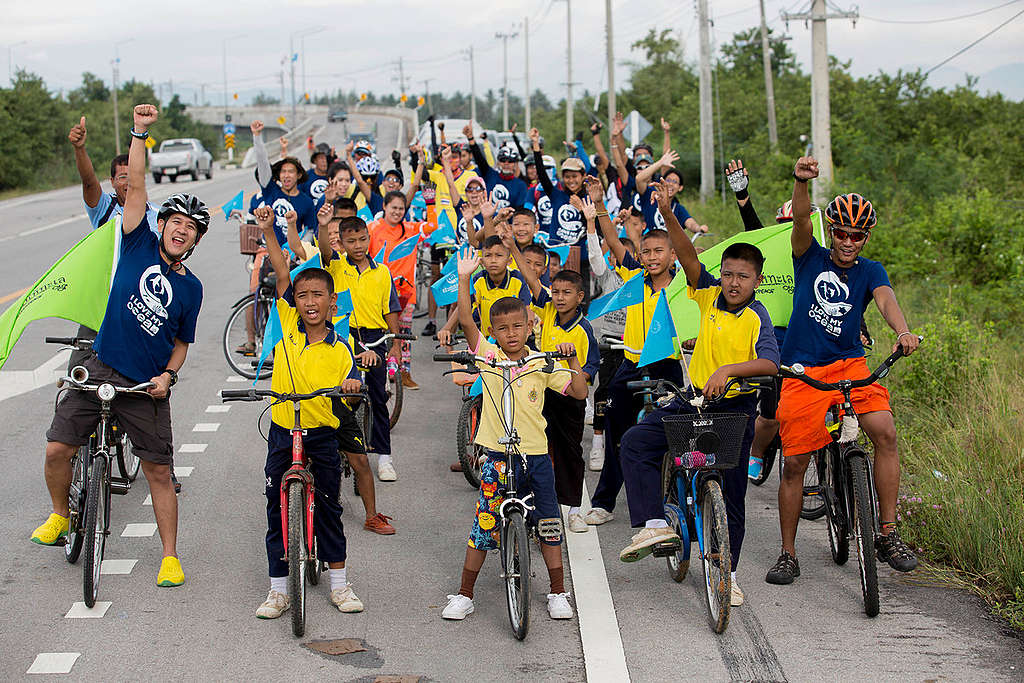
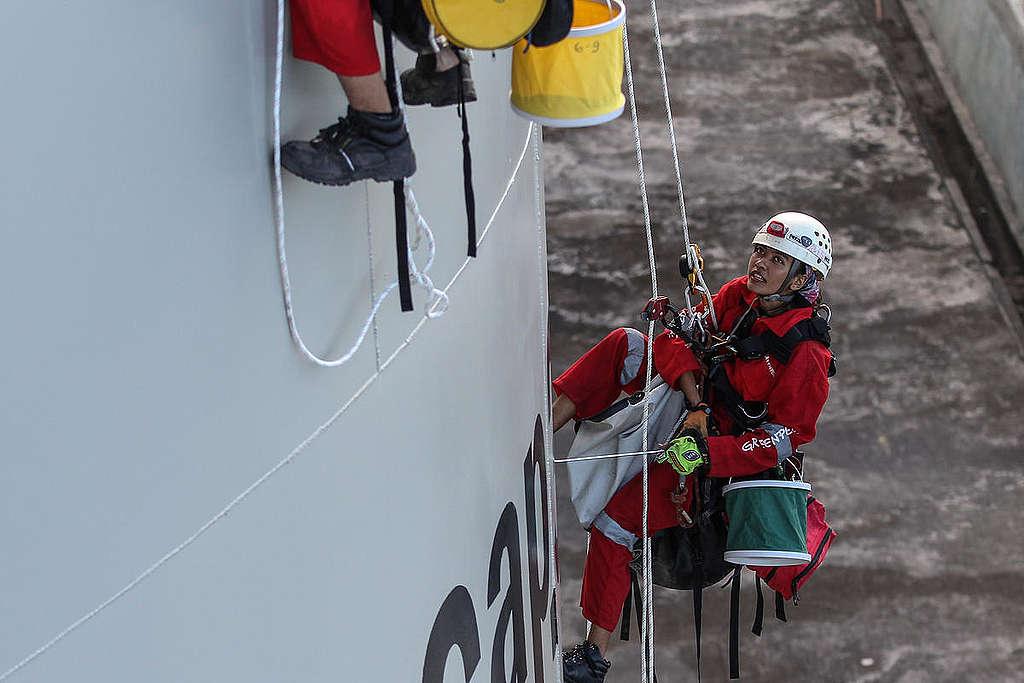
We have grown and evolved from a small group of dedicated staff and supporters into an organisation with offices now in Thailand, Indonesia, the Philippines and Malaysia, with thousands of local staff, volunteers and supporters now working towards sustainable and green solutions to issues that affect this region that we call home – be it the impacts of climate change on our lives and nature; challenging forest destruction; safeguarding our rights to clean air and ecological food systems; or the protection of our oceans and the thousands of people that depend on them.
For a good number of Greenpeacers, the last 20 years might well feel like a lifetime, full of highs and lows – and indeed, many of the challenges faced by the pioneers who first brought this organisation to life in Southeast Asia are still at the forefront of our work today.
But as I look at what is happening right across the region today, I draw great inspiration and hope from the younger generation, who through climate marches, strikes and innovative public actions, is channelling the same pioneering spirit of our founders to hold governments and corporations to account for their actions and activities.
When we first came into being in 2000, the start of the new millennium was being heralded as “the Asian Century.” Our region showed a lot of promise, with most ASEAN countries gearing up to be the next “Asian Tigers.” But too often those aspirations came at a great cost to nature and our unique ecosystems.
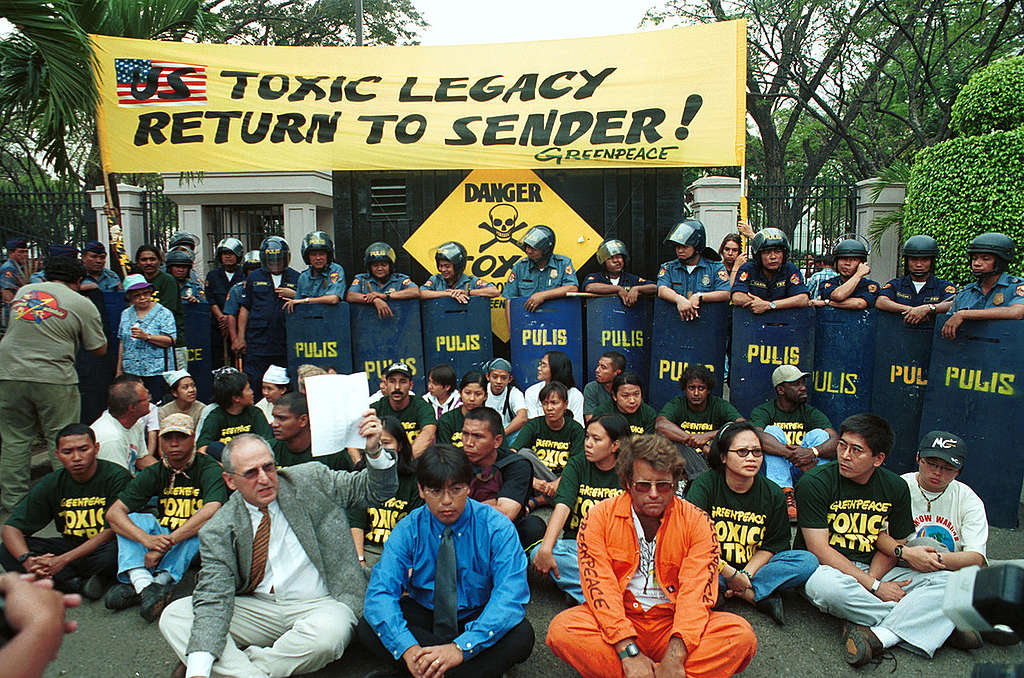
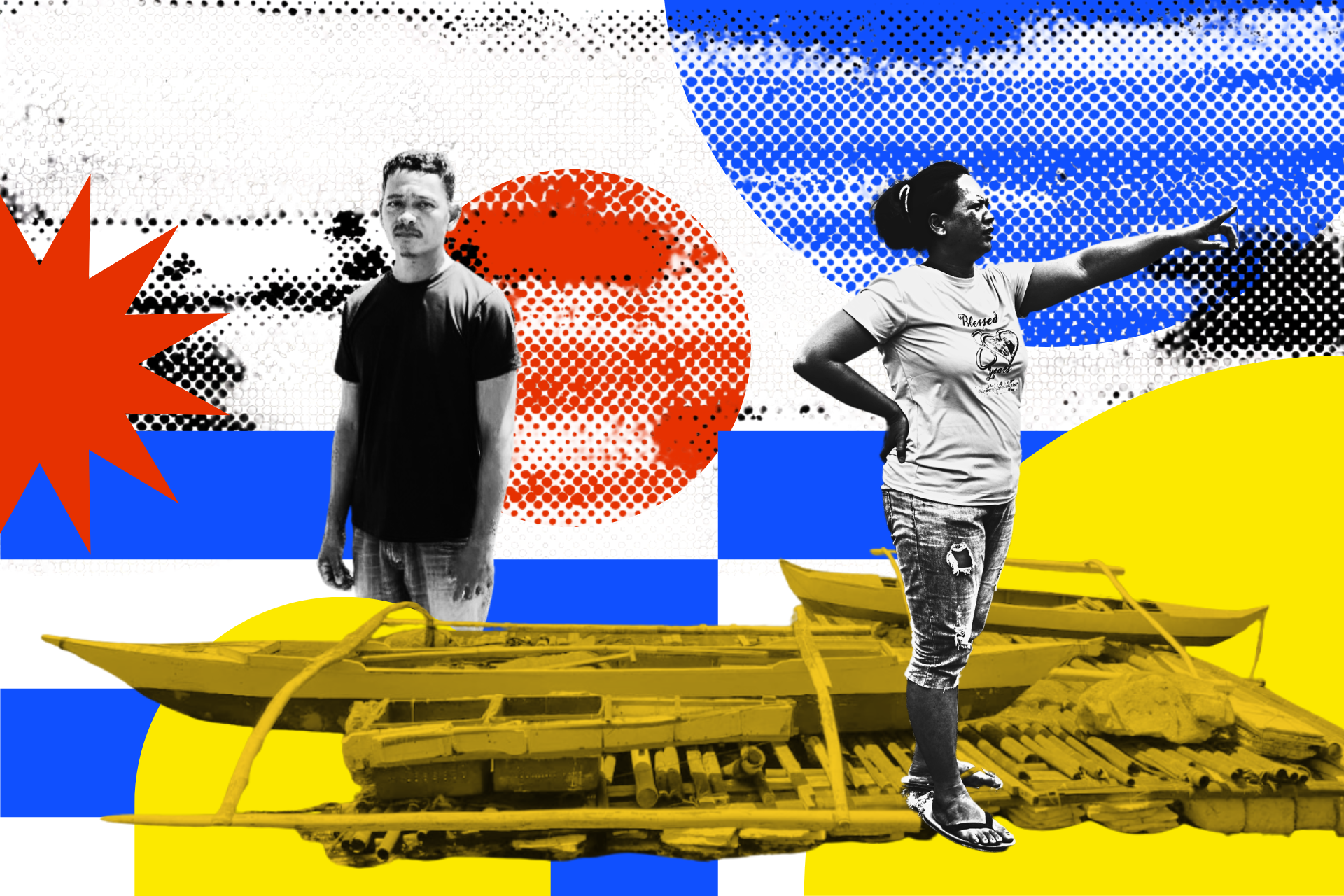
Greenpeace Southeast Asia was born from the spirit and actions of those who together made a stand to give this region, its nature and local people a voice. Notable milestones include when we led the movement to stop the dumping of foreign toxic waste into countries such as the Philippines. Add to that the partnerships we forged with coal-threatened communities and renewable energy advocates in Thailand, Indonesia and the Philippines.And doing what we do better than most, shining a light on destructive and corrupt practices to protect the ancient forests of Indonesia.
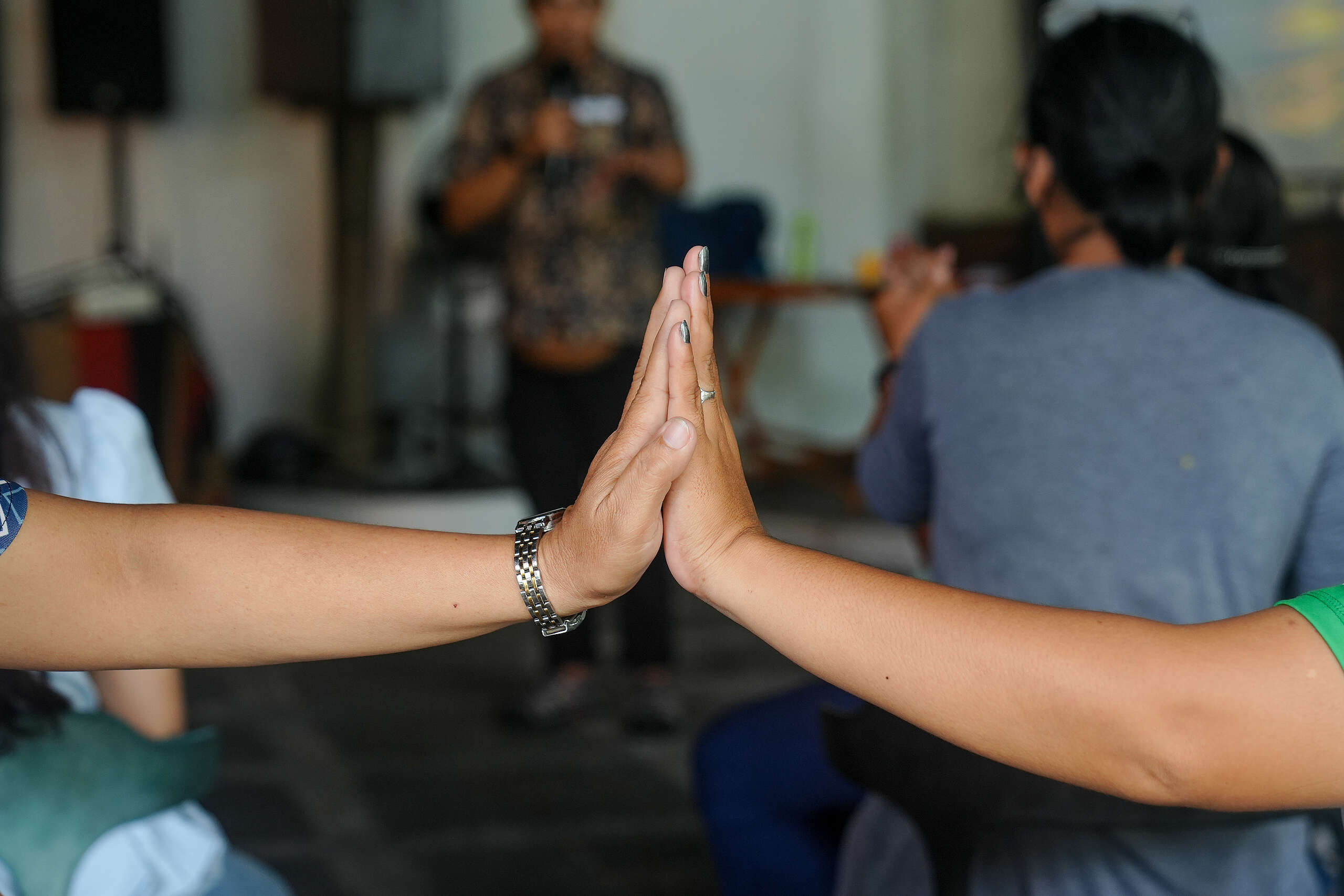
Our focus has always been on People Power and the amplification of the voices of those brave enough to raise concerns about the environment and injustices. They have been and remain our partners in bringing about positive change.
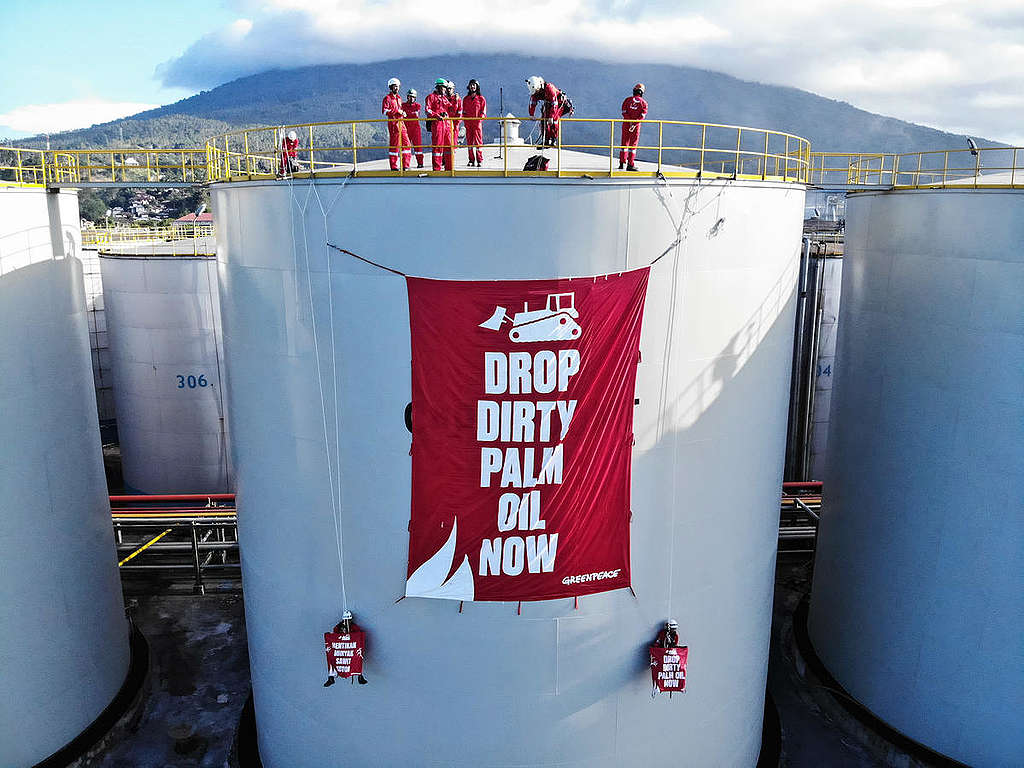
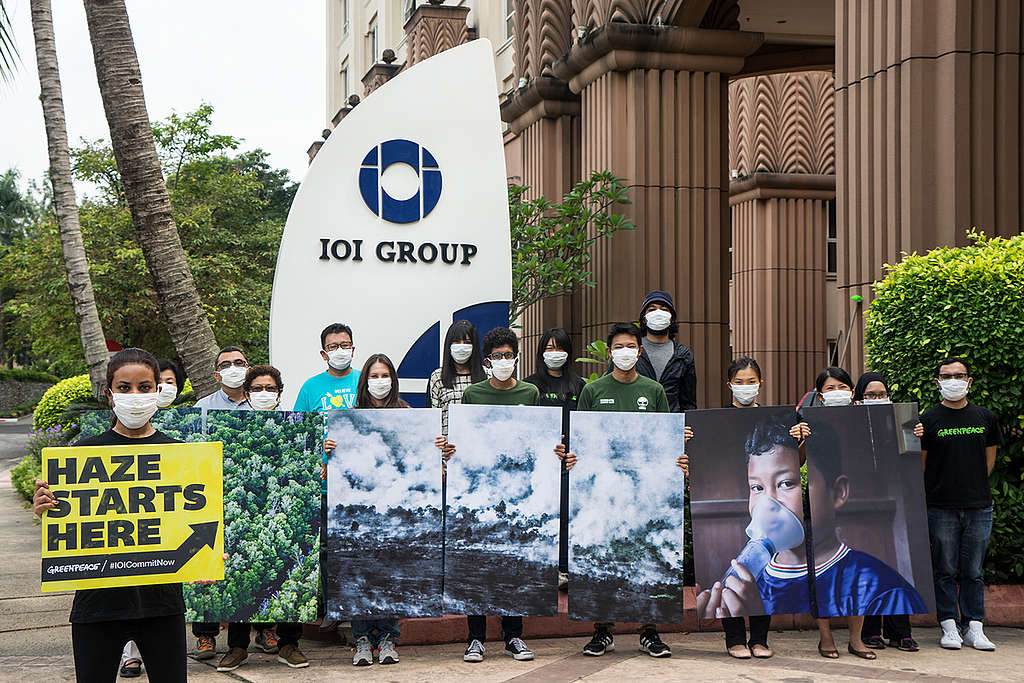
Throughout the years, we have worked together to unmask the global influence and destructive nature of industries such as fossil fuels, palm oil, agro-chemicals, seafood, even electronics companies and plastic producing, fast-moving consumer goods corporations.
My journey is one that resonates with the GPSEA story, one that has seen tragedy, indignation, resistance, people power, and above all, hope. Several years ago, I was a Climate Negotiator for the Philippine government. In 2013, I attended the UN climate summit in Warsaw, Poland, when Typhoon Haiyan (locally known as Yolanda) struck my family’s hometown of Tacloban. I made a tearful plea for my country at the negotiations while fearing for friends and families, particularly my brother who was there in Tacloban. Thankfully he survived, but thousands perished in what was undoubtedly one of the strongest storms on record.
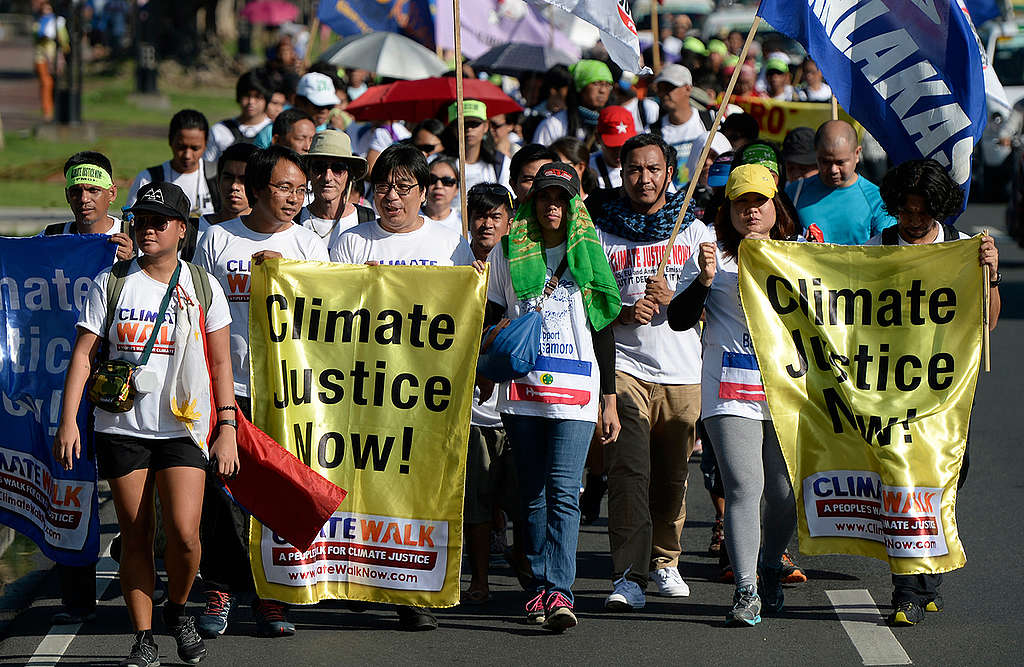
It became clear to me that it wasn’t enough to be in a government panel to be able to stave off the climate emergency. I sought other avenues. Later on, my brother and I, in solidarity with Greenpeace volunteers and hundreds of other climate advocates, marched thousands of kilometres to bring attention to the plight of climate-impacted communities. We joined climate walks all over the Philippines. We did climate walks all over the world. Our clarion call was for climate justice and urgent action.
I eventually (climate) walked myself into Greenpeace Southeast Asia as its Executive Director in 2016. I felt that I could probably do much more being with such a diverse organisation, with such open people and such dynamic partnerships with people and communities.
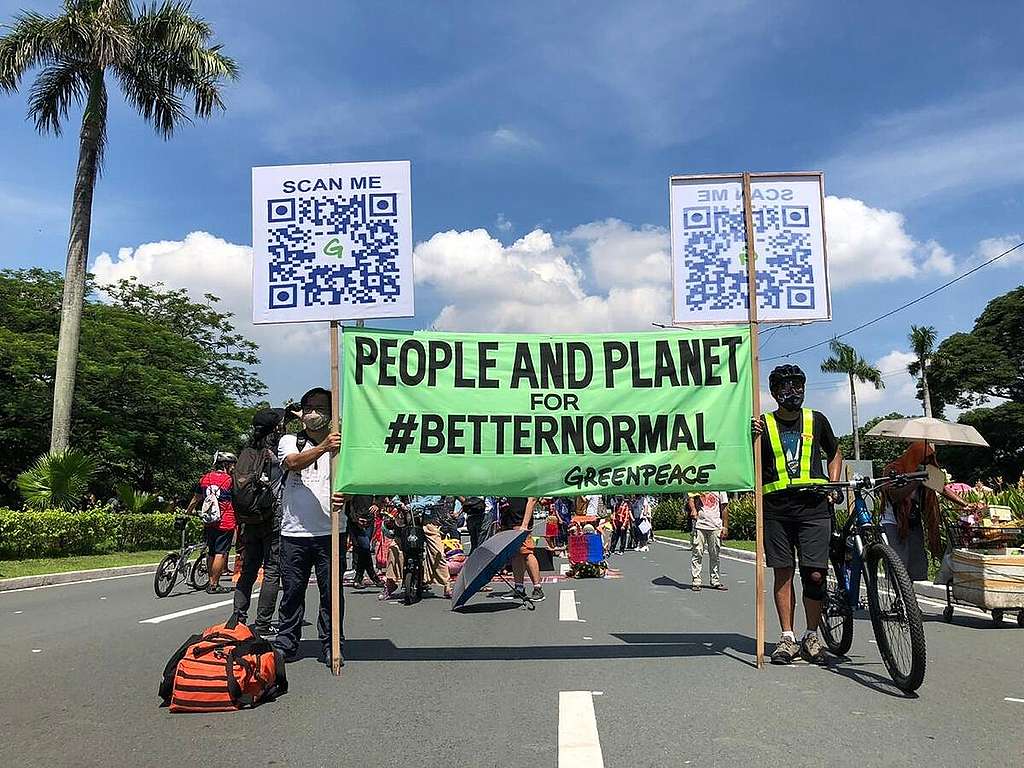
In our 20th year, we find ourselves on a new battleground. The Covid-19 pandemic has magnified cracks in systems that must be changed – the same root causes that we grapple within all of our environmental campaigns. Covid-19 has challenged GPSEA to respond accordingly to work towards a Green and Just Recovery for Southeast Asia. We call on governments and businesses in the region to build back better by prioritising people’s needs and safeguarding the environment at all times to prevent future disasters from happening.
The pandemic may well also be a dress rehearsal for a much greater threat to humanity – the climate emergency. Be in no doubt, the clock is ticking. According to the experts, we will only have a little over 10 years to save the planet. And as we look ahead to our future, Greenpeace Southeast Asia needs your support more than ever. As we face more challenging times ahead, we must all become antibodies of hope. We DO have a unique opportunity now to set things right for our climate, our forests and our oceans – and in turn, ourselves.
Thank you for your passion, trust and your continued support of GPSEA. Together, let us strive for a #BetterNormal and a greener, more sustainable future for Southeast Asia.
Terima kasih
ขอบคุณ
Maraming salamat!
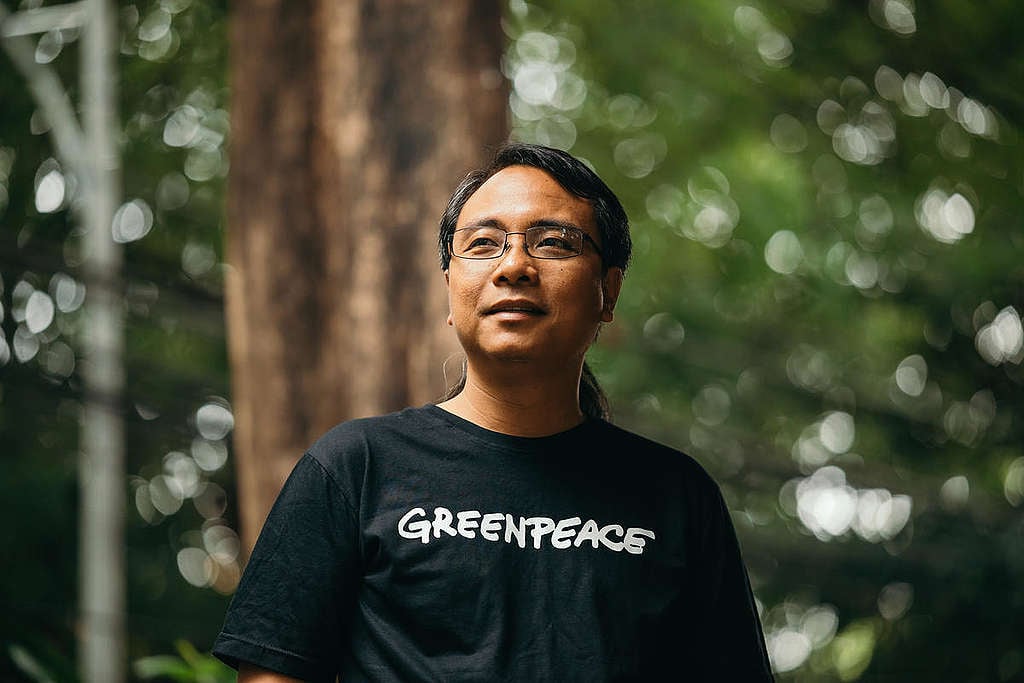
Yeb Saño is the Executive Director of Greenpeace Southeast Asia.