Lately, I’ve been seeing a phrase on TikTok and across social media that says, “Inconvenience is the cost of community.” The more I sit with it, the more I realize how profoundly true it is. It has also made me reflect on how much of our world is organized around the promise of convenience.

Reflecting on this makes me think about the political economy of convenience. Nearly every service today promises to make life easier, albeit for a price. We pay to skip waiting, avoid interruptions, and reduce dependence on other people. The notion of convenience has become so deeply embedded in the way we organize our lives that we rarely stop to ask what it is costing us. Think about it. If everything we need can be purchased or done solitarily, our relationships risk becoming increasingly transactional thus gradually reducing our need to rely on one another. Ultimately, a society organized primarily around convenience may ultimately struggle to sustain the very relationships that allow communities to thrive.
While convenience may solve immediate problems, it may also reshape the way we relate to one another. Our constant need for personal ease encourages habits of efficiency, speed, and individualism that are difficult to sustain socially, emotionally, and even environmentally. Perhaps the question is no longer whether convenience makes life easier, but whether a society built around maximizing convenience can still nurture the relationships that make life worth living.
The things that matter most have never been convenient. Love requires patience. Friendship requires time. Family asks for sacrifice. Community demands all of these and more. To be in a community is to accept that people will sometimes disappoint you, misunderstand you, or hurt you. And if we are honest, we will inevitably do the same to others. We all carry our histories, our fears, our flaws, and our unfinished healing into every relationship we enter. Conflict is not evidence that a community has failed; it is evidence that people are living closely enough for their lives to affect one another.
The goal of community, then, is not to eliminate conflict or pretend that harm never happens. The goal is to learn how to respond when it does—with accountability instead of defensiveness, mending instead of avoidance, and healing instead of abandonment. Communities endure not because no one makes mistakes but because people choose, again and again, to listen, apologize, make amends, forgive when possible, and continue growing together.
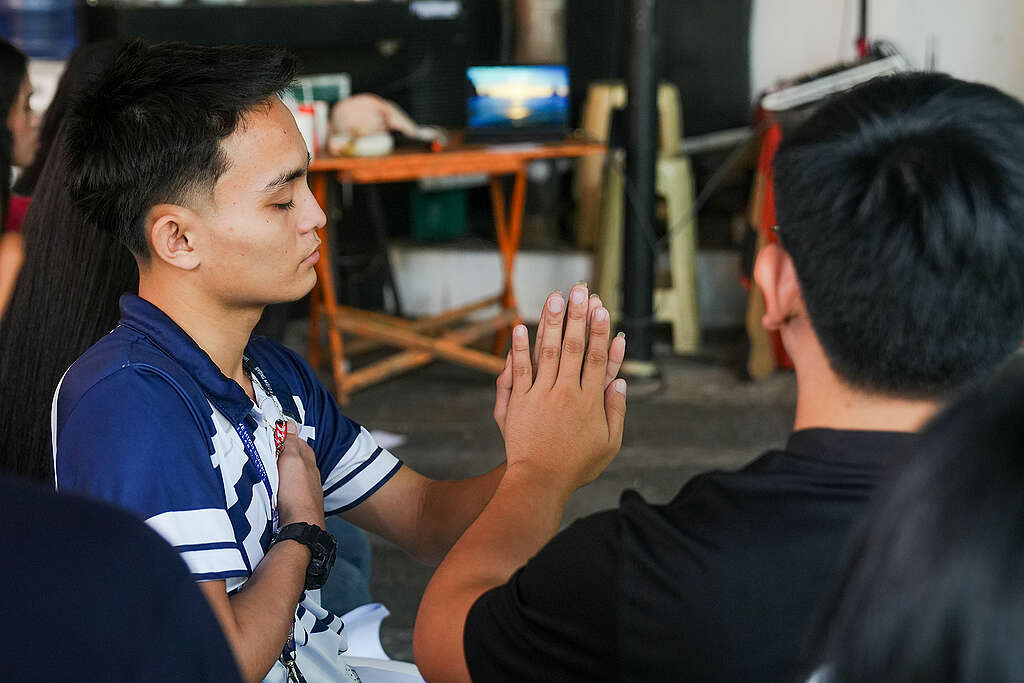
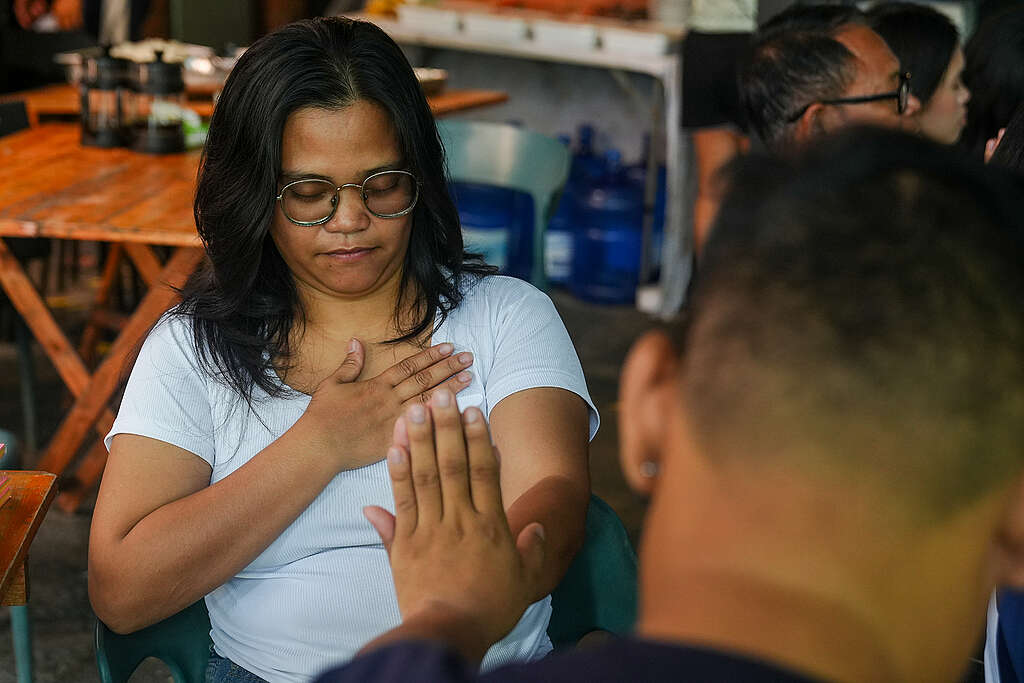
I’ve experienced this kind of inconvenience many times. During college, my weekly allowance would often be not enough to join my friends for meals or activities. But before I could even think of making an excuse not to go, someone would already say, “libre ka na lang namin.” They never made me feel guilty or indebted. They simply made sure I still had a place at the table. At the time, asking for help felt deeply uncomfortable because I used to believe doing so makes me a burden. Looking back, I realize that those moments were not examples of dependence but of community. Their generosity cost them something, and my willingness to accept it required vulnerability. Both were acts of trust.
More recently, I experienced another form of inconvenience. There was a season when I was emotionally overwhelmed and unable to complete the work I was responsible for. I was anxious about telling my teammates because I felt that I was letting everyone down. Yet when I finally shared what I was going through, they simply told me, “We understand. It’s okay to park it for now.” Their compassion came at a cost. Someone else carried work that I could not finish. Timelines shifted, responsibilities were redistributed, and plans had to be adjusted. Community, I then realized, also looks like people willingly absorbing inconveniences for one another —not just because doing so is efficient, but because they choose to care.
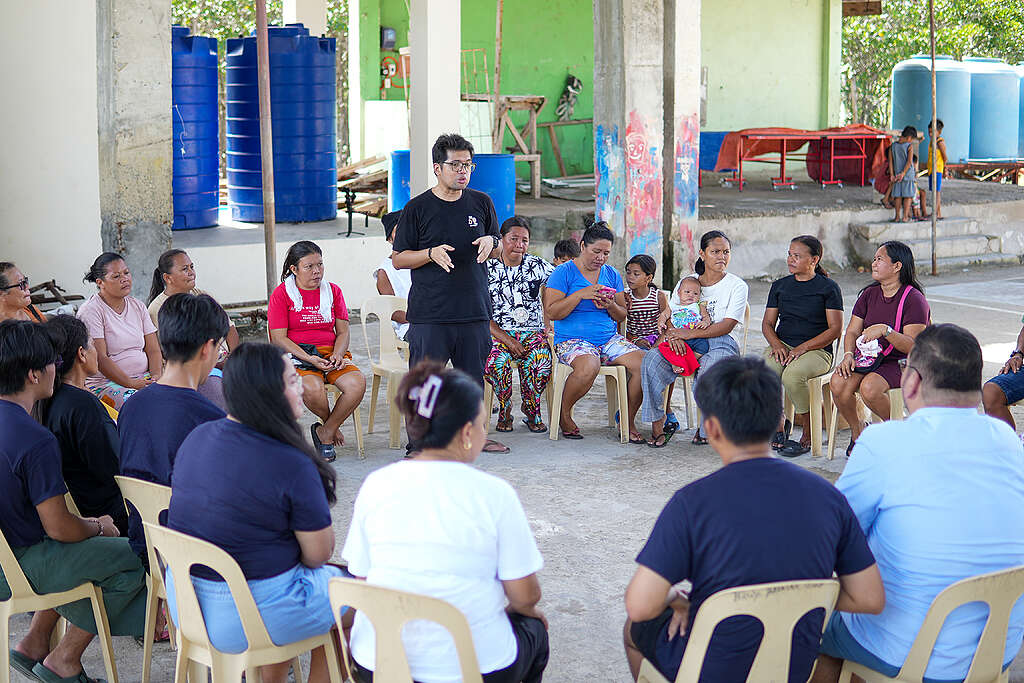
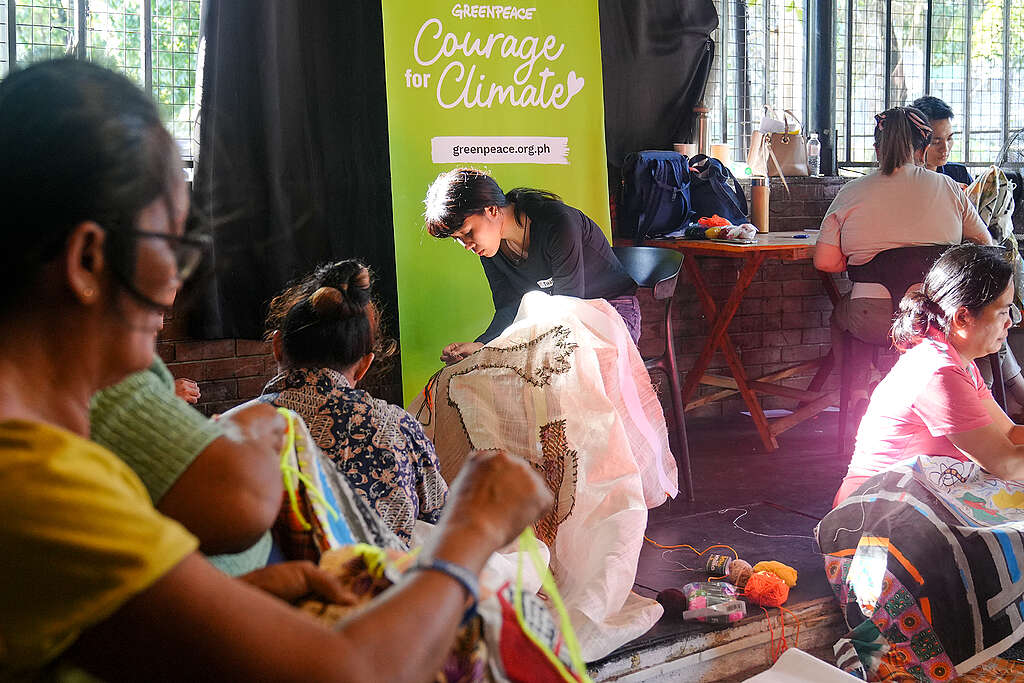
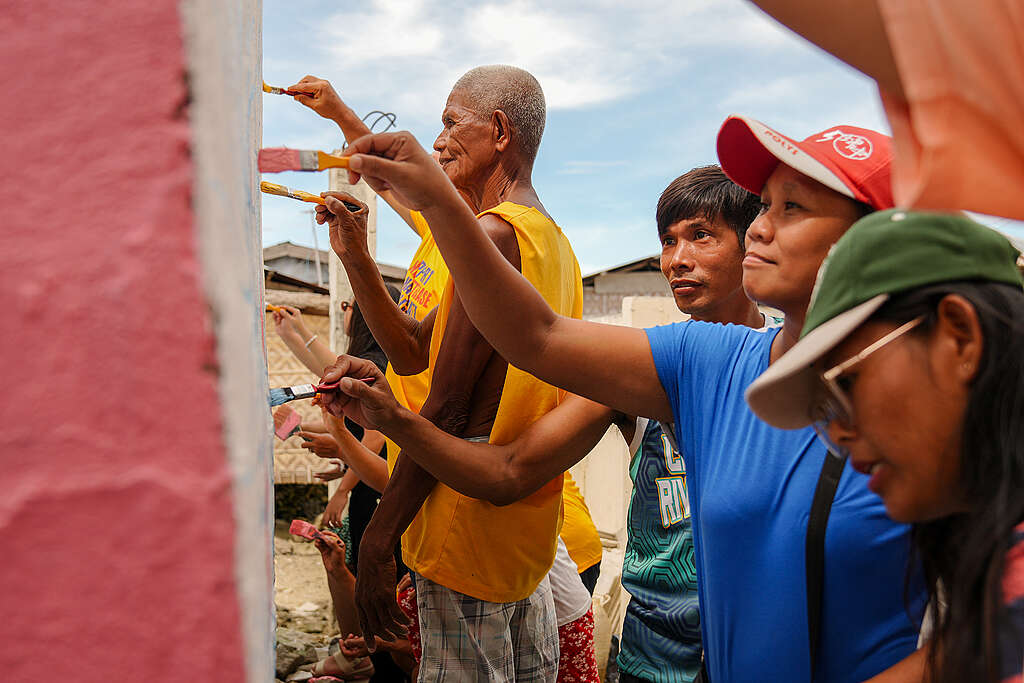
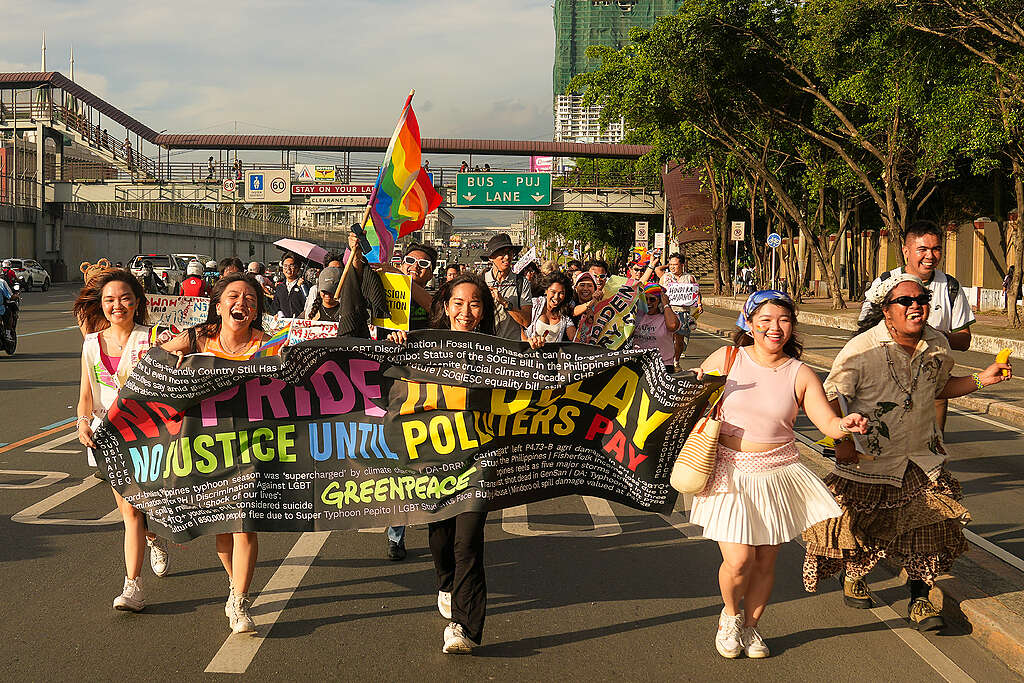
At the same time, being part of a community means accepting another uncomfortable truth: if we stay long enough, we will eventually become the inconvenience. We will disappoint people. We will fail to meet expectations. We will misunderstand others. We will make mistakes that require remedy. No friendship, family, workplace, organization, or social movement is free from conflict. The strength of a community is not measured by the absence of harm but by its capacity to respond to harm with honesty, humility, and accountability. Making amends asks us to apologize without making excuses, to listen without rushing to defend ourselves, and to believe that people are capable of growth. Accountability does not stand in opposition to compassion. It is one of the ways compassion becomes meaningful by creating the conditions for healing rather than avoidance.
Community cannot be subscribed to. Care cannot be outsourced. Trust cannot be automated. Belonging cannot be purchased. These are created slowly through shared meals, borrowed money, difficult conversations, interrupted schedules, acts of generosity, moments of forgiveness, and the quiet decision to remain present for one another, especially when doing so is inconvenient.
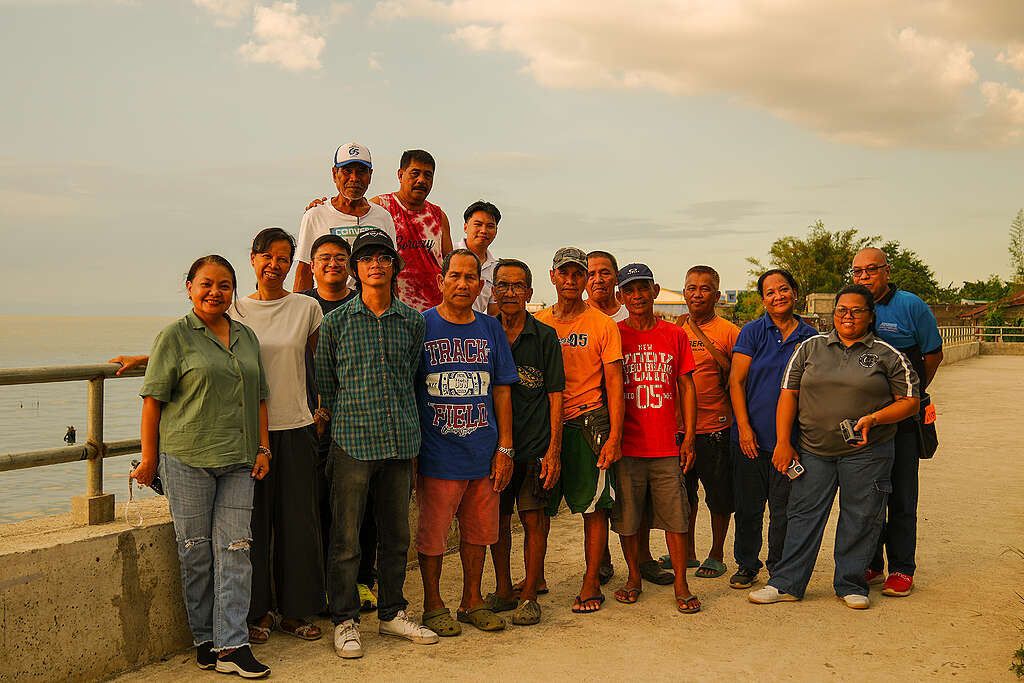
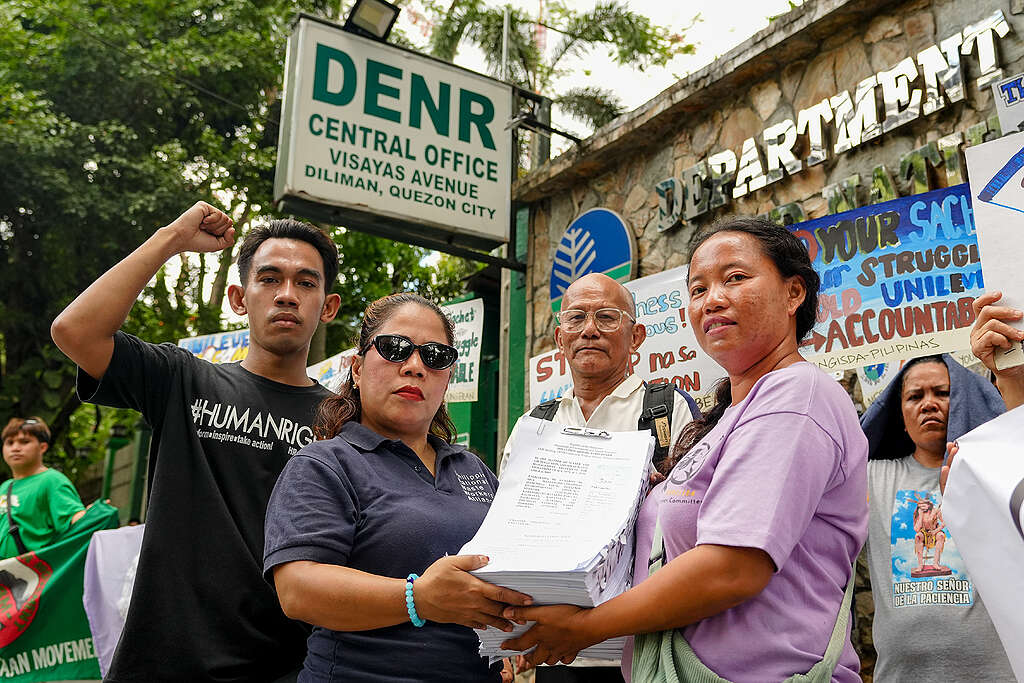
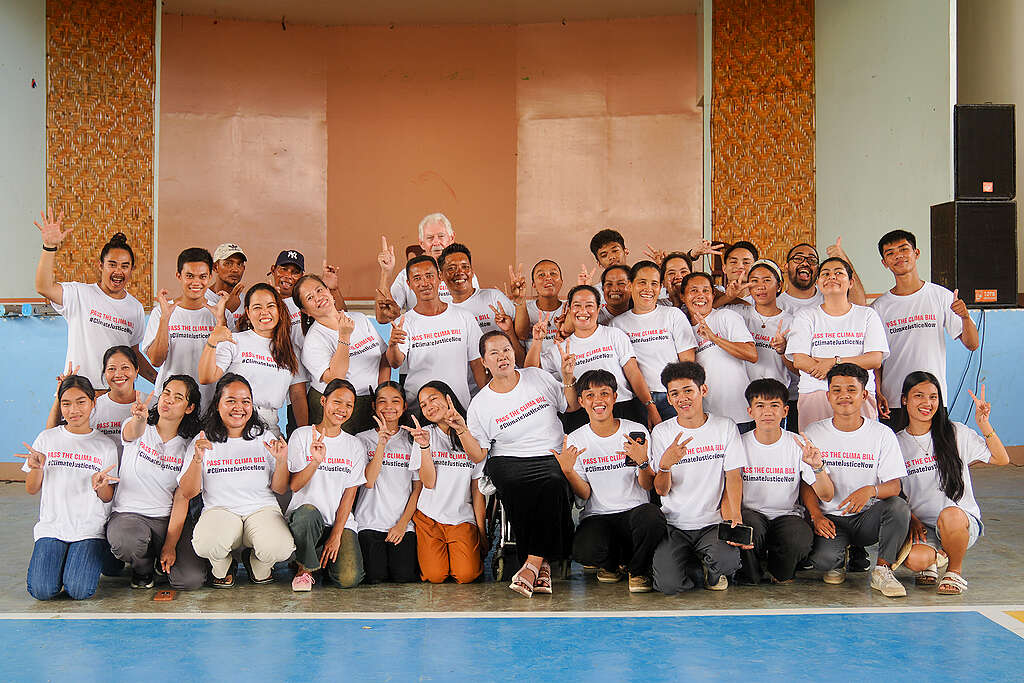
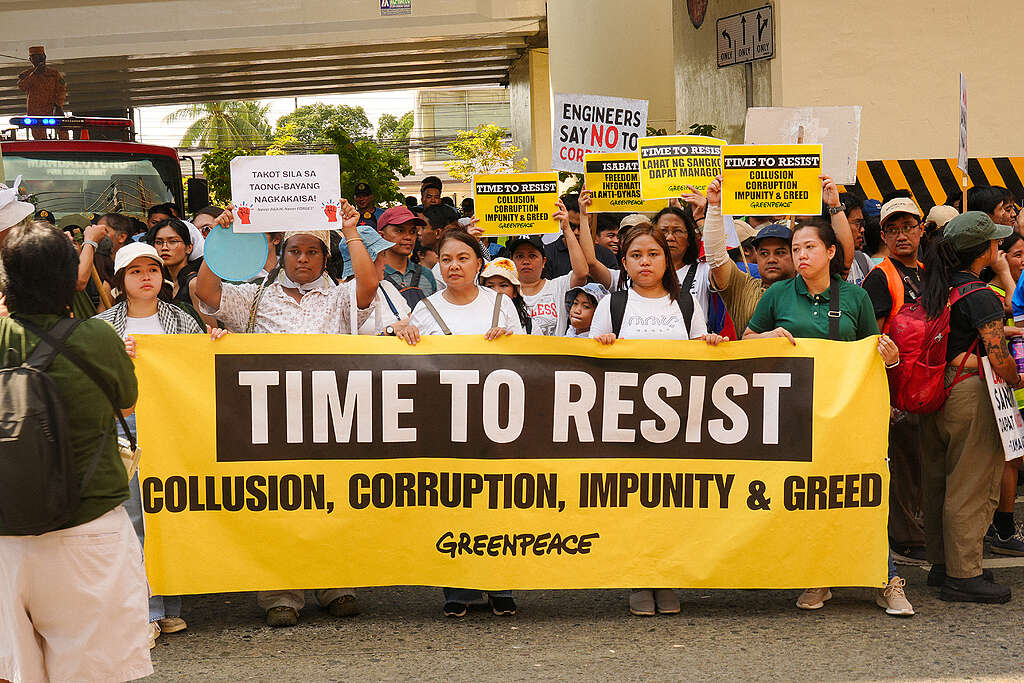
Perhaps this is the kind of courage our time demands. We need the courage not only to inconvenience ourselves for others but also to allow ourselves to become an inconvenience to people who genuinely care about us. Many of us are comfortable offering help yet deeply uncomfortable receiving it. We hesitate to ask for favors because we fear becoming a burden. Yet refusing to need others can quietly weaken the very communities we hope to build. Sometimes allowing someone to care for us is itself an act of trust because it invites them into the mutual responsibility that makes community possible.
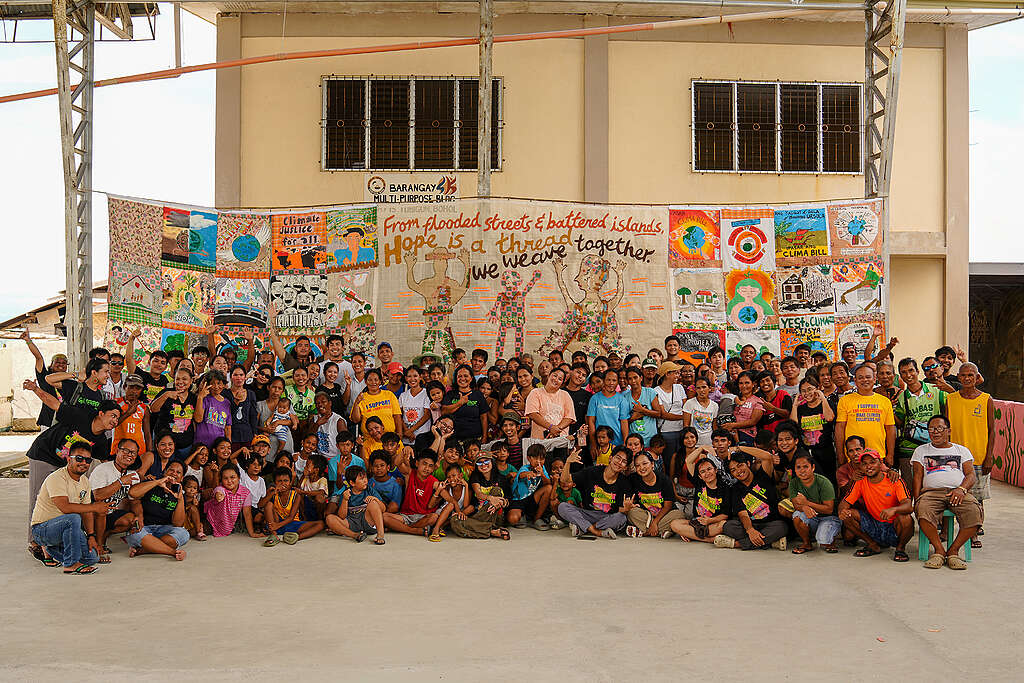
Inconvenience, however, is not enough on its own. It must be accompanied by empathy, accountability, healing, and a genuine commitment to make amends. These are the practices that transform inconvenience from a burden into an expression of love. If inconvenience is the price we pay for belonging, then mending is the practice that ensures belonging can endure. Inconvenience is the cost of community. Mending is the practice that keeps it alive.
Bill is a youth activist from Tabaco City, Albay, passionate about movement-building, community organizing, and people-powered campaigns for a more just society. He currently serves as the Community Outreach Associate Coordinator of Greenpeace Philippines and as the National Convenor of the Rising Alliance of Youth for Transformation (RAYT), where he works alongside young leaders and communities to advance climate justice, civic participation, and collective action.