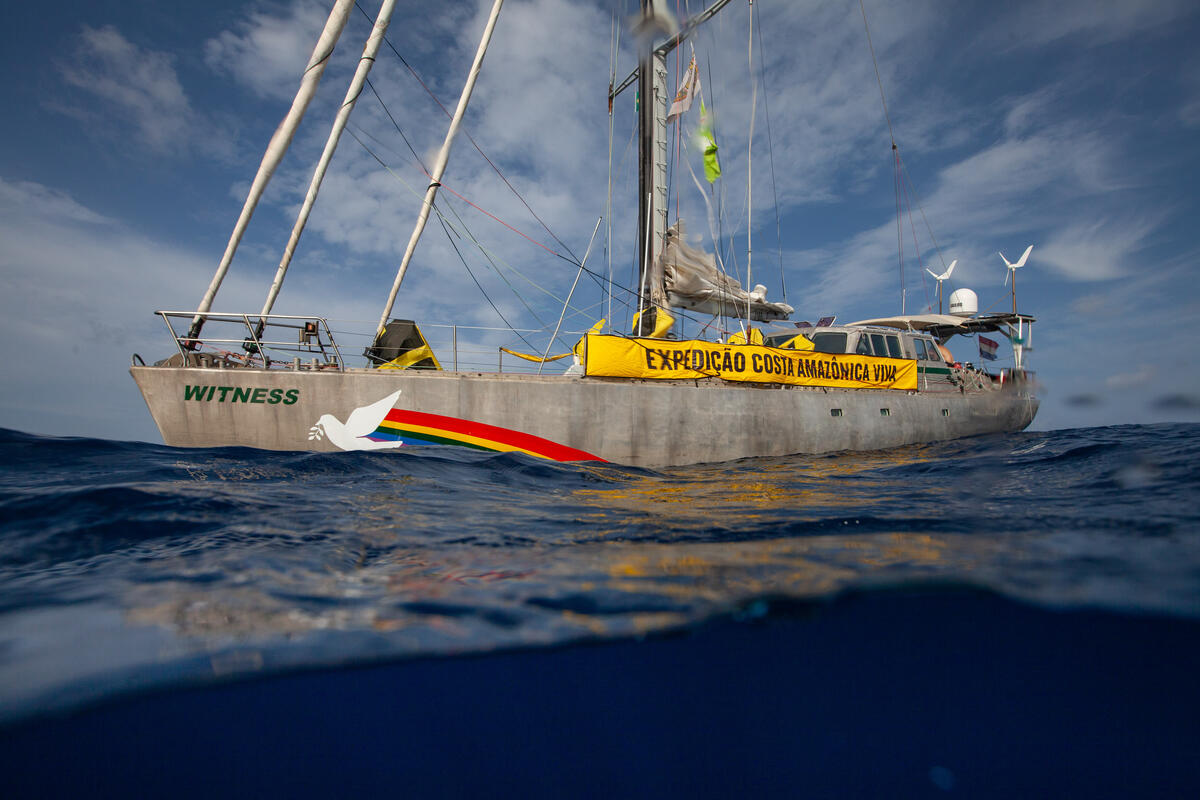
The Amazon Coast, in the north of Brazil, is a region rich in biodiversity and home to Indigenous People and local communities that depend on a healthy ocean for their livelihoods. But the area is currently under threat of oil exploration by the Brazilian government. An oil spill in the region could be devastating. So, with the support of the Greenpeace ship Witness, researchers from IEPA (Institute for Scientific and Technological Research of the state of Amapá) have spent the past month sailing in the region to conduct research and gather more information about how far oil from a possible spill would travel.
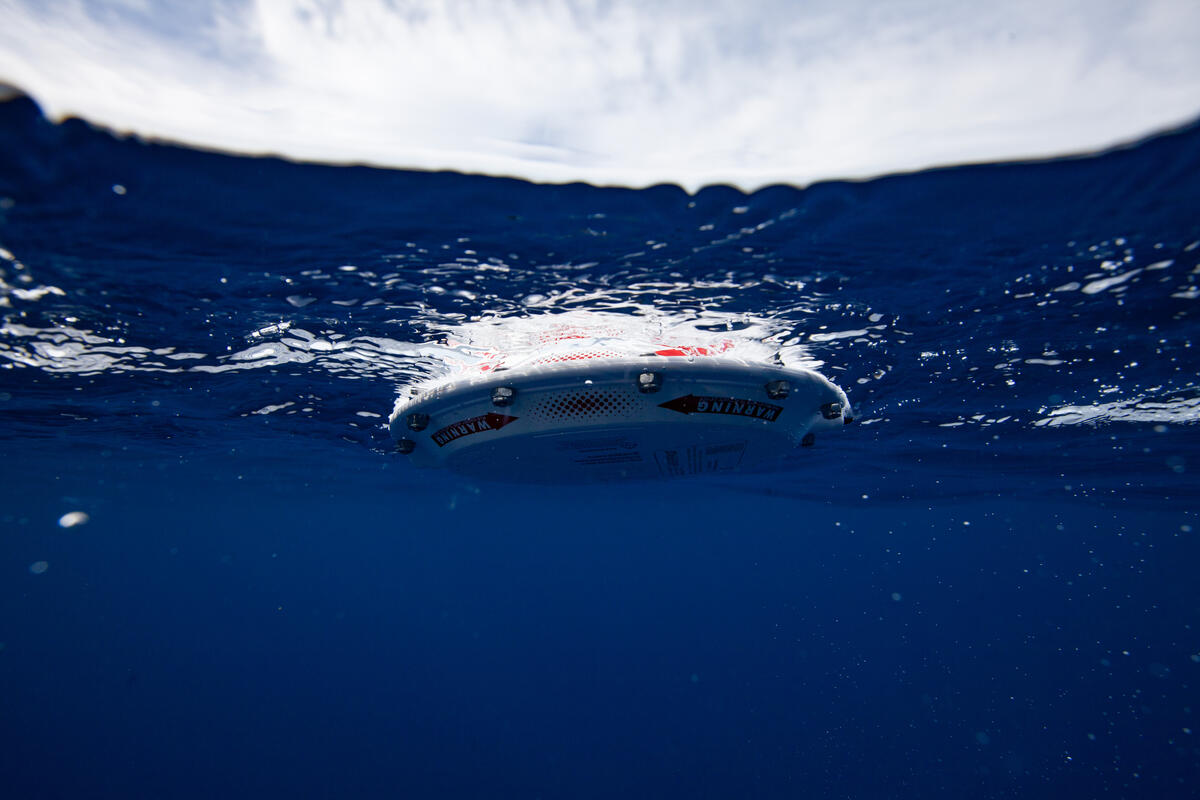
Earlier in March, scientists released drifters equipped with GPS in the water and have been tracking where they are being taken by the currents. Monitoring is still ongoing, but preliminary data is already raising alerts about how far impacts of an oil spill could spread. Out of the seven drifters, two reached protected areas along the coast of the Amapá state in Brazil, the Marajó Archipelago Environmental Protection Area and the Biological Reserve of the Piratuba Lake. This is an important warning about how the expansion of oil drilling in the Amazon Coast could have serious consequences for local biodiversity.
A threat beyond borders
The other five drifters traveled beyond Brazilian borders. This finding reveals a serious environmental risk that would go beyond Brazil, threatening other Pan-Amazonian countries.
In only a few hours, they reached French Guiana’s waters, with one of them arriving at the coast of that country and the other one arriving in Suriname.
Two others arrived in Guyana and have already traveled more than 800 km. These movements represent a serious environmental threat with serious diplomatic impasses with Pan-Amazon countries.
One of the drifters, released in the location where Brazilian state-owned company Petrobrás wants to drill for oil, crossed French Guiana’s border in only 26 hours, moving up north and then returning to the coast shortly after.
Oil spills are always devastating for local biodiversity and to people in the region. A spill on the Amazon Coast, where there are strong marine currents, tidal variations of up to 12 metres and the presence of very sensitive coastal and marine ecosystems, such as mangroves and the Amazon Reef, could be catastrophic. That’s why having more scientific information about the Amazon Coast is essential to understand the potential impact in cases of oil spills.
Since Lula became President in 2022, Brazil has been trying to position itself as a climate leader. But opening up Brazilian waters for oil exploration is contradictory and goes against the tide in the fight against climate change. The last thing Brazil — and the world — needs is more fossil fuels.
For the country to be a real climate leader, the government must commit to a truly fair energy transition, leaving oil in the past, and especially away from such sensitive areas.