
News & Stories
Filter posts
Filtered results
-
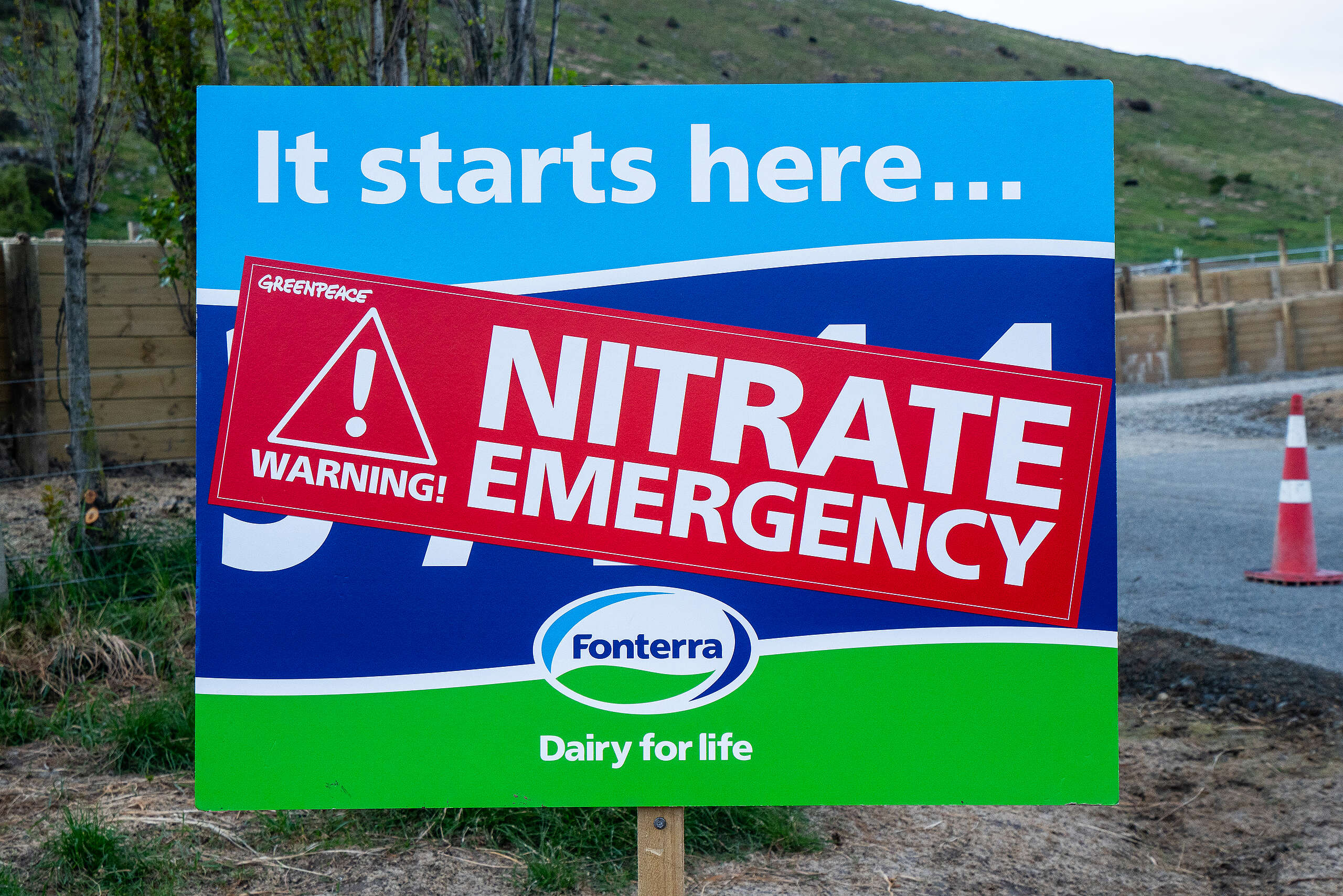
Fonterra is just a corporation, and it needs to be regulated to protect freshwater and the climate
Fonterra is just a corporation. It is a corporation owned by other corporations. Fonterra, and the corporations that own it, all have a single purpose: maximising financial returns to its…
-
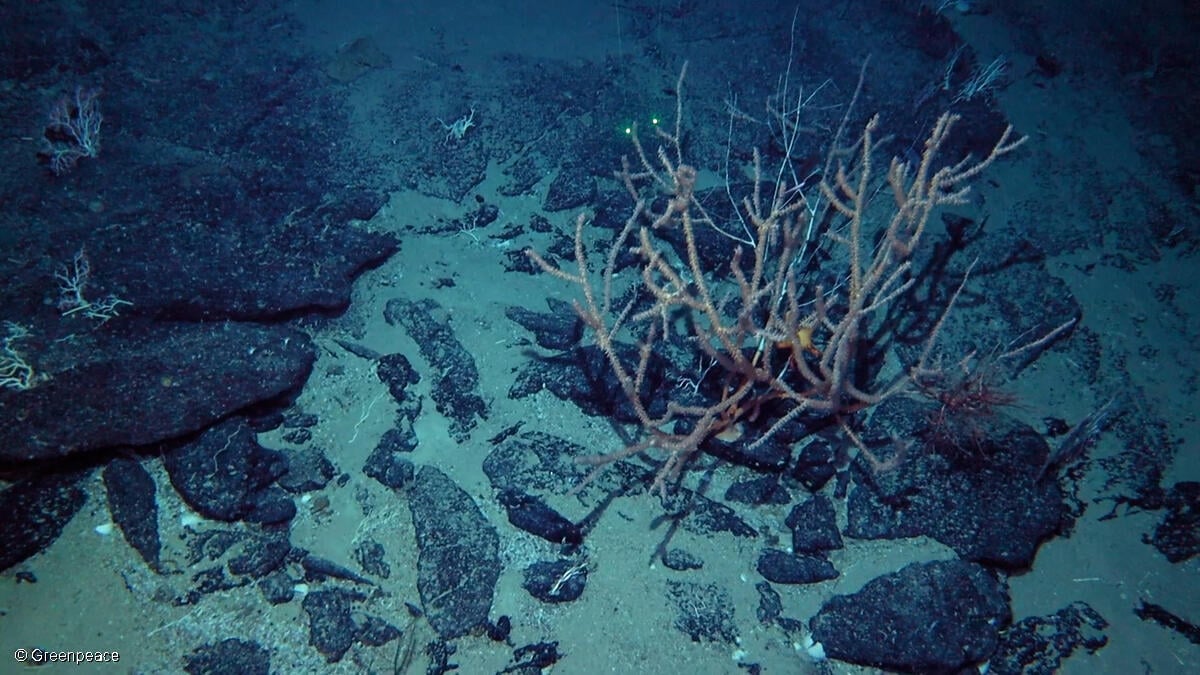
NZ Govt accused of acting as “industry mouthpiece” after bid to open deep-sea coral hotspot to trawling in Tasman Sea
Environmental groups are calling out the New Zealand Government for attempting to reopen a coral hotspot to bottom trawling, despite recent scientific findings proving the site is home to diverse deep sea life.
-
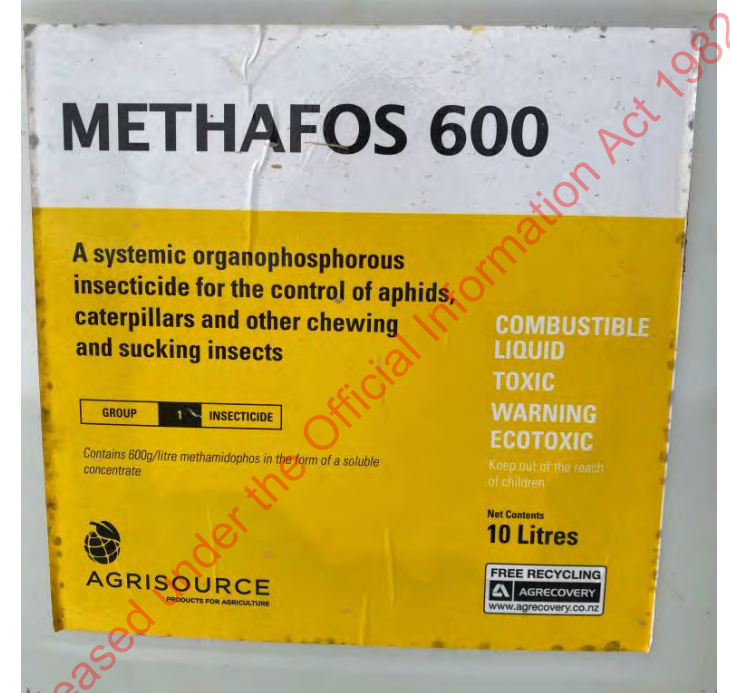
NZ Food Safety is working for agribusiness not food consumers
Pesticides are dangerous. They are dangerous for the farm workers applying them, they are destructive of the natural world, and they harm the people who eat the food. But agribusiness…
-
NZ Food Safety told the public pesticide residue levels were safe, while internal assessments said the opposite
Documents released by Greenpeace today show that the NZ Food Safety agency failed to raise alarms over unsafe levels of pesticide residue on food.
-
Watch the livestream – The Great Freshwater Debate!
We'll be livestreaming the Great Freshwater Debate on October 19th - find the link to the livestream on this page.
-
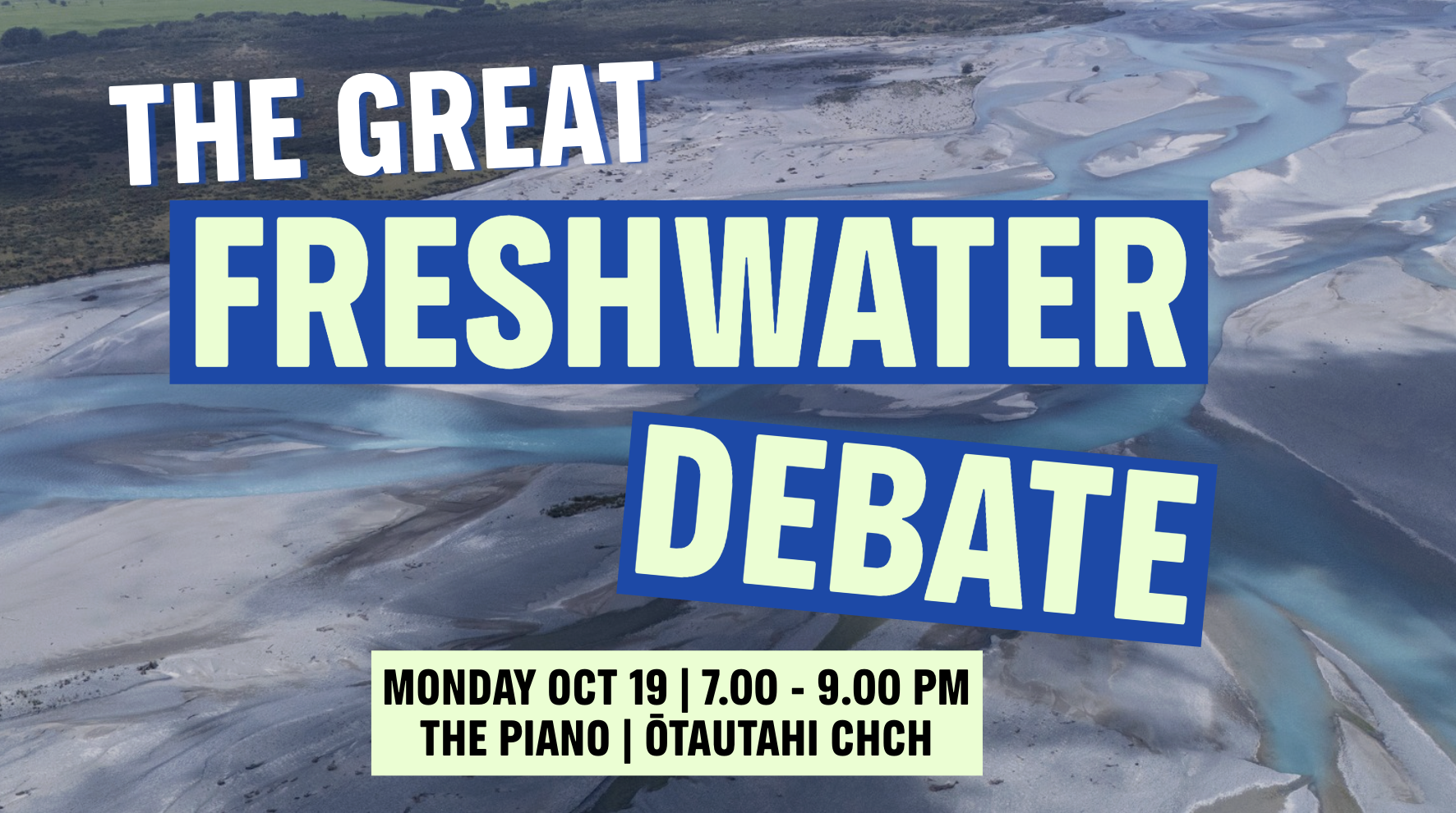
Election candidates to debate fresh water in Christchurch
Greenpeace has announced that it will host an election debate on fresh water in Christchurch on October 19th, titled ‘the Great Freshwater Debate’.
-
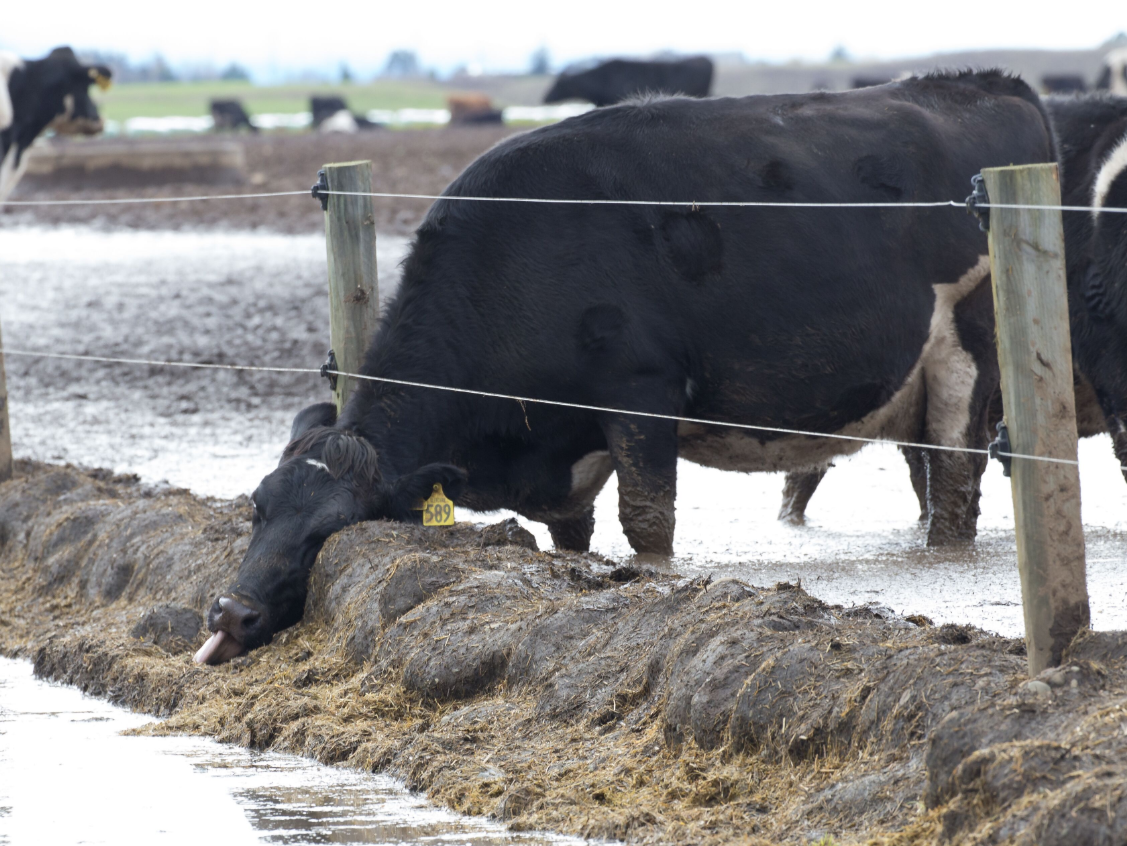
Luxon ’s Three Years of War on Freshwater 2023-2026
Weakening freshwater policy has been a constant focus of the Luxon Government. Fonterra, Dairy NZ , Beef and Lamb have demanded changes to allow more freshwater pollution and the government has delivered, in spades.
-
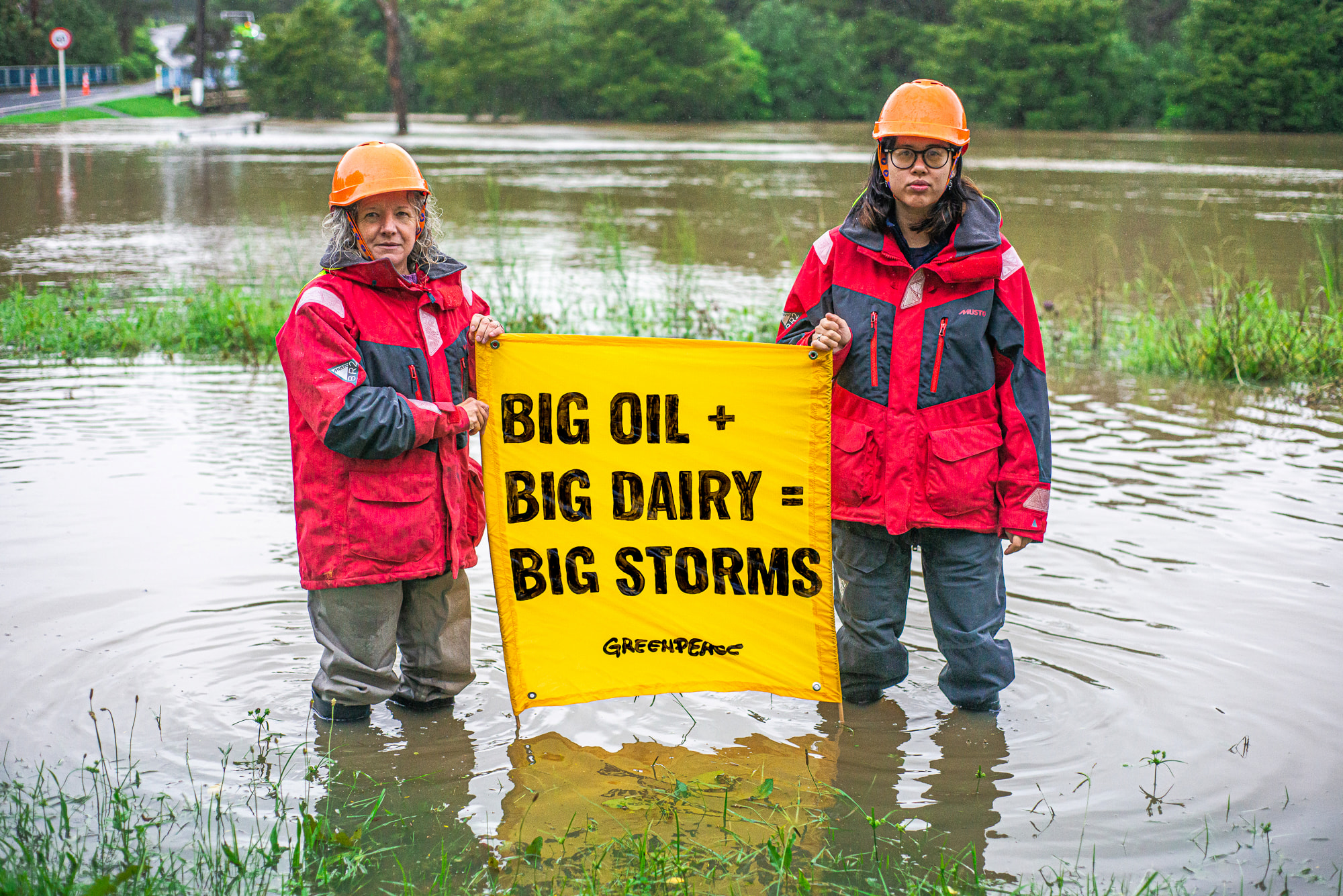
State of the Climate vs War on the Climate
The NZ Government is systematically introducing policies which are increasing emissions or slowing down emissions reductions.
-

Vote for the environment this New Zealand election 2026
Keen to vote for the environment in the upcoming 2026 New Zealand election but don’t know how? We've got you!
-
The stakes are high for the ocean this election – your vote will count
In Aotearoa we have more ocean than most, and the vast majority of us feel insanely lucky to share it with such diversity of life. But as election day approaches I can't stop thinking about how this coalition government steered ocean protection off course. On November 7 we have a chance to vote for ocean…